

Have you ever wondered if your car’s fuel filter might be causing trouble? A bad fuel filter can sneak up on you, leading to poor engine performance, stalling, or even leaving you stranded.
But how can you tell if your fuel filter is the real problem? You’ll discover the clear signs to watch for and simple ways to check if your fuel filter needs attention. Keep reading to protect your vehicle and avoid costly repairs.
Symptoms Of A Bad Fuel Filter
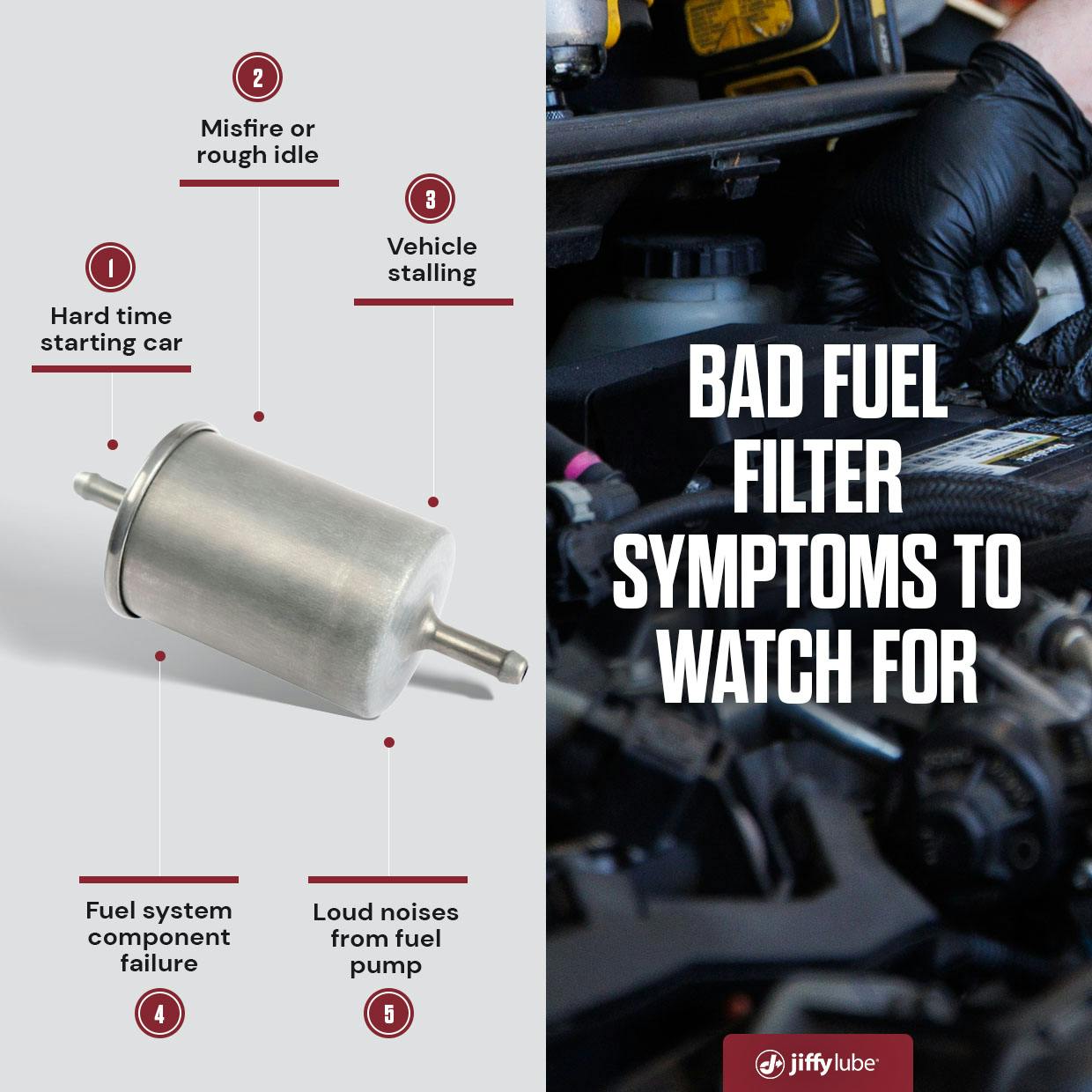
A bad fuel filter can cause many problems in your vehicle. It blocks the flow of fuel to the engine. This leads to poor engine performance and other issues. Recognizing the symptoms early helps avoid costly repairs. Below are common signs that your fuel filter might be failing.
Engine Misfires And Stalling
When the fuel filter clogs, the engine does not get enough fuel. This can cause the engine to misfire or stall. You may notice the engine hesitating during acceleration. Frequent stalling makes driving unsafe and frustrating.
Reduced Engine Power
A bad fuel filter limits fuel flow, reducing engine power. The vehicle may struggle to climb hills or speed up. You might feel the engine is weak or sluggish. This drop in power affects overall driving performance.
Difficulty Starting The Vehicle
Clogged fuel filters make it hard for fuel to reach the engine. This causes longer starting times or failure to start. You might hear the engine crank but not start. Starting problems often indicate fuel delivery issues.
Unusual Engine Noises
A restricted fuel flow can cause strange sounds from the engine. You may hear sputtering, knocking, or coughing noises. These noises show the engine struggles to burn fuel properly. Ignoring these sounds can lead to bigger problems.
Credit: www.jiffylube.com
Visual And Physical Inspection
Visual and physical inspection is the first step to check a bad fuel filter. It helps spot clear signs of damage or clogging. This inspection requires no special tools and anyone can do it. You just need to look closely and feel the filter carefully. This process saves time and cost by detecting issues early.
Checking For Fuel Leaks
Start by examining the area around the fuel filter for any wet spots. Fuel leaks often appear as dark, oily stains. Smell the area for a strong fuel odor. Leaks can cause poor engine performance and pose safety risks. Tighten or replace connections if you find leaks.
Inspecting The Filter For Dirt And Rust
Look at the filter’s exterior for dirt, rust, or corrosion. A dirty filter blocks fuel flow and lowers engine power. Rust can damage the filter’s metal parts, causing leaks. Clean the filter surface with a dry cloth. Replace the filter if you see heavy rust or dirt buildup.
Assessing Fuel Flow
Check if fuel moves freely through the filter. Remove the filter and try to blow air through it. If air passes easily, the filter is likely clear. Blocked filters resist air flow and reduce fuel supply to the engine. Replace the filter if air cannot pass or feels restricted.
Impact On Fuel Efficiency
A dirty fuel filter can lower your car’s fuel efficiency. It blocks fuel flow, making the engine work harder and use more gas. This often causes poor mileage and uneven engine performance.
How A Bad Fuel Filter Reduces Fuel Flow
A clogged or dirty fuel filter blocks fuel from reaching the engine.
This limits the amount of fuel the engine gets for burning.
Less fuel means the engine works harder to perform well.
That extra effort wastes more fuel than usual.
Signs Of Decreased Fuel Efficiency
You may notice your vehicle uses more fuel than before.
Frequent trips to the gas station can be a sign.
Engine performance might feel weaker or sluggish during driving.
These changes often show a fuel filter issue.
Why Fuel Filter Maintenance Matters
Replacing the fuel filter keeps fuel flowing smoothly.
It helps maintain the correct fuel pressure in the engine.
Better fuel flow means the engine burns fuel efficiently.
This improves mileage and saves money on gas.

Credit: oilchangers.com
Diagnostic Tools And Tests
Diagnosing a bad fuel filter requires the right tools and tests. These help find problems quickly and accurately. Using simple devices and professional checks, you can see if the fuel filter blocks fuel flow.
Understanding how to test the fuel filter saves time and money. It also keeps your engine running smoothly. The following tools and tests are common and effective for diagnosis.
Using A Fuel Pressure Gauge
A fuel pressure gauge measures how much fuel pressure reaches the engine. Low pressure often means a clogged fuel filter. Connect the gauge to the fuel line and start the engine. Check the reading against your car’s specs. If pressure is below normal, the filter may be bad.
Reading Engine Codes
Modern cars use sensors to detect fuel system issues. A scan tool reads engine codes stored in the computer. Codes related to fuel delivery can suggest a fuel filter problem. Use an OBD-II scanner to find these codes easily. This method saves guesswork and points to the exact issue.
Professional Inspection Options
Mechanics have tools and experience to test fuel filters precisely. They can perform flow tests and inspect the fuel system thoroughly. Professionals may remove the filter and check for debris or damage. Visiting a shop ensures a full diagnosis and safe repairs.
Preventive Measures
Preventive measures help keep your fuel filter working well. They stop problems before they start. Taking care of the fuel filter saves money and time. It also protects the engine from damage. Below are key steps to avoid a bad fuel filter.
Recommended Replacement Intervals
Change the fuel filter based on the car maker’s guide. Usually, it needs replacement every 20,000 to 40,000 miles. Check your owner’s manual for exact timing. Replacing on time keeps fuel flowing smoothly. It stops dirt and rust from blocking the filter.
Choosing The Right Fuel Filter
Pick a fuel filter that fits your vehicle model. Use filters approved by your car’s brand. A good filter traps tiny particles and water. Avoid cheap filters that can break or clog quickly. Quality filters last longer and protect the engine better.
Maintaining Fuel System Cleanliness
Keep your fuel tank clean and avoid dirty fuel stations. Dirt in fuel clogs the filter faster. Add fuel system cleaner occasionally to remove buildup. Regular cleaning helps fuel flow and engine performance. Clean systems reduce filter wear and prevent engine issues.

Credit: www.youtube.com
Frequently Asked Questions
What Are The Common Signs Of A Bad Fuel Filter?
A bad fuel filter causes engine misfires, poor acceleration, and difficulty starting. You may also notice reduced fuel efficiency and rough idling. These signs indicate restricted fuel flow due to a clogged or damaged filter.
How Often Should You Replace The Fuel Filter?
Fuel filters typically need replacement every 20,000 to 40,000 miles. Check your vehicle’s manual for specific intervals. Regular replacement prevents clogging and maintains optimal engine performance.
Can A Bad Fuel Filter Cause Engine Stalling?
Yes, a clogged fuel filter can cause engine stalling. It restricts fuel flow, leading to inconsistent engine power and unexpected stalls, especially at idle or low speeds.
Does A Bad Fuel Filter Affect Fuel Economy?
A bad fuel filter reduces fuel efficiency by limiting fuel flow. The engine works harder, consuming more fuel. Replacing a clogged filter helps restore proper fuel delivery and improves mileage.
Conclusion
A bad fuel filter can cause many car problems. Watch for slow starts, engine misfires, or poor fuel flow. These signs often mean the filter needs replacing. Regular checks keep your engine healthy and save money. Don’t wait until the filter clogs completely.
Clean fuel helps the car run smoothly and lasts longer. Taking care of the fuel filter is simple but important. Keep your vehicle running well by paying attention to these signals. Stay safe and avoid costly repairs with timely filter care.


