

If you drive a diesel vehicle, you might wonder, how many miles does a diesel fuel filter last? Knowing this can save you from costly repairs and keep your engine running smoothly.
Your fuel filter plays a key role in protecting your engine from dirt and debris. But when does it need a change? You’ll discover the signs to watch for and the mileage benchmarks to help you keep your diesel engine healthy and efficient.
Keep reading to learn how to avoid breakdowns and get the most out of every mile.
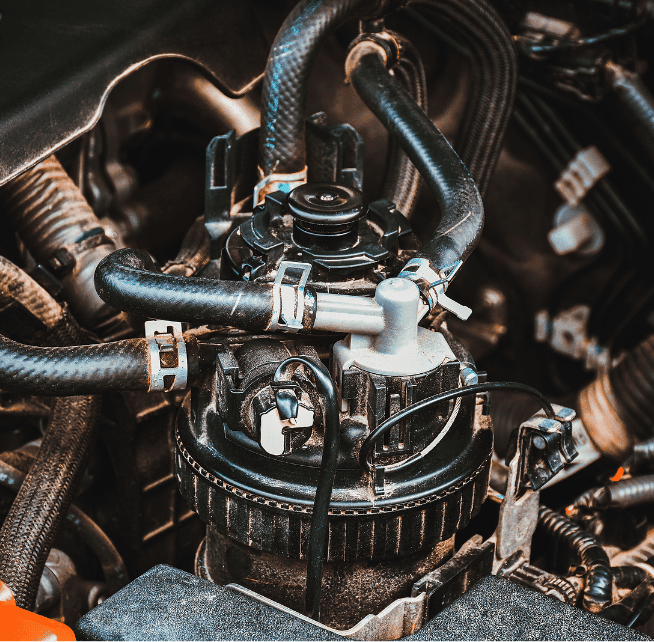
Credit: branchautomotive.com
Diesel Fuel Filter Basics
Understanding diesel fuel filter basics is essential for vehicle care. This small part plays a big role in engine health. It protects your diesel engine from dirt and water in the fuel. Clean fuel helps the engine run smoothly and last longer.
Purpose Of A Diesel Fuel Filter
A diesel fuel filter stops dirt, rust, and water from entering the engine. These impurities can clog fuel injectors and damage engine parts. The filter ensures only clean fuel reaches the engine. This keeps the engine efficient and prevents costly repairs.
Types Of Diesel Fuel Filters
There are several types of diesel fuel filters. The most common is the cartridge filter, which is easy to replace. Another type is the spin-on filter, which screws on and off. Some vehicles use water-separating filters to remove water from the fuel. Each type protects the engine in a slightly different way.
Factors Influencing Fuel Filter Lifespan
The lifespan of a diesel fuel filter depends on several important factors. These factors affect how long the filter can work well before it needs replacement. Understanding these can help maintain your vehicle and avoid fuel system problems.
Fuel Quality And Contaminants
The quality of diesel fuel directly impacts the filter’s life. Poor fuel contains dirt, water, and other particles. These contaminants clog the filter faster. Clean, high-quality fuel helps the filter last longer. Using fuel from trusted sources reduces risks.
Driving Conditions
Harsh driving conditions shorten fuel filter life. Dusty roads, extreme temperatures, and stop-and-go traffic add stress. Frequent short trips do not allow the fuel system to fully clear contaminants. Smooth, steady driving helps keep the filter cleaner.
Vehicle Maintenance Habits
Regular maintenance extends fuel filter life. Changing filters at recommended intervals prevents clogs. Neglecting maintenance causes dirt buildup and engine issues. Checking fuel system components ensures the filter works properly. Good habits protect your vehicle’s performance.
Average Mileage For Diesel Fuel Filters
Diesel fuel filters play a key role in protecting your engine. They remove dirt, rust, and other particles from the fuel. Knowing the average mileage for diesel fuel filters helps plan timely replacements. This avoids engine problems and keeps your vehicle running smoothly. The lifespan of these filters depends on many factors. These include fuel quality, driving conditions, and engine type.
Manufacturer Recommendations
Most diesel fuel filter makers suggest changing filters every 15,000 to 25,000 miles. This range varies by brand and model. Some high-quality filters may last up to 30,000 miles. Always check your vehicle’s owner manual for exact advice. Following manufacturer guidelines helps keep your engine safe. It also ensures the best fuel flow and engine performance.
Real-world Mileage Experiences
Drivers often share different experiences with fuel filter life. Some change filters sooner, around 10,000 to 15,000 miles. This happens in harsh driving conditions or with poor fuel quality. Others report filters lasting beyond 30,000 miles without issues. Regular vehicle checks help spot filter problems early. Watching for engine hesitation or hard starts can signal filter needs. Real-world use shows that filter life can vary a lot.
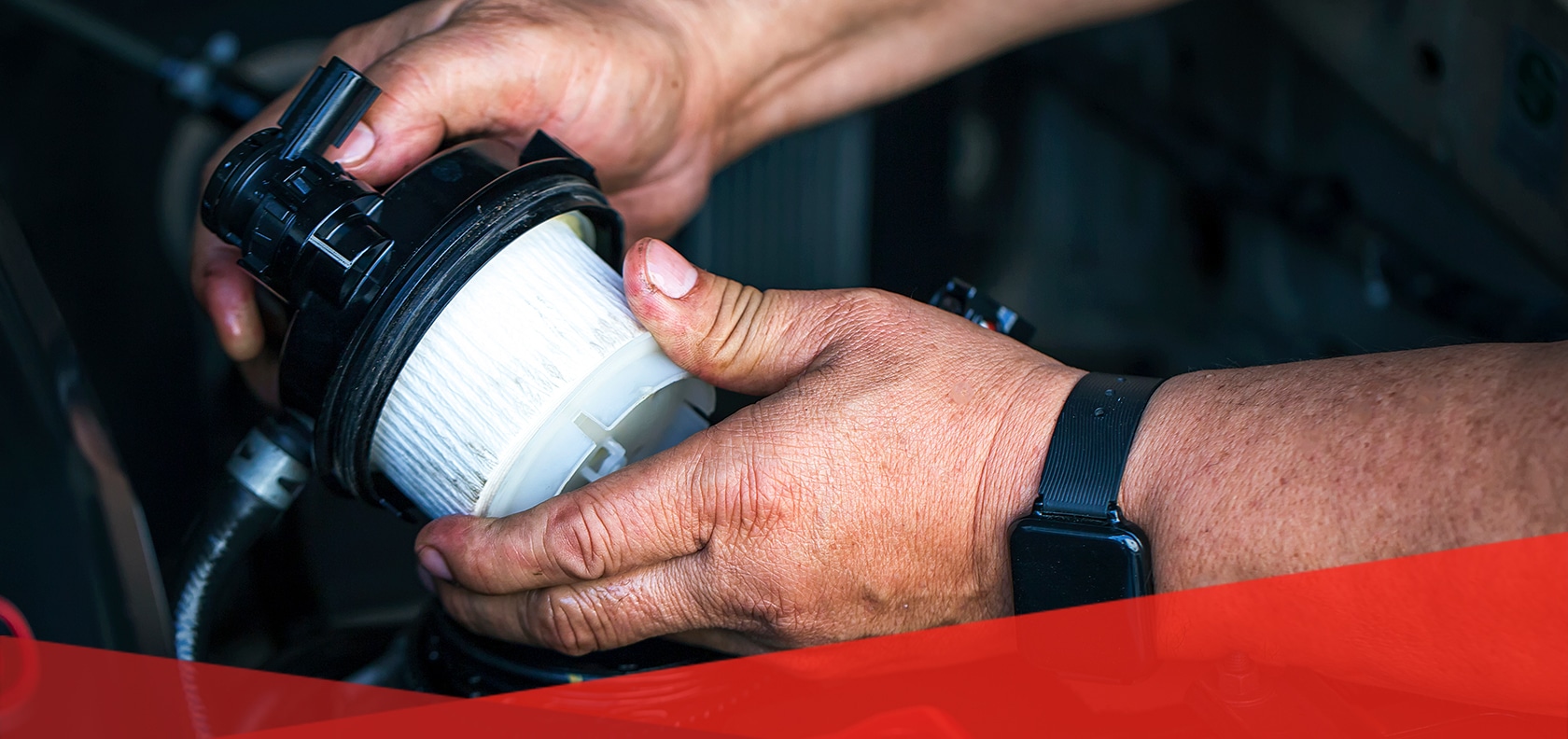
Credit: www.mapfreinsurance.com
Signs Of A Failing Diesel Fuel Filter
A diesel fuel filter keeps dirt and debris from reaching the engine. Over time, the filter clogs and stops working well. This can cause many problems in your vehicle. Knowing the signs of a failing diesel fuel filter helps you avoid bigger issues.
Watch for changes in your engine’s behavior and fuel use. These signs tell you the filter needs attention or replacement soon.
Engine Performance Issues
The engine may run rough or hesitate during acceleration. It might stall or have trouble starting. These happen because clogged filters reduce fuel flow. The engine struggles to get enough clean fuel to work properly.
Fuel Economy Drop
You may notice your diesel vehicle uses more fuel than usual. A dirty fuel filter makes the engine work harder. This extra effort causes the engine to burn more fuel. Lower miles per gallon is a clear sign of filter problems.
Warning Lights And Codes
Dashboard warning lights can turn on with a bad fuel filter. The check engine light is common. Diagnostic trouble codes (DTCs) may show fuel system issues. These alerts help you identify the problem early.
Replacing Diesel Fuel Filters
Replacing diesel fuel filters is essential for keeping your engine running well. Fuel filters stop dirt and rust from reaching the engine. Over time, filters get clogged and lose their job. This can cause your engine to run poorly or even break down.
Changing the fuel filter at the right time helps your diesel engine stay strong. It also improves fuel efficiency and lowers repair costs. Knowing how and when to replace the filter saves you time and money.
When To Replace
Most diesel fuel filters last between 10,000 and 25,000 miles. Check your vehicle’s manual for the exact number. Signs like rough idling, hard starting, or loss of power mean the filter may need changing. Replace the filter if you see water or dirt in the fuel system. Regular checks help avoid engine damage.
Diy Vs Professional Replacement
Changing the fuel filter yourself can save money. It takes basic tools and some care to avoid spills. DIY works well for those with some mechanical skill. Professional replacement is safer for complex systems or hard-to-reach filters. Mechanics can also check for other fuel system problems.
Tools And Materials Needed
You need a new diesel fuel filter that fits your vehicle. A wrench or socket set helps remove the old filter. A container catches any fuel that leaks out. Gloves protect your hands from fuel. Some vehicles need a special tool to release fuel pressure. Keep rags handy for cleaning spills.
Tips To Extend Fuel Filter Life
Extending the life of your diesel fuel filter helps save money and keeps your engine running smoothly. Small steps can make a big difference in how long your fuel filter lasts. Follow these tips to protect the filter and improve fuel system health.
Using Quality Fuel
Always fill up with clean, high-quality diesel fuel. Low-quality fuel often contains dirt and water. These impurities clog the fuel filter faster. Clean fuel reduces the strain on the filter and engine. Choose fuel from trusted stations for best results.
Regular Maintenance Checks
Check your fuel filter regularly for signs of dirt and clogging. Follow the vehicle’s maintenance schedule. Replace the filter before it becomes too dirty. Regular checks prevent engine problems and costly repairs. Maintenance keeps the fuel system working well.
Fuel Additives And Treatments
Use fuel additives designed to clean and protect diesel fuel. These treatments remove water and prevent rust. They help keep the fuel filter cleaner for longer. Additives improve fuel quality and engine efficiency. Always follow the product instructions carefully.
Costs Associated With Fuel Filter Maintenance
Maintaining a diesel fuel filter involves some costs. These costs vary depending on the type of filter and service method. Knowing these expenses helps plan your vehicle’s upkeep better.
Filter Prices
Diesel fuel filters come in many types and brands. Prices usually range from $10 to $50. Premium filters cost more but last longer and protect better. Choosing the right filter depends on your vehicle model and budget.
Labor Costs
Labor costs depend on where you get the filter changed. A quick service shop may charge $40 to $80. Dealerships often charge more due to specialized tools and expertise. Doing it yourself can save money but needs some skill.
Long-term Savings
Replacing the fuel filter regularly protects the engine. It prevents dirt and water from causing damage. This reduces costly repairs and improves fuel efficiency. Spending on filter maintenance saves money over time.
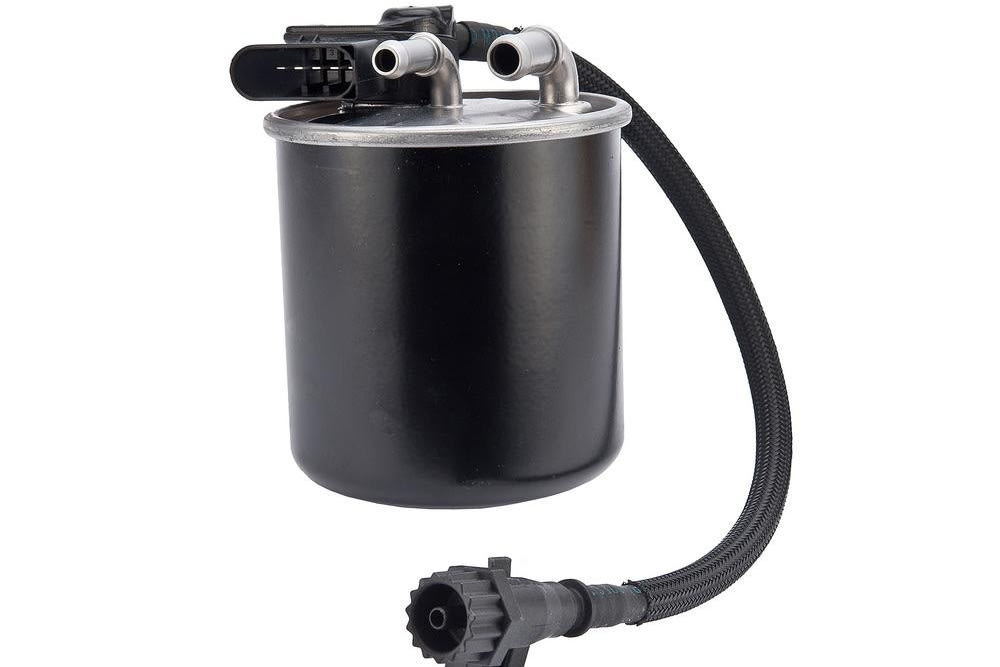
Credit: www.yourmechanic.com
Frequently Asked Questions
How Often Should I Replace A Diesel Fuel Filter?
A diesel fuel filter should be replaced every 15,000 to 25,000 miles. This varies by vehicle and fuel quality. Regular replacement prevents engine damage and ensures fuel system efficiency.
What Factors Affect Diesel Fuel Filter Lifespan?
Fuel quality, driving conditions, and vehicle type affect filter lifespan. Contaminated fuel or dusty environments reduce filter life. Proper maintenance extends its effectiveness and protects the engine.
Can A Clogged Diesel Fuel Filter Damage My Engine?
Yes, a clogged fuel filter restricts fuel flow, causing engine performance issues. It can lead to poor acceleration, stalling, and potential engine damage if ignored.
How Do I Know When To Change The Fuel Filter?
Signs include engine misfires, reduced power, and difficulty starting. Check your vehicle’s manual for specific intervals. Regular inspections help avoid unexpected failures.
Conclusion
A diesel fuel filter usually lasts between 10,000 and 25,000 miles. Changing it on time keeps your engine running well. Dirty filters can cause poor fuel flow and engine problems. Check your vehicle’s manual for exact recommendations. Regular maintenance saves money and avoids breakdowns.
Stay aware of your filter’s condition to protect your diesel engine. It’s a small step that makes a big difference in performance and fuel efficiency. Simple care keeps your truck or car healthy for many miles.

