

Wondering how many miles you can get out of your brakes and rotors before they need replacing? You’re not alone.
Knowing when to change these crucial parts can save you money, keep your car running smoothly, and most importantly, keep you safe on the road. But the answer isn’t always simple—it depends on how you drive, the roads you travel, and your car’s make and model.
Keep reading, and you’ll learn clear, easy-to-follow guidelines to help you know exactly when it’s time to service your brakes and rotors. Don’t wait until it’s too late—your safety depends on it.
Signs You Need New Brakes
Brakes are one of the most important parts of your car. They keep you safe on the road. Knowing when to replace your brakes can prevent accidents. Watch for clear signs that your brakes need attention. Early detection helps you avoid costly repairs and dangerous situations.
Squeaking And Grinding Noises
Squeaking sounds often mean brake pads are worn out. The noise comes from a small metal indicator rubbing on the rotor. Grinding noises are more serious. They mean the pads are gone, and metal parts touch each other. This can damage the rotors and increase repair costs.
Vibrations When Braking
Feel vibrations or shaking in the brake pedal or steering wheel? This usually means the rotors are warped or damaged. Warped rotors reduce braking efficiency and can cause dangerous driving conditions. Get your brakes checked quickly if you notice this feeling.
Longer Stopping Distances
Your car should stop quickly and smoothly. If it takes longer to stop, your brakes may be worn out. This can happen as brake pads thin or rotors become damaged. Longer stopping distances increase the risk of crashes. Do not ignore this sign.
Brake Warning Lights
Modern cars have brake warning lights on the dashboard. These lights turn on to alert you about brake problems. Do not ignore them. The warning could mean low brake fluid, worn pads, or other issues. Have a mechanic check your brakes right away if the light comes on.

Credit: www.hondaofmentor.com
Typical Brake Pad Lifespan
Brake pads are a vital part of your vehicle’s braking system. They press against the rotors to slow or stop the car. Knowing their typical lifespan helps you plan maintenance. Brake pads wear down over time and need replacing to keep driving safe. Understanding how long they last saves money and avoids unexpected repairs.
Average Mileage Range
Brake pads usually last between 30,000 and 70,000 miles. Some can wear out faster or last longer. The exact mileage depends on how you drive and the car type. Checking them regularly helps catch wear before it becomes a problem.
Factors Affecting Brake Pad Wear
Driving style has a big impact on brake pad life. Hard braking and frequent stops wear pads faster. City driving causes more wear than highway driving. Heavy loads or towing add extra pressure on brakes. Weather also matters. Wet or cold conditions may cause faster wear.
Types Of Brake Pads And Durability
Brake pads come in several types. Organic pads are soft and quiet but wear quickly. Semi-metallic pads are tougher and last longer but can be noisy. Ceramic pads last the longest and produce less dust. Choosing the right type balances cost, noise, and durability.
Rotor Replacement Mileage
Knowing the right time for rotor replacement helps keep your car safe. Rotors wear down over time. They need checking regularly to avoid brake problems. The mileage for replacing rotors depends on many factors.
Standard Rotor Lifespan
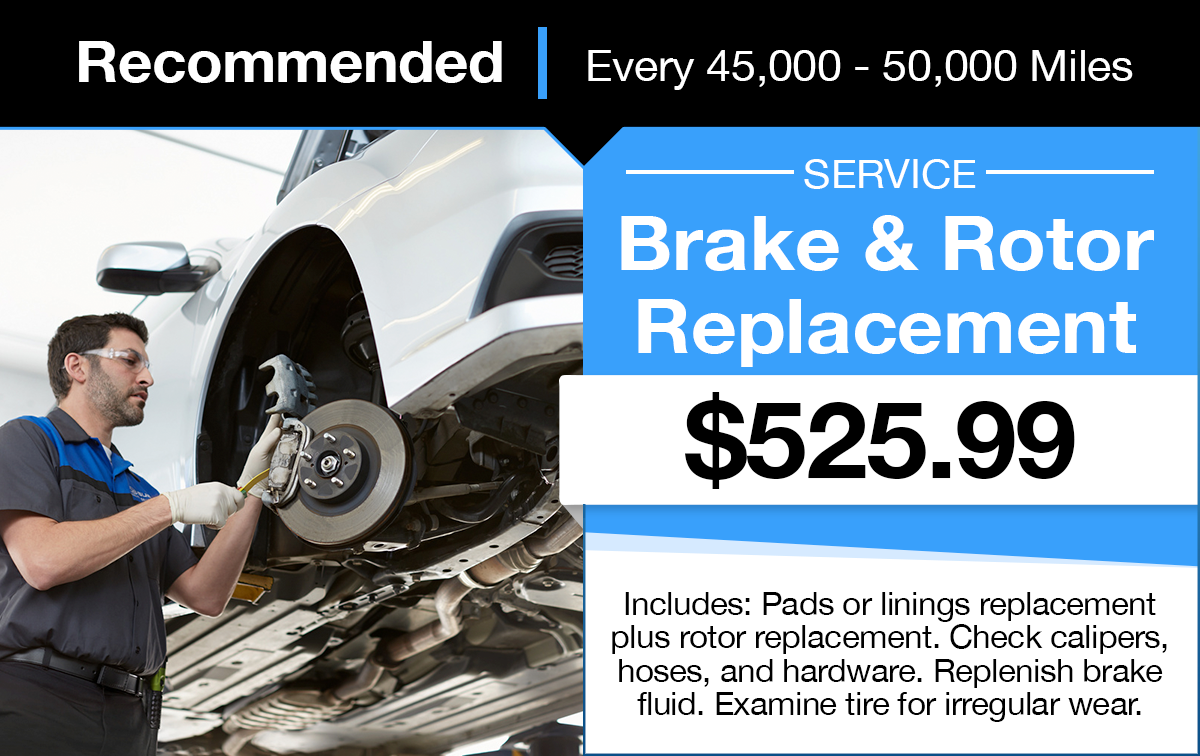
Most rotors last between 30,000 and 70,000 miles. This range varies by car model and rotor quality. Some rotors wear out faster on city roads. Others last longer on highways. Regular inspections can spot wear early.
When To Resurface Vs Replace
Resurfacing smooths out minor rotor damage. It works if the rotor is still thick enough. If rotors are too thin or cracked, replace them. Thin rotors can cause brake failure. A mechanic can measure rotor thickness easily.
Impact Of Driving Style On Rotors
Aggressive braking wears rotors quickly. Driving in stop-and-go traffic also shortens rotor life. Gentle braking and steady speeds help rotors last longer. Mountain driving can heat rotors and cause warping. Adjust driving habits to protect your rotors.
Credit: www.citysidesubaru.com
Maintaining Brake Health
Maintaining brake health is key to safe driving and longer brake life. Regular care helps avoid costly repairs and sudden failures. Simple habits and checks keep brakes working well. This section covers easy ways to maintain your brakes.
Regular Inspections
Check your brakes at least twice a year. Look for worn pads, thin rotors, or leaks. Listen for squeaking or grinding sounds. These signs mean it’s time for a professional check. Early inspections catch problems before they get worse.
Proper Driving Habits
Drive smoothly to protect your brakes. Avoid sudden stops or hard braking. Keep a safe distance from other cars. Use engine braking on downhill roads. This reduces brake wear and heat buildup. Gentle driving extends the life of pads and rotors.
Brake Fluid Checks
Brake fluid is vital for brake function. Check fluid levels regularly and top up if low. Replace brake fluid every 2 years or as per your car manual. Old fluid absorbs moisture, reducing brake efficiency. Clean fluid keeps brakes responsive and safe.
Cost Factors For Replacement
Replacing brakes and rotors costs vary a lot. Several factors affect the total price. Knowing these helps plan your budget better.
Brake parts and labor are the main cost drivers. Quality of parts also changes the price. Understanding these elements avoids surprises.
Brake Pads Vs Rotors Pricing
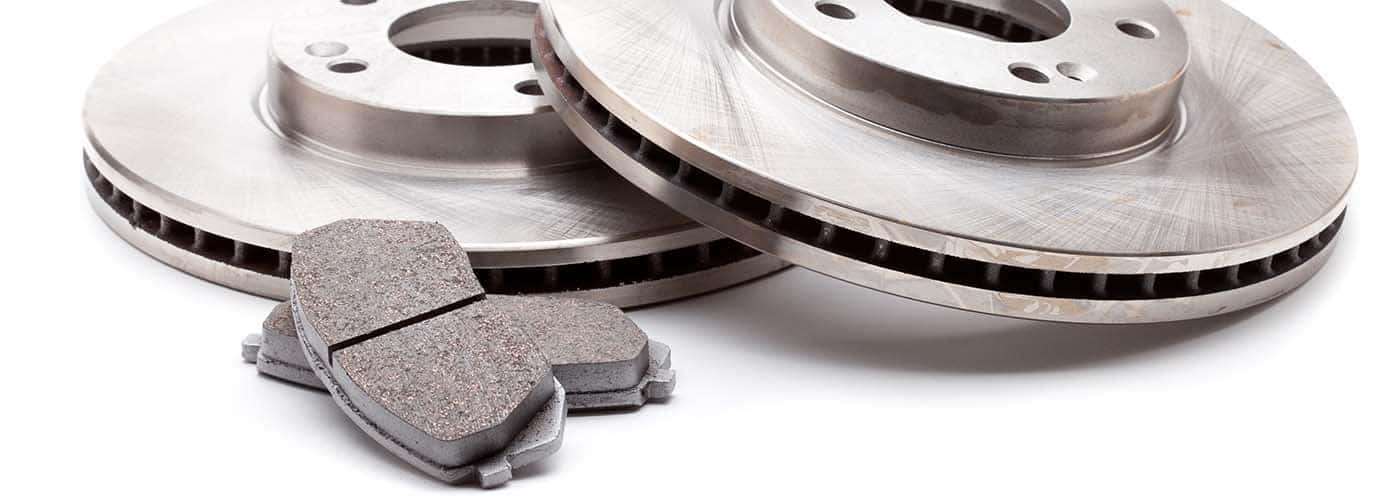
Brake pads usually cost less than rotors. Pads can range from $30 to $80 per set. Rotors are pricier, often $40 to $150 each.
Some vehicles need special rotors. These can raise the price even more. Buying both parts together costs more than pads alone.
Labor Costs
Labor fees depend on shop rates and car type. A simple brake pad change may take one hour. Rotor replacement takes longer and costs more.
Labor rates vary from $50 to $150 per hour. Shops in big cities often charge higher fees. Skilled mechanics may charge more for complex jobs.
Choosing Quality Parts
Cheap parts save money but wear out faster. High-quality parts last longer and work better. They may cost more upfront but save money later.
OEM parts fit perfectly and keep your car safe. Aftermarket parts vary in quality and price. Always choose parts that match your driving needs.
Credit: www.marinechevy.com
Diy Vs Professional Replacement
Deciding between DIY and professional brake and rotor replacement depends on skills and tools. Some car owners enjoy the challenge and save money. Others prefer the safety and speed of a mechanic. Both choices have clear pros and cons. Understanding these can help you pick the best option for your car and wallet.
Tools Needed For Diy
Replacing brakes and rotors yourself requires some specific tools. You need a jack and jack stands to lift the car safely. A lug wrench is necessary to remove the wheels. A C-clamp or brake caliper tool helps compress the brake caliper. You also need a socket set and possibly a torque wrench. Brake cleaner and anti-seize lubricant are useful for cleaning parts. Having these tools ready makes the job easier and safer.
Risks Of Self-installation
Replacing brakes and rotors without experience can be risky. Incorrect installation may reduce braking power. Loose parts can cause noise or damage. You might miss signs of worn components that need replacement. Safety is crucial because brakes affect your car’s stopping ability. Mistakes can lead to accidents or costly repairs. Taking time and following instructions carefully reduces risks but does not remove them.
When To Seek Professional Help
Choose professional help if unsure about the process. Mechanics have experience and proper tools. They can spot hidden problems during replacement. Professionals ensure brakes work correctly after the job. If your car has complex brake systems, experts handle them best. Consider professionals for peace of mind and safety. Quick, reliable service often outweighs the cost of DIY mistakes.
Frequently Asked Questions
How Often Should I Replace Brake Pads?
Brake pads usually last between 30,000 to 70,000 miles. Replace them sooner if you hear squealing or feel reduced braking power. Regular checks help maintain safety and prevent damage to rotors.
When Do Brake Rotors Need Replacement?
Brake rotors typically last 50,000 to 70,000 miles. Replace them if warped, cracked, or below minimum thickness. Uneven wear or vibration during braking are signs to check rotors immediately.
Can I Replace Brake Pads Without Changing Rotors?
Yes, you can replace brake pads alone if rotors are still in good condition. However, worn rotors may reduce braking efficiency. Inspect rotors carefully before deciding on pad-only replacement.
What Factors Affect Brake And Rotor Lifespan?
Driving habits, vehicle type, and road conditions impact brake and rotor longevity. Frequent hard braking or city driving shortens lifespan. Regular maintenance and gentle driving extend brake system life.
Conclusion
Brake pads usually last between 30,000 and 70,000 miles. Rotors often need replacement every 50,000 to 70,000 miles. Driving habits and road conditions affect these numbers a lot. Regular checks keep your brakes working well and safe. Don’t wait for squeaks or vibrations to act.
Timely maintenance saves money and prevents accidents. Keep your vehicle’s brake system healthy for smoother, safer rides.


