
Have you ever wondered why some car washes leave your vehicle sparkling clean while others barely make a difference? The secret often lies in one simple factor: water pressure.
Understanding what car wash water pressure is and how it works can change the way you care for your car. Whether you’re washing your car at home or choosing a professional service, knowing the right water pressure can save your paint, remove stubborn dirt, and give your car that showroom shine.
Keep reading to discover how water pressure makes all the difference in getting your car spotless every time.
Basics Of Car Wash Water Pressure
Understanding the basics of car wash water pressure helps in cleaning your car well. Water pressure controls how strong the water flows out. It plays a key role in removing dirt and grime from the car surface.
Using the right water pressure keeps your car safe from damage. Too much pressure can harm the paint. Too little pressure may not clean the car properly.
What Water Pressure Means
Water pressure is the force that pushes water out of the nozzle. It tells how hard the water hits the car. Higher pressure means water comes out stronger and faster. Lower pressure means a softer and slower flow.
Units Of Measurement
Water pressure is measured in pounds per square inch (PSI). PSI shows how much force presses on one square inch of surface. Some systems use bar as a unit. One bar equals about 14.5 PSI.
How Pressure Affects Cleaning
Good water pressure removes dirt without hurting the car. Strong pressure cleans tough stains and mud. Weak pressure works for light dirt and dust. Using the right pressure saves time and effort.

Credit: www.alibaba.com
Types Of Water Pressure Systems
Water pressure plays a vital role in car washing. It controls how well dirt and grime get removed from a vehicle’s surface. Various types of water pressure systems exist to suit different cleaning needs. Each system offers unique benefits and works best in specific situations.
Understanding these systems helps choose the right one for efficient car cleaning. Let’s explore the main types of water pressure systems used in car washes.
Low Pressure Systems
Low pressure systems use gentle water flow. They avoid damage to paint or delicate parts. These systems are ideal for light cleaning tasks. They save water and reduce the risk of scratches. Low pressure systems are common in automatic car washes.
High Pressure Systems
High pressure systems deliver powerful water jets. They remove tough dirt, mud, and stains quickly. These systems work well on heavily soiled vehicles. Users must be careful to avoid paint damage. High pressure washers are popular for deep cleaning.
Pressure Washer Varieties
Pressure washers come in electric and gas types. Electric washers suit home use and smaller jobs. Gas washers offer more power for heavy-duty cleaning. Both types have adjustable pressure settings. Choosing the right washer depends on cleaning needs and budget.
Choosing The Right Pressure For Your Car
Choosing the right water pressure for washing your car is very important. Too much pressure can harm your car’s paint. Too little pressure will not clean well. Finding the right balance helps keep your car shiny and safe.
Factors To Consider
Think about your car’s paint type. Older or delicate paint needs lower pressure. The dirt level matters too. Light dirt can be cleaned with gentle pressure. Heavy mud or grime may need stronger pressure. Also, consider the type of washer you have. Some machines offer adjustable pressure settings. Check your washer’s manual for details.
Recommended Pressure Levels
Most cars wash well with pressure between 1200 and 1900 PSI. For delicate or older paint, use pressure below 1200 PSI. Tough stains may require up to 2000 PSI but be careful. Use a wide spray nozzle to spread the pressure. Keep the nozzle at least 12 inches away from the surface.
Avoiding Damage To Paint
Never point the spray too close or hold it in one spot. This can peel or scratch the paint. Avoid using high pressure on soft plastics or decals. Test on a small, hidden area first. Use a foam cannon or soap to protect the paint. Always rinse with low pressure to remove soap gently.

Credit: www.amazon.com
Tools And Equipment For Optimal Pressure
Using the right tools and equipment is key to achieving the best car wash water pressure. Proper equipment helps clean your car effectively without causing damage. It ensures the water pressure is just right for removing dirt and grime.
Choosing the correct tools can save time and effort. It also protects your car’s paint and surfaces from harsh water pressure. Understanding each tool’s role helps in getting the best results.
Pressure Washers
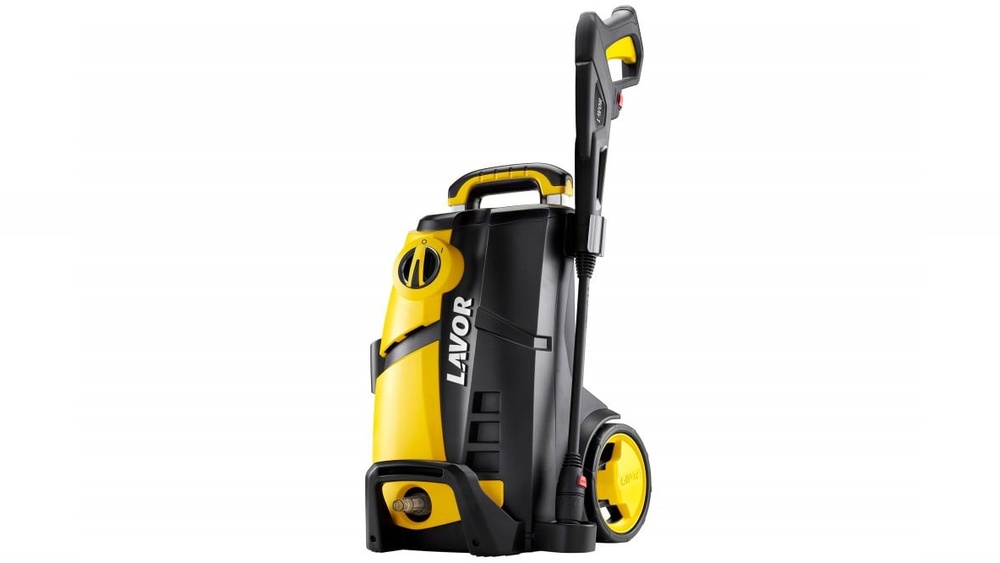
Pressure washers provide strong water flow for cleaning. They come in electric and gas-powered types. Electric models are quieter and good for light cleaning. Gas models offer higher pressure for tough dirt.
Look for a pressure washer with adjustable pressure settings. This feature lets you control the water force. It prevents damage to delicate car parts.
Nozzle Types And Uses
Nozzles control the spray pattern and pressure of water. A 0-degree nozzle gives a powerful, narrow stream. Use it for stubborn dirt but with caution.
The 15-degree nozzle offers a wider spray for general cleaning. A 25-degree nozzle is gentle and covers more area. The 40-degree nozzle is the softest and best for rinsing.
Additional Accessories
Accessories like foam cannons add soap evenly to your car. Surface cleaners help clean flat areas without splashing. Extension wands reach high or hard-to-access spots.
Water filters protect your equipment from dirt and debris. Using the right accessories improves cleaning efficiency and safety.
Techniques For Effective Car Washing
Effective car washing depends on the right techniques. These techniques help clean the car well without causing damage. Using proper water pressure and following steps ensures a shiny, dirt-free vehicle. Here are some essential tips to wash your car effectively.
Proper Distance And Angle
Keep the water nozzle about 6 to 12 inches from the car surface. This distance cleans dirt without harming the paint. Aim the water at a slight angle, not straight on. This helps remove dirt and avoids water getting under seals.
Step-by-step Washing Process
Start by rinsing the car to remove loose dirt. Use a car wash soap with a soft sponge or mitt. Wash the car from top to bottom, section by section. Rinse each section before moving on. Finish by rinsing the entire car to remove soap.
Common Mistakes To Avoid
Do not use high pressure too close to the car. This can damage paint and trim. Avoid washing in direct sunlight to prevent water spots. Never use dish soap or harsh chemicals. These can strip wax and harm the paint.
Maintaining Your Equipment
Maintaining your car wash water pressure equipment ensures it works well and lasts longer. Regular care helps avoid costly repairs and keeps the pressure steady. Proper maintenance also saves time during cleaning and improves results. Simple steps can keep your tools in top shape.
Cleaning And Storage Tips
Rinse the equipment after each use to remove dirt and soap. Wipe down hoses and nozzles with a clean cloth. Store tools in a dry place to prevent rust and damage. Coil hoses without kinks to avoid cracks. Cover the machine to protect it from dust and weather.
Troubleshooting Pressure Issues
Check for leaks in hoses and connections. Tighten loose fittings to stop water loss. Clean clogged nozzles with a small brush or needle. Inspect the pump for unusual noises or vibrations. Low pressure often means a blockage or worn part.
When To Replace Parts
Replace hoses if they show cracks or leaks. Change nozzles that spray unevenly or have holes. Swap out worn seals to prevent water leaks. Upgrade pumps that run hot or lose power. Using damaged parts reduces cleaning quality and can harm equipment.
Environmental And Safety Considerations
Car wash water pressure is important for cleaning, but it also affects the environment and safety. Using high pressure water without care can waste water and harm plants or animals. Chemicals used in car washing can be dangerous if not handled properly. Safety for users is also key to avoid injuries or accidents. Understanding these factors helps keep car washing safe and eco-friendly.
Water Conservation Tips
Use water-saving nozzles to reduce water flow. Wash cars in shaded areas to slow evaporation. Collect and reuse rinse water when possible. Avoid running the water continuously during washing. Small changes save a lot of water over time.
Safe Chemical Usage
Choose biodegradable and non-toxic cleaning products. Follow instructions on the label carefully. Store chemicals away from children and pets. Dispose of leftover chemicals properly to avoid pollution. Use only the amount needed for effective cleaning.
Protective Measures For Users
Wear gloves to protect skin from chemicals. Use eye protection against splashes. Avoid standing directly in the spray path. Take breaks to prevent fatigue during washing. Keep the workspace clean and slip-free to prevent falls.

Credit: www.ebay.com
Frequently Asked Questions
What Is The Ideal Water Pressure For Car Wash?
The ideal water pressure for car wash is between 1200 to 1900 PSI. This range effectively cleans without damaging the paint or surface.
How Does Water Pressure Affect Car Wash Quality?
Higher water pressure removes dirt and grime efficiently. However, too much pressure can harm the car’s paint and finish.
Can Low Water Pressure Clean Cars Properly?
Low water pressure may not remove stubborn dirt well. It can result in a less effective and longer cleaning process.
What Water Pressure Is Safe For Car Paint?
Water pressure below 1900 PSI is generally safe for car paint. Using moderate pressure prevents scratches and paint damage during washing.
Conclusion
Car wash water pressure plays a big role in cleaning your car well. It helps remove dirt and grime quickly. Too much pressure can harm your paint, so use the right amount. Different cars and surfaces need different pressure levels.
Understanding this helps keep your car safe and shiny. Choose a pressure that cleans without causing damage. Clean cars look better and last longer. Remember, good pressure makes washing easier and protects your vehicle. Simple care goes a long way in keeping your car fresh.


