

Are you wondering how many miles you can drive before needing to replace your brakes and rotors? Knowing the right time to make this change is crucial for your safety and your wallet.
If you wait too long, you risk costly repairs and dangerous driving conditions. But replace them too soon, and you might be spending money unnecessarily. You’ll discover clear signs and mileage guidelines to help you keep your brakes and rotors in top shape.
Keep reading to learn exactly when you should take action to protect yourself and your vehicle.
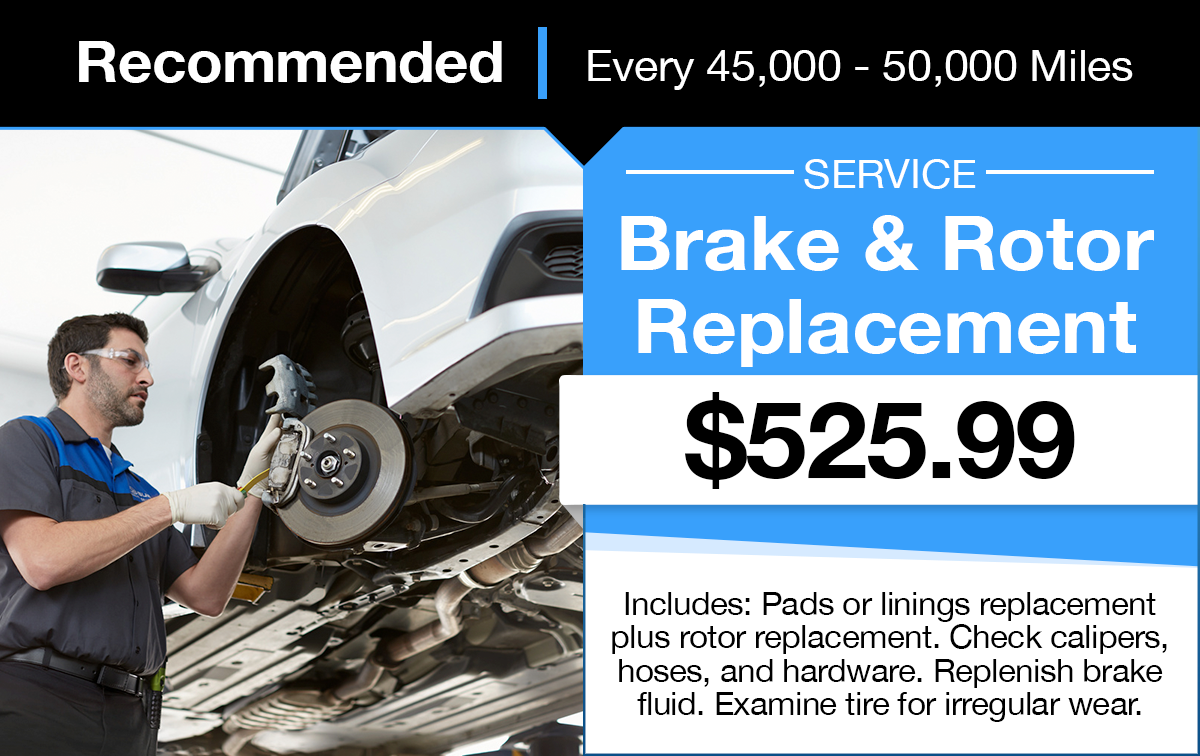
Credit: www.citysidesubaru.com
Signs You Need New Brakes And Rotors
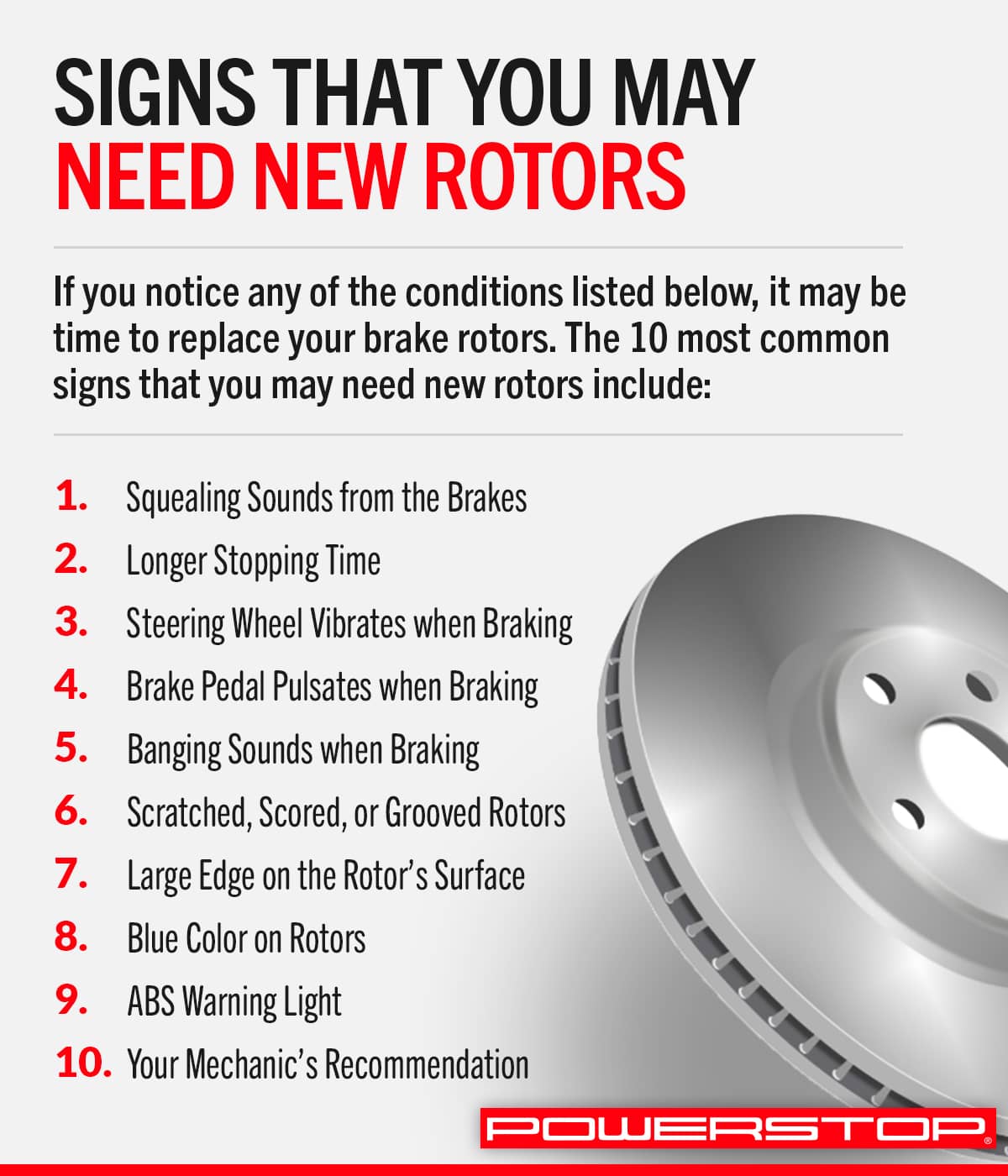
Knowing the signs of worn brakes and rotors helps keep driving safe. Brakes and rotors wear out over time. Detecting issues early prevents accidents and costly repairs. Watch for clear signals your brakes need attention. These signs often mean it’s time for new parts.
Squeaking And Grinding Noises
Squeaking sounds come from worn brake pads. The noise appears when pads are thin. Grinding noises mean metal parts rub together. This can damage rotors badly. Strange sounds during braking need quick checks.
Vibration When Braking
Feel shaking or pulsing in the brake pedal? Vibrations often come from warped rotors. Warped rotors do not press evenly. This lowers braking smoothness and safety. Pay attention to unusual pedal movements.
Reduced Braking Performance
Brakes that take longer to stop are unsafe. If the pedal feels soft or sinks low, pads or rotors may be bad. Reduced brake power increases accident risks. Good brakes stop the car quickly and firmly.
Visible Wear And Damage
Look at brake pads and rotors through the wheel. Pads thinner than 1/4 inch need replacing. Rotors with grooves, cracks, or rust show damage. Damaged parts weaken braking strength. Regular visual checks help catch problems early.
Credit: www.powerstop.com
Average Lifespan Of Brakes And Rotors
Brakes and rotors are vital parts of your vehicle’s safety system. Knowing their average lifespan helps plan maintenance and avoid sudden failures. Both parts wear out over time but at different rates. Understanding their mileage expectancy helps keep your car safe and running smoothly.
Brake Pads Mileage Expectancy
Brake pads usually last between 30,000 and 70,000 miles. This range depends on the material and driving style. Softer pads wear faster but provide quieter stops. Harder pads last longer but may cause more rotor wear. Check pads regularly for signs of thinning or noise.
Rotor Mileage And Durability
Rotors often last longer than brake pads, around 50,000 to 70,000 miles. They wear down from heat and friction during braking. Deep grooves or warping mean it is time to replace rotors. Sometimes, rotors can be resurfaced if damage is minor.
Factors Affecting Wear Rates
Driving habits greatly impact brake and rotor life. Frequent hard stops wear parts faster. City driving with lots of stop-and-go uses brakes more. Weather conditions like rain or snow can cause quicker wear. Carrying heavy loads also stresses the braking system. Regular inspections help catch wear early.
Driving Habits Impact On Brake And Rotor Wear
Driving habits play a big role in how fast your brakes and rotors wear out. Different ways of driving put different amounts of stress on these parts. Knowing how your habits affect wear helps you plan for replacements and keep your car safe.
City Vs Highway Driving
City driving often means many stops and starts. Brakes work harder because you slow down and stop a lot. This causes pads and rotors to wear faster. Highway driving is smoother and steady. Brakes are used less often. So, brake parts last longer on highways than in cities.
Aggressive Vs Defensive Driving
Aggressive driving means fast stops and quick acceleration. This puts more pressure on brakes. Pads and rotors wear out quickly. Defensive driving uses gentle braking and smooth speed changes. It reduces brake wear. Driving calmly helps your brake parts last longer.
Load And Terrain Effects
Heavier loads make brakes work harder. Towing or carrying heavy cargo increases wear. Driving on hills or rough roads also strains brakes. Steep slopes need more braking force. Smooth, flat roads cause less damage. Load and terrain change how often you replace brakes and rotors.
Maintenance Tips To Extend Brake And Rotor Life
Keeping your brakes and rotors in good condition helps save money and improve safety. Simple maintenance steps can lengthen their life. Regular care prevents early wear and costly repairs.
Regular Inspections
Check brakes and rotors often. Look for signs of wear, such as squeaking or vibration. Early detection helps avoid damage. Inspect brake pads for thickness and rotors for grooves or cracks. Schedule professional inspections at least once a year.
Proper Brake Fluid Management
Brake fluid keeps the braking system working well. Check fluid levels regularly. Replace brake fluid every two years or as recommended. Old fluid can cause corrosion and reduce brake performance. Use the correct type of brake fluid for your vehicle.
Avoiding Overheating And Excessive Wear
Hard braking heats brakes and rotors quickly. Avoid riding the brakes or sudden stops. Use engine braking on downhill roads. Let brakes cool after heavy use. Overheating causes warping and shortens rotor life. Drive smoothly to reduce wear on brake parts.
Cost Considerations For Replacing Brakes And Rotors
Replacing brakes and rotors involves several cost factors. Understanding these costs helps plan your budget better. Costs vary by parts, labor, and whether you do the work yourself or hire a professional. Knowing when to replace both brakes and rotors together can also save money.
Parts And Labor Costs
Brake pads and rotors come in various price ranges. Quality parts cost more but last longer. Labor costs depend on the mechanic’s rates and job complexity. Replacing rotors takes more time than just brake pads. Expect to pay more if your vehicle has special brake systems.
Diy Vs Professional Replacement
Doing it yourself saves labor costs but needs tools and skills. Mistakes can cause safety issues or damage parts. Professionals have experience and the right tools. They ensure brakes work properly after replacement. Choose DIY only if confident and knowledgeable about brakes.
When To Replace Both Together
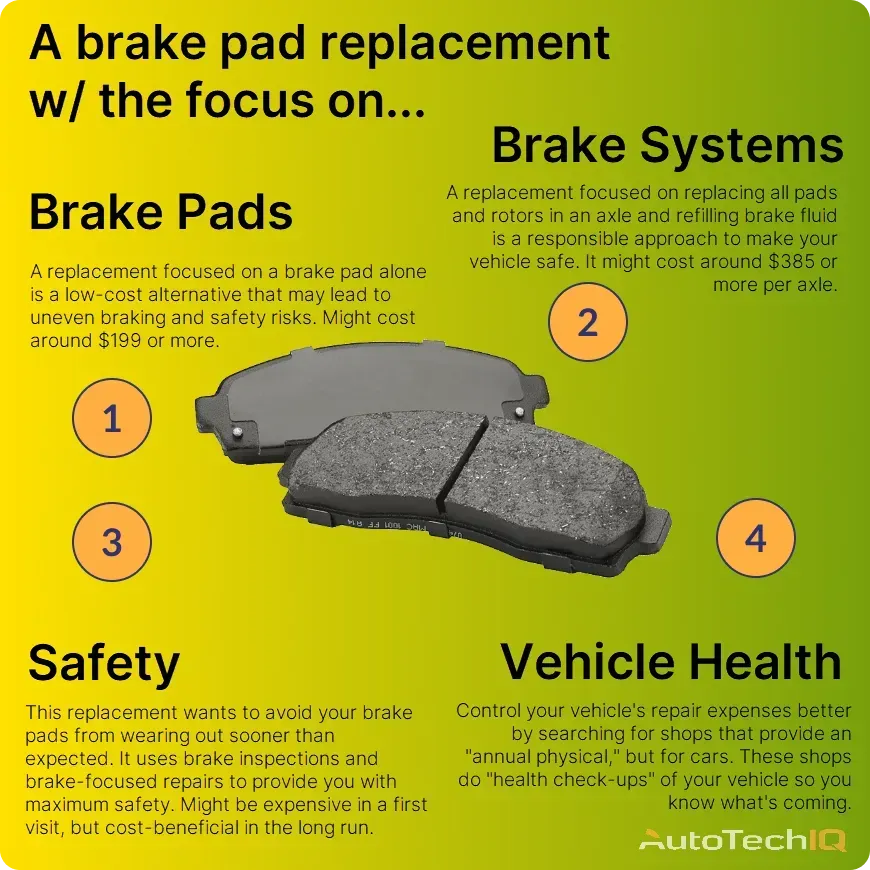
Rotors wear down with brake pads over time. Replacing both at once avoids uneven wear. It improves braking performance and safety. Sometimes rotors look fine but are too thin or warped. Check rotor condition when changing brake pads to decide if both need replacement.
Credit: www.autotechiq.com
Frequently Asked Questions
How Many Miles Before Brake Replacement Is Needed?
Brake pads typically need replacement every 30,000 to 70,000 miles. This depends on driving habits and vehicle type. Regular inspections help determine the exact timing. Worn pads reduce braking efficiency and safety.
When Should Rotors Be Replaced With Brake Pads?
Rotors usually require replacement every 50,000 to 70,000 miles. If rotors are warped or deeply grooved, replace them immediately. Replacing rotors with pads ensures optimal brake performance and safety.
Can I Replace Brake Pads Without Changing Rotors?
Yes, you can replace brake pads without changing rotors if rotors are in good condition. Check for thickness, warping, or damage. Rotors in poor shape affect braking and may need replacement.
What Factors Affect Brake And Rotor Lifespan?
Driving style, road conditions, and vehicle weight greatly affect brake and rotor lifespan. Frequent hard braking and hilly terrain cause faster wear. Regular maintenance extends their life and ensures safe driving.
Conclusion
Brake pads and rotors wear out over time with use. Typically, you should check them every 30,000 to 70,000 miles. Driving habits and road conditions affect how fast they wear. Listen for squeaking or grinding sounds as warning signs. Regular inspections keep your car safe and help avoid costly repairs.
Don’t wait until brakes feel weak or respond slowly. Staying aware of these signs protects you and others on the road. Routine maintenance ensures smooth stops and a safer drive.


