Have you ever wondered what the water pressure is like at a self-service car wash? Knowing this can make a big difference in how well you clean your car and how quickly you get the job done.
If your water pressure is too low, dirt and grime might not come off easily. Too high, and you could risk damaging your paint or trim. You’ll discover the typical water pressure you can expect, why it matters, and how to make the most of it.
Keep reading to learn the insider tips that can help you get your car looking spotless every time you visit a self-service wash.
Water Pressure Basics
Water pressure plays a key role at self service car washes. It controls how well dirt and grime wash away. Strong water pressure cleans better and faster. Low pressure may leave spots and stains. Understanding water pressure helps users get the best wash.
Water pressure depends on the pump and nozzle settings. It varies from one car wash to another. Knowing the basics helps you choose the right pressure for your car. Let’s explore how water pressure is measured and what numbers mean.
Measuring Water Pressure
Water pressure shows how hard water pushes through pipes. It is measured using a device called a pressure gauge. The gauge connects to the water line and shows the force in real time. This lets car wash owners adjust the pressure correctly.
Units Of Measurement
Water pressure is usually measured in pounds per square inch (PSI). PSI tells how many pounds of force act on one square inch of area. Some places use bars or kilopascals (kPa) instead. PSI is most common in car wash systems.
Typical Pressure Ranges
Self service car washes use water pressure from 800 to 2000 PSI. Low pressure ranges around 800 to 1200 PSI. Medium pressure is about 1200 to 1600 PSI. High pressure reaches 1600 to 2000 PSI. Each range suits different cleaning tasks.

Credit: www.axelteam.com
Standard Pressure At Self Service Car Washes
Self-service car washes use water at a specific pressure to clean vehicles effectively. The pressure must be strong enough to remove dirt but gentle enough to avoid damage. Understanding the standard pressure helps users get the best cleaning results.
Common Pressure Levels
Most self-service car washes operate between 1000 and 2000 PSI (pounds per square inch). This range balances power and safety for car surfaces. Lower pressures around 1000 PSI work well for light dirt and delicate areas. Higher pressures near 2000 PSI tackle tougher grime and mud. The pressure is enough to clean without harming paint or trim.
Variations By Equipment Type
Different equipment affects water pressure at self-service car washes. Some use electric pumps, others use gas-powered systems. Electric pumps usually offer steady pressure around 1500 PSI. Gas-powered pumps can reach higher pressures, sometimes over 2000 PSI. Adjustable pressure settings let users choose the right power for their vehicle’s needs. Wand types and nozzle sizes also influence the water flow and pressure felt during use.
Factors Affecting Water Pressure
Water pressure at a self-service car wash depends on many factors. These factors control how strong and steady the water flow is. Proper water pressure helps clean cars quickly and well. Some parts of the system affect pressure more than others. Understanding these helps explain why pressure changes.
Water Source And Supply
The type of water source affects pressure a lot. Public water systems usually have steady pressure. Private wells may have lower or uneven pressure. Water supply size also matters. A small supply can cause weak pressure. Large, constant supply keeps pressure strong and steady.
Pump Capacity
Pumps push water through the system. Their power is called capacity. High-capacity pumps create stronger pressure. Low-capacity pumps may not reach needed pressure. The pump must match the car wash size. This keeps water pressure consistent during use.
Hose And Nozzle Design
Hoses and nozzles control water flow speed. Narrow hoses reduce pressure by slowing water. Wider hoses allow more water and better pressure. Nozzle shape also impacts pressure. Some nozzles focus water into a strong jet. Others spread water out, lowering pressure.
Impact Of Pressure On Cleaning
Water pressure plays a key role in cleaning vehicles at self-service car washes. It affects how well dirt and grime come off. The right pressure makes cleaning easy and fast. Too much or too little pressure can cause problems. Understanding this impact helps users get the best clean without damage.
Effectiveness On Dirt Removal
Higher water pressure removes tough dirt better than low pressure. It breaks down mud, grease, and road grime quickly. Strong jets reach small crevices and wheels easily. Low pressure may leave some dirt behind. Proper pressure ensures the car looks clean and shiny.
Avoiding Damage To Vehicles
High pressure can harm paint and delicate parts. It may cause scratches or peel off decals. Low pressure is safe but may not clean well. Using moderate pressure protects the car’s surface. Adjust the pressure to avoid costly repairs and keep the vehicle safe.
Adjusting Pressure Settings
Adjusting pressure settings at a self-service car wash is key to a thorough clean. The right pressure removes dirt without harming your vehicle’s paint. Each wash stage needs a different water pressure level. Learning to control this helps protect your car and improves cleaning results.
User Controls
Most self-service car washes have simple pressure controls. You can change pressure using a dial or button on the machine. Some machines show pressure levels on a screen. Adjust pressure slowly to avoid damage. High pressure works best for tough dirt. Lower pressure suits delicate areas like windows.
Recommended Pressure For Different Wash Stages
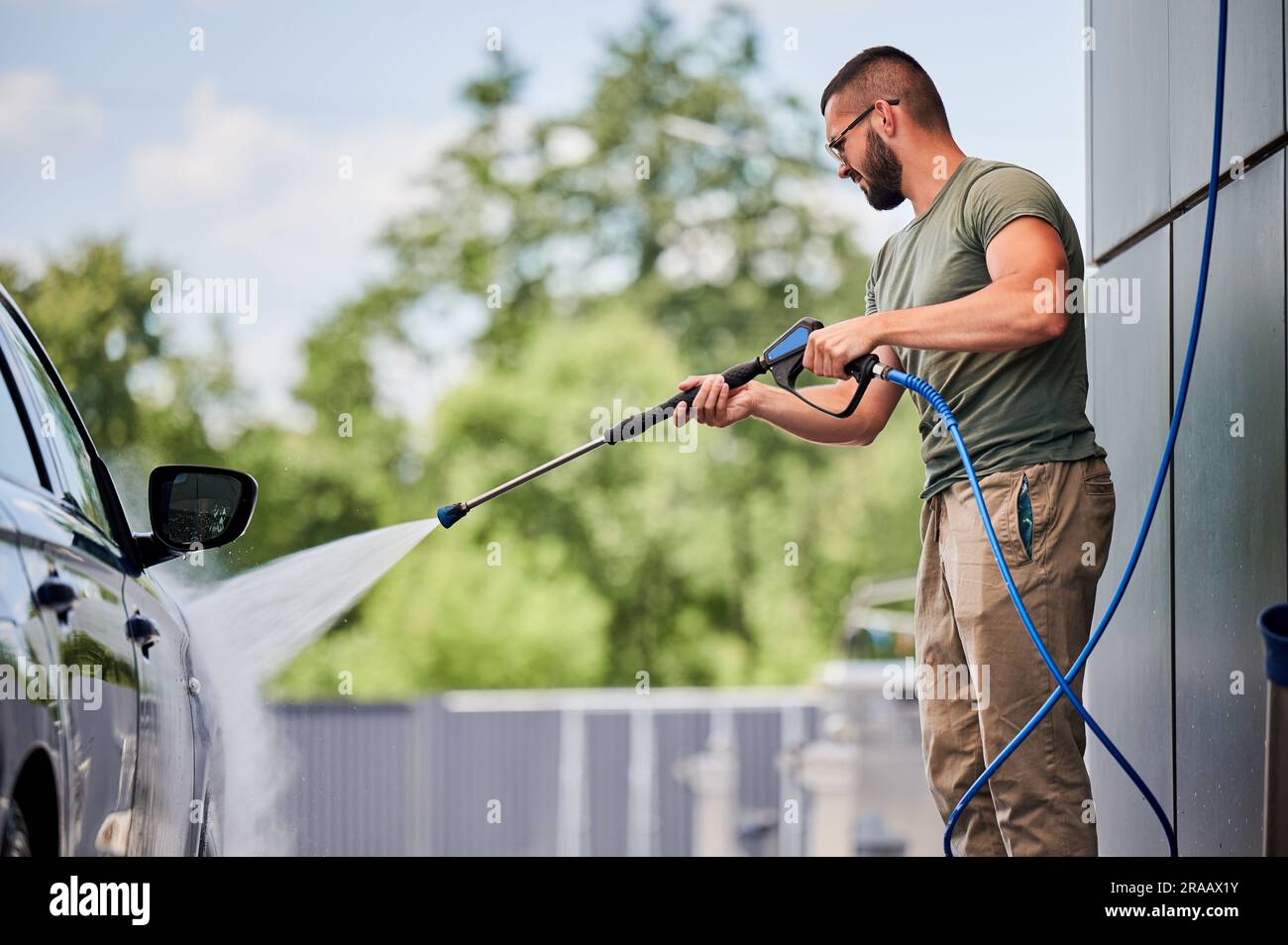
Start with low pressure during the pre-rinse stage. This removes loose dirt without splashing it around. Use medium pressure for applying soap and scrubbing. It helps soap stick and cleans better. High pressure is perfect for the final rinse. It washes away soap and grime completely. Avoid very high pressure on fragile parts like mirrors or decals.
Credit: www.alamy.com
Troubleshooting Low Pressure
Low water pressure at a self-service car wash can disrupt your cleaning process. It reduces the spray force, making it harder to remove dirt. Finding the cause is the first step to fixing it. Troubleshooting helps restore strong water pressure and improves wash quality.
Common Causes
Clogged nozzles often block water flow. Dirt and debris build up inside the spray tips. Worn-out hoses may leak or collapse, lowering pressure. Faulty pressure regulators can fail to keep steady flow. Sometimes, water supply issues from the main line cause low pressure.
Maintenance Tips
Clean nozzles regularly with a small brush or needle. Replace old hoses to prevent leaks and kinks. Check pressure regulators for damage or wear. Inspect the water supply to ensure it meets required pressure. Routine maintenance keeps water pressure strong and consistent.
Environmental And Safety Considerations
Water pressure at self-service car washes affects the environment and safety. It is important to balance cleaning power and water use. Proper pressure helps save water and protects surfaces.
Understanding environmental and safety factors keeps the car wash effective and eco-friendly. It also prevents damage to cars and equipment.
Water Conservation
Self-service car washes use less water than home washing. Controlled water pressure helps reduce waste. High pressure can use more water quickly. Low to medium pressure cleans well with less water. Many car washes recycle water to save more. Conserving water helps protect local water supplies. It also lowers utility costs for the business.
Safe Pressure Limits
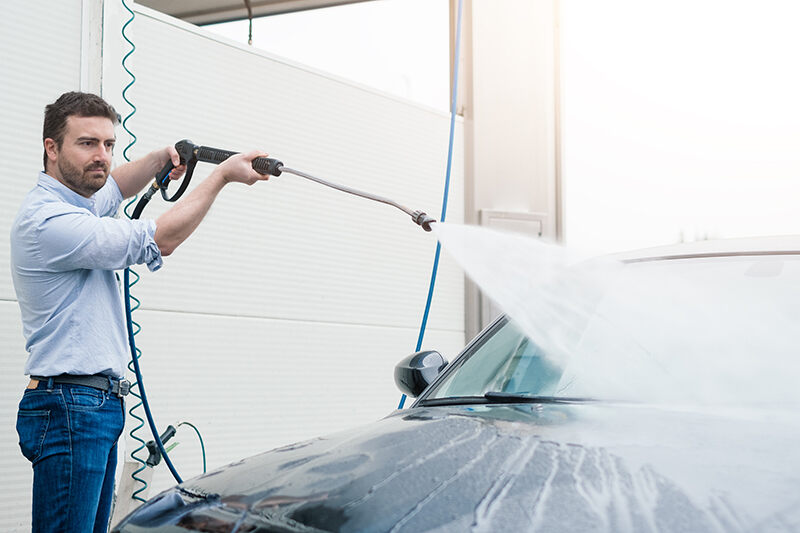
Too much pressure can damage car paint and parts. Safe pressure limits protect both vehicles and users. Most self-service car washes set pressure between 1000 and 2000 PSI. This range cleans dirt but avoids harm. Operators monitor pressure to ensure safety. Users should avoid holding the spray too close. Safe pressure prevents accidents and keeps the equipment working well.
Credit: www.carwash.com
Frequently Asked Questions
What Is The Typical Water Pressure At Self Service Car Washes?
Self service car washes usually have water pressure between 1000 and 2000 PSI. This range effectively removes dirt without damaging vehicles.
How Does Water Pressure Affect Car Wash Cleaning Quality?
Higher water pressure helps remove stubborn dirt and grime faster. Too much pressure, however, can harm paint or decals.
Can Water Pressure Vary Between Different Self Service Car Washes?
Yes, water pressure differs by location and equipment. Some stations offer adjustable settings to suit various cleaning needs.
Is High Water Pressure Safe For All Vehicle Types?
Most vehicles tolerate standard car wash pressure safely. However, delicate surfaces like antique paint require gentler settings.
Conclusion
Water pressure at self-service car washes usually ranges from 1000 to 2000 PSI. This pressure helps remove dirt and grime effectively. Too much pressure can damage your car’s paint. Too little pressure may not clean well. Always check the machine’s settings before use.
Clean your car carefully to avoid scratches. Knowing the right pressure makes your wash better. It saves time and protects your car. Next time you wash, remember these tips for a cleaner, safer experience.