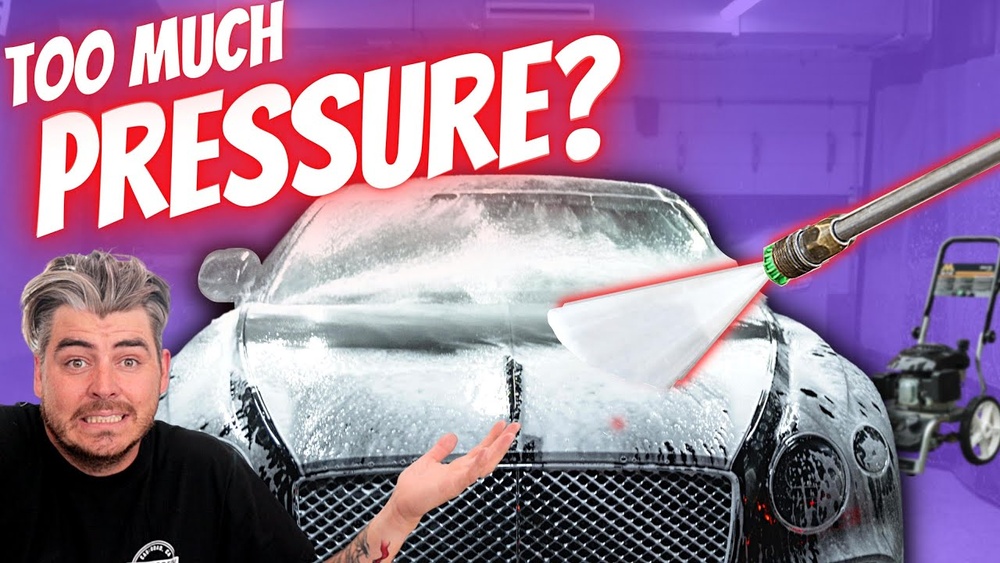
Are you curious about how much power you really need from a pressure washer to get your car spotless? Knowing the right PSI (pounds per square inch) can make all the difference between a quick, effective wash and accidentally damaging your vehicle’s paint.
You’ll discover the ideal pressure washer PSI for car washing, why it matters, and tips to get the best results every time. Keep reading to make sure your car cleaning routine is both safe and powerful!
Pressure Washer Basics
A pressure washer is a tool that uses water at high pressure to clean surfaces. It helps remove dirt, grime, and stains quickly. Understanding the basics of pressure washers is important for safe and effective use. This section explains key terms and types of pressure washers.
What Psi Means
PSI stands for Pounds per Square Inch. It measures the water pressure a washer produces. Higher PSI means stronger water force. Stronger pressure cleans tougher dirt. Low PSI is good for delicate surfaces. Choosing the right PSI depends on what you clean.
Types Of Pressure Washers
Pressure washers come in electric and gas models. Electric washers are lighter and quieter. They work well for small jobs. Gas washers are more powerful. They handle bigger tasks and outdoor use. Each type has different PSI ranges. Pick the one that fits your cleaning needs.

Credit: www.amazon.com
Psi Range For Car Washes
Understanding the psi range for car wash pressure washers helps you choose the right tool. Different psi levels serve different cleaning needs. Using the correct pressure protects your car’s paint and finishes. The psi range for car washes usually falls between 500 and 2,000 psi. This range covers gentle rinses to tougher dirt removal.
Low Pressure Settings
Low pressure settings range from 500 to 1,000 psi. This level is perfect for light cleaning tasks. It removes dust, loose dirt, and light grime without damaging paint. Low pressure is ideal for delicate surfaces like convertible tops and decals. Use low pressure for rinsing soap off your car.
Medium Pressure Settings
Medium pressure settings range from 1,000 to 1,500 psi. This pressure is good for regular car washes. It removes mud, bird droppings, and road grime effectively. Medium pressure cleans tough areas without harming the surface. It works well on wheels, bumpers, and lower panels.
High Pressure Settings
High pressure settings range from 1,500 to 2,000 psi. This pressure is for heavy-duty cleaning. It removes stubborn dirt, grease, and tar spots. High pressure cleans engine bays and undercarriages safely. Use high pressure carefully to avoid paint damage.
Choosing The Right Psi
Choosing the right PSI for a car wash pressure washer matters a lot. It affects how clean your car gets and how safe the surface stays. Too much pressure can harm the paint. Too little pressure may not clean well. Finding the balance is key.
Car Surface Materials
Different car surfaces need different pressure levels. Painted surfaces usually require lower PSI. Delicate materials like vinyl or soft plastics need gentle cleaning. Metal parts can handle a bit more pressure. Always check the material before washing.
Avoiding Damage
High PSI can strip paint or cause dents. It can also break windows or mirrors if too strong. Use moderate pressure to protect your car. Start with lower PSI and increase only if necessary. Keep the nozzle at a safe distance from the surface.
Cleaning Efficiency
The right PSI cleans dirt and grime well without damage. Too low pressure leaves stubborn dirt behind. Too high pressure wastes water and energy. Aim for a PSI that removes dirt easily while keeping the car safe. This makes washing fast and effective.
Credit: www.eveagetool.com
Common Pressure Washer Models For Cars
Choosing the right pressure washer helps clean cars safely and effectively. Different models offer various pressure levels. Understanding common pressure washer types helps pick the best one for your car wash needs.
Electric Pressure Washers
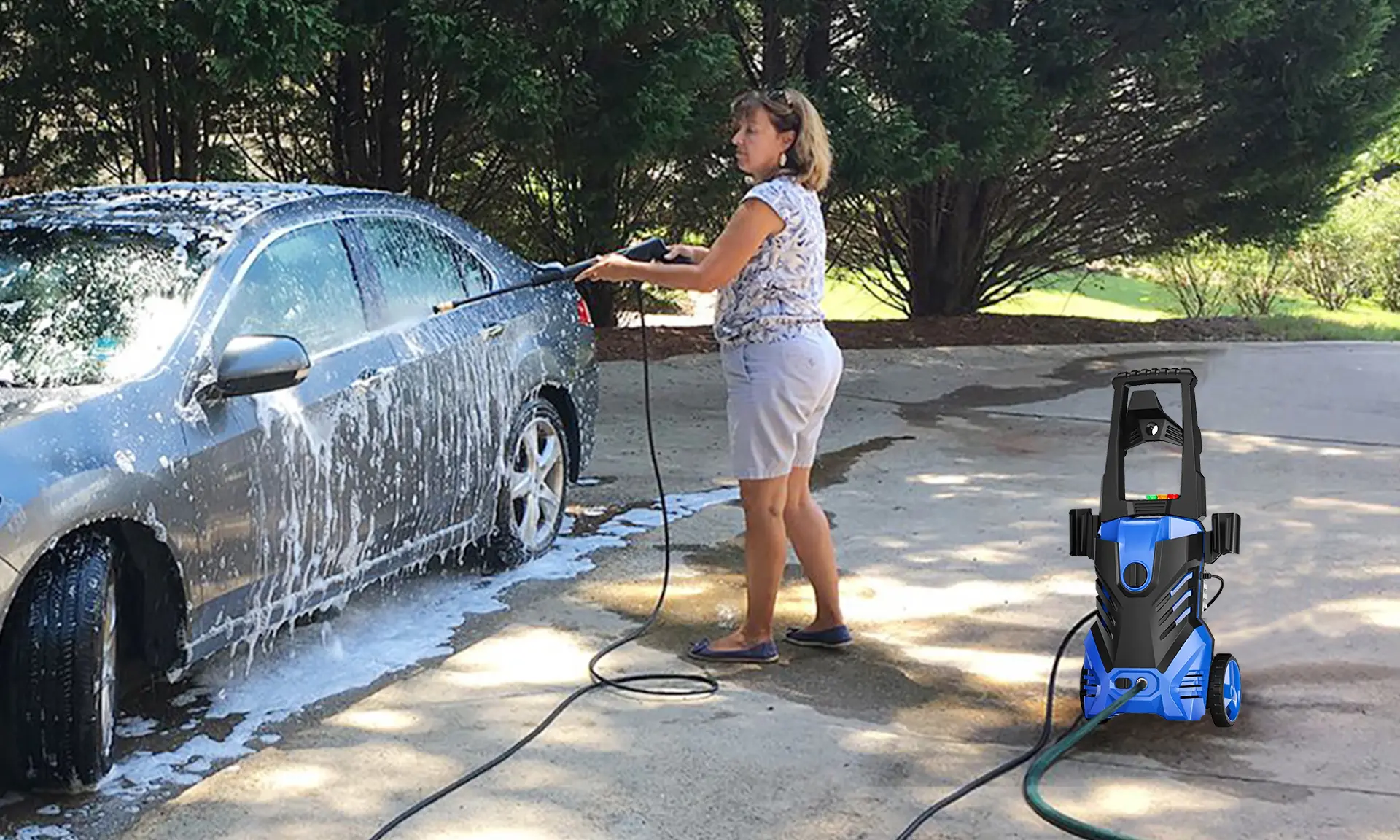
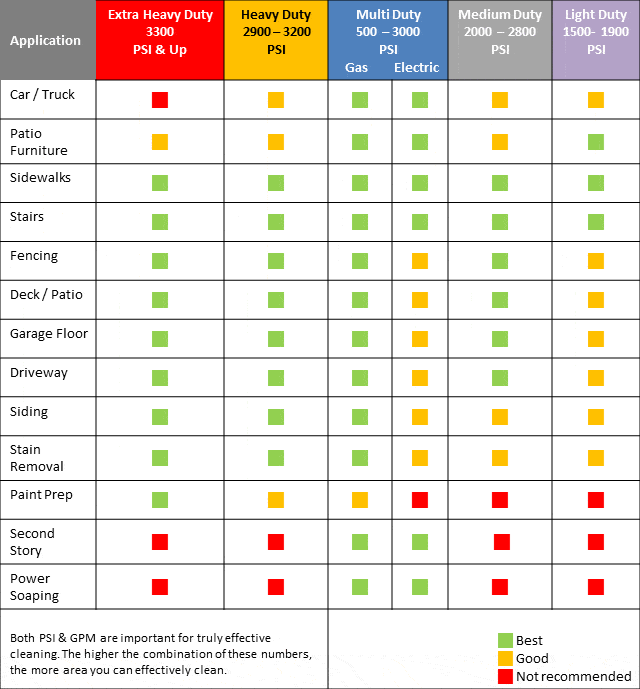
Electric pressure washers are popular for car washing. They usually produce between 1200 and 1900 PSI. This range works well to remove dirt without harming paint. These models are lightweight and easy to use. They need less maintenance and run quietly. Perfect for home use and small jobs.
Gas Pressure Washers
Gas pressure washers deliver higher pressure, often between 2000 and 3000 PSI. They handle tough dirt and grime better than electric models. These washers are heavier and louder but offer more power. Great for deep cleaning or large vehicles. Require regular maintenance like fuel and oil checks.
Tips For Safe Pressure Washing
Using a pressure washer for car washing requires care and attention. Safe pressure washing helps protect your vehicle and yourself. Follow simple tips to avoid damage and accidents.
Proper Distance And Angle
Keep the pressure washer nozzle 6 to 12 inches from the car surface. Spray at a 45-degree angle to prevent paint damage. Avoid holding the nozzle too close or directly on one spot. Move the spray steadily across the surface for even cleaning.
Using Detergents
Choose detergents made for pressure washers and cars. Mix the detergent with water as the instructions say. Apply soap at low pressure, then rinse with high pressure. Avoid harsh chemicals that can harm paint or plastic parts.
Maintenance And Safety
Check hoses, nozzles, and connections before each use. Wear protective gear like gloves and safety glasses. Never point the pressure washer at people or pets. Turn off the machine and release pressure before changing parts or storing.
Benefits Of Correct Psi Use
Using the correct PSI on a car wash pressure washer matters a lot. It affects how clean your car gets and how safe the process is. The right pressure avoids damage and saves resources. Here are some key benefits of using the correct PSI for washing your car.
Enhanced Cleaning Results
The right PSI removes dirt and grime effectively. Too low pressure leaves the car dirty. Too high pressure can damage paint or windows. Correct PSI cleans deep without hurting the surface. It reaches tough spots and removes stubborn stains well.
Prolonged Vehicle Life
Proper PSI protects your car’s paint and parts. High pressure can chip paint and cause rust. Low pressure might miss harmful dirt that wears the car down. Using the right PSI keeps your car looking new longer. It helps maintain the car’s value over time.
Water And Energy Savings
Correct PSI uses water efficiently. It cleans faster, so less water is needed. Using less water also saves energy. It reduces electricity or fuel used by the pressure washer. This helps save money and supports the environment.
Credit: pressurewashr.com
Frequently Asked Questions
What Is The Ideal Psi For A Car Wash Pressure Washer?
The ideal psi for a car wash pressure washer is typically between 1200 and 1900 psi. This range effectively cleans dirt without damaging the car’s paint or finish.
How Does Psi Affect Car Wash Pressure Washers?
Psi determines the water pressure strength. Higher psi means stronger water jets, which clean better but can harm delicate surfaces if too high.
Can Too Much Psi Damage My Car’s Paint?
Yes, pressure washers above 2000 psi can strip paint and cause damage. It’s best to use moderate psi for safe cleaning.
What Psi Should I Use For Delicate Car Parts?
Use a lower psi, around 1200 to 1500, for delicate parts like mirrors and trim to avoid damage while cleaning effectively.
Conclusion
A car wash pressure washer usually uses between 1200 and 1900 PSI. This range cleans dirt well without harming your car’s paint. Too much pressure can cause scratches or damage. Too little pressure may not remove grime effectively. Choosing the right PSI helps keep your vehicle safe and clean.
Always check your washer’s settings before use. Proper care extends the life of both your car and machine. Remember, gentle but steady pressure works best for washing cars.