

Are you planning to build or buy a garage and wondering how much space you’ll actually need? Knowing how many square feet a typical 2 car garage takes up can save you time, money, and frustration.
Whether you want enough room for your vehicles, extra storage, or a small workshop, getting the size right is key. You’ll discover the common dimensions, smart tips to maximize your space, and what to consider before making your decision. Keep reading to make sure your garage fits your lifestyle perfectly.
Standard Garage Sizes
A standard two-car garage offers enough space for two vehicles and some storage. Most homes include garages with common sizes. These sizes balance space and cost. Understanding typical garage dimensions helps in planning new builds or renovations.
Typical Dimensions
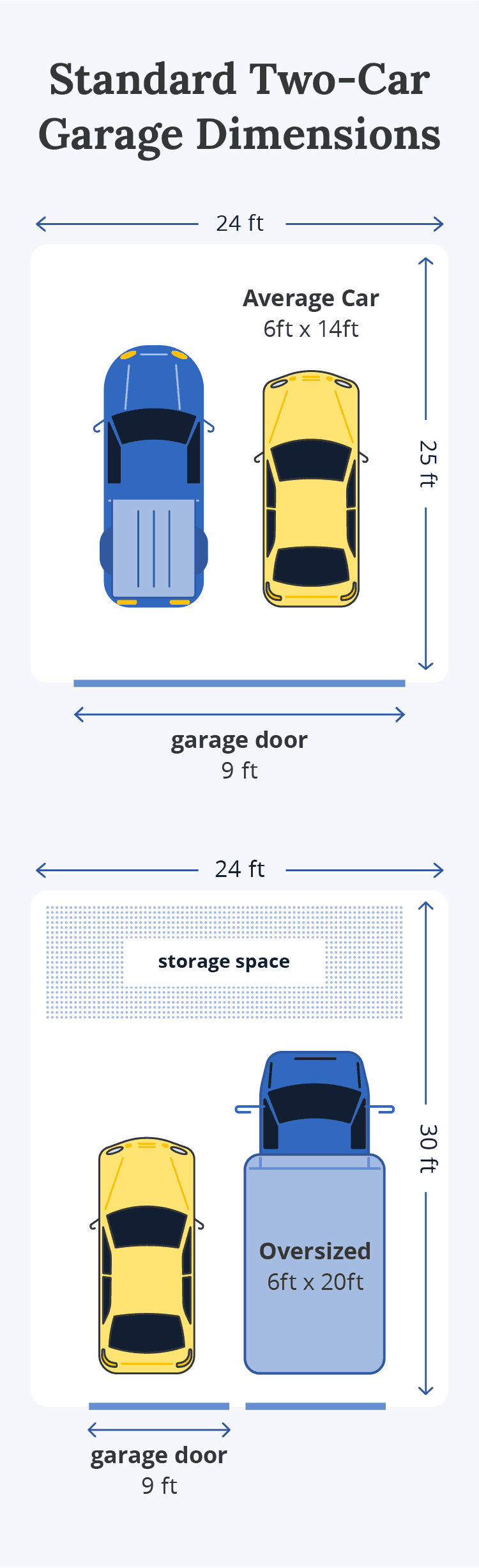
A standard two-car garage usually measures around 20 to 24 feet wide. The depth typically ranges from 20 to 24 feet. Heights often vary between 7 and 9 feet. These dimensions provide enough room to park cars comfortably. They also allow space for opening doors and some storage around the edges.
Square Footage Range
The total square footage of a typical two-car garage falls between 400 and 576 square feet. A 20 by 20 feet garage equals 400 square feet. A larger 24 by 24 feet garage reaches 576 square feet. This range covers most standard garages found in suburban homes. It offers flexibility for different car sizes and additional storage needs.
Factors Affecting Garage Size
Garage size depends on several important factors. These determine how much space you really need. Understanding these can help you plan a garage that fits your needs perfectly.
Vehicle Types
Different vehicles need different amounts of space. A compact car takes less room than a large SUV or truck. Consider the height, length, and width of your vehicles. Two small cars require less space than two large vehicles. Account for door opening space to avoid tight fits.
Storage Needs
Many garages serve more than just parking. People use them to store tools, bikes, and gardening gear. Storage shelves or cabinets take up wall or floor space. Plan extra room for seasonal items or sports equipment. More storage means a bigger garage footprint.
Additional Space Requirements
Think about extra space beyond parking and storage. You might want a workbench or hobby area. Room for a freezer or laundry machines adds to size needs. Walkways for easy movement are important too. Clear space helps avoid damage and keeps the garage safe.
Design Considerations
Design plays a big role in a typical 2 car garage. It affects how you use the space every day. Thoughtful planning helps you fit cars and storage comfortably. It also makes the garage safer and easier to move around in. Several key parts shape the overall design. These include layout, door placement, and ceiling height. Each part has a clear impact on function and feel.
Layout Options
The layout decides where cars and items go inside the garage. A common choice places cars side by side. This needs about 20 to 24 feet wide space. Another option stacks cars front to back. This needs more length but less width. Some designs add room for workbenches or shelves. Open space near the door can help with walking or moving big objects.
Door Placement
Doors let cars in and people move out easily. Many garages have two separate doors for each car. This can save space and allow flexible parking. A big single door is easier for wide vehicles. Side or back doors add quick exits and better access. Think about how doors open to avoid blocking cars or walkways.
Ceiling Height
Ceiling height affects storage and vehicle size. A standard height is about 8 feet. Taller ceilings, around 10 to 12 feet, offer more space. This helps fit tall trucks or add storage racks above. High ceilings also improve air flow and lighting. Low ceilings can feel cramped and limit what fits inside.
Custom Garage Sizes
Custom garage sizes offer more than just space for cars. They provide room to fit your needs perfectly. You can design a garage that works for parking, storage, and projects. Adjusting the size lets you make the most of your property and lifestyle.
Choosing the right size helps avoid wasted space or tight fits. It also adds value to your home by matching your requirements exactly. Custom garages let you plan your space with flexibility and style.
Expanding Width And Depth
Most two-car garages start around 20 by 20 feet. You can increase the width for bigger vehicles or extra walking space. Adding depth helps fit longer cars or trucks comfortably. Expanding these dimensions gives more freedom inside the garage.
Incorporating Workspaces
Many use their garage for more than parking. Adding a workspace creates a spot for hobbies or repairs. You can add a bench, tools, and lighting easily. A larger garage size allows room for work without blocking cars.
Adding Storage Solutions
Storage is a top priority in custom garages. Shelving, cabinets, and overhead racks keep items organized. You can plan storage to fit sports gear, gardening tools, or seasonal items. Custom sizes let you add storage without crowding the garage floor.
Cost Implications
Understanding the cost implications of building a typical 2 car garage helps plan your budget better. The size and design affect expenses. Every choice matters and impacts the final price. Let’s break down the main cost factors.
Building Expenses
Labor is a big part of the cost. Skilled workers charge hourly or by project. Site preparation can add fees, especially on uneven land. Permits and inspections are necessary expenses too. These fees vary by location and rules.
Material Choices
Materials influence both cost and durability. Concrete floors are common but vary in price. Wood framing is cheaper than steel but may need more upkeep. Roofing options also differ in cost and lifespan. Choosing affordable, quality materials saves money long term.
Long-term Value
A well-built garage adds to home value. Energy-efficient designs lower utility bills. Durable materials reduce repair costs later. Consider future needs, like storage or workspace. A smart investment now pays off over time.
Credit: alansfactoryoutlet.com
Local Building Codes
Local building codes play a key role in determining the size of a typical 2 car garage. These rules vary by area and influence the garage’s design and dimensions. Understanding these codes is essential before starting construction. They ensure safety and harmony within neighborhoods. Meeting these requirements saves time and prevents legal issues.
Zoning Restrictions
Zoning laws control land use in a community. They set limits on how large a garage can be. Some zones require a minimum distance from property lines. Others restrict the garage’s height or style. These rules protect the look and feel of the neighborhood. Checking zoning rules early helps avoid costly changes later.
Permits And Regulations
Building permits are mandatory for garage construction. They confirm the project meets local standards. Permit applications often need detailed plans and measurements. Authorities inspect the site during and after building. Following these rules prevents fines and work stoppages. Always apply for the right permits before starting work.
Safety Standards
Safety standards guard against accidents and damage. They cover structural strength and fire resistance. Electrical wiring and ventilation must meet specific codes. Proper lighting and exit routes are required too. These standards protect both the home and its occupants. Ignoring safety rules risks serious harm and penalties.
Maximizing Garage Space
Maximizing garage space helps you get the most from a typical two-car garage. This space often measures about 400 to 500 square feet. Using it well means more room for cars, tools, and storage. Smart planning makes your garage neat and useful.
Organizational Tips
Use shelves to keep items off the floor. Hooks on walls hold bikes and tools. Clear bins help you see what is inside. Label boxes for quick finding. Keep heavy items low and light ones higher. Group similar things together to save time.
Multi-use Ideas
Turn part of the garage into a workshop. Add a workbench with good lighting. Use foldable tables to save space. Create a small gym area with mats and weights. Add cabinets for hobby supplies. Make sure cars still fit comfortably.
Maintenance Advice
Clean the garage regularly to avoid clutter. Sweep floors to remove dirt and dust. Check for leaks or cracks in walls. Keep tools sharp and in good condition. Store chemicals safely away from children. Inspect lighting and replace bulbs as needed.

Credit: www.duramaxshedsdirect.com

Credit: www.jdpower.com
Frequently Asked Questions
What Is The Average Size Of A 2 Car Garage In Square Feet?
A typical 2 car garage usually measures between 400 and 600 square feet. The average size is about 20 feet wide by 20 to 24 feet deep. This space comfortably fits two standard vehicles with some room for storage or work areas.
How Much Space Is Needed For A 2 Car Garage?
You need approximately 400 to 600 square feet for a 2 car garage. This size allows easy parking and movement around vehicles. Larger garages offer extra space for storage, tools, or a small workshop.
Can A 2 Car Garage Fit Larger Vehicles?
Yes, a 2 car garage can fit larger vehicles if it’s sized around 22 to 24 feet wide. Depth should be at least 24 feet for trucks or SUVs. Custom dimensions may be needed for oversized vehicles.
Why Does Garage Size Vary For 2 Cars?
Garage sizes vary due to vehicle dimensions and homeowner needs. Some prefer extra room for storage or work areas. Local building codes and lot sizes also affect garage dimensions.
Conclusion
A typical two-car garage usually measures around 400 to 600 square feet. This size fits most cars and offers some extra space for storage. Knowing the square footage helps plan your home better. It also guides you in choosing the right garage size.
Think about your needs before deciding. This way, you get a garage that works well for you. Simple and clear.


