Have you ever wondered how many struts your car actually has? Understanding this simple part can help you take better care of your vehicle and spot potential problems early.
Whether you’re curious about your car’s suspension or want to know what makes your ride smooth and safe, knowing the number of struts is a great place to start. Keep reading, and you’ll discover how these small components play a big role in your driving experience—and why paying attention to them can save you time and money.
Role Of Struts In Suspension
Struts are a key part of a car’s suspension system. They help support the weight of the vehicle. They also absorb shocks from the road. This keeps the ride smooth and comfortable. Struts play a big role in how a car handles turns and bumps. They connect the wheels to the car’s body. This connection improves stability and control. Without struts, driving would be rough and unsafe.
Strut Functionality
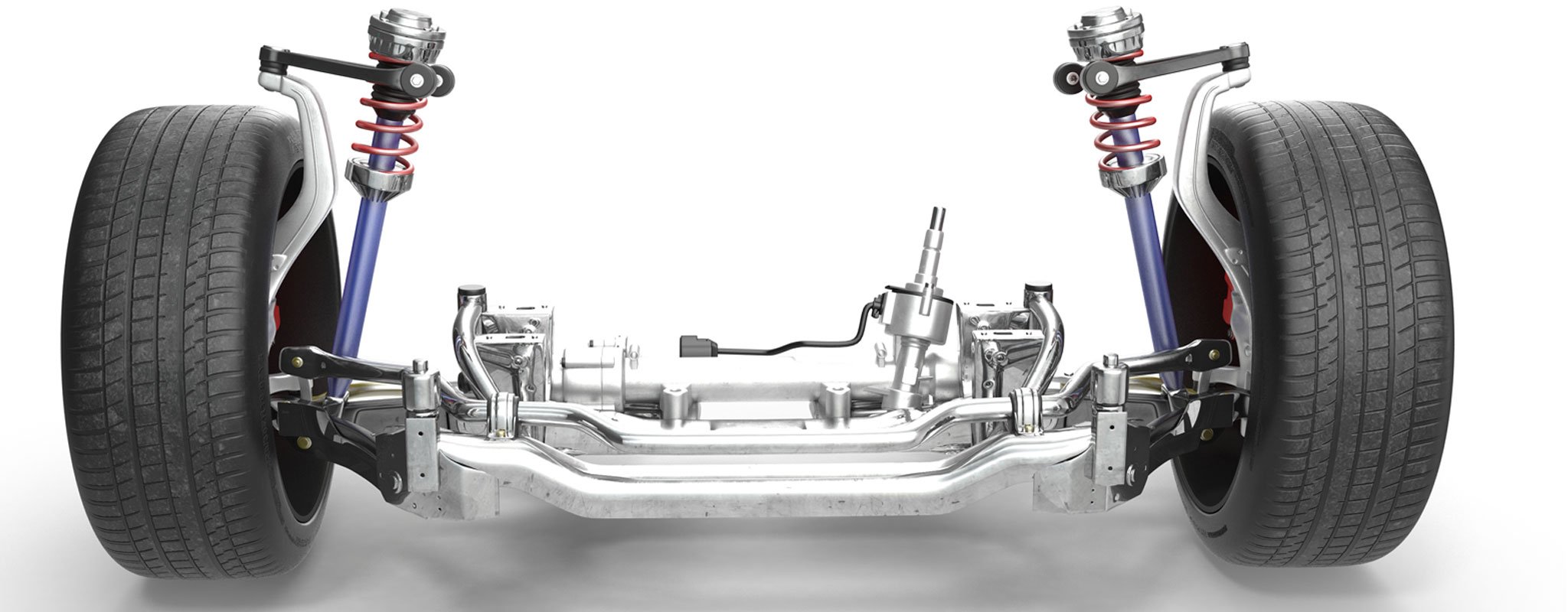
Struts combine the functions of a shock absorber and a structural part. They hold the vehicle’s weight and control spring movement. Struts absorb road impacts to reduce bouncing. They help keep tires in contact with the road. This improves braking and steering. Struts also affect the alignment of the wheels. Properly working struts enhance safety and comfort.
Struts Vs Shocks
Struts and shocks both absorb road shocks. Shocks only dampen the spring’s movement. Struts do more by supporting the vehicle’s weight. They also provide structural support to suspension. Shocks can be replaced separately from suspension parts. Struts often serve as a key suspension part. Understanding the difference helps in vehicle maintenance.
Credit: www.testingautos.com
Common Strut Configurations
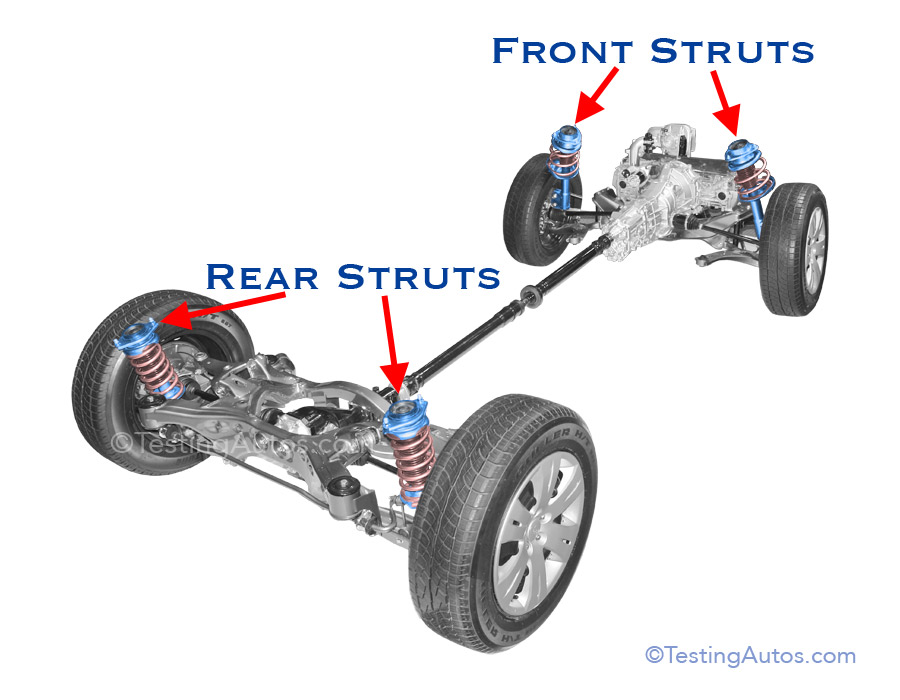
Struts play a key role in a car’s suspension system. They support the vehicle and absorb shocks from the road. Cars use different strut setups depending on design and purpose. Understanding common strut configurations helps in knowing how cars handle and stay stable.
Each car has its own way of placing struts. Front and rear setups often differ. Some vehicles use simple designs, while others have more complex arrangements. Let’s explore these common strut configurations.
Front Strut Setup
The front strut setup usually carries more load. It holds the weight of the engine and front wheels. Most cars use a MacPherson strut here. This design combines a shock absorber and coil spring. It saves space and improves steering control. Front struts also help with vehicle alignment and road grip.
Rear Strut Setup
Rear strut setups vary more than front ones. Some cars use struts similar to the front. Others have separate shock absorbers and springs. This depends on the car’s design and purpose. Rear struts support the back of the vehicle. They improve ride comfort and stability during turns.
Variations By Vehicle Type
Different vehicles use different strut types. Small cars often have simple front and rear struts. SUVs and trucks may use heavier-duty struts. Sports cars tend to have advanced strut systems for better handling. Electric cars may feature unique strut designs due to battery placement. Each type matches the vehicle’s needs for performance and comfort.
Factors Affecting Strut Quantity
The number of struts on a car depends on many factors. These parts support the vehicle’s suspension and affect ride quality. Understanding what controls strut quantity helps explain car design choices. Two main factors influence how many struts a car has: the vehicle design and the type of suspension system.
Vehicle Design And Model
Car manufacturers design vehicles with different needs. Some cars use struts on both front and rear wheels. Others only have struts at the front. The size and weight of the vehicle matter. Larger cars may need more struts for stability. Small cars often use fewer struts to save space and cost. The model year and brand also affect strut numbers. Sports cars might have special setups with more struts. Family cars focus on comfort, sometimes using fewer struts.
Suspension System Types
Not all cars use the same suspension system. Struts are common in MacPherson strut setups. This system combines a shock absorber and spring in one unit. It usually requires two or four struts, depending on the car. Other systems use separate shocks and springs. These cars might have fewer or no struts at the rear. Some luxury vehicles use air suspension or multi-link setups. These often do not rely on struts at all. Suspension design plays a big role in strut quantity and placement.

Credit: www.jdpower.com
Signs Of Worn Or Damaged Struts
Struts play a key role in your car’s suspension system. They help absorb shocks and keep the vehicle steady. Worn or damaged struts can cause many problems. Knowing the signs helps you fix issues early. This keeps your ride safe and smooth.
Handling And Ride Issues
Worn struts make your car hard to control. The vehicle may sway or lean on turns. You might feel bumps more strongly. The ride becomes rough and uncomfortable. Braking distance can increase too. These problems mean the struts are not working well.
Visual Inspection Tips
Check the struts for leaks or dents. Oil stains on the strut body show damage. Look for worn or broken mounts and bushings. Tires may wear unevenly if struts fail. Notice any rust or cracks on parts. These signs point to strut problems needing repair.
Strut Maintenance And Replacement
Strut maintenance and replacement are important for your car’s safety and comfort. Struts help control the car’s movement and absorb shocks from the road. Over time, struts wear out and lose their effectiveness. Regular checks keep your car smooth and safe to drive.
Knowing when to replace struts can save you from bigger problems. Worn struts affect steering and braking. Timely replacement keeps the car stable and improves ride quality.
When To Replace Struts
Signs of worn struts include a bumpy ride and poor handling. Listen for clunking noises when driving over bumps. Notice if the car leans or sways more than usual. Uneven tire wear also points to bad struts. Most struts last about 50,000 miles but check your car’s manual for details.
Diy Vs Professional Service
Replacing struts requires special tools and skills. DIY can save money but is risky without experience. Incorrect installation may cause more damage or unsafe driving. Professionals have the right tools and knowledge for safe repairs. They also inspect related parts to ensure full system health.
Credit: www.lesschwab.com
Upgrading And Choosing Struts
Choosing the right struts for your car can improve ride comfort and handling. Upgrading struts means picking parts that fit your driving needs. It also means understanding different types and qualities available. Proper strut selection helps keep your car safe and stable on the road.
Aftermarket Options
Aftermarket struts come in many styles and prices. Some are cheaper but may not last long. Others offer better build quality than original parts. Check reviews and brands before buying. Make sure the struts fit your car model exactly. Installation is easier with the right fit. Choose parts that match your budget and driving style.
Performance Considerations
Performance struts improve handling and control during driving. They reduce body roll and improve cornering. Some struts are designed for smooth daily rides. Others focus on sports or off-road driving. Consider your usual road conditions and speed. High-performance struts may wear faster on rough roads. Balance comfort and control to find the best fit.
Frequently Asked Questions
How Many Struts Does A Typical Car Have?
Most cars have four struts, one at each wheel. Some vehicles use struts only on the front suspension. The number can vary based on the car model and design.
Why Do Cars Use Struts Instead Of Shocks?
Struts combine suspension and steering functions. They save space and improve vehicle handling. Many modern cars use struts for better ride quality.
Can A Car Run Safely With A Broken Strut?
Driving with a broken strut is unsafe. It affects handling, braking, and tire wear. Repair or replace damaged struts immediately for safety.
Are Front And Rear Struts Different In Cars?
Yes, front and rear struts differ in design. Front struts usually handle steering, while rear struts focus on support. Each has specific roles in suspension.
Conclusion
Most cars have two or four struts, depending on design. Front wheels usually have struts for steering and support. Some cars also use struts on the rear for stability. Struts help absorb bumps and keep the ride smooth. Knowing how many struts your car has helps with maintenance.
Regular checks keep your car safe and comfortable. Struts wear out over time and need replacement. Simple to understand, but important for every driver. Keep this in mind when checking your vehicle’s suspension system.