

Have you ever wondered how many times you can resurface your brake rotors before it’s time to replace them? If you want to keep your car safe and save money, knowing the right answer is crucial.
Resurfacing can restore your rotors and improve braking, but doing it too often can put you at risk. You’ll discover the key factors that determine how many times resurfacing is safe, so you can make smart decisions for your vehicle.
Keep reading to find out exactly when resurfacing helps and when it’s better to get new rotors.
Why Resurface Brake Rotors
Resurfacing brake rotors helps keep your braking system safe and effective. Over time, rotors wear out or get uneven. Resurfacing smooths the rotor surface by removing a thin layer of metal. This process restores the rotor’s flatness and removes minor damage. It can extend the life of your rotors and improve brake performance.
Benefits Of Resurfacing
Resurfacing saves money by avoiding new rotor purchases. It improves braking by removing rough spots and warping. The process reduces vibrations and noise during braking. Resurfaced rotors help brake pads wear evenly. It also keeps your vehicle’s stopping power consistent and reliable.
Common Signs Of Rotor Wear
Brake pedal vibration or pulsing indicates rotor unevenness. You might hear squealing or grinding noises when braking. Visible grooves or scoring on rotor surfaces show wear. Longer stopping distances can signal rotor problems. If your steering wheel shakes while braking, rotor wear may be the cause.
Materials And Rotor Types
Brake rotors come in different materials and types. Each type affects how many times you can resurface them. Knowing the material helps decide if resurfacing is possible or safe. Some rotors handle resurfacing better than others.
Cast Iron Rotors
Cast iron rotors are the most common type. They are strong and handle heat well. Resurfacing cast iron rotors is usually safe. You can resurface them several times before replacement is needed. Each time, a thin layer is removed to smooth the surface.
Too many resurfacings can make the rotor too thin. Thin rotors can overheat and crack. Always check the minimum thickness before resurfacing. Cast iron rotors are easy to work with in most repair shops.
Composite And Coated Rotors
Composite rotors have layers of different materials. They are lighter but less common. Coated rotors have a protective layer to prevent rust. These rotors need special care during resurfacing.
Resurfacing composite or coated rotors often removes the protective layers. This can reduce their lifespan. Many manufacturers advise against resurfacing these types. Instead, replacement is usually the better choice.
Always check the rotor’s specifications. Follow the recommended maintenance to keep brakes safe.
Manufacturer Limits On Resurfacing
Manufacturers set strict limits on how many times you can resurface brake rotors. These rules help keep your brakes safe and working well. Ignoring these limits can cause serious problems. It is important to follow the guidelines to avoid risks on the road.
Minimum Thickness Specifications
Each brake rotor has a minimum thickness limit. This is the thinnest it can be after resurfacing. The limit is usually stamped on the rotor or found in the manual. If the rotor is thinner than this, it cannot be resurfaced again. Thin rotors may crack or warp easily. This can cause brake failure.
Impact On Vehicle Safety
Resurfacing beyond the set limits weakens the rotor. Thin rotors heat up faster and lose strength. This reduces the braking power and increases stopping distance. It also raises the chance of brake fade during long drives. Unsafe rotors put drivers and passengers at risk. Following manufacturer limits keeps your vehicle safe and reliable.
Factors Affecting Resurfacing Frequency
Several factors influence how often brake rotors can be resurfaced. These factors affect the rotor’s wear, thickness, and overall condition. Knowing these helps maintain safe braking and extends rotor life. Two main factors to consider are driving habits and rotor quality.
Driving Habits And Conditions
Hard braking wears rotors faster. Frequent stops in city traffic increase rotor heat and wear. Driving on steep hills puts more stress on brakes. Smooth and gentle braking helps rotors last longer. Road conditions also matter. Rough or dusty roads can cause rotor damage. Clean roads reduce wear and tear on brake parts.
Rotor Quality And Maintenance
High-quality rotors resist wear better than cheap ones. Some rotors have coatings that protect against rust. Proper maintenance keeps rotors in good shape. Regular brake checks can catch problems early. Worn brake pads can damage rotors quickly. Changing pads on time helps rotors last longer. Rotors that are too thin cannot be resurfaced safely.
Signs You Should Replace Instead
Knowing when to replace brake rotors is key to safe driving. Some signs mean resurfacing is not enough. Recognizing these signs helps avoid bigger problems. Rotors wear out over time and may need replacement. Watch for clear warning signs.
Warping And Cracks
Warped rotors cause vibrations while braking. You may feel shaking in the steering wheel. Cracks on the rotor surface are dangerous. They weaken the rotor’s strength. Resurfacing cannot fix deep cracks or severe warping. Replace the rotor to ensure safety.
Excessive Thickness Removal
Rotors have a minimum thickness limit. Removing too much material weakens the rotor. Thin rotors overheat easily and wear faster. Measure thickness before resurfacing. If below minimum, replacement is necessary. Resurfacing too often reduces rotor life.

Credit: goodcar.com
Steps To Properly Resurface Rotors
Properly resurfacing brake rotors improves braking and extends rotor life. This process follows clear steps. Each step matters for safety and performance. Understanding these steps helps you know what happens during resurfacing.
Below are the key steps to properly resurface rotors. They include inspection and machining techniques. Both steps ensure rotors work well after resurfacing.
Inspection Process
First, check the rotor thickness with a micrometer. This tells if the rotor is too thin to resurface. Measure the rotor at several points. Look for cracks, deep grooves, or warping.
Inspecting ensures the rotor can be safely machined. If damage is severe, replace the rotor instead of resurfacing. A good inspection avoids brake problems later.
Machining Techniques
Machining smooths the rotor surface to remove wear marks. Use a lathe designed for brake rotors. The lathe cuts a thin layer off the rotor face.
Keep cuts light to avoid removing too much material. The goal is a flat, even surface. After machining, clean the rotor to remove metal dust.
Proper machining restores rotor balance and improves brake pad contact. This leads to better stopping power and less vibration.
Alternatives To Resurfacing
Brake rotors wear out over time. Resurfacing is one way to fix them. But rotors can only be resurfaced a few times safely. Alternatives exist for better results and safety. Exploring these options helps you choose the best path for your vehicle.
Replacing With New Rotors
New rotors provide a fresh surface for brake pads. They improve braking performance and safety. Replacement stops issues from deep grooves or warping. It also ensures even thickness and better heat dissipation. New rotors cost more but last longer and require less maintenance.
Upgrading To Performance Rotors
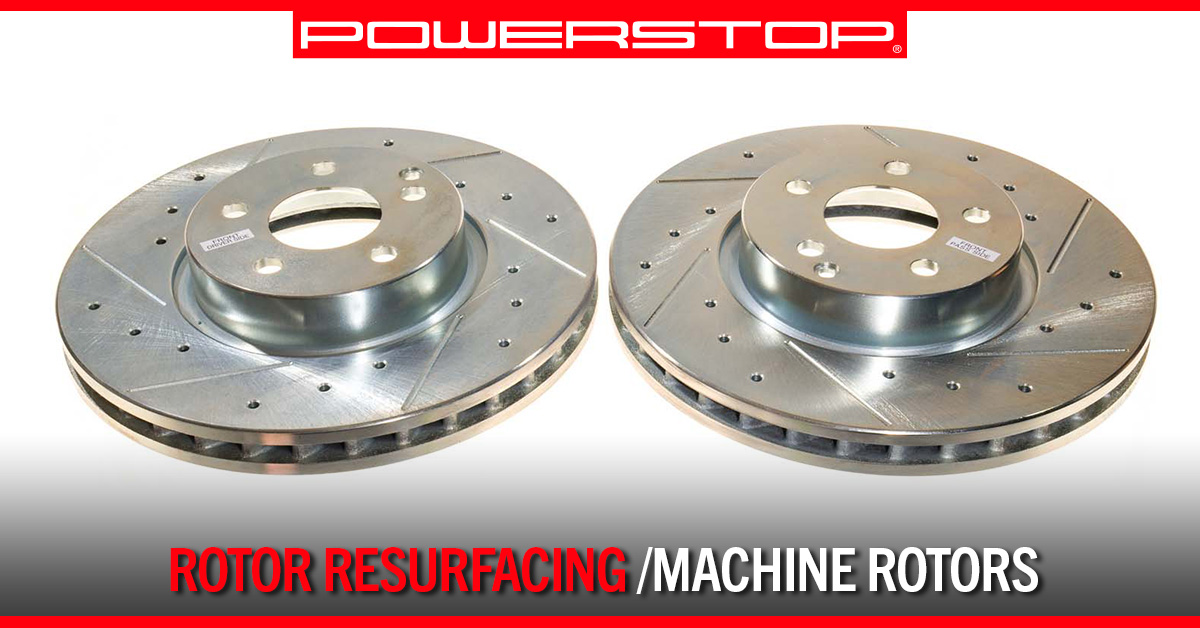
Performance rotors offer enhanced features for stronger braking. They include designs like slotted or drilled patterns. These help cool the brakes faster and reduce fade. Upgrading suits drivers who want better control or drive in tough conditions. Performance rotors can extend rotor life and improve overall brake feel.
Credit: www.powerstop.com
Cost Comparison: Resurfacing Vs. Replacement
Choosing between resurfacing brake rotors and replacing them affects your wallet. Both options serve to fix rotor issues but differ in cost and durability. Understanding these differences helps decide the best choice for your vehicle and budget.
Short-term Savings
Resurfacing brake rotors costs less upfront than buying new ones. The process smooths the rotor surface, fixing minor damage. It avoids the expense of new parts. Labor is usually quicker, saving you money on service fees. This option suits vehicles with rotors in good shape but needing a refresh.
Long-term Considerations
Replacement rotors last longer than resurfaced ones. Resurfacing removes material, shortening rotor life each time. Old rotors may develop cracks or warping later. New rotors ensure better performance and safety. Over time, replacements can be more cost-effective despite higher initial cost.

Credit: www.youtube.com
Frequently Asked Questions
How Many Times Can Brake Rotors Be Resurfaced?
Brake rotors can usually be resurfaced 1-2 times. Excessive resurfacing thins the rotor, risking brake performance and safety. Always check the rotor thickness against manufacturer limits before resurfacing.
When Should You Stop Resurfacing Brake Rotors?
Stop resurfacing when rotors reach minimum thickness. Thin rotors may warp or crack, causing brake failure. If rotors are below specs, replace them instead of resurfacing for safety.
Does Resurfacing Brake Rotors Improve Braking?
Resurfacing removes surface imperfections, improving brake pad contact. This can reduce vibrations and noise, enhancing braking performance. However, resurfacing cannot fix deep damage or excessive rotor wear.
Can Resurfacing Damaged Rotors Be Dangerous?
Yes, resurfacing overly worn rotors can be unsafe. Thin rotors overheat and warp easily, compromising braking. Always inspect rotor thickness and damage before deciding to resurface.
Conclusion
Brake rotors can only be resurfaced a few times before they wear out. Each resurfacing removes some metal, making rotors thinner. Thin rotors may cause brake problems or fail safety checks. Always check rotor thickness before resurfacing. Sometimes, replacing rotors is safer and better for your car.
Proper brake care keeps your vehicle safe on the road. Regular inspections help decide when to resurface or replace. Take care of your brakes to drive with confidence.


