Have you ever wondered how a car wash cleans your vehicle so quickly and effectively? One key factor is the pressure it uses to blast away dirt and grime.
But what pressure does a car wash actually use, and why does it matter for your car’s paint and finish? Understanding this can help you choose the right car wash and keep your vehicle looking its best. Keep reading, and you’ll discover the surprising truth behind car wash pressure and how it affects your ride.
Credit: www.simoniz.uk
Car Wash Pressure Basics
Pressure plays a key role in cleaning cars effectively. It helps remove dirt, grime, and stains from the surface. Understanding the pressure used in car washes can help you choose the right service or equipment.
Too much pressure can damage paint and delicate parts. Too little pressure may not clean well. Finding the right balance is important for safe and good cleaning results.
Measuring Pressure In Car Washes
Pressure in car washes is measured by how strong the water pushes against the car. Machines use pumps to increase this force. The pressure shows how much water force hits the car surface.
Technicians use tools like pressure gauges to check this force. This ensures the machine sprays water with the right power. Proper measurement keeps the wash safe and effective.
Common Pressure Units
The common unit for pressure is pounds per square inch, or PSI. It tells how many pounds of force act on one square inch of area. Car washes usually use pressures between 1000 and 2000 PSI.
Other units include bars and kilopascals (kPa). One bar equals about 14.5 PSI. Kilopascals are used in some countries instead of PSI. Knowing these units helps understand pressure ratings easily.
Typical Pressure Levels
Car washes use different pressure levels to clean vehicles effectively. The pressure must be strong enough to remove dirt but gentle to avoid damage. Typical pressure levels vary depending on the type of car wash and the equipment used.
Understanding these pressure levels helps you choose the right car wash or equipment for your needs. Here are the common pressure ranges you will find.
Standard Home Car Wash Pressure
Home car wash pressure usually ranges from 1,200 to 2,000 PSI (pounds per square inch). This level is safe for most car surfaces. It removes dirt, mud, and light grime without harming paint or trim. Many electric pressure washers fall into this category. They are easy to use and affordable for everyday cleaning.
Commercial Car Wash Pressure
Commercial car washes use higher pressure levels, typically between 2,000 and 3,000 PSI. This stronger pressure cleans vehicles faster and more thoroughly. It handles tough dirt and grime found on cars that are not cleaned often. The equipment is more powerful and built for heavy use. Operators adjust pressure to protect the vehicle’s finish.
High-pressure Washers
High-pressure washers go above 3,000 PSI. These are used for deep cleaning and removing stubborn stains. They are common in industrial or fleet vehicle cleaning. High pressure can damage car paint if not used carefully. Trained professionals usually operate these machines. They know how to balance pressure and cleaning power.
Pressure Impact On Cleaning
Pressure plays a key role in how well a car wash cleans your vehicle. It helps remove dirt, grime, and stains from the surface. The right amount of pressure makes cleaning fast and effective. Too little pressure leaves dirt behind. Too much pressure can cause damage. Understanding pressure impact helps you choose the best car wash method.
How Pressure Affects Dirt Removal
Pressure pushes water and soap against the car’s surface. This loosens dirt stuck on paint, wheels, and windows. Higher pressure can break up tough mud and grease. It reaches small cracks and crevices where dirt hides. Low pressure often misses these spots, leaving the car less clean. The right pressure level clears away grime without extra effort.
Pressure And Surface Safety
High pressure can scratch or chip paint. It may damage decals and trim parts. Soft surfaces need gentler cleaning to stay safe. Car washes use pressure settings designed to protect the vehicle. They balance strong cleaning power with surface care. Using the correct pressure keeps the car looking good longer.
Choosing The Right Pressure
Choosing the right pressure for a car wash is key. It helps clean your vehicle well without causing damage. Too much pressure can hurt the paint or windows. Too little pressure may leave dirt behind. Finding the perfect balance keeps your car safe and shiny.
Matching Pressure To Vehicle Type
Different vehicles need different pressures. Small cars need less pressure than big trucks. Older cars with worn paint require gentle cleaning. Newer cars can handle stronger pressure. Always check your vehicle’s manual for pressure limits. Use softer pressure for delicate parts like mirrors and headlights.
Adjusting Pressure For Different Dirt Levels
Light dirt needs low pressure to avoid damage. Heavy mud or grime calls for higher pressure. Start with low pressure and increase if needed. Use a wide spray pattern to avoid focused force. For stubborn spots, hold the spray a little closer but don’t stay too long. This method cleans well and protects the surface.
Pressure And Water Flow Rate
Pressure and water flow rate are key factors in car washing. They work together to clean your car effectively. Pressure removes dirt, while water flow rinses away grime. Understanding their roles helps explain how car washes clean so well.
Role Of Water Flow In Cleaning
Water flow means how much water moves through the wash system. A strong flow washes away loose dirt and soap. It also helps rinse off cleaning agents quickly. Without enough water flow, dirt stays on the car’s surface.
Balancing Pressure And Flow
High pressure alone can damage paint or leave spots. Too much water flow wastes water and energy. The best car wash finds the right balance. Moderate pressure removes tough dirt. Steady water flow rinses and protects the car’s surface.
Equipment And Pressure Settings
Car washes use special equipment with specific pressure settings. These settings ensure cars get clean without damage. Understanding the equipment and pressure helps explain how car washes work effectively.
Types Of Pressure Washers
Car washes use different pressure washers. Some use electric pressure washers with lower pressure. Others use gas-powered washers with higher pressure. The pressure usually ranges from 1,200 to 2,500 PSI. Lower pressure cleans dirt gently. Higher pressure removes tough grime and mud. Automatic car washes often use mid-range pressure. Hand car washes may use adjustable pressure washers. This allows control based on the car’s surface.
Nozzle Options And Effects
Nozzles change the water spray angle and pressure. A narrow nozzle creates a strong, focused spray. It removes stubborn dirt but can harm paint if too close. A wide nozzle spreads water over a larger area. It cleans gently and reduces risk of damage. Some nozzles mix water with soap for better cleaning. Others adjust the spray pattern from a fan to a pinpoint. Car wash operators choose nozzles based on the dirt type and car surface. Correct nozzle use protects the vehicle and improves cleaning results.
Avoiding Damage With Proper Pressure
Using the right pressure during a car wash keeps your vehicle safe. Too much pressure can harm the paint and parts. Proper pressure cleans well without causing damage. Understanding safe pressure levels helps you protect your car’s finish and details.
Risks Of Excessive Pressure
High pressure can strip paint from your car’s surface. It may also cause dents and scratches. Sensitive parts like mirrors and antennas can break. Excessive pressure pushes dirt into the paint, causing more harm. Over time, damage lowers your car’s value and appearance.
Tips For Safe Pressure Use
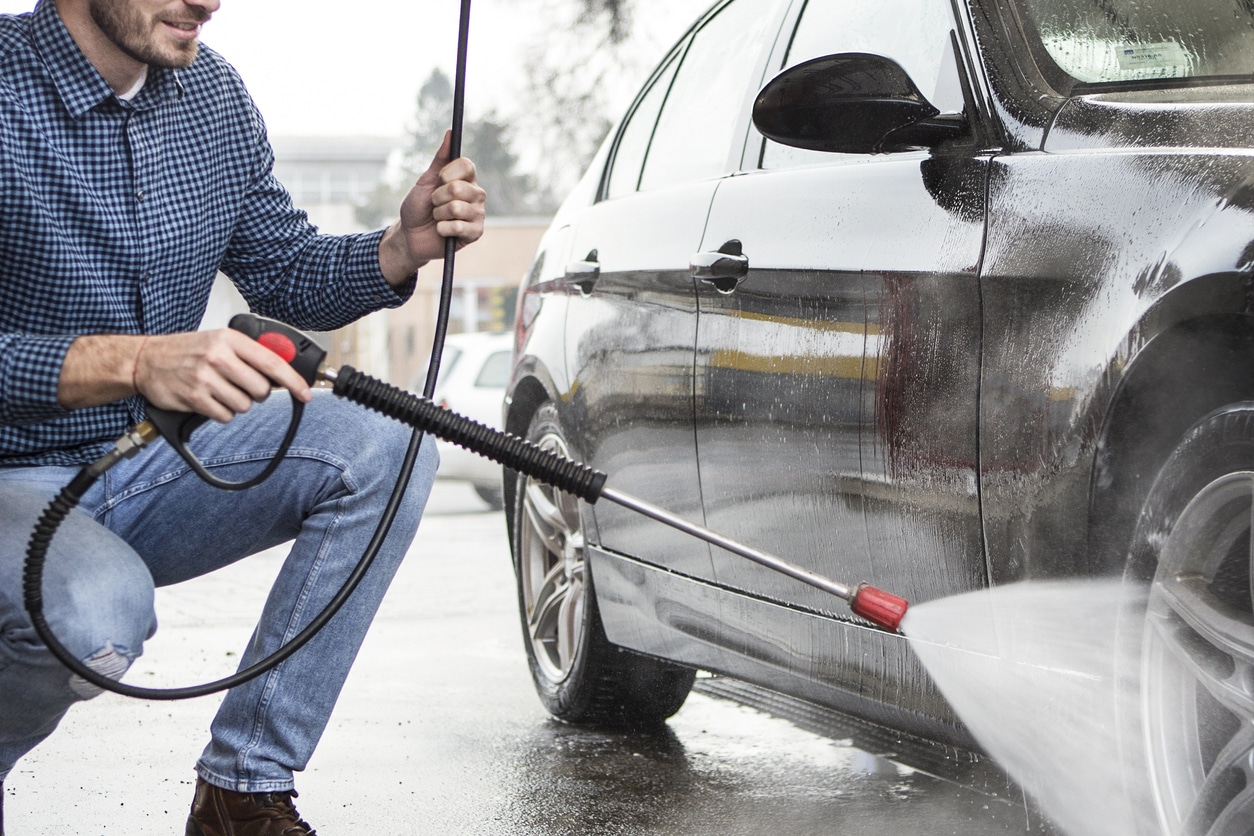
Use a pressure washer with a setting below 1,500 PSI. Keep the nozzle at least 12 inches from the car. Avoid pointing the spray directly at fragile parts. Use wide spray patterns instead of narrow jets. Test pressure on a small area before washing the whole car.
Credit: washh.com
Enhancing Cleaning With Detergents
Detergents play a key role in car washing. They help break down dirt, grease, and grime on the vehicle’s surface. Using the right detergent with proper pressure improves cleaning results. This section explains how pressure and soap work together for a clean car.
Pressure And Soap Compatibility
Not all soaps work well with every pressure level. High pressure can cause some detergents to foam too much or spray off quickly. Low pressure may not spread the soap evenly. Choose soaps designed for use with pressure washers. These soaps mix well and clean better without wasting detergent.
Some detergents protect paint and remove tough stains. Others are better for general cleaning. Always check the soap label for pressure limits. Using the right combo of pressure and soap improves cleaning without damaging the car.
Best Practices For Soap Application
Apply soap at low pressure first. This lets the detergent stick to the surface and break down dirt. Let the soap sit for a few minutes but don’t let it dry. Rinse with higher pressure to remove soap and grime.
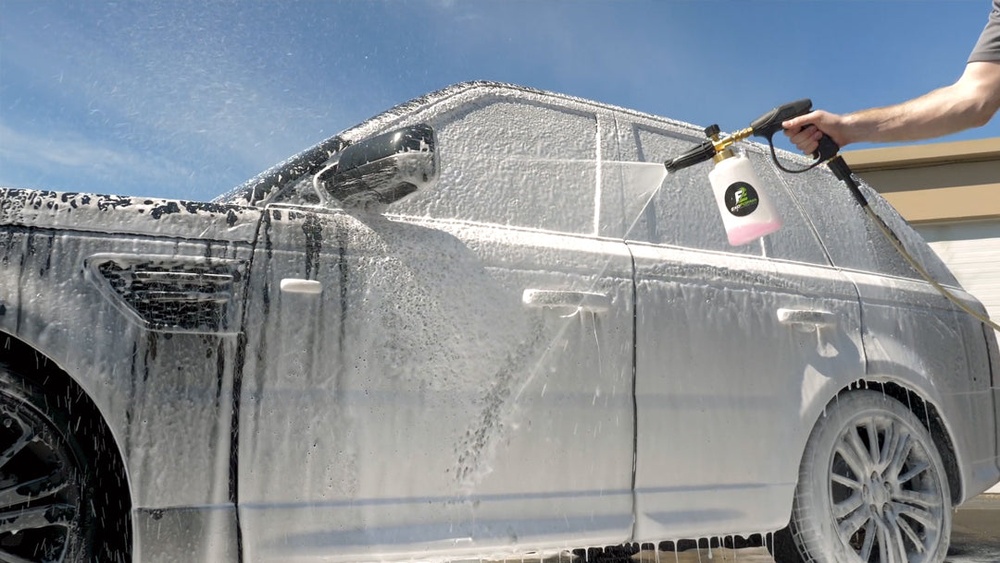
Use a foam cannon or soap dispenser for even coverage. Avoid applying soap in direct sunlight to prevent quick drying. Clean one section at a time for best results. Proper soap use saves water and protects the car’s finish.

Credit: www.youtube.com
Frequently Asked Questions
What Pressure Is Used In Automatic Car Washes?
Automatic car washes typically use water pressure between 1200 and 1800 PSI. This range effectively cleans without damaging the vehicle’s paint or windows.
How Does Pressure Affect Car Wash Cleaning?
Higher pressure removes dirt and grime faster but may risk paint damage. Moderate pressure balances thorough cleaning with vehicle safety.
Can High Pressure Damage My Car’s Paint?
Yes, excessive pressure over 2000 PSI can chip or scratch paint. Professional car washes use safe pressures to protect your car’s finish.
What Pressure Do Handheld Car Wash Tools Use?
Handheld pressure washers usually operate between 1000 and 2500 PSI. Users must adjust pressure carefully to avoid harming the car’s surface.
Conclusion
Car washes use pressure levels that clean without harming your car. Usually, the pressure ranges from 1200 to 1900 PSI. This is strong enough to remove dirt but gentle on paint. Too much pressure can cause damage. Too little pressure may leave grime behind.
Knowing the right pressure helps keep your car shiny and safe. Next time you wash, remember pressure matters. It makes a big difference in cleaning results. Choose wisely for the best car wash experience.