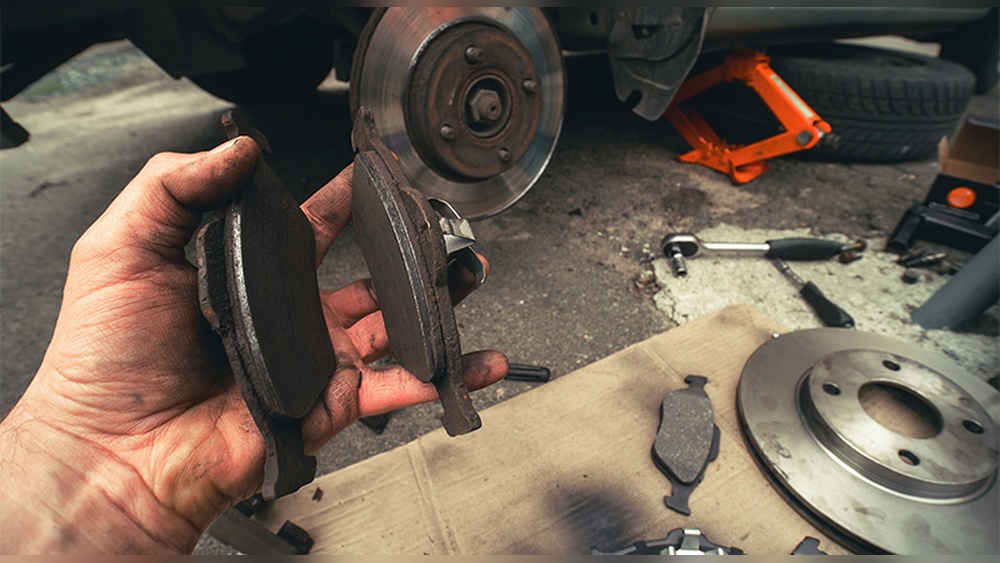
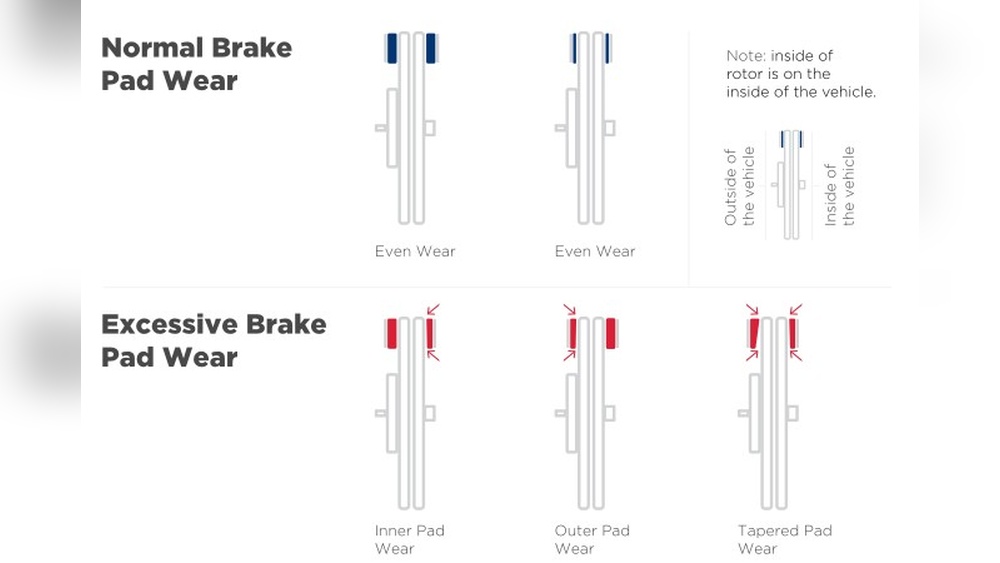
Are you wondering how much it will cost to replace your brake pads, rotors, and calipers? If your brakes are making noise, feeling less responsive, or showing signs of wear, it’s important to know what to expect before you head to the shop.
Understanding the price range for these critical parts can help you avoid surprises and make smarter decisions about your car’s safety. Keep reading, and you’ll get a clear picture of the costs involved—and learn how to get the best value for your money.
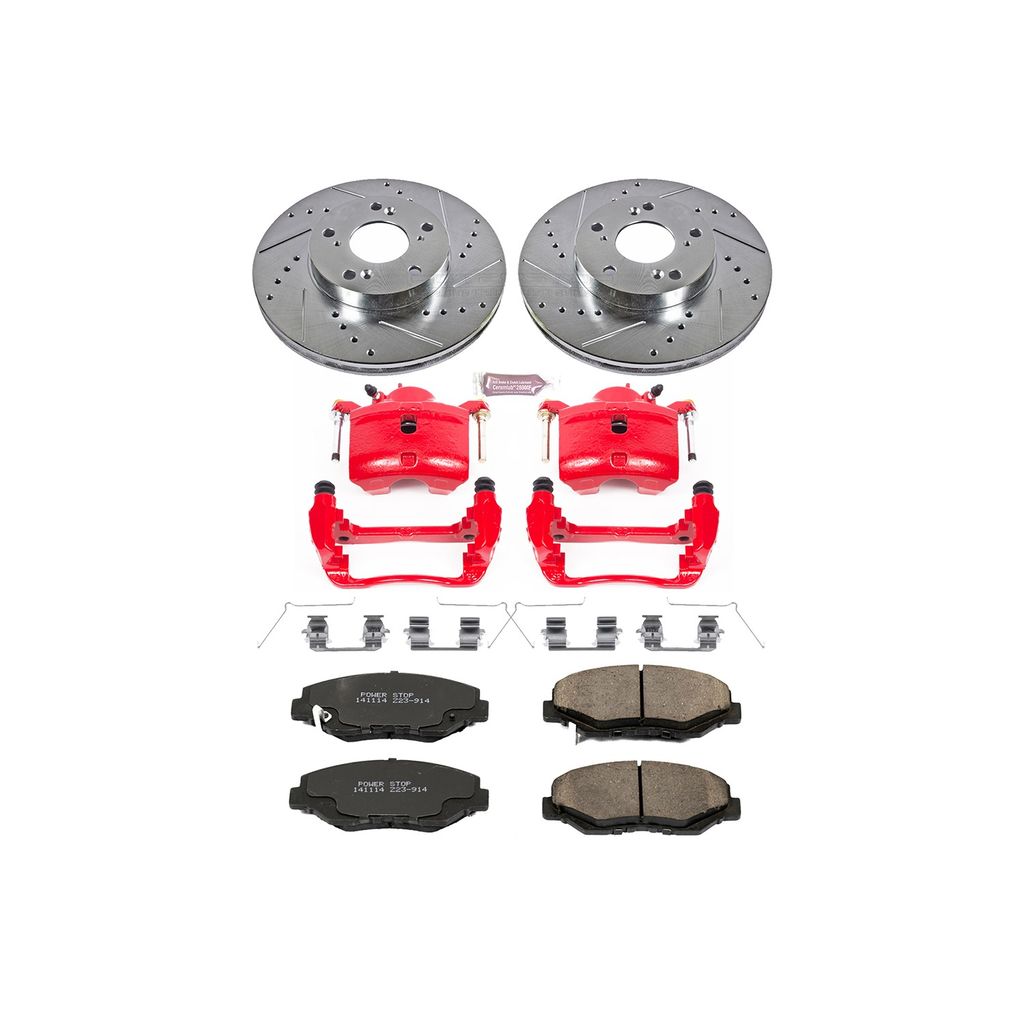
Credit: www.buybrakes.com
Brake Pads Cost Breakdown
Brake pads are a key part of your vehicle’s braking system. Their cost varies based on several factors. Understanding the price breakdown helps you plan for replacement expenses. Here is a clear look at the costs involved with brake pads.
Types Of Brake Pads
There are three main types of brake pads. Ceramic pads are quiet and last long. Semi-metallic pads offer good performance and cost less. Organic pads are the cheapest but wear out faster. Each type suits different driving needs and budgets.
Price Range By Material
Ceramic brake pads usually cost between $50 and $150 per set. Semi-metallic pads range from $30 to $70. Organic pads are the most affordable, around $20 to $50. Prices depend on brand, quality, and vehicle type. Higher prices often mean better durability and performance.
Labor Costs For Replacement
Labor costs vary by location and mechanic skill. On average, expect to pay $80 to $150 for brake pad replacement. Complex vehicles or brake systems may cost more. Labor time usually takes one to two hours. Always ask for a clear estimate before work starts.

Credit: vatire.com
Rotors Pricing Guide
Understanding the cost of brake rotors helps you plan your car maintenance better. Rotors are vital for safe braking. Their price depends on type, quality, and other factors. This guide breaks down rotor pricing to help you choose wisely.
Standard Vs Performance Rotors
Standard rotors suit everyday driving. They cost less and last long under normal use. Performance rotors handle heat better. They improve braking for sporty or heavy-duty driving. Performance rotors usually cost more than standard ones.
Factors Affecting Rotor Prices
Material affects rotor price. Cast iron is common and cheaper. Carbon or ceramic rotors cost more but last longer. Rotor size also matters. Larger rotors for bigger vehicles cost more. Brand and quality impact price too. High-quality rotors offer better safety and durability.
Installation Expenses
Installation costs vary by shop and region. Labor can add $50 to $150 per axle. Some shops charge extra for machining or resurfacing rotors. Always ask for a full quote before work starts. Proper installation ensures safety and rotor longevity.
Calipers Price Insights
Calipers play a key role in your vehicle’s braking system. They press the brake pads against the rotors to stop the car. Understanding caliper prices helps you plan your maintenance costs well. Prices can change based on type, vehicle, and repair needs.
Common Caliper Types
There are mainly two types of calipers: floating and fixed. Floating calipers move in and out, using one or two pistons. Fixed calipers have pistons on both sides and do not move. Fixed calipers often cost more due to their design. Each type suits different vehicle models and brake setups.
Cost Variations By Vehicle
Caliper prices depend heavily on your vehicle’s make and model. Small cars usually have cheaper calipers. Luxury and performance cars require pricier, specialized calipers. Trucks and SUVs might have larger, more expensive calipers. Always check your vehicle’s specs to get the right price range.
Repair Vs Replacement Costs
Repairing a caliper often costs less than replacing it. Repair might include fixing leaks or replacing seals. Replacement involves buying a new caliper and installing it. Sometimes, replacement is safer and more reliable. Compare both options before deciding to save money.
Diy Vs Professional Service
Choosing between DIY brake repairs and professional service depends on your skills and tools. Brake pads, rotors, and calipers are vital for safe driving. Fixing them yourself can save money but carries risks. Professionals ensure the job is done right and safely.
Tools Needed For Brake Work
Basic tools include a jack, lug wrench, and socket set. You also need a C-clamp to compress the caliper piston. Brake cleaner and brake grease are important for cleaning and lubrication. A torque wrench helps tighten bolts to the right level. Without these tools, repairs can be difficult or unsafe.
Risks Of Diy Brake Repairs
Brakes are crucial for safety. Mistakes can cause brake failure and accidents. Improper installation may lead to uneven wear or noise. You might damage parts if you lack experience. Also, some brake systems need special tools or knowledge. Errors can end up costing more in repairs.
When To Hire A Mechanic
Hire a mechanic if you lack tools or knowledge. Complex brake systems require professional skills. If you feel unsure about safety, choose a professional. Mechanics can spot hidden problems early. They provide warranty on parts and work. This saves time and gives peace of mind.
Tips To Save On Brake Repairs
Brake repairs can be costly, but there are ways to save money without risking safety. Smart choices help reduce expenses on brake pads, rotors, and calipers. Simple steps keep your brakes in good shape longer. These tips can lower your repair bills and keep your car running smoothly.
Buying Parts Online
Online stores often sell brake parts at lower prices. You can compare prices easily and find deals. Make sure to buy from trusted sellers with good reviews. Check the parts match your car model to avoid extra costs. Shipping fees can be low or free, saving more money.
Choosing Quality Over Cheap
Cheap brake parts may seem like a good deal but can wear out fast. Quality parts last longer and perform better. Spending a bit more upfront saves money on frequent replacements. Good parts keep you safer on the road. Always pick reliable brands and avoid the lowest price options.
Regular Maintenance Benefits
Regular brake checks catch problems early before they get worse. Cleaning brake components prevents dirt buildup that causes damage. Timely replacements stop damage to other brake parts. Maintenance extends the life of pads, rotors, and calipers. It saves money by avoiding costly repairs later.

Credit: www.greatwater360autocare.com
Frequently Asked Questions
How Much Do Brake Pads Typically Cost?
Brake pads usually cost between $30 and $80 per set. Prices vary by vehicle type and brand quality. Labor fees may add $80 to $150. Budget options are cheaper but wear faster. High-performance pads cost more but last longer.
What Is The Average Price For Brake Rotors?
Brake rotors generally range from $40 to $100 each. Costs depend on rotor type, vehicle, and quality. Labor charges for rotor replacement may be $100 to $200. Some cars require premium rotors, increasing the price.
How Expensive Are Brake Calipers To Replace?
Brake calipers often cost between $75 and $200 each. Labor fees can range from $150 to $300. Caliper price varies by vehicle model and caliper type. Replacing calipers is pricier due to part complexity.
Are Brake Pad, Rotor, And Caliper Replacements Costly?
Brake pad, rotor, and caliper replacements combined usually cost $300 to $700. Prices depend on vehicle type, part quality, and labor rates. Regular maintenance can prevent expensive repairs later.
Conclusion
Brake pads, rotors, and calipers vary in price depending on the car and quality. Choosing the right parts keeps your car safe and runs well. Regular checks help avoid costly repairs later. Knowing average costs helps you plan your budget better.
Always buy parts that fit your vehicle type. Good maintenance saves money and stress. Keep your brakes in top shape for a safer drive every time. Simple care makes a big difference on the road.