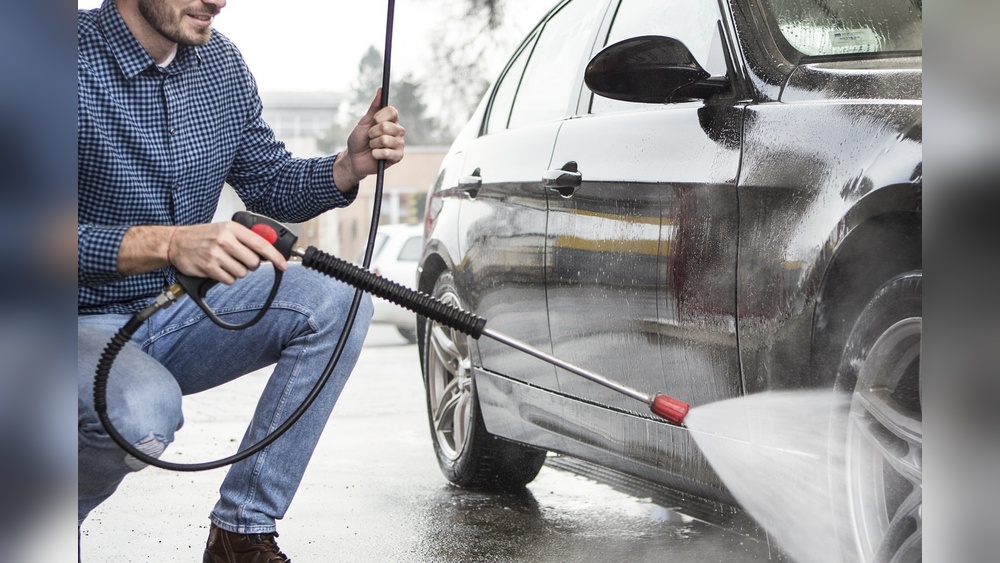
When you wash your car, the pressure of the water can make all the difference. Too little pressure might leave dirt behind, while too much can damage your paint or sensitive parts.
So, how much bar pressure is just right for a car wash? Knowing the ideal pressure helps you clean your vehicle safely and effectively every time. You’ll discover the perfect balance that protects your car while giving it a spotless shine.
Keep reading to find out exactly what pressure you should use to get the best results.

Credit: www.amazon.com
Bar Pressure Basics
Understanding bar pressure is key to washing your car well. It helps clean the dirt and grime without harming your vehicle. Knowing the right pressure keeps your car safe and shiny.
Too much pressure can cause damage. Too little pressure may not clean properly. Let’s explore the basics of bar pressure for car wash.
What Is Bar Pressure
Bar pressure measures how strong water sprays from a washer. One bar equals about 14.5 pounds per square inch (psi). It shows the force water has to remove dirt and stains.
Pressure washers use bars to control water speed. Higher bars mean stronger water flow. This helps in cleaning tough spots on cars.
Why Bar Pressure Matters In Car Wash
Bar pressure controls how well dirt comes off your car. Low pressure may miss some grime. High pressure can scratch paint or break parts.
Using the right bar pressure protects your car’s surface. It saves you from costly repairs. It also ensures a clean, smooth finish every time.
Ideal Bar Pressure For Car Wash
Choosing the right bar pressure is key for washing your car safely and effectively. Too much pressure can damage paint and parts. Too little pressure may not clean well. Understanding the ideal bar pressure helps you get the best results without harm.
Recommended Pressure Range
The best pressure for most car washes is between 1200 and 1900 PSI (pounds per square inch). This range cleans dirt and grime without hurting the paint. Lower pressure below 1200 PSI might not remove tough stains. Higher than 1900 PSI risks damaging the clear coat or peeling decals.
Using a pressure washer with adjustable settings lets you control the force. Start at a lower pressure and increase if needed. Always keep the nozzle at least 12 inches away from the surface to avoid damage.
Pressure Differences For Car Types
Different cars need different pressure levels. Older cars with faded paint require gentler cleaning, around 1200 PSI. Newer cars with strong paint can handle pressures near 1900 PSI.
Luxury or classic cars need extra care. Lower pressure and soft brushes work best here. Trucks and SUVs often have dirt in hard spots. Use higher pressure briefly on tough areas but avoid prolonged spraying.
Pressure Settings For Different Cleaning Tasks
Choosing the right pressure setting is important for a clean car and safe washing. Different cleaning tasks need different bar pressures. Using too much pressure can damage your car’s paint. Using too little pressure may not clean well. Below are the best pressure levels for common car wash tasks.
Light Dirt And Dust
Use low pressure for light dirt and dust. Around 1000 to 1200 bar pressure works well. This removes surface dust without harming the paint. It saves water and soap too. Perfect for regular washes after driving in clean areas.
Stubborn Stains And Grime
For tough dirt and grease, increase pressure to 1300 to 1600 bar. This level helps break down grime without scratching. Focus on wheels, bumpers, and lower doors. Use short bursts of water to avoid damage.
Undercarriage Cleaning
The undercarriage collects mud and salt that cause rust. Use 1500 to 1800 bar pressure here. This stronger spray reaches hidden areas and removes buildup. Take care not to spray sensitive parts like brakes directly.
Risks Of Using Incorrect Pressure
Using the wrong pressure during a car wash can cause several problems. It can harm your car’s paint, damage parts, or leave dirt behind. Understanding the risks helps protect your vehicle and get the best clean.
Too High Pressure Effects
High pressure can strip paint off your car. It may cause scratches or dents on soft surfaces. Water can force its way into seals, causing leaks. It also risks damaging mirrors and trim. High pressure might push dirt into small cracks, making stains worse.
Too Low Pressure Issues
Low pressure may not clean the car properly. Dirt, grime, and bugs can stay stuck on the surface. This can lead to long-term damage to the paint. You might need to scrub harder, which can cause scratches. Low pressure also wastes water and time, as you repeat cleaning steps.
Choosing The Right Equipment
Choosing the right equipment is key for a good car wash. The pressure must be just right. Too much pressure can damage the paint. Too little pressure leaves dirt behind.
Knowing the types of pressure washers and nozzles helps pick the best tools. This ensures a clean car without harm.
Pressure Washer Types
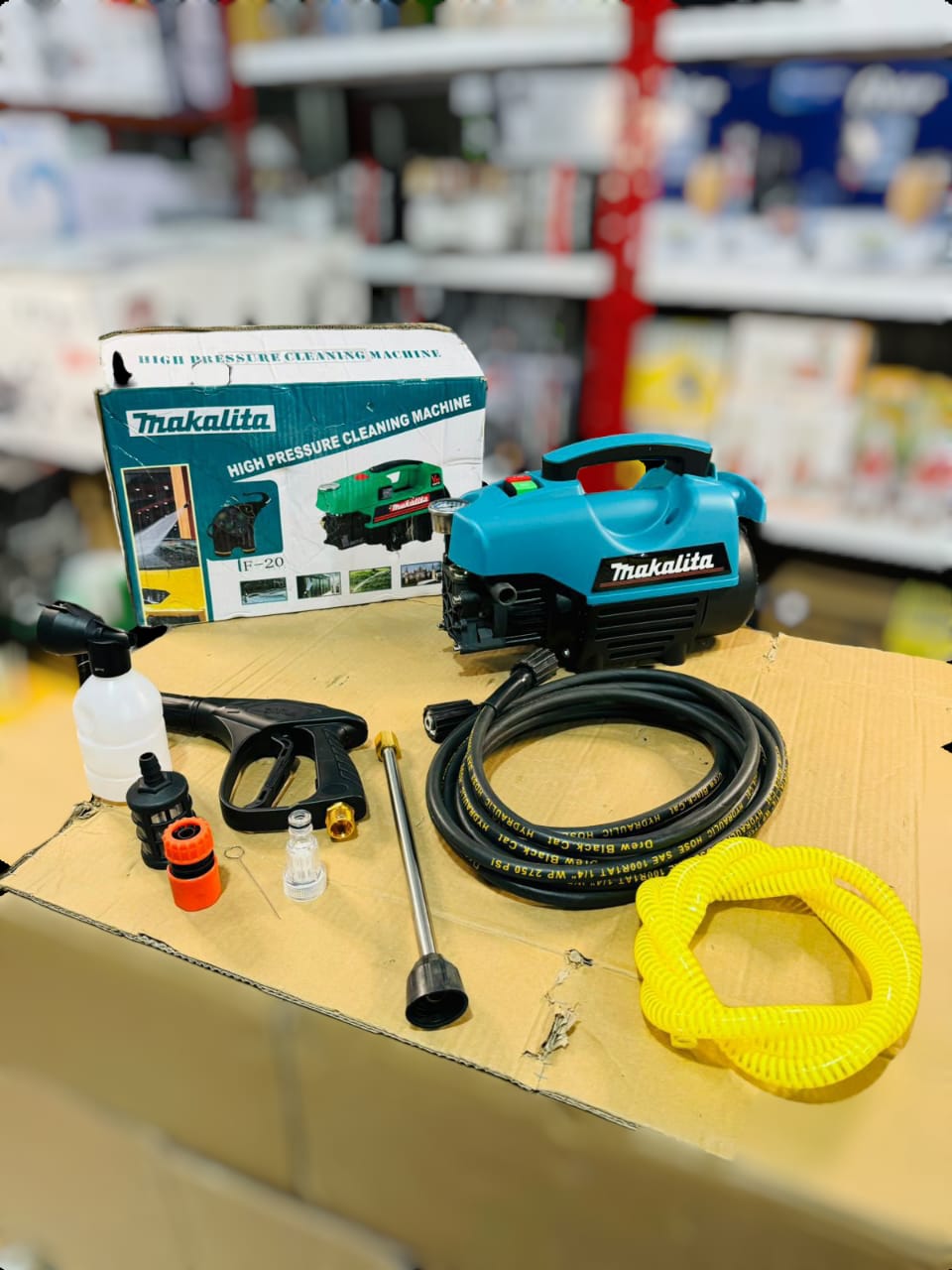
Electric pressure washers work well for light cleaning. They are quiet and easy to use. Their pressure usually stays under 2000 PSI.
Gas pressure washers offer more power. They can go beyond 3000 PSI. These are good for heavy dirt and large vehicles. But they are louder and need more care.
Hot water washers use heated water. Hot water cleans grease and grime better. They are common in professional car washes.
Nozzle Selection Tips
Nozzles control the water spray angle and pressure. A wide spray covers more area but is less powerful. A narrow spray is stronger but covers less.
For cars, use nozzles with 25 to 40 degrees spray. This cleans well without damage. Avoid very narrow nozzles unless for tough spots.
Choose nozzles made for pressure washers. Cheap ones can break or cause damage.
Techniques To Maximize Cleaning Efficiency
Maximizing cleaning efficiency during a car wash depends on more than just water pressure. Using the right techniques saves time and protects your car’s paint. Small changes in how you wash can make a big difference in results.
Focus on controlling distance, angle, and preparation before you start. These steps help remove dirt gently and completely.
Optimal Distance And Angle
Hold the pressure washer nozzle about 6 to 12 inches from the car surface. Too close can damage the paint. Too far reduces cleaning power. Keep a steady hand for even coverage.
Spray at a 45-degree angle to lift dirt effectively. This angle avoids pushing dirt deeper into cracks or scratches. Move the nozzle smoothly across the surface. Avoid staying too long on one spot.
Pre-wash Preparation
Start by rinsing the car with plain water to loosen loose dirt. This reduces the chance of scratching during washing. Use a foam cannon or soap to cover the car in suds. Let the soap sit for a few minutes to break down grime.
Check the water pressure before washing to avoid damage. Adjust settings for delicate areas like mirrors and trim. A clean sponge or brush helps remove stubborn spots safely after the rinse.
Maintaining Your Pressure Washer
Maintaining your pressure washer is key to getting the best car wash results. A well-kept machine runs smoothly and lasts longer. It also keeps the water pressure steady, which is important for cleaning.
Regular care prevents breakdowns and saves money on repairs. Simple steps can keep your pressure washer in top shape. Follow these tips for easy maintenance.
Regular Checks And Cleaning
Check hoses and nozzles for cracks or clogs often. Clean the spray tips with a small brush or needle. Dirt can block water flow and lower pressure. Wipe down the machine to remove dust and grime. Look at the oil and change it as the manual says. Clean the water inlet filter to stop dirt from entering the pump.
Troubleshooting Pressure Problems
Low pressure can mean a blocked nozzle or dirty filter. Check for leaks in the hose or connections. Inspect the pump for damage or worn parts. Make sure the water supply is strong and steady. Air trapped in the pump can reduce pressure. Run the washer without the nozzle to clear air. Fix small issues early to avoid big repairs.
Credit: vixencomposites.com

Credit: autozcrave.com
Frequently Asked Questions
What Is The Ideal Bar Pressure For Car Washing?
The ideal bar pressure for car washing ranges between 80 to 120 bar. This pressure effectively removes dirt without damaging paint or decals. Lower pressure may not clean well, while higher pressure risks surface damage. Always adjust based on the vehicle’s condition and dirt level.
Can High Bar Pressure Damage Car Paint?
Yes, high bar pressure above 120 bar can damage car paint. It may strip wax, chip paint, or cause scratches. Use moderate pressure for safe cleaning and avoid holding the nozzle too close to the surface.
How Does Bar Pressure Affect Car Wash Efficiency?
Higher bar pressure improves cleaning by removing stubborn dirt faster. However, excessive pressure risks damage. Optimal pressure balances cleaning power and surface safety, ensuring efficient and safe car washing.
What Bar Pressure Is Safe For Delicate Car Parts?
For delicate parts like mirrors and trim, use bar pressure below 80 bar. Gentle pressure prevents damage to sensitive materials and avoids water intrusion in electronic components.
Conclusion
Choosing the right bar pressure keeps your car clean and safe. Too low pressure won’t remove dirt well. Too high pressure can damage paint or windows. Aim for a pressure between 80 and 120 bars for most cars. Always test on a small area first.
Use the correct nozzle and keep a good distance. This way, your car looks great without harm. Clean smart and protect your vehicle every wash. Simple steps make a big difference in car care.