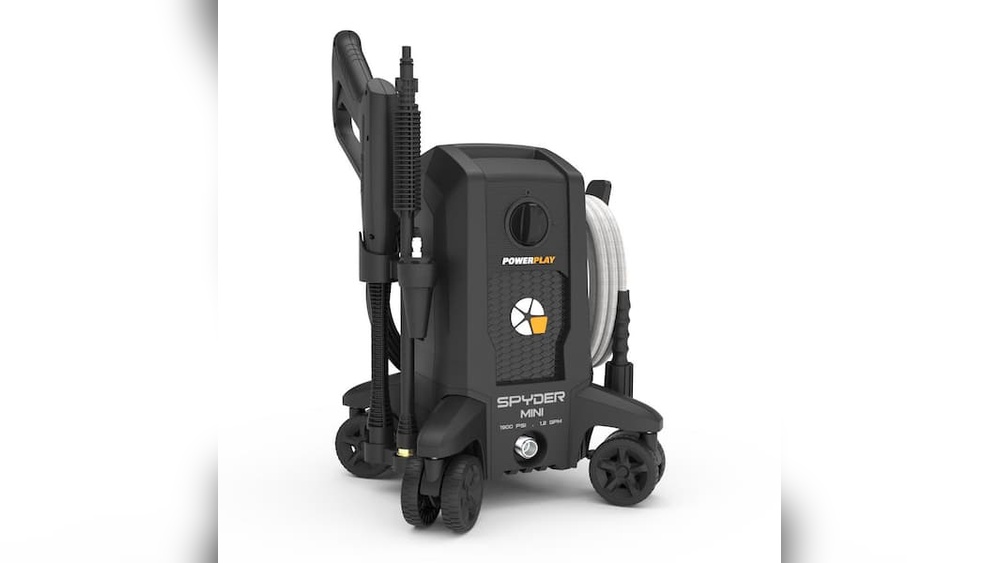
Washing your car with a pressure washer can save you time and effort while giving your vehicle a sparkling clean finish. But if you don’t use the right technique, you could damage your paint or miss stubborn dirt.
In this guide, you’ll discover simple steps to wash your car safely and effectively with a pressure washer. By the end, you’ll know exactly how to get your car looking its best, without any stress or mistakes. Ready to make your car shine like new?
Let’s get started.
Preparing Your Car
Preparing your car before washing it with a pressure washer is essential. It helps protect the paint and parts from damage. Taking a few simple steps ensures a safe and effective cleaning process. Follow these tips to get started.
Gathering Supplies
Collect all items needed for washing your car. These include a pressure washer, car soap, a microfiber cloth, and a bucket. Have a brush for tough spots and a drying towel ready. Proper supplies make the job easier and faster.
Choosing The Right Pressure Washer
Select a pressure washer with low to medium pressure. Too much pressure can harm the paint or trim. Look for models with adjustable settings. A washer with 1200 to 1900 PSI works well for cars. Use a wide spray nozzle to spread water gently.
Protecting Sensitive Areas
Cover parts that water can damage. Seal areas like door seals, mirrors, and lights with plastic wrap or tape. Avoid spraying directly on the engine or air intake. Protecting these spots prevents costly repairs and keeps your car safe.
Setting Up The Pressure Washer
Setting up your pressure washer correctly is essential before washing your car. A proper setup ensures safe use and better cleaning results. Follow these simple steps to prepare your pressure washer.
Connecting To Water Source
Start by attaching the garden hose to the pressure washer’s water inlet. Make sure the connection is tight to avoid leaks. Turn on the water supply fully. Check if water flows through the machine before switching it on. This step prevents damage to the pump.
Selecting Nozzle Types
Choose the right nozzle for your car wash. A nozzle with a wide spray angle, like 25 degrees, works best for gentle cleaning. Avoid narrow nozzles with high pressure that can harm the paint. Attach the nozzle securely to the spray wand before use.
Adjusting Pressure Settings
Set the pressure to a safe level for car surfaces. Around 1200 to 1900 PSI is ideal for washing cars. Lower pressure avoids paint damage and water spots. Adjust the pressure dial or use the trigger to control water flow during washing.
Pre-rinse Process
The pre-rinse process is the first step in washing your car with a pressure washer. It helps prepare the surface for a deeper clean. This step loosens dirt and grime before applying soap or scrubbing. Taking time here saves effort later and protects your car’s paint.
Removing Loose Dirt
Start by removing loose dirt and debris from the car’s surface. Use the pressure washer on a low setting. Spray from top to bottom to push dirt downward. This prevents scratches during washing. Focus on areas like the hood, roof, and windows. Avoid holding the nozzle too close to the paint.
Wet The Entire Car
Next, wet the entire car evenly. Use a wide spray nozzle for better coverage. Wetting the surface softens dried dirt and dust. This step also cools the car’s paint. Make sure water reaches hard-to-reach spots like wheel wells and under bumpers. A thorough wetting makes washing easier and more effective.
Applying Soap
Applying soap is an important step when washing your car with a pressure washer. Soap helps break down dirt and grime on the surface. It also protects the paint while cleaning. Using the right tools and soap makes the job easier and more effective.
Using Foam Cannon Or Soap Applicator
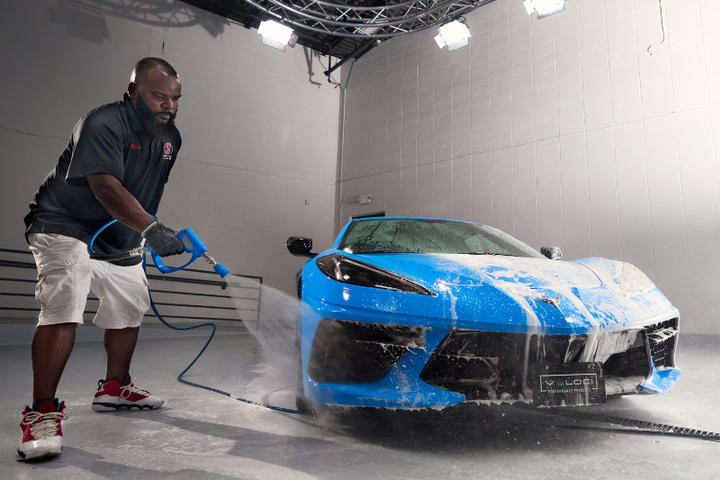
A foam cannon attaches to your pressure washer. It sprays thick foam evenly over the car. The foam sticks to the surface and loosens dirt. Soap applicators also work well for this step. They help cover the car quickly and save time. Both tools reduce the risk of scratching the paint.
Choosing The Best Car Wash Soap
Select a soap made for cars, not household cleaners. Car wash soaps are gentle on paint and clear dirt well. Look for biodegradable soaps with no harsh chemicals. These soaps protect your car’s finish and the environment. Avoid soaps that leave residue or dull the paint.
Letting Soap Sit
After applying soap, let it sit for a few minutes. This gives the soap time to work on dirt and grime. Do not let the soap dry on the car. Dry soap can leave spots or streaks. Rinse the soap off thoroughly with clean water for the best results.
Washing The Car
Washing your car with a pressure washer is quick and effective. It removes dirt and grime from the surface easily. Using the right technique ensures a clean car without damage. Follow simple steps to wash safely and thoroughly.
Cleaning From Top To Bottom
Start washing from the roof of the car. Dirt flows down, so cleaning top first avoids re-soiling. Move the nozzle slowly across the surface. Cover all areas like windows, hood, and trunk. Finish with the lower parts like bumpers and wheels.
Maintaining Safe Distance
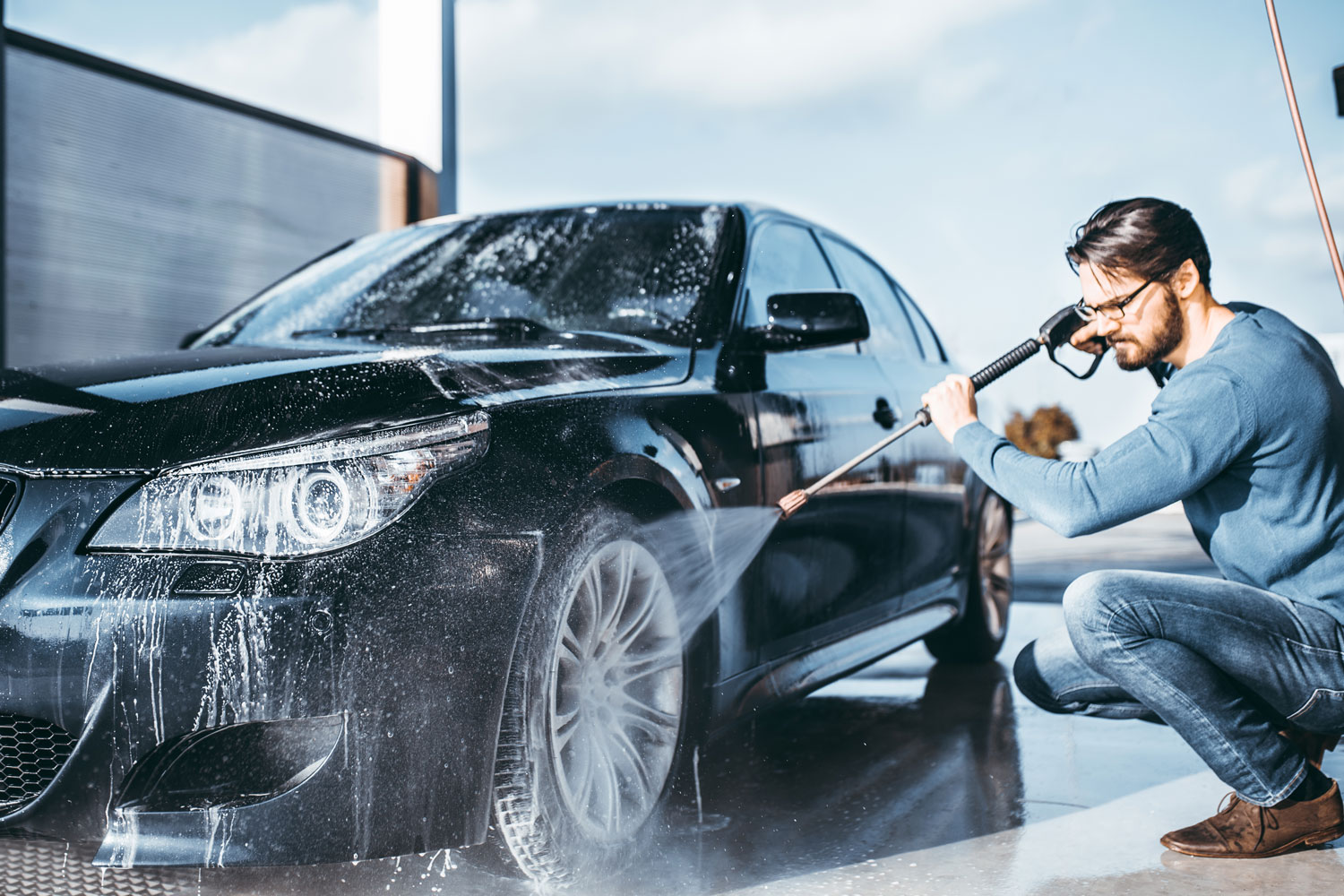
Keep the pressure washer nozzle about 12 to 18 inches away. Too close can harm the paint or glass. Too far reduces cleaning power. Adjust distance to remove dirt without damage. Hold the nozzle steady for even cleaning.
Avoiding Paint Damage
Use a wide spray nozzle to spread pressure. Narrow jets can scratch or chip paint. Avoid spraying directly on sensitive parts like mirrors or seals. Do not hold the spray on one spot too long. Rinse soap off gently to protect the finish.
Credit: www.capitalone.com
Rinsing Off Soap
Rinsing off soap is a crucial step in washing your car with a pressure washer. This process removes soap residue that can leave streaks or spots on the paint. Proper rinsing also helps prevent damage to your car’s finish. It makes the surface clean and shiny without any leftover suds.
Using Low Pressure
Use low pressure to rinse the soap. High pressure can harm the paint or push soap into tight spots. Keep the nozzle at a safe distance, about 12 to 18 inches from the car. Move the spray in smooth, even strokes. This helps wash away soap gently and safely.
Ensuring Complete Soap Removal
Check every part of the car carefully. Soap can hide in corners and crevices. Spray these areas longer to rinse out all soap. Look for any suds or white marks left behind. Rinse again if needed. A clean rinse means no soap spots and a perfect finish.
Drying Techniques
Drying your car after washing it with a pressure washer is very important. Proper drying stops water spots and keeps your car’s paint shiny. Using the right drying methods saves time and effort. It also protects your car’s surface from damage.
Using Microfiber Towels
Microfiber towels are soft and absorb water quickly. They do not scratch the paint like regular towels. Use clean, dry microfiber towels for best results. Gently pat the car’s surface instead of rubbing hard. Change towels when they get too wet. This keeps the drying process smooth and safe.
Preventing Water Spots
Water spots happen when water dries on the paint and leaves marks. Dry the car soon after washing to stop spots from forming. Avoid drying your car in direct sunlight. Water evaporates faster and leaves spots. Use a water repellent spray after drying to keep water off the surface longer.
Credit: www.mtmhydroparts.com
Additional Tips
Washing your car with a pressure washer is quick and effective. Some extra tips help protect your car and improve results. These tips cover the best time to wash, keeping your car clean, and staying safe.
Washing On Cloudy Days
Choose cloudy days for washing your car. The sun can dry soap too fast. This can leave spots and streaks on the paint. Clouds keep the car wet longer. Soap and water clean better and rinse off easily.
Regular Maintenance
Wash your car often to stop dirt buildup. Clean cars last longer and look better. Use the pressure washer every two weeks or once a month. Check the washer’s nozzle for clogs. Keep the water pressure at a safe level to avoid damage.
Safety Precautions
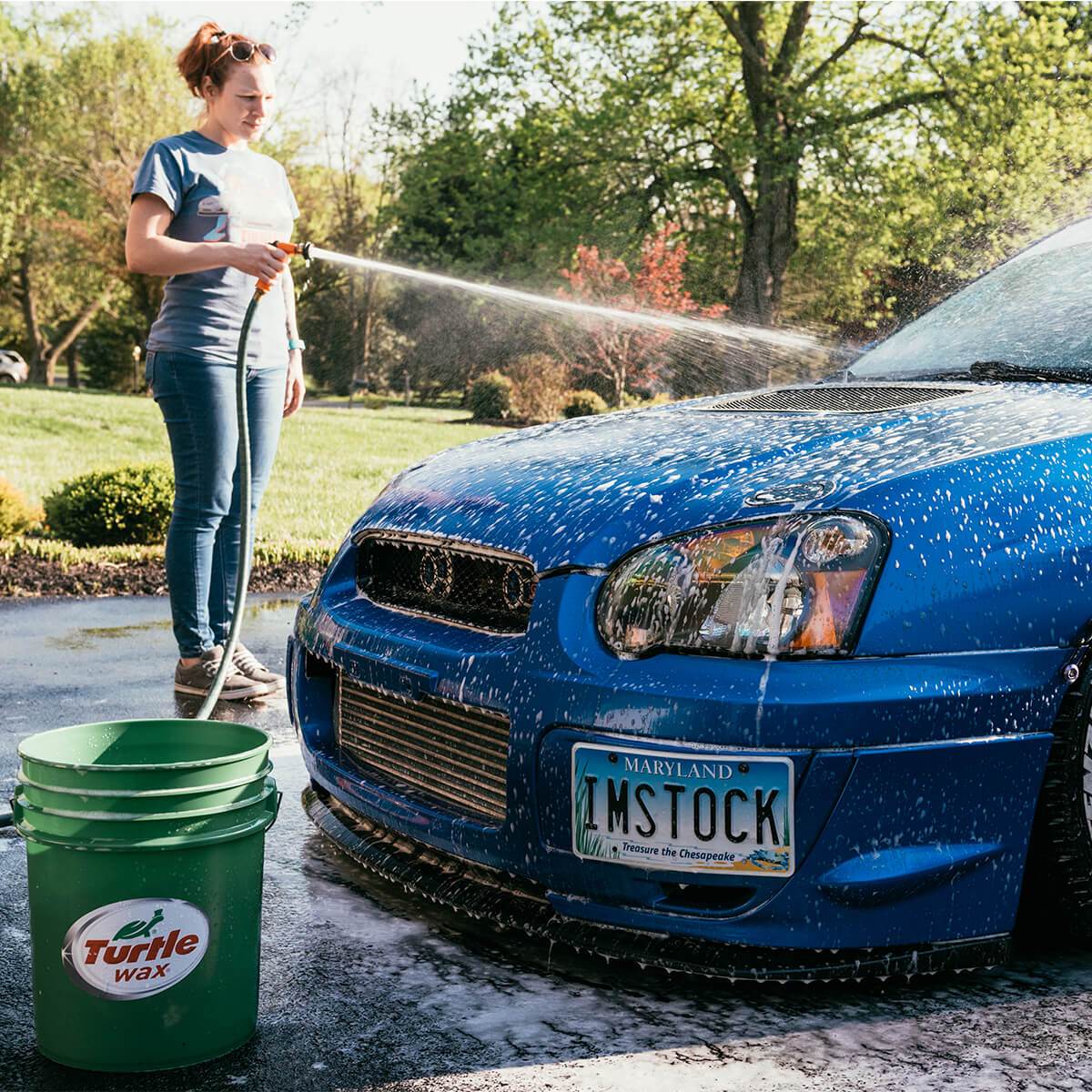
Wear protective glasses to shield your eyes from water spray. Keep the pressure washer nozzle moving to avoid paint damage. Do not aim at windows or tires for too long. Keep children and pets away during washing. Turn off the washer before changing nozzles or cleaning the machine.
Credit: www.turtlewax.com
Frequently Asked Questions
Can I Use Any Pressure Washer For Car Washing?
Not all pressure washers suit car washing. Use a model with 1200-1900 PSI and a 1. 3-1. 6 GPM flow rate. This range cleans effectively without damaging paint or trims.
What Is The Ideal Distance For Pressure Washing A Car?
Maintain 12-18 inches distance between nozzle and car surface. This distance cleans dirt well while avoiding paint damage or water intrusion.
Should I Use Soap With A Pressure Washer?
Yes, use a car-specific soap with foam cannon or detergent injector. It helps loosen dirt and protects the paint during pressure washing.
How Do I Avoid Paint Damage With A Pressure Washer?
Use low pressure settings, wide spray nozzles, and keep a safe distance. Avoid directing water at edges, seals, or electrical parts to prevent damage.
Conclusion
Washing your car with a pressure washer saves time and effort. Use the right pressure to protect your car’s paint. Start from the top and work down slowly. Always keep the nozzle moving to avoid damage. Rinse thoroughly to remove all soap and dirt.
Dry your car with a soft cloth to prevent water spots. Regular cleaning keeps your car looking fresh and new. Enjoy a shiny, clean car without much hassle. Simple steps, great results.