
If your car’s brakes are making noise or not working like they used to, you might be wondering, “How much do brake rotors cost?” Knowing the price can help you decide whether to fix the problem now or wait a bit longer. But the cost isn’t always straightforward—it depends on your car, the quality of parts, and where you get them.
You’ll get clear answers and simple tips to understand what affects the price of brake rotors. By the end, you’ll feel confident making the best choice for your safety and your wallet. Keep reading to find out exactly what you need to know.

Credit: www.youtube.com
Brake Rotor Price Range
Brake rotors are a key part of your car’s braking system. Knowing the price range helps you plan your budget. Prices vary a lot based on several things. Understanding these factors can save you money and time.
Factors Affecting Rotor Cost
Material is one big factor. Steel rotors cost less than carbon or ceramic ones. Size matters too. Larger rotors usually cost more. Your car’s brand and model can change the price. Some cars need special rotors that are expensive. Labor costs for installation also add to the total.
Average Prices By Vehicle Type
For small cars, rotors usually cost between $30 and $75 each. Mid-size cars often have rotors priced from $50 to $100. Trucks and SUVs tend to have larger rotors costing $70 to $150 or more. Luxury and performance vehicles can have rotors costing $150 to $300 or higher. These prices reflect typical retail costs only.
Oem Vs Aftermarket Rotors
OEM rotors come from your car’s manufacturer. They fit perfectly but cost more. Aftermarket rotors come from other brands. They usually cost less and offer many choices. Quality can vary in aftermarket parts, so check reviews. Some aftermarket rotors perform better than OEM in certain cases. Both options work well if chosen carefully.
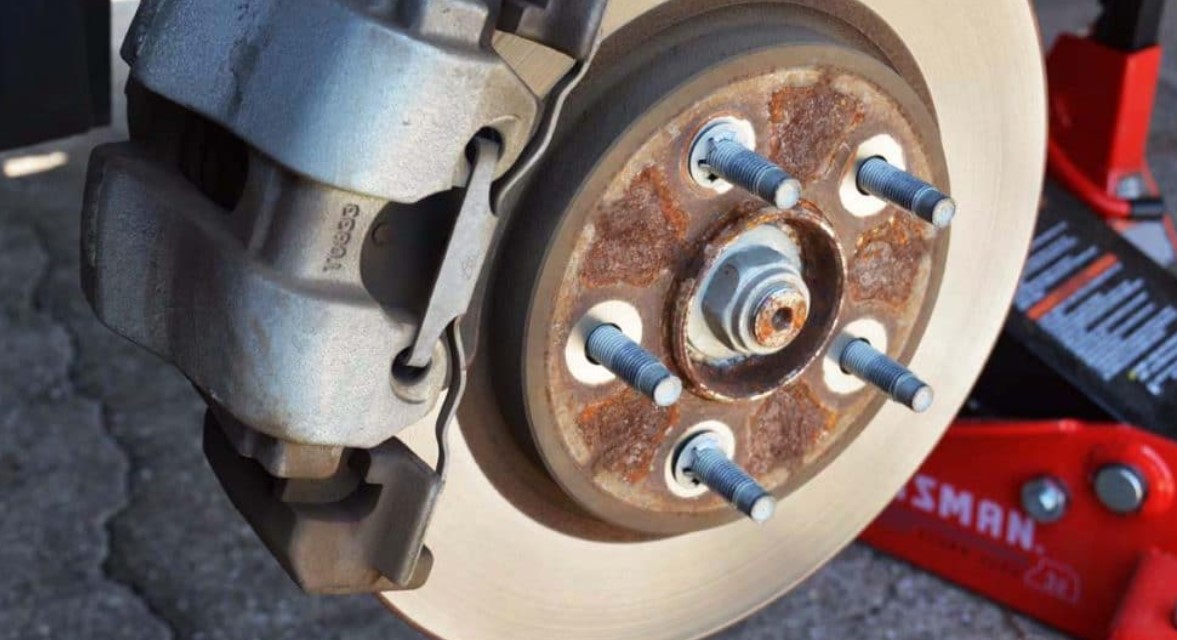
Credit: omegaautocare.com
Types Of Brake Rotors
Brake rotors come in different types to match various driving needs. Each type offers unique features that affect performance and cost. Understanding these types helps in choosing the right rotor for your vehicle.
Solid Rotors
Solid rotors are simple and cost-effective. They are a single solid piece of metal. These rotors work well for everyday city driving. They cool down slower and may wear out faster under heavy use.
Vented Rotors
Vented rotors have a space between two metal layers. This design helps air flow through and cools the rotor faster. Vented rotors last longer and reduce brake fade on long drives or hills. They usually cost more than solid rotors.
Drilled And Slotted Rotors
Drilled rotors have holes drilled into them. Slotted rotors have grooves cut on the surface. Both help remove heat, gas, and water during braking. These rotors improve brake performance and grip. They are common in sporty and performance cars. Drilled and slotted rotors often cost the most.
Signs You Need New Rotors
Brake rotors play a key role in your vehicle’s stopping power. They work with brake pads to slow down or stop your car safely. Over time, rotors wear out and need replacement. Knowing the signs helps you avoid costly repairs and keeps you safe on the road. Below are clear signs that indicate it is time to change your brake rotors.
Common Wear Indicators
Look for grooves or scoring on the rotor surface. These marks show the rotor is worn. Thin rotors may cause brake vibration. A thickness below the manufacturer’s minimum means replacement is needed. Rust buildup on the rotor can also reduce braking efficiency. Check your rotors during regular maintenance to spot these signs early.
Performance Issues
Poor braking response is a strong warning sign. If your brakes feel weak or spongy, the rotors might be damaged. You may hear squealing, grinding, or scraping sounds when braking. These noises often come from worn rotors or pads. Uneven braking or pulling to one side can also signal rotor problems. Address these issues quickly to maintain smooth vehicle control.
Safety Concerns
Damaged rotors reduce your ability to stop safely. This increases the risk of accidents, especially in emergencies. Overheated rotors can cause brake fade, losing braking power temporarily. Cracked rotors are dangerous and must be replaced immediately. Never ignore signs of rotor damage to protect yourself and others on the road.
Cost-saving Tips
Saving money on brake rotors can make a big difference in your car maintenance budget. Simple strategies can reduce costs without lowering quality. Understanding where to find deals and how to buy smart helps you get the best value.
Focus on smart buying and timing to keep expenses low. Prioritize good quality to avoid early replacements. These tips help balance cost and safety effectively.
Buying In Bulk Or Kits
Buying brake rotors in sets or kits often costs less than single pieces. Kits usually include rotors and other needed parts. This reduces the total price and shipping fees. Mechanics and DIYers both benefit from bulk purchases. Bulk buying also ensures matching parts for both wheels.
Seasonal Discounts And Deals
Brake rotor prices often drop during sales seasons. Watch for discounts around holidays or car care events. Stores and online shops offer special prices to clear stock. Check deals regularly to catch the best offers. Timing your purchase right can save a significant amount.
Choosing Quality Over Price
Cheap rotors may seem like a good deal but wear out fast. High-quality rotors last longer and perform better. Saving money now could lead to higher costs later. Look for trusted brands and good reviews. Quality rotors protect your safety and car’s health.
Installation Costs
Installation costs are an important part of replacing brake rotors. These costs can vary widely based on whether you do the work yourself or hire a professional. Understanding these expenses helps you plan your budget better.
Diy Vs Professional Installation
Doing the installation yourself saves money on labor. You only pay for parts and tools. But it takes time and some skill. Mistakes can be costly or dangerous.
Professional installation costs more but offers peace of mind. Mechanics have experience and proper tools. The job is usually done faster and correctly.
Labor Charges Explained
Labor charges depend on the shop and your location. Rates can range from $50 to $150 per hour. Replacing brake rotors usually takes 1 to 2 hours. Some shops charge a flat rate for the job.
Additional fees may apply for disposal of old parts or extra repairs. Always ask for a detailed estimate before work starts.
Tools Needed For Replacement
Basic tools include a jack, lug wrench, and socket set. A C-clamp helps compress the brake caliper piston. You may also need a breaker bar and torque wrench.
Some tasks require specialty tools like a caliper hanger or brake cleaner. Having the right tools makes the job safer and easier.
Maintaining Brake Rotors
Maintaining brake rotors is important for safe driving and longer part life. Proper care helps avoid costly repairs and keeps brakes working well. Simple steps can protect your rotors and save money over time.
Cleaning Techniques
Keep brake rotors clean to prevent dirt buildup. Use a soft brush or cloth to wipe away dust. Avoid harsh chemicals that can damage the rotor surface. Brake cleaner sprays work well and dry quickly. Clean rotors help brakes grip better and last longer.
Avoiding Premature Wear
Drive gently to reduce stress on brake rotors. Avoid hard stops and sudden braking. Give brakes time to cool after heavy use. Use quality brake pads that match your rotors. Worn or mismatched pads cause faster rotor damage. Proper driving habits extend rotor life and save money.
Routine Inspections
Check brake rotors regularly for signs of damage. Look for cracks, grooves, or rust on the surface. Measure rotor thickness to ensure it meets safety limits. Inspect brake pads too, as worn pads harm rotors. Regular checks catch problems early and keep braking safe.
Where To Buy Brake Rotors
Finding the right place to buy brake rotors affects your car’s safety and cost. There are several options to consider. Each offers different benefits for price, convenience, and quality. Understanding these options helps you choose the best fit for your needs.
Online Retailers
Online stores offer a wide range of brake rotors. You can compare prices and brands easily. Many sites provide detailed product descriptions and customer reviews. Shopping online saves time and often money. Delivery comes straight to your door, adding convenience.
Local Auto Shops
Local auto shops provide personal service and expert advice. You can see the rotors before buying. These shops often have parts ready for immediate pickup. They can also help with installation or recommend trusted mechanics. Supporting local businesses keeps your community strong.
Authorized Dealers
Authorized dealers sell original equipment manufacturer (OEM) rotors. These parts match your vehicle’s specifications exactly. Dealers guarantee product quality and often offer warranties. Buying from them ensures compatibility and reliability. Prices may be higher but reflect quality and support.

Credit: shop.advanceautoparts.com
Frequently Asked Questions
How Much Do Brake Rotors Typically Cost?
Brake rotors usually cost between $30 and $75 each. Prices vary based on vehicle type, rotor quality, and brand. Premium or performance rotors may cost more. Labor costs for installation are additional. Always compare prices before purchasing.
What Factors Affect Brake Rotor Prices?
Rotor material, vehicle type, and brand impact prices. Standard rotors are cheaper than drilled or slotted ones. Larger vehicles require bigger rotors, increasing cost. OEM parts typically cost more than aftermarket options. Quality and durability influence the price too.
Can I Replace Brake Rotors Myself To Save Money?
Yes, if you have basic mechanical skills and tools. Replacing rotors requires removing wheels, calipers, and old rotors safely. Improper installation can cause brake failure. If unsure, professional installation is safer and worth the cost. Always follow vehicle-specific instructions.
How Often Should Brake Rotors Be Replaced?
Brake rotors usually last between 30,000 and 70,000 miles. Signs to replace include vibration, noise, or visible damage. Regular inspections during brake service help determine rotor condition. Driving habits and road conditions affect rotor lifespan. Replace rotors promptly for safety.
Conclusion
Brake rotors cost depends on your vehicle and rotor type. Quality matters for safety and performance. Cheaper rotors may wear out faster, costing more later. Expect to pay between $30 and $100 per rotor. Labor fees add to the total cost if you hire a mechanic.
Regular maintenance helps your brakes last longer. Knowing the price range helps you plan your budget well. Keep your brakes in good shape for safer driving. Choose rotors that fit your needs and wallet.


