

If you’re thinking about upgrading your car’s braking system or just curious about how long carbon ceramic brake rotors last, you’re in the right place. You want brakes that perform well and last long without constant replacements eating into your wallet.
But how durable are these high-tech rotors really? Understanding their lifespan can save you money and keep your driving safe. Keep reading to discover everything you need to know about the life expectancy of carbon ceramic brake rotors and whether they’re the right choice for your vehicle.
Carbon Ceramic Brake Rotors Basics
Carbon ceramic brake rotors are a special type of brake disc used in cars. They offer high performance and last longer than regular rotors. These rotors are popular in sports cars and luxury vehicles. Understanding their basics helps to know why they last longer and how they work.
Below are the key points about carbon ceramic brake rotors, including what they are made of, their features, and where they are commonly used.
Material Composition
Carbon ceramic rotors are made from a mix of carbon fibers and ceramic materials. The carbon fibers add strength and flexibility. The ceramic part helps resist heat and wear. This mix makes the rotors very light and strong. It also helps them handle high temperatures better than metal rotors.
Key Features
These rotors are very light, which reduces the car’s weight. They resist heat well, so they do not fade during heavy braking. Carbon ceramic rotors last much longer than regular steel rotors. They also create less brake dust, keeping wheels cleaner. These features improve braking performance and safety.
Common Applications
Carbon ceramic brake rotors are mostly found on sports cars and supercars. They are also used in luxury vehicles for better performance. Some race cars use them for their high heat resistance. These rotors suit cars that need strong, consistent braking at high speeds.
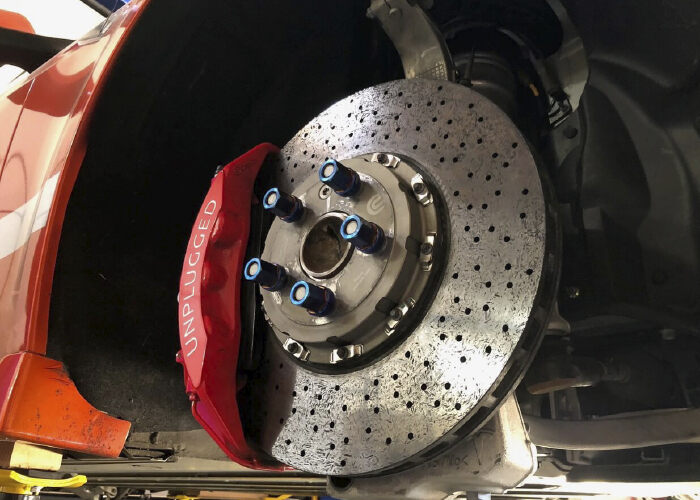
Credit: www.brakeandfrontend.com
Factors Affecting Rotor Lifespan
Carbon ceramic brake rotors are known for their durability and high performance. Their lifespan depends on several key factors. These factors determine how long the rotors will last before needing replacement.
Understanding these elements helps in taking better care of your brake system. It also helps in making informed decisions about driving and maintenance.
Driving Habits
How you drive affects rotor wear. Hard braking causes more heat and stress on rotors. Frequent stop-and-go traffic adds to wear. Smooth and gentle braking extends rotor life. Avoiding aggressive driving helps keep rotors in good shape.
Environmental Conditions
Weather and road conditions impact rotor lifespan. Wet or salty roads cause corrosion. Dusty or sandy environments lead to rotor surface damage. High temperatures increase rotor wear. Cooler climates generally help rotors last longer.
Maintenance Practices
Regular inspection prevents rotor problems. Checking brake pads avoids rotor damage. Proper cleaning removes harmful debris. Timely replacement of worn parts extends rotor life. Neglecting maintenance shortens rotor lifespan significantly.
Typical Lifespan Range
Carbon ceramic brake rotors have a longer lifespan than many expect. They last far beyond typical brake rotors. Their durability makes them popular in sports and luxury cars. Understanding their typical lifespan helps you plan maintenance better.
Average Mileage
Carbon ceramic rotors usually last between 70,000 and 100,000 miles. Some users report even higher mileage with proper care. Their wear rate is slower than standard rotors. This means fewer replacements over the car’s life. Good driving habits can extend their lifespan further.
Comparison With Traditional Rotors
Traditional rotors often last around 30,000 to 70,000 miles. Carbon ceramic rotors last up to twice as long. They resist heat and wear better under heavy braking. Traditional rotors wear down faster with frequent stops. Carbon ceramic rotors keep braking performance consistent longer.

Credit: www.rebrake.de
Signs Of Wear And Damage
Carbon ceramic brake rotors are strong and last long. Still, they show signs of wear over time. Checking these signs helps keep your car safe. Early detection can prevent bigger problems and costly repairs. Watch for changes in how your brakes look and feel.
Visual Inspection Tips
Look at the surface of the rotors for cracks or deep grooves. Small cracks can appear from heat stress. Check for discoloration, which means overheating. Uneven wear or rough spots show rotor damage. Also, check the rotor thickness. Thin rotors need replacement soon. Use a gauge tool for accuracy. Clean rotors look smooth and uniform. Dirt or rust can hide damage, so clean before inspecting.
Performance Indicators
Listen for unusual noises when braking. Squealing or grinding sounds indicate wear. Notice if the brake pedal feels soft or spongy. Vibration or shaking during braking points to rotor problems. Longer stopping distances also signal rotor wear. Reduced brake performance means rotors may be damaged. Pay attention to warning lights on your dashboard. These signs show it is time to inspect or replace rotors.
Maintenance Tips To Extend Life
Carbon ceramic brake rotors offer excellent performance and durability. Proper care can make them last even longer. Small efforts in maintenance keep these rotors working well and safe. Here are some key tips to extend their life.
Cleaning Methods
Keep brake rotors clean to avoid dirt buildup. Use a soft brush or cloth to remove dust. Avoid harsh chemicals that may damage the rotor surface. Mild soap and water work well for cleaning. Dry the rotors completely to prevent rust or corrosion.
Brake Pad Compatibility
Use brake pads made for carbon ceramic rotors only. Wrong pads cause uneven wear and reduce rotor life. Check manufacturer recommendations before buying new pads. Proper pad materials provide better grip and less damage. Replace pads regularly to protect the rotors.
Regular Checkups
Inspect rotors frequently for cracks or grooves. Early detection prevents bigger problems and costly repairs. Check rotor thickness and surface condition during each service. Professional inspections help maintain performance and safety. Timely rotor replacement avoids brake failure.
Cost Considerations
Cost considerations play a big role in choosing carbon ceramic brake rotors. These rotors offer high performance but come with a price. Understanding the costs helps decide if they fit your budget and needs.
Knowing the costs also prepares you for future expenses. This way, you avoid surprises and plan better for maintenance.
Initial Investment
Carbon ceramic brake rotors cost much more than regular rotors. The price can be three to five times higher. This is due to the special materials and technology used. Buying these rotors is a serious financial step.
Car models that use these rotors often need custom parts. This adds to the initial cost. Still, many buyers accept this because of the rotors’ benefits.
Replacement Costs
Replacing carbon ceramic rotors is expensive. Each rotor can cost thousands of dollars. The process also requires skilled labor, which raises the price. Not all repair shops can handle these rotors.
But these rotors last much longer than steel ones. This means fewer replacements over time. That can save money in the long run.
Value Over Time
Carbon ceramic rotors hold value due to their durability. They resist wear and heat better than steel rotors. This means better performance for a longer time. The longer life can offset the high initial cost.
Fewer replacements and less maintenance add to their value. Many drivers find the cost worth the benefits. The rotors provide peace of mind and consistent braking power.
Upgrading Or Replacing Rotors
Upgrading or replacing carbon ceramic brake rotors is important for safe driving. These rotors last longer than regular ones but need care over time. Knowing when and how to replace them saves money and boosts performance.
Choosing the right time and type of rotor helps keep your car braking well. This section guides you through key steps to handle rotor upgrades or replacements properly.
When To Replace
Check rotors for cracks, deep grooves, or warping. These signs mean replacement is necessary. Also, listen for unusual noises during braking. If braking feels weak or uneven, inspect the rotors. Carbon ceramic rotors last long but not forever. Replace them after about 70,000 to 100,000 miles or if damaged.
Choosing The Right Rotor
Select rotors made for your car model. Quality matters for safety and performance. Carbon ceramic rotors vary in price and features. Pick rotors with good heat resistance and durability. Avoid cheap knock-offs as they wear faster. Consult your vehicle manual or a trusted shop for recommendations.
Professional Vs Diy Replacement
Replacing carbon ceramic rotors requires special tools and care. Professionals have experience and can ensure correct installation. DIY replacement is possible but risky without knowledge. Mistakes can damage rotors or brakes. If confident, follow step-by-step guides and use proper tools. Otherwise, trust a brake specialist for best results.
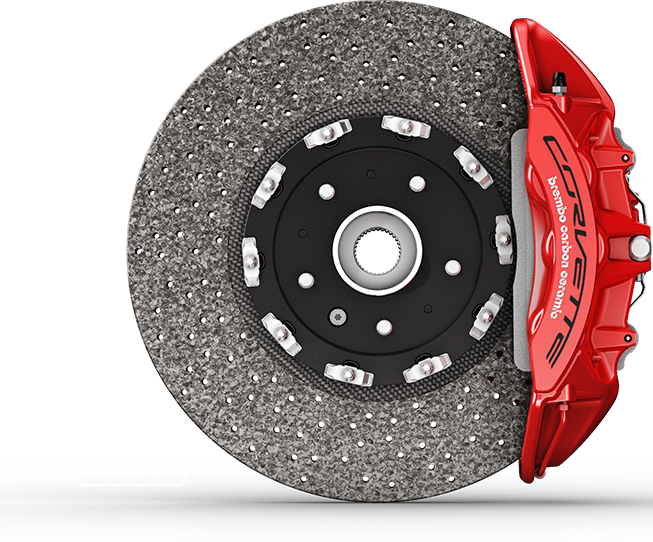
Credit: weaponxmotorsports.com
Frequently Asked Questions
How Long Do Carbon Ceramic Brake Rotors Typically Last?
Carbon ceramic brake rotors usually last between 70,000 and 100,000 miles. Their lifespan depends on driving habits and conditions. Regular maintenance helps maximize durability and performance.
What Factors Affect Carbon Ceramic Rotor Lifespan?
Heat, driving style, and road conditions impact rotor life. Aggressive braking and frequent high-speed stops cause faster wear. Proper cooling and maintenance extend rotor durability significantly.
Are Carbon Ceramic Rotors More Durable Than Steel Rotors?
Yes, carbon ceramic rotors offer superior heat resistance and last longer. They resist warping and wear better than steel rotors. This makes them ideal for high-performance vehicles.
How Can I Tell When Rotors Need Replacement?
Look for visible grooves, cracks, or reduced braking performance. Squealing noises and vibrations during braking also indicate wear. Regular inspections help detect rotor issues early.
Conclusion
Carbon ceramic brake rotors last much longer than regular ones. They can stay effective for over 70,000 miles. Proper care and driving habits can extend their life. These rotors resist heat and wear better than steel. They cost more upfront but save money over time.
Regular checks help spot any problems early. Choosing carbon ceramic rotors means fewer replacements and better performance. Consider your driving style and needs before deciding. Quality brakes keep you safe and your car reliable.


