

Have you ever wondered how much your car battery actually weighs? Knowing the weight of your car battery can help you understand more about your vehicle’s performance and maintenance.
Whether you’re planning to replace your battery or just curious, this information can save you time and effort. Keep reading to discover the average car battery weight and why it matters to you.
Credit: cmbatteries.com
Average Weight Of Car Batteries
Car batteries play a crucial role in starting your vehicle and powering its electrical systems. Knowing the average weight of a car battery helps in handling, replacement, and disposal. Car batteries come in different sizes and weights based on their type and capacity.
Common Weight Range
Most car batteries weigh between 30 and 50 pounds. Small cars usually have batteries on the lighter side, around 30 pounds. Larger vehicles like trucks or SUVs often use heavier batteries, close to 50 pounds. Some high-capacity or deep-cycle batteries can weigh even more, sometimes reaching 60 pounds or above.
Factors Influencing Weight
Battery size is a key factor affecting weight. Bigger batteries hold more power and contain more materials. The type of battery also matters. Lead-acid batteries are heavier due to their lead plates. Lithium-ion batteries weigh less but cost more. The battery’s capacity, measured in amp-hours, also influences weight. Higher capacity means more lead or other materials, increasing the weight.
Credit: www.hertz.com
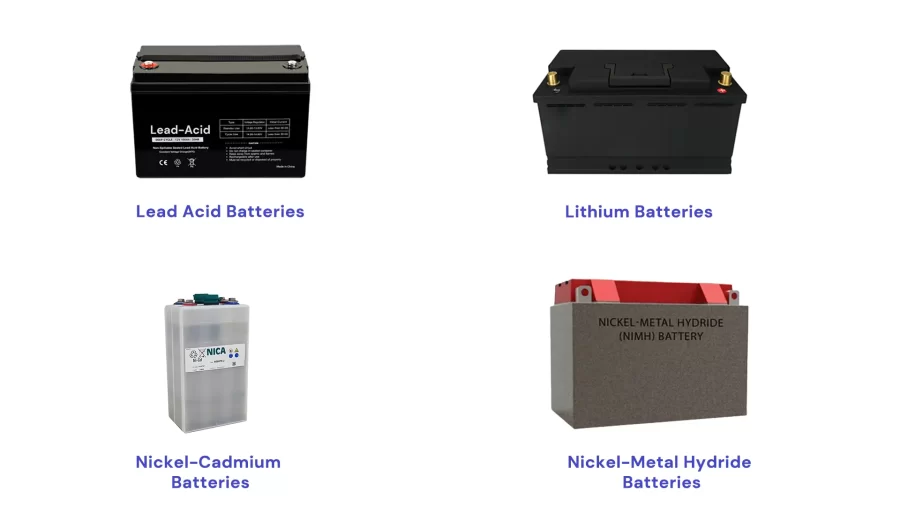
Types Of Car Batteries
Car batteries come in different types. Each type has a unique design and weight. Knowing these helps you understand how much they weigh. It also helps in choosing the right battery for your car.
Lead-acid Batteries
Lead-acid batteries are the most common type. They have a simple design and use lead plates inside. These batteries usually weigh between 30 to 50 pounds. They are heavy because of the lead used in them. Lead-acid batteries are affordable and reliable. Most older cars use this type of battery.
Agm Batteries
AGM stands for Absorbent Glass Mat. These batteries use glass mats to hold the acid inside. AGM batteries are lighter than lead-acid ones. They weigh around 25 to 40 pounds. AGM batteries last longer and handle vibrations well. Newer cars and those with more electronics often use AGM batteries.
Lithium-ion Batteries
Lithium-ion batteries are the newest type. They are much lighter than lead-acid or AGM. A lithium-ion car battery can weigh as little as 10 to 20 pounds. These batteries are strong and last a long time. They are common in electric and hybrid vehicles. Lithium-ion batteries cost more but save weight.
How Battery Weight Affects Vehicle Performance
The weight of a car battery plays a key role in how a vehicle performs. A heavier battery adds more mass to the car. This extra weight affects several parts of the vehicle’s operation. Understanding this helps in choosing the right battery for better driving experience.
Impact On Fuel Efficiency
Heavier batteries make the engine work harder. This leads to more fuel consumption. Cars with lighter batteries often use less fuel. Saving fuel means spending less money on gas. Every extra pound in the car demands more energy to move.
Effect On Handling And Balance
Battery weight changes the car’s balance. Heavier batteries can make the front of the car heavier. This affects how the car turns and handles curves. Cars with better weight distribution drive more smoothly. Proper balance helps keep the vehicle stable on roads.
Signs Your Car Battery May Be Too Heavy
Car batteries come in different sizes and weights. Some are heavier than others. A battery that is too heavy can cause problems with your car’s performance. It can also affect parts like the suspension and engine power. Knowing the signs of a heavy car battery helps you avoid damage and costly repairs.
Wear On Suspension
A heavy battery adds extra weight to the front of your car. This weight can put stress on the suspension system. Over time, you may notice the car sitting lower than usual. The suspension parts may wear out faster. You might hear strange noises when driving over bumps. These signs show the battery weight is too much for the suspension.
Reduced Acceleration
Extra battery weight can slow down your car’s acceleration. The engine has to work harder to move the heavier load. This means the car may feel sluggish when you press the gas pedal. You might notice it takes longer to reach higher speeds. Reduced acceleration is a clear sign of a battery that is too heavy for your car.
Tips For Choosing The Right Battery Weight
Choosing the right battery weight is important for your car’s performance. The battery weight affects how well it fits and works with your vehicle. A battery that is too heavy or too light can cause problems. Use these tips to pick the right battery weight.
Matching Manufacturer Specifications
Check your car’s manual for battery weight recommendations. The manufacturer sets the right weight for safety and function. Use a battery that matches these specs to avoid damage. A proper fit ensures good electrical flow and longer battery life.
Considering Vehicle Type
Different vehicles need different battery weights. Small cars usually need lighter batteries. Larger vehicles like trucks require heavier batteries for power. Choose a battery weight that suits your vehicle size and engine type. This keeps your car running smoothly and safely.

Credit: www.sustainabilitybynumbers.com
Recycling And Disposal Of Heavy Car Batteries
Car batteries are heavy and contain materials that need careful handling. Recycling and disposal of these batteries protect the environment and save resources. Proper methods reduce pollution and prevent health risks. Understanding how to recycle and dispose of car batteries helps everyone stay safe.
Environmental Concerns
Car batteries contain lead and acid. These substances can harm soil and water. If batteries are thrown in the trash, these materials may leak. This causes pollution and damages wildlife. Recycling helps keep these harmful chemicals out of nature. It also reduces the need to mine new materials.
Safe Disposal Methods
Take old batteries to a recycling center or auto shop. These places know how to handle heavy batteries safely. They recycle the lead, plastic, and acid properly. Never throw car batteries in regular trash bins. Use sealed containers to avoid spills during transport. Following safe disposal protects people and the planet.
Frequently Asked Questions
How Much Does An Average Car Battery Weigh?
An average car battery typically weighs between 30 to 50 pounds. The exact weight depends on the battery type and size. Standard lead-acid batteries are heavier, while newer lithium-ion types weigh less. Weight affects handling and installation ease.
What Factors Influence Car Battery Weight?
Car battery weight depends on its chemistry, size, and capacity. Lead-acid batteries contain heavy lead plates, increasing weight. Larger batteries with higher cold cranking amps weigh more. Advanced lithium batteries weigh less but may cost more.
Does Battery Weight Affect Car Performance?
Battery weight has minimal direct impact on car performance. However, heavier batteries can slightly reduce fuel efficiency. Lighter batteries improve weight distribution and handling. Overall, battery weight is a minor factor compared to engine and vehicle design.
How To Safely Handle Heavy Car Batteries?
Always wear gloves and eye protection when handling batteries. Use proper lifting techniques to avoid injury. Keep batteries upright to prevent acid spills. Dispose of old batteries at authorized recycling centers to protect the environment.
Conclusion
A car battery usually weighs between 30 and 50 pounds. This weight depends on the battery type and size. Knowing the weight helps when lifting or replacing it. Lighter batteries are easier to handle but may cost more. Heavier ones often last longer and hold more power.
Always check your car’s manual for the right battery weight. This keeps your vehicle safe and working well. Understanding battery weight also helps in recycling old batteries properly. Choose wisely to keep your car running smoothly.

