

Are you hearing strange noises when you hit the brakes? Or maybe your car feels less responsive when stopping?
These signs could mean it’s time to replace your brakes and rotors. But how much will that cost you? Understanding the expenses involved can help you avoid surprises and make smarter decisions for your car and budget. You’ll get clear answers about brake and rotor replacement costs, so you know exactly what to expect before you head to the mechanic.
Keep reading to protect your safety and your wallet.
Brake Replacement Costs
Brake replacement is a common car repair that keeps your vehicle safe. Knowing the cost helps you plan your budget. Brake pads wear out over time and need replacing to maintain good stopping power. Costs vary based on several factors. Understanding these can save you money and avoid surprises.
Average Price Range
Brake pad replacement usually costs between $100 and $300 per axle. Some luxury cars may cost more. This price includes parts and labor. The cost can be lower if you only replace the pads. Replacing rotors along with pads raises the price.
Factors Affecting Brake Costs
Car make and model impact brake costs significantly. Larger vehicles or performance cars need special parts. Labor rates differ by location and shop type. Brake wear level matters too. If rotors need replacing, expect higher costs. Quality of parts also affects the final price.
Oem Vs Aftermarket Parts
OEM parts come from the car’s manufacturer. They fit perfectly and last longer but cost more. Aftermarket parts are cheaper and widely available. Quality varies, so choose trusted brands. Some aftermarket pads wear faster or create noise. Consider your budget and driving needs before deciding.
Rotor Replacement Costs
Replacing rotors is an important part of brake maintenance. Rotors work with brake pads to stop your car safely. Over time, rotors wear out or get damaged. Knowing rotor replacement costs helps you plan your car repairs better.
Typical Price Range
Rotor replacement usually costs between $150 and $300 per axle. This price includes parts and labor. Some cars may cost less, others more. Luxury or sports cars often have higher costs.
Influencing Factors
Several things affect the price of rotor replacement. The car’s make and model is a major factor. Labor costs vary by location and shop. The rotor’s quality and type also change the price. Sometimes, extra repairs raise the total cost.
Types Of Rotors And Pricing
There are different types of rotors. Standard rotors cost less but last shorter. Drilled or slotted rotors improve cooling and performance. These usually cost more. High-performance rotors are the most expensive. Choose rotors based on your driving needs and budget.
Labor Charges Explained
Labor charges make up a big part of the total cost for brake and rotor replacement. These fees cover the time and skill a mechanic uses to fix your brakes. Understanding labor charges helps you know what you pay for and why prices can differ.
Several factors affect labor costs. These include the mechanic’s hourly rate and the job’s difficulty. Knowing these details can help you plan your budget better.
Hourly Rates Variations
Mechanics charge different hourly rates based on location and shop type. Urban areas usually have higher rates than rural ones. Dealerships often charge more than local repair shops. Rates can range from $70 to $150 per hour. The exact rate depends on the shop’s reputation and experience.
Complexity And Time Required
Brake and rotor replacement can take from one to three hours. The time depends on the car model and brake system. Some cars have easy-to-access brakes, while others are more complex. More complex jobs take longer and cost more in labor. Extra tasks, like removing rust or cleaning parts, add to the time needed.

Credit: shop.advanceautoparts.com
Signs You Need Replacement
Knowing the signs of brake and rotor wear helps avoid costly repairs. Early detection keeps your car safe and running smoothly. Pay attention to sounds, vibrations, and changes in braking performance. These clues tell you when to replace parts.
Brake Pad Wear Indicators
Brake pads have built-in wear indicators. They create a high-pitched squealing noise when pads are thin. This sound warns you to replace the pads soon. Also, check if the brakes feel less responsive. A soft or spongy brake pedal means the pads may be worn out. Ignoring these signs can damage other parts of the braking system.
Rotor Damage Symptoms
Rotors wear down over time and show clear signs of damage. Look for vibrations or pulsing in the brake pedal during stops. Deep grooves or scoring on the rotor surface also signal trouble. Warped rotors cause uneven braking and noise. If you notice any of these symptoms, the rotors likely need replacement or resurfacing.
Diy Vs Professional Service
Choosing between DIY and professional brake and rotor replacement matters for cost and safety. Both options have clear benefits and risks. Understanding these can help you decide what works best for your car and budget.
Pros And Cons Of Diy
Doing the job yourself can save money on labor. Parts cost less when bought separately. You learn about your car’s brakes, which can help later.
DIY needs tools and space. Mistakes can cause brake failure, risking safety. The process takes time, especially without experience. Some cars have complex brake systems, hard to fix alone.
When To Choose A Mechanic
A mechanic is best for complicated brake jobs. They have tools and training for safe, fast repairs. Professionals spot hidden problems early, preventing bigger costs.
If you lack time or confidence, a mechanic saves stress. Also, warranties on work give peace of mind. For newer or expensive cars, professional service protects your investment.
Cost-saving Tips
Brake and rotor replacement costs can add up quickly. Saving money is possible with smart choices. Small efforts can lower your expenses. Focus on parts and care to extend their life.
Shopping For Parts
Buy parts from trusted stores. Compare prices online and offline. Choose quality over the cheapest option. Low-quality parts wear out faster. Check for warranties and return policies. Sometimes, OEM parts cost less in the long run. Avoid impulse buying to save money.
Maintenance To Extend Lifespan
Regular checks keep brakes working well. Clean rotors and pads to prevent damage. Avoid hard braking that wears parts quickly. Keep tires properly inflated for even wear. Schedule brake inspections every few months. Proper care delays replacement needs. Save money by fixing small issues early.
Regional Price Differences
Brake and rotor replacement costs vary widely depending on the region. Local factors like labor rates and parts availability play a big role. Understanding regional price differences helps plan your budget better. This section explores how costs change between urban and rural areas and across countries.
Urban Vs Rural Costs
Urban areas usually have higher labor rates. More mechanics and shops compete, but demand drives prices up. Parts might be easier to find, which can lower costs slightly. Rural areas often have fewer repair shops. Labor may cost less, but parts can be more expensive or take longer to get. Travel distance to the shop also affects total cost. Overall, urban brake and rotor replacement often costs more than rural.
Country-specific Variations
Brake and rotor replacement costs differ greatly by country. Countries with higher wages and taxes charge more for labor. Parts prices also vary due to import fees and manufacturing sources. In some countries, government regulations affect service pricing. Currency value and economic conditions influence costs too. Knowing your country’s typical prices helps avoid surprises. Comparing local rates before booking saves money and time.

Credit: www.youtube.com
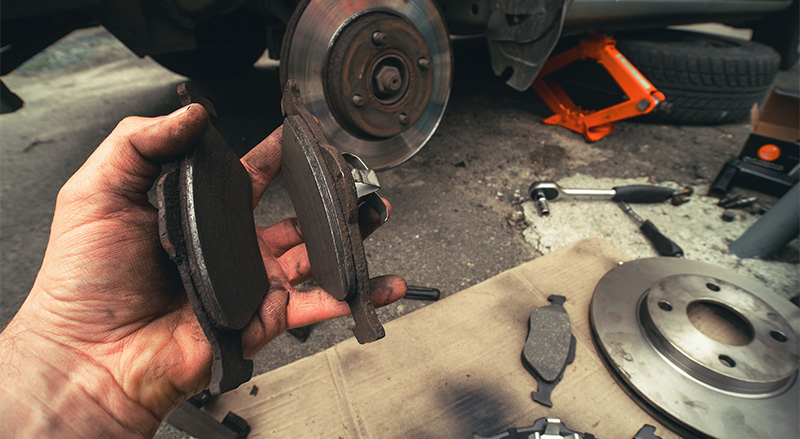
Credit: blog.napacanada.com
Frequently Asked Questions
How Much Does Brake And Rotor Replacement Usually Cost?
Brake and rotor replacement costs range from $250 to $500 on average. Labor and parts prices vary by vehicle model and location. Premium vehicles or performance parts may increase costs. Always get an estimate from a trusted mechanic before proceeding.
What Factors Affect Brake And Rotor Replacement Prices?
Costs depend on vehicle type, labor rates, and parts quality. OEM parts cost more than aftermarket options. Rotor size and brake pad material also influence price. Location and mechanic expertise can impact the final bill.
How Often Should Brakes And Rotors Be Replaced?
Brakes and rotors typically need replacement every 30,000 to 70,000 miles. Driving habits and road conditions affect wear rate. Regular inspections help detect wear early and avoid costly repairs. Follow your vehicle’s maintenance schedule for best results.
Can I Replace Brake Pads Without Changing Rotors?
Yes, brake pads can be replaced alone if rotors are in good condition. However, worn or damaged rotors should be replaced to ensure safety. Mechanics often recommend replacing both simultaneously for optimal braking performance.
Conclusion
Brake and rotor replacement costs vary by car type and location. Quality parts and skilled labor affect the price. Regular checks help avoid costly repairs later. Choose trusted mechanics for safety and better service. Knowing the cost helps you plan your budget wisely.
Keep your brakes in good shape for safe driving. Don’t ignore brake noise or poor stopping power. Timely replacement saves money and prevents accidents. Stay informed and maintain your vehicle well. Safe brakes mean peace of mind on the road.


