

Have you ever wondered how long your brake pads and rotors can keep your car stopping safely? Knowing their lifespan is key to avoiding unexpected repairs and staying safe on the road.
If you ignore worn brakes, you risk costly damage or even accidents. You’ll discover how to tell when it’s time to replace these crucial parts and what factors affect their durability. Keep reading to protect your car, your wallet, and most importantly, yourself.
Credit: www.landroveralbuquerque.com
Brake Pads Lifespan
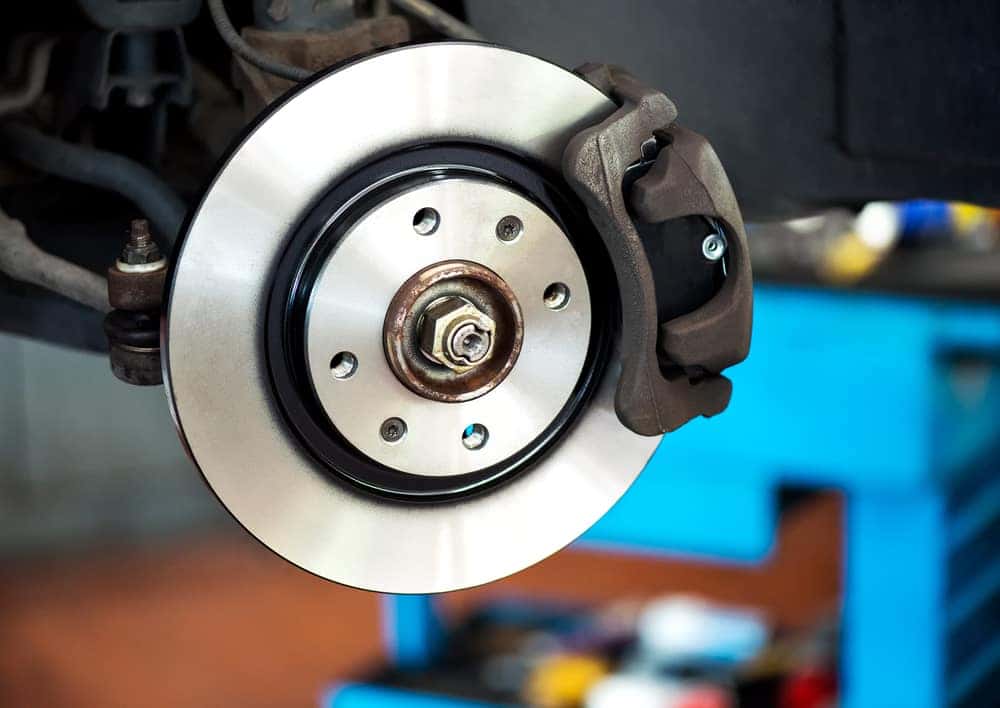
Brake pads are a key part of your car’s braking system. They press against the rotors to stop your vehicle. Knowing how long brake pads last helps keep you safe on the road. Their lifespan depends on many things. Let’s explore how long you can expect brake pads to last.
Typical Mileage Range
Brake pads usually last between 30,000 and 70,000 miles. Some pads wear out faster, around 20,000 miles. Others last more than 70,000 miles. The exact mileage depends on driving habits and conditions.
Factors Affecting Wear
Driving style affects brake pad wear a lot. Hard braking wears pads faster. City driving with many stops also reduces lifespan. Road type matters too. Hilly areas cause more brake use. The type of brake pads matters. Some materials last longer than others.
Signs Of Worn Brake Pads
You can tell if brake pads are worn by sound and feel. Squealing or screeching noises mean pads may need replacing. A grinding sound means the pads are very worn. The brake pedal may feel soft or spongy. Longer stopping distances also signal worn pads.

Credit: www.greatwater360autocare.com
Rotor Lifespan
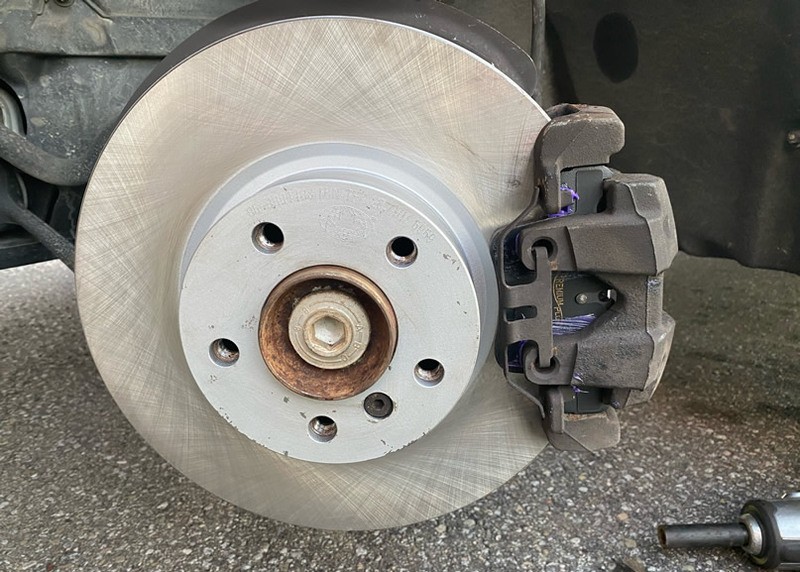
Rotors are a key part of your car’s braking system. They work with brake pads to stop your vehicle safely. Knowing how long rotors last helps you avoid costly repairs and keeps you safe on the road.
Average Durability
Rotors usually last between 30,000 and 70,000 miles. This range depends on the rotor quality and the vehicle type. Some rotors wear out faster if they are thin or made from softer material. Regular checks can extend their lifespan.
Impact Of Driving Habits
Hard braking and frequent stops wear rotors faster. Driving in the city with many stoplights can shorten rotor life. Smooth, gentle braking helps rotors last longer. Carrying heavy loads or towing also increases wear on rotors.
Indicators Of Rotor Damage
You may feel vibrations or pulsing when braking if rotors are damaged. A grinding noise can also mean the rotors are worn out. Visual cracks or deep grooves on the rotor surface show it needs replacement.
Types Of Brake Pads And Rotors
Brake pads and rotors come in different types. Each type affects how long they last and how well they work. Knowing the differences helps choose the right parts for your vehicle. This section explains the main types of brake pads and rotors.
Ceramic Vs. Semi-metallic Pads
Ceramic brake pads are quiet and produce less dust. They last longer and handle heat well. These pads are gentle on rotors and work best for daily driving.
Semi-metallic pads have metal fibers inside. They provide strong stopping power and cool down fast. These pads wear rotors quicker and make more noise. They fit better for heavy-duty or sporty driving.
Standard Vs. Performance Rotors
Standard rotors are made for regular driving. They are smooth and affordable. These rotors last a long time under normal use.
Performance rotors have special designs like slots or holes. These help cool the brakes and improve stopping power. They wear out faster but work well in tough driving conditions.
Maintenance Tips To Extend Lifespan
Proper care helps brake pads and rotors last longer. Simple steps keep your brakes safe and working well. Regular care also saves money on repairs.
Regular Inspections
Check brake pads and rotors often for wear. Look for cracks, grooves, or thin pads. Early signs help avoid big problems. A quick look every month is enough.
Proper Driving Techniques
Drive smoothly to reduce brake wear. Avoid hard stops and sudden braking. Use engine braking on downhill roads. These habits lower heat and pressure on brakes.
Timely Replacement
Replace pads before they wear out completely. Worn pads damage rotors and increase costs. Follow the car manual for replacement times. Don’t wait until brakes make noise or vibrate.
Cost Implications Of Brake Maintenance
Brake maintenance affects your wallet more than you expect. Regular checks and timely replacements can save money. Ignoring brake wear leads to costly repairs and unsafe driving. Understanding the cost implications helps plan your vehicle budget better.
Replacement Costs
Brake pads usually cost less than rotors. Pads can range from $30 to $100 per set. Rotors are pricier, often between $40 and $150 each. Labor charges add to the total, varying by shop and location. Replacing both pads and rotors at once may cost $200 to $400. Cheaper parts may wear faster and cause more damage.
Long-term Savings
Maintaining brakes regularly extends their life. It reduces chances of sudden failures and accidents. Timely replacement prevents damage to other parts. Good brakes improve fuel efficiency by reducing strain. Investing in quality parts saves money over time. Regular inspections catch problems early and lower repair bills. Spending on maintenance today avoids expensive fixes tomorrow.
Credit: www.allrotors.com
Frequently Asked Questions
How Long Do Brake Pads Typically Last?
Brake pads usually last between 30,000 and 70,000 miles. Their lifespan depends on driving habits, vehicle type, and pad quality. Regular inspections help ensure timely replacement and maintain braking efficiency.
When Should Rotors Be Replaced?
Rotors typically need replacement every 50,000 to 70,000 miles. Signs of wear include warping, grooves, or thinning. Proper rotor maintenance ensures smooth braking and prevents damage to brake pads.
Can Driving Habits Affect Brake Pad Lifespan?
Yes, aggressive braking and stop-and-go traffic shorten brake pad life. Smooth, gradual braking extends pad lifespan. Adjusting driving style can save money on brake repairs.
How Can I Tell If Brake Pads Need Replacing?
Squeaking noises, reduced braking performance, or a brake warning light indicate worn pads. Visual inspection can reveal pad thickness. Timely replacement avoids rotor damage and ensures safety.
Conclusion
Brake pads and rotors wear out over time and need checking. Most brake pads last between 30,000 and 70,000 miles. Rotors can last longer but may need replacement too. Driving habits and road conditions change their lifespan. Regular inspections help catch wear early and keep driving safe.
Don’t wait for noises or vibrations to fix brakes. Timely maintenance saves money and avoids bigger problems. Keep your brakes in good shape for peace of mind on every trip. Simple care goes a long way in brake safety.


