Are your brakes making strange noises or not stopping as smoothly as before? If so, you might be wondering, how much does replacing rotors and brake pads cost?
Knowing the answer can save you from unexpected expenses and help you make smart decisions about your car’s maintenance. You’ll get a clear breakdown of the costs involved, what affects the price, and tips to avoid overspending. Keep reading to find out exactly what you need to budget for and how to keep your brakes in top shape without breaking the bank.
Credit: blog.napacanada.com
Factors Influencing Replacement Costs
Replacing rotors and brake pads is not the same for every car. Several factors change how much you will pay. Understanding these can help you plan your budget better.
Costs vary by vehicle type, parts quality, labor fees, and service location. Each plays a big role in the final price.
Type Of Vehicle
Different cars need different brake parts. Small cars often have cheaper parts. Trucks and luxury vehicles usually require costly, specialized rotors and pads. The size and model of your vehicle affect the total cost.
Quality Of Parts
Brake parts come in many qualities. Low-cost parts may wear out quickly. High-quality parts last longer but cost more upfront. Choosing the right quality balances price and safety.
Labor Charges
Mechanic fees vary widely. Some shops charge by the hour. Others offer flat rates. Complex brake systems take longer to fix, raising labor costs. The skill level of the technician also matters.
Location And Service Center
Prices differ by region and shop type. Urban areas often have higher rates. Dealerships tend to be pricier than independent garages. Always check several centers before deciding.
Credit: www.ebay.com
Cost Breakdown For Rotors
Understanding the cost of replacing rotors helps you plan your car maintenance budget. Rotors wear out over time and affect your braking safety. The price depends on several factors like type, location, and material. Below is a clear breakdown of rotor costs to help you make smart decisions.
Average Price Of Rotors
The average price for one rotor ranges between $30 and $75. This price covers standard rotors for most cars. Luxury or performance vehicles often have higher costs. Labor charges for installation usually add $80 to $150. Replacing both rotors on one axle doubles the rotor parts cost.
Differences Between Front And Rear Rotors
Front rotors generally cost more than rear rotors. Front brakes handle more force and heat, so they are larger. Rear rotors are smaller and less expensive. Some cars use drum brakes at the rear, which changes the cost. Knowing which rotors your car uses helps avoid extra charges.
Impact Of Rotor Material
Rotor material greatly affects the price. Cast iron rotors are common and affordable. They offer good performance for daily driving. Composite or carbon-ceramic rotors cost much more. These materials last longer and resist heat better. Choosing the right material depends on your driving style and budget.
Cost Breakdown For Brake Pads
Understanding the cost of brake pads is key for budgeting a brake repair. Brake pads wear out over time and need replacement to keep your car safe. Prices vary based on brand, quality, and type. Knowing the cost helps you make smart choices.
Here is a clear breakdown of brake pad costs to guide you.
Average Price Of Brake Pads
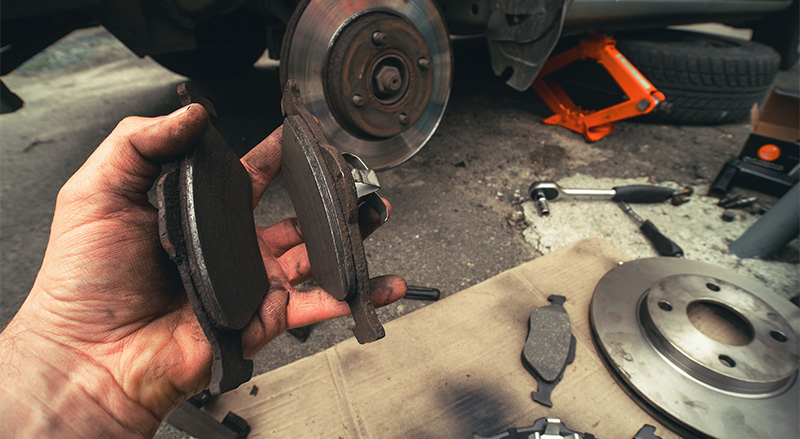
Brake pads usually cost between $30 and $100 for a full set. Economy pads fall near $30 to $50. Mid-range pads average $50 to $75. Premium pads can reach $75 to $100 or more. Labor charges add extra cost if a mechanic installs them.
Types Of Brake Pads
Semi-metallic pads are common and affordable. They last longer but can be noisy. Ceramic pads cost more but offer quiet braking and less dust. Organic pads are softer and cheaper but wear out faster. Choose pads based on driving style and budget.
Performance Vs. Cost
Higher-cost pads often deliver better stopping power. Premium pads resist heat and wear well on long drives. Budget pads work fine for city driving with less stress on brakes. Balance cost and performance to fit your needs and wallet.
.jpg)
Credit: www.cbac.com
Diy Vs Professional Replacement
Deciding between doing brake repairs yourself or hiring a professional can affect both cost and safety. Replacing rotors and brake pads is a common car maintenance task. It requires some skill and the right tools. Understanding the differences helps you make a wise choice.
Pros And Cons Of Diy
Doing the brake job yourself saves money on labor. Parts cost the same, but you avoid shop fees. You learn about your car and gain confidence. Yet, mistakes can be risky. Improper installation may cause brake failure. It takes time and patience to do it right. Not everyone has the skills or space for this work. Safety is the top concern when working on brakes.
Tools Required For Replacement
You need a few basic tools to replace rotors and pads. A jack and jack stands lift and support the car. Lug wrench removes the wheels. Socket set and wrenches take off calipers and bolts. C-clamp or brake caliper tool pushes the piston back. Brake cleaner and rags help with cleaning. Having all tools ready makes the job easier and safer.
When To Seek Professional Help
Choose a mechanic if unsure about your skills. Strange noises or brake vibrations need expert diagnosis. Complex brake systems require special tools and knowledge. Professionals offer warranties on parts and labor. If the job takes too long or feels unsafe, stop and call a shop. Proper brake function is vital for your safety and others on the road.
Signs You Need To Replace Rotors And Pads
Knowing the signs of worn rotors and brake pads can save your car and your safety. These parts wear down over time and need replacement to keep brakes working well. Early detection helps avoid costly repairs and dangerous driving conditions.
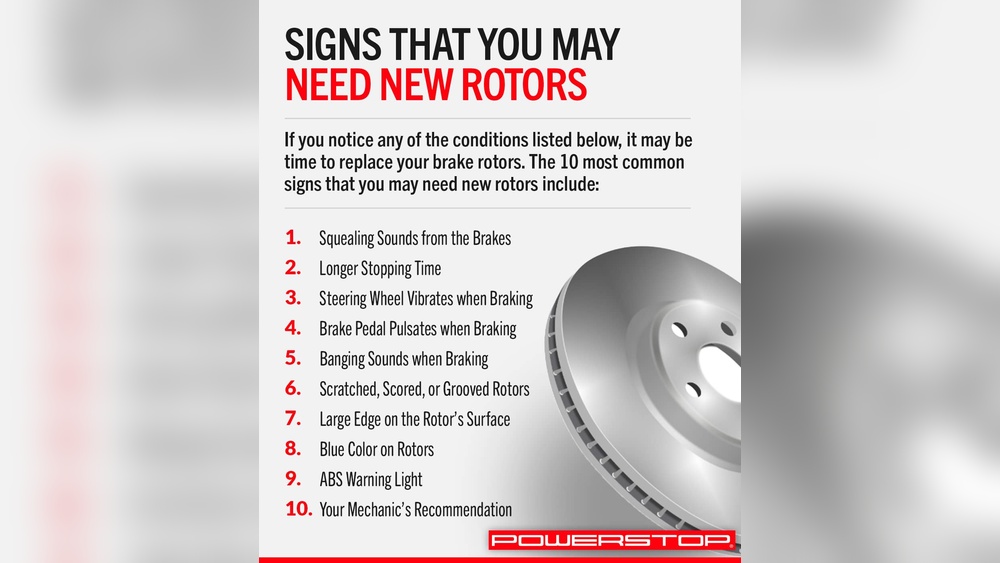
Squeaking Or Grinding Noises
Squeaking sounds come from worn brake pads rubbing on the rotor. This noise means the pads have lost their protective layer. Grinding noises are worse and show metal parts scraping together. Both sounds need immediate attention.
Vibrations While Braking
Feel vibrations or shaking when pressing the brake pedal? This often means the rotors are warped or uneven. Warped rotors cause the brake pads to hit unevenly. This reduces braking smoothness and control.
Reduced Braking Performance
Longer stopping distances or a soft brake pedal point to worn brake parts. Pads and rotors lose their ability to grip and slow the car. Reduced braking power is dangerous and requires quick replacement.
Ways To Save On Replacement Costs
Replacing rotors and brake pads can be expensive. Finding ways to save money helps keep your car safe without overspending. Small changes and smart choices reduce costs. Here are some simple ways to cut down the price of replacement parts and labor.
Choosing Quality Aftermarket Parts
Aftermarket parts cost less than brand-name parts. They often work just as well. Choose parts from trusted brands with good reviews. Avoid very cheap parts that wear out fast. Quality aftermarket parts balance cost and performance. They keep your brakes safe and save money.
Regular Maintenance Tips
Check your brakes often. Cleaning rotors and pads helps them last longer. Avoid hard braking that wears parts quickly. Follow your car’s maintenance schedule. Regular checks catch problems early. Fix small issues before they turn expensive. Well-maintained brakes need fewer replacements.
Comparing Service Quotes
Get quotes from several repair shops. Prices can vary a lot. Ask what parts and labor costs include. Choose a shop with fair prices and good reviews. Don’t pick the cheapest option only. A fair price and quality work protect your investment. Comparing saves money and ensures good service.
Frequently Asked Questions
How Much Do Brake Pads And Rotors Replacement Cost?
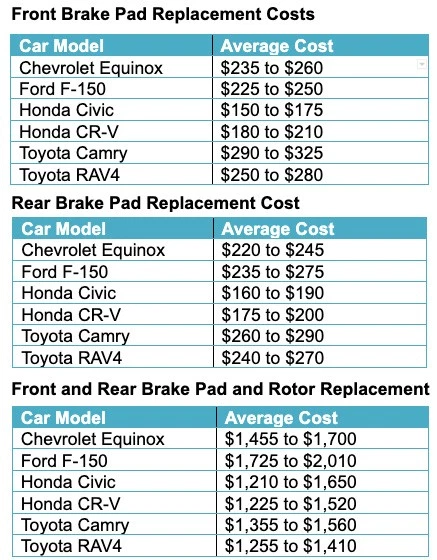
Replacing brake pads and rotors typically costs between $250 and $500. Prices vary based on vehicle type, parts quality, and labor charges.
What Factors Affect Brake Rotor And Pad Replacement Price?
Costs depend on vehicle model, parts quality, labor rates, and location. High-performance vehicles or premium parts increase the total expense.
How Often Should Rotors And Brake Pads Be Replaced?
Brake pads usually need replacement every 30,000 to 70,000 miles. Rotors last longer but may need replacing every 50,000 to 70,000 miles.
Can I Replace Brake Pads Without Changing Rotors?
Yes, you can replace pads alone if rotors are in good condition. However, replacing both improves braking performance and safety.
Conclusion
Replacing rotors and brake pads costs vary by car and location. Parts and labor affect the final price. Regular maintenance helps avoid bigger expenses later. Choosing quality parts ensures safety and longer use. Always compare quotes from trusted mechanics nearby.
Staying on top of brake care keeps driving safe. Don’t delay repairs to save money and stress. Understanding costs helps you plan your budget better. Safe brakes mean peace of mind on every trip.