

Are you wondering, “How much for a fuel filter change?” You’re not alone. Keeping your car’s fuel filter in good shape is key to smooth engine performance and saving money in the long run.
But the cost can vary, and that’s what you need to know before you book an appointment. You’ll discover the real price range, factors that affect the cost, and tips to make sure you get the best value. Keep reading to avoid surprises and keep your car running like new.

Credit: www.sbautocare.co.uk
Fuel Filter Basics
The fuel filter is a small but important part of your car. It cleans the fuel before it reaches the engine. This keeps the engine safe from dirt and rust. A clean fuel filter helps your car run smoothly. It also improves fuel efficiency and engine life.
Over time, the fuel filter gets dirty. It can block the fuel flow and cause problems. Knowing about the fuel filter helps you keep your car healthy.
Role In Your Vehicle
The fuel filter stops dirt and debris from entering the engine. It protects the fuel injectors and other parts. Clean fuel means better engine performance. The filter works all the time while the engine runs. It helps maintain steady fuel flow and engine power.
Signs Of A Clogged Filter
A clogged fuel filter makes your car hard to start. You may notice rough engine running or stalling. The engine might lose power during acceleration. Fuel efficiency can drop quickly. Strange noises from the engine or bad smells are also signs. These issues mean it is time to change the filter.
Factors Affecting Cost
The cost of a fuel filter change varies based on several factors. Understanding these can help you plan your budget better. Prices differ due to vehicle type, filter quality, and labor charges. Each factor plays a key role in the overall expense.
Type Of Vehicle
Different vehicles need different fuel filters. Larger or luxury cars often require expensive filters. Older models may need special parts that cost more. Some vehicles have filters that are hard to reach. This can increase the time and cost of replacement.
Filter Quality
Fuel filters come in various qualities. Cheap filters cost less but may wear out quickly. High-quality filters last longer and protect the engine better. Choosing a better filter can save money on repairs later. The brand also affects the price of the filter.
Labor Charges
Labor costs depend on the mechanic and location. Some shops charge more for their service. Complex vehicles need more time to change the filter. This adds to the labor cost. Always ask for a clear price before work begins.
Average Price Range
The cost of changing a fuel filter varies based on several factors. Knowing the average price range helps you plan your budget. Prices can differ depending on the method of service and your location. Understanding these differences makes the process clearer and easier.
Diy Vs Professional Service
Doing the fuel filter change yourself saves money on labor. The filter part usually costs between $10 and $30. Tools and time are needed for a proper job. Professional service includes labor and parts, raising the cost. Expect to pay around $50 to $150 at a shop. Professionals have experience and equipment for a quick, clean change.
Regional Price Differences
Prices vary by region due to labor and part costs. Urban areas often have higher prices than rural ones. Some states or countries may charge more for automotive services. Local taxes and fees also affect the total cost. Checking prices in your area helps avoid surprises. Comparing nearby shops can find the best deal for fuel filter change.
Where To Get It Done
Choosing the right place for a fuel filter change affects cost and quality. Options vary in price, expertise, and convenience. Knowing where to go helps you save money and get good service.
Dealerships
Dealerships use original parts for fuel filter changes. Their mechanics know your car model well. Prices tend to be higher here. The service is thorough and reliable. Warranty on parts and labor is often included.
Independent Mechanics
Independent shops offer competitive prices for fuel filter changes. Mechanics may have years of experience with many car brands. They often use quality aftermarket parts. Service can be faster than at dealerships. Customer service is usually personal and friendly.
Quick Lube Shops
Quick lube shops provide fast fuel filter changes. Prices are usually lower than other places. They focus on simple maintenance tasks. Quality and expertise may vary by location. Good choice for basic, quick service needs.
Tips To Save Money
Saving money on a fuel filter change is possible with smart choices. Small steps can cut costs without losing quality. Here are some tips to help you spend less on this important car maintenance.
Buying Filters Online
Online stores often sell fuel filters at lower prices than local shops. You can compare prices easily and find good deals. Look for trusted websites to avoid fake parts. Reading reviews helps pick the best filter for your car.
Regular Maintenance
Changing your fuel filter on time prevents bigger problems. A clean filter keeps your engine healthy and saves money on repairs. Follow the car maker’s schedule to avoid extra costs. Regular checks catch issues early and reduce expenses.
Coupons And Discounts
Many auto shops offer coupons or discounts for fuel filter changes. Check websites or apps for current deals before booking service. Signing up for newsletters can bring special offers. Even small discounts add up over time.
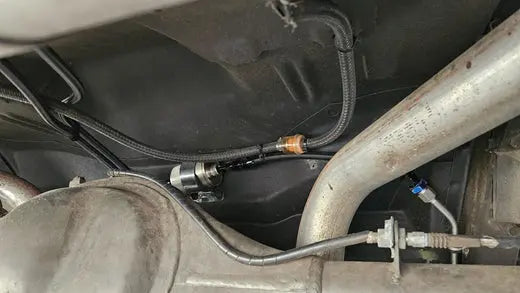
Credit: www.ievilenergy.com
When To Replace
Knowing when to replace your fuel filter is key to keeping your vehicle running smoothly. The fuel filter stops dirt and rust from entering the engine. Over time, it can get clogged and reduce fuel flow. This leads to poor engine performance and possible damage. Watch for signs and follow mileage recommendations to decide when to change it.
Mileage Guidelines
Most car makers suggest changing the fuel filter every 20,000 to 40,000 miles. Check your owner’s manual for exact numbers. Some cars with modern fuel systems may last longer. Older models might need more frequent changes. Sticking to mileage guidelines helps prevent engine problems.
Performance Issues
A clogged fuel filter can cause several problems. The engine may hesitate or stall during acceleration. You might notice a drop in power and fuel efficiency. Sometimes, the car may have trouble starting. Strange engine noises can also happen. These signs mean it is time to replace the fuel filter.

Credit: www.wikihow.com
Frequently Asked Questions
How Much Does A Fuel Filter Change Cost?
A fuel filter change typically costs between $50 and $150. Labor fees vary by location and vehicle model. Parts are generally affordable, but prices depend on filter quality and brand. Regular replacement prevents engine issues and maintains fuel efficiency.
How Often Should I Replace My Fuel Filter?
Most manufacturers recommend changing the fuel filter every 20,000 to 40,000 miles. This interval depends on your vehicle and driving conditions. Regular replacement ensures clean fuel flow, preventing engine damage and performance loss. Check your owner’s manual for specific guidelines.
Can I Change The Fuel Filter Myself?
Yes, changing a fuel filter yourself is possible with basic tools and knowledge. However, some vehicles have complex fuel systems requiring professional service. Always follow safety precautions and consult your vehicle manual before attempting a DIY fuel filter change.
What Factors Affect Fuel Filter Replacement Cost?
Fuel filter replacement cost depends on vehicle type, filter brand, and labor rates. Luxury or rare vehicles often have higher costs. Additionally, prices can vary by geographic location and whether you choose dealership or independent mechanics.
Conclusion
Changing a fuel filter helps keep your car running well. The cost depends on your vehicle and where you go. Doing it regularly can save you from big repairs later. Choose a trusted mechanic for the best price and service.
Remember, a clean fuel filter means better fuel flow and engine health. Keep an eye on your car’s maintenance schedule to avoid surprises. Simple steps like this keep your vehicle safe and efficient on the road.


