

Are you wondering, “How much will it cost to replace my fuel filter?” You’re not alone. Knowing the price ahead of time can save you from surprises and help you make smart decisions for your car.
You’ll find clear answers about fuel filter replacement costs, what affects the price, and how to get the best value. Keep reading to protect your engine and your wallet.
Fuel Filter Replacement Costs
Fuel filter replacement is a routine part of car maintenance. It keeps your engine clean by removing dirt and debris from fuel. Knowing the cost helps you plan your budget and avoid surprises. Costs vary based on several factors. Understanding these can help you make the best choice for your vehicle.
Average Price Range
The typical cost for fuel filter replacement ranges from $50 to $150. This price includes parts and labor. Some cars have more expensive filters, which raises the price. Simple models tend to have cheaper filters and lower labor costs. The total cost depends on the vehicle type and location.
Factors Affecting Cost
Car make and model impact the price significantly. Luxury or rare cars often need pricier parts. Labor rates differ by region and mechanic skill. The fuel filter’s location can make replacement easier or harder. Sometimes, extra repairs or cleaning add to the total cost. Choosing a quality filter may cost more but lasts longer.
Diy Vs Professional Service
Replacing the fuel filter yourself saves money. Parts cost less without labor fees. But the job needs proper tools and skills. Incorrect installation can damage the engine or cause leaks. Professional service ensures the job is done right. Mechanics have experience and tools for fast, safe replacement. For most, professional help is a safer choice.

Credit: www.autonationmobileservice.com
Signs You Need A New Fuel Filter
Knowing when to replace your fuel filter helps keep your car running smoothly. A clogged or dirty fuel filter can cause many problems. Watch for signs that your fuel filter needs changing. Acting early saves you from costly repairs and poor performance.
Engine Performance Issues
Your engine may hesitate or stall during driving. A bad fuel filter limits fuel flow to the engine. This causes rough idling or weak acceleration. The engine might also misfire or shake. These problems often mean the fuel filter is clogged.
Fuel Efficiency Drops
You may notice your car uses more fuel than usual. A blocked fuel filter makes the engine work harder. This lowers fuel efficiency and raises fuel costs. If your mileage suddenly falls, check the fuel filter first.
Starting Problems
Your car may take longer to start or fail to start. Fuel must flow freely for the engine to start. A dirty filter stops fuel from reaching the engine quickly. Hard starting or no start can signal a fuel filter issue.
Choosing The Right Fuel Filter
Choosing the right fuel filter is key for your vehicle’s health. The correct filter keeps the fuel clean and protects the engine from damage. Selecting the right one depends on several factors like filter type, vehicle compatibility, and quality. Understanding these points helps you pick the best option.
Types Of Fuel Filters
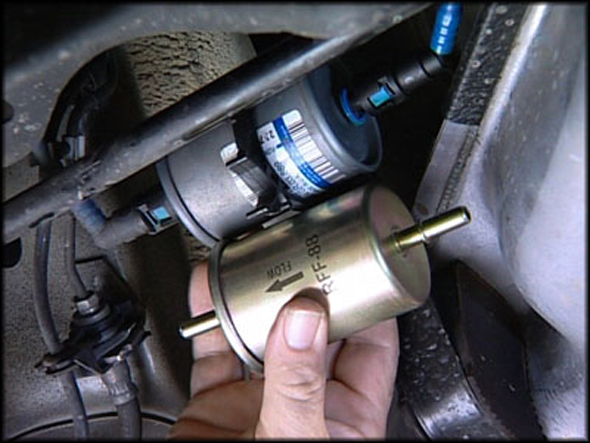
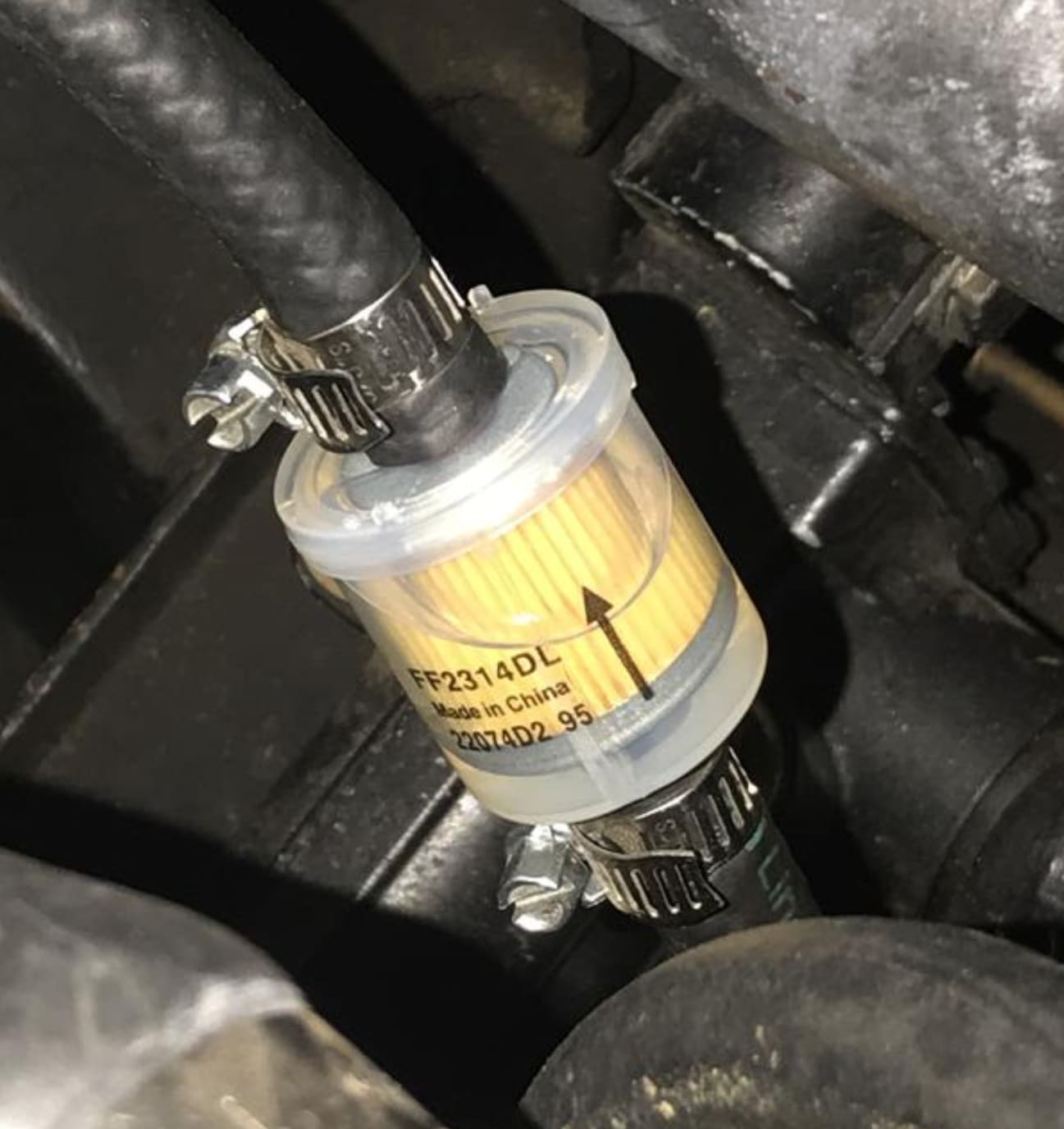
Fuel filters come in different types. Some are inline filters placed along the fuel line. Others sit inside the fuel tank. Each type serves the same purpose but fits different vehicle designs. Knowing the type your car uses is the first step to choose the right filter.
Compatibility With Vehicle
Not all fuel filters fit every vehicle. Your car’s make, model, and year determine the right filter size and shape. Using the wrong filter can cause leaks or poor engine performance. Check your vehicle manual or ask a mechanic for the exact match.
Quality And Brand Considerations
Quality matters for fuel filters. Low-quality filters may clog quickly or fail. Trusted brands use better materials and meet safety standards. A good brand filter lasts longer and protects the engine well. Choosing a reliable brand gives peace of mind and saves money over time.
Credit: germanformula.com
Steps To Replace A Fuel Filter
Replacing a fuel filter is key to keeping your vehicle running smoothly. Clean fuel helps the engine perform better. The process involves a few clear steps anyone can follow. Understanding these steps reduces the chance of mistakes and saves money on repairs.
Tools Required
You need a few basic tools to replace a fuel filter. Prepare a wrench or socket set for bolts. Have a flathead screwdriver ready. Get a new fuel filter that fits your car model. Use a container to catch fuel spills. Gloves and safety glasses protect your hands and eyes.
Safety Precautions
Fuel is flammable and dangerous. Work in a well-ventilated area outside. Avoid open flames or sparks near your workspace. Wear gloves to keep fuel off your skin. Use safety glasses to protect your eyes. Relieve fuel system pressure before starting. Keep a fire extinguisher nearby just in case.
Replacement Process
Start by disconnecting the car battery. Locate the old fuel filter, usually near the fuel tank or engine. Use the wrench to loosen the fuel lines carefully. Catch any fuel that drips out. Remove the old filter and replace it with the new one. Tighten the fuel lines securely to avoid leaks. Reconnect the battery and start the engine. Check for leaks and proper fuel flow. Your fuel filter replacement is complete.
Tips To Save On Fuel Filter Replacement
Fuel filter replacement can be costly if not managed well. Saving money on this service helps keep your car running smoothly without extra stress. Small actions make a big difference. Use these tips to spend less and get quality service.
Regular Maintenance
Check your fuel filter regularly. Follow the car maker’s schedule. Clean filters last longer and cost less to replace. Avoid waiting for signs of trouble. Catching problems early saves money and time.
Finding Reliable Mechanics
Choose trusted mechanics with fair prices. Ask friends or read reviews online. Avoid expensive dealerships for simple jobs. A good mechanic fixes your car right the first time. This stops repeated visits and extra bills.
Using Coupons And Discounts
Search for coupons and discounts online. Many shops offer deals for first-time customers. Use seasonal sales or holiday promotions. These offers lower the cost of parts and labor. Save money by planning your service during discounts.
Credit: www.autozone.com
Frequently Asked Questions
How Much Does Fuel Filter Replacement Cost?
Fuel filter replacement typically costs between $50 and $150. Prices vary by vehicle model and labor rates. Parts usually range from $15 to $50. Labor can add $30 to $100, depending on the mechanic and location.
When Should I Replace My Fuel Filter?
Replace your fuel filter every 20,000 to 40,000 miles. Check your vehicle’s manual for exact intervals. Signs like engine misfires or poor acceleration may indicate a clogged filter needing replacement.
Can I Replace The Fuel Filter Myself?
Yes, if you have basic mechanical skills and tools. Always relieve fuel system pressure first. Follow vehicle-specific instructions carefully to avoid damage or fuel leaks. Otherwise, consult a professional mechanic.
What Happens If I Delay Fuel Filter Replacement?
Delaying replacement may cause engine performance issues. A clogged filter restricts fuel flow, leading to poor acceleration and stalling. It can also reduce fuel efficiency and damage fuel injectors over time.
Conclusion
Fuel filter replacement costs vary by car and location. Regular changes keep your engine healthy and running smooth. Cheap filters might save money now but cause problems later. Quality parts and skilled labor ensure good results. Check prices from different mechanics before deciding.
Don’t ignore warning signs like engine misfires or poor fuel economy. Timely replacement helps avoid costly repairs down the road. Stay on top of maintenance to protect your vehicle’s lifespan. Simple steps can save money and hassle in the future.

