When it comes to your car’s safety, brakes and rotors are key players. But how much should you really expect to pay when it’s time to replace them?
If you’ve been putting off this repair or just want to know what’s fair, you’re in the right place. Understanding the costs ahead of time can save you from surprise bills and stress at the shop. Keep reading, and you’ll get clear, straightforward answers about the price of rotors and brakes—so you can make smart decisions for your car and your budget.
Brake System Basics
The brake system is a key part of any vehicle. It keeps you safe by slowing and stopping your car. Understanding how brakes work helps you know why repairs or replacements cost money.
Brakes include different parts that work together. Each part has a special job. Knowing these parts makes it easier to talk about costs for rotors and brakes.
Types Of Brakes
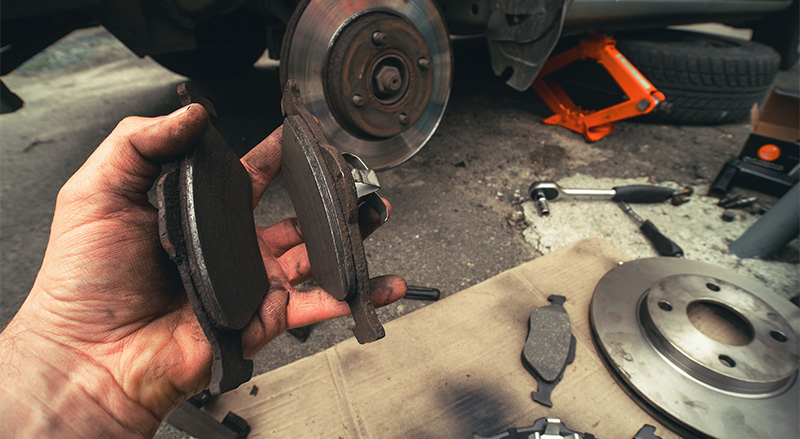
There are two main brake types: disc brakes and drum brakes. Disc brakes use a flat metal disc and pads. Pads press on the disc to stop the car. Drum brakes use a round drum and brake shoes. Shoes push against the drum to slow down.
Most modern cars use disc brakes on the front wheels. Some have disc brakes on all wheels. Drum brakes are common on older or smaller cars. Each type wears down over time and needs parts replaced.
Rotor Functions
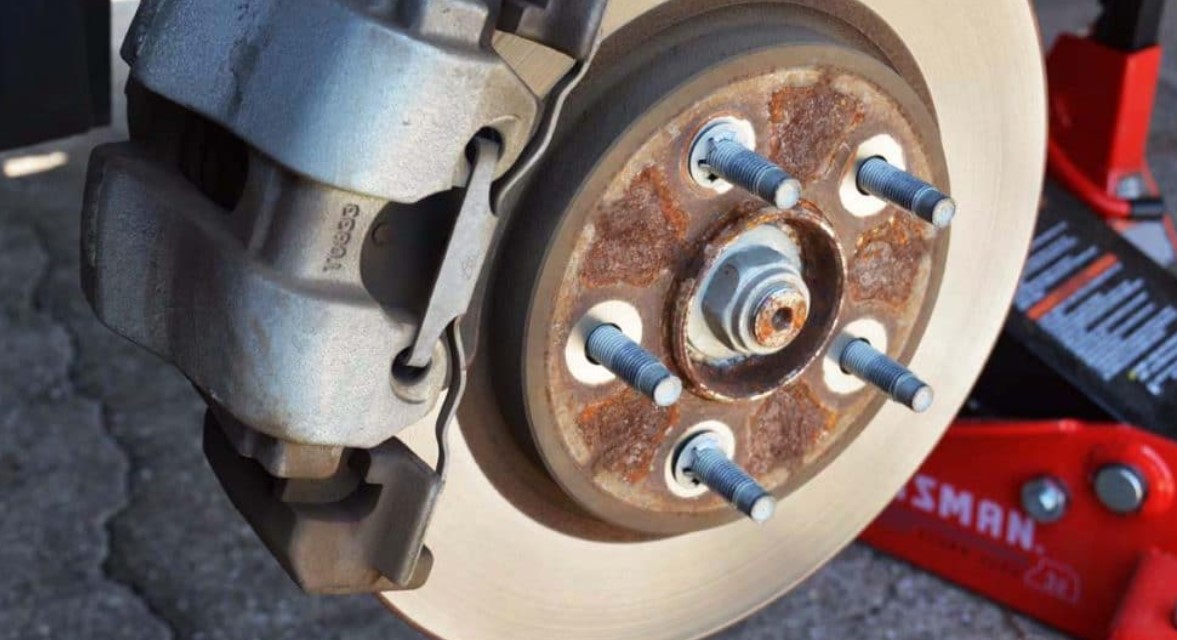
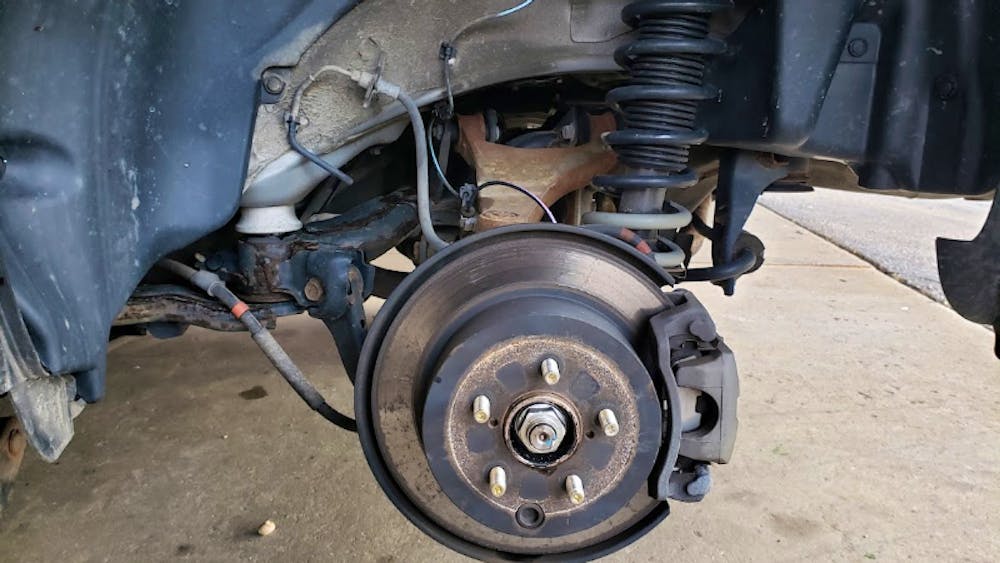
Rotors are the metal discs in disc brake systems. They spin with the wheels. When you press the brake pedal, pads squeeze the rotors. This creates friction, which slows the car.
Rotors also help cool the brakes. They have vents or holes to let heat escape. Too much heat can damage brake parts. Good rotors keep braking safe and smooth.
Factors Influencing Cost
Several factors affect the cost of rotors and brakes. These parts vary widely in price based on different reasons. Knowing these factors helps you plan your budget better. It also helps you understand why prices differ between vehicles and shops.
Vehicle Make And Model
The type of vehicle plays a big role in cost. Luxury cars often have pricier parts. Common models usually have cheaper, more available parts. Some vehicles need special rotors or brake pads, which raise prices. Older or rare cars may require custom parts. This can increase both parts and labor costs.
Rotor Material Options
Rotors come in different materials. Standard cast iron rotors are the most affordable. High-performance cars may use carbon or ceramic rotors. These materials last longer but cost more. Slotted or drilled rotors also cost extra. They improve braking but add to the price.
Brake Pad Variations
Brake pads have many types with different prices. Organic pads are cheaper and quieter. Semi-metallic pads offer better performance at a medium price. Ceramic pads are the most expensive but last longer. Each type affects braking feel and lifespan. Choosing the right pad depends on your needs and budget.
Labor Charges
Labor costs vary by location and shop. Dealerships often charge higher labor rates. Independent mechanics usually offer lower prices. The complexity of the brake system affects labor time. Some cars take longer to service than others. Always ask for a labor estimate before work begins.
Average Prices For Rotors
Understanding the average prices for rotors helps you plan your car maintenance budget. Rotors vary in cost based on type and quality. Knowing the price range can avoid surprises at the repair shop.
Standard Rotors
Standard rotors are the most common type used in everyday vehicles. They usually cost between $30 and $75 each. These rotors offer reliable performance for normal driving conditions. They are made from basic materials, such as cast iron.
Performance Rotors
Performance rotors are designed for enhanced braking power. They can cost from $75 to over $150 each. These rotors often have special features like slots or drilled holes. They work well for sporty driving or heavy use.
Oem Vs Aftermarket
OEM rotors come directly from the car manufacturer. They usually cost more, about $50 to $100 each. Aftermarket rotors are made by other companies and can be cheaper. Prices range from $30 to $80 depending on brand and quality. Both types can fit well, but OEM parts match original specs exactly.
Brake Pad Cost Breakdown
Understanding the cost of brake pads helps you plan car maintenance better. Brake pads vary in price based on material and quality. Each type offers different performance and durability. This breakdown explains the costs of common brake pad types.
Ceramic Pads
Ceramic brake pads are quiet and clean. They last longer than other types. The cost ranges from $50 to $100 per set. These pads create less dust and wear gently on rotors. They suit everyday driving and city use well.
Semi-metallic Pads
Semi-metallic pads contain metal fibers for strong braking. They cost between $30 and $70 per set. These pads handle heat better and stop quickly. They produce more noise and dust than ceramic pads. Ideal for heavy-duty or performance driving.
Organic Pads
Organic brake pads use natural materials and fibers. Their price is usually $20 to $50 per set. They are softer and quieter but wear faster. Organic pads work fine for light, low-speed driving. Good for budget-conscious drivers.
Installation And Labor Fees
Installation and labor fees affect the total cost of replacing rotors and brakes. These fees cover the work done by mechanics to remove old parts and install new ones. Labor charges vary depending on the place, type of vehicle, and service provider. Understanding these fees helps you plan your budget for brake repairs.
Diy Vs Professional Service
Doing the job yourself can save money on labor fees. Basic tools and knowledge are needed to replace rotors and brakes safely. Mistakes during DIY can cause damage or unsafe brakes. Professional services guarantee proper installation and often provide warranties. Choosing between DIY and professional depends on your skill level and comfort.
Typical Labor Rates
Labor costs for brake and rotor installation usually range from $70 to $150 per hour. Most brake jobs take 1 to 2 hours to complete. Labor fees may be higher for luxury or large vehicles. Some shops charge a flat fee for brake service. Ask for a clear estimate before agreeing to the work.
Credit: omegaautocare.com
Signs You Need New Rotors Or Brakes
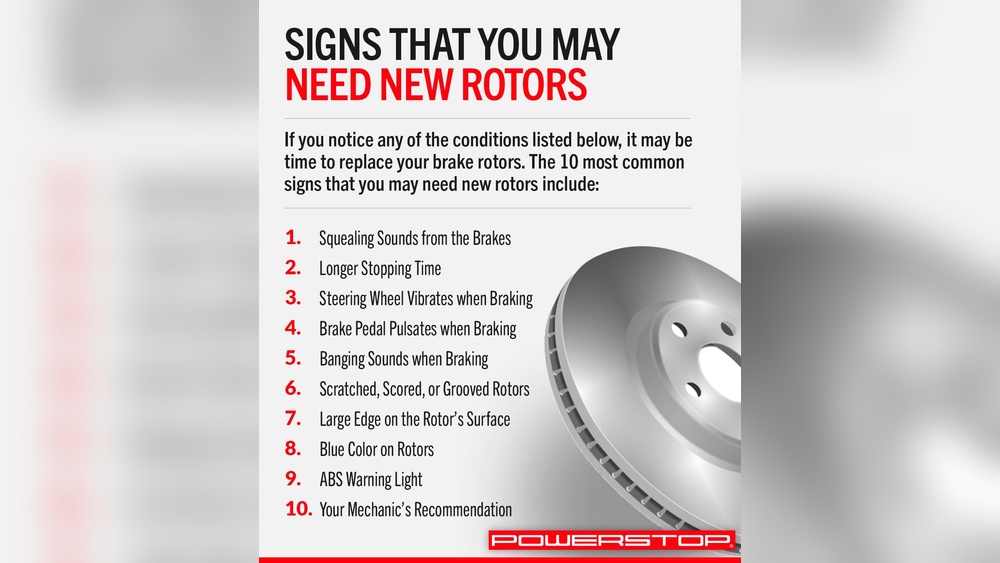
Knowing the signs that indicate the need for new rotors or brakes helps keep your car safe. Worn-out brakes or rotors can cause serious problems. Early detection saves money and prevents accidents.
Pay attention to your car’s behavior. Changes in how it stops or sounds can signal trouble. Regular checks help catch issues before they become dangerous.
Common Symptoms
Squealing or grinding noises during braking often mean worn brake pads. Vibrations or pulsations felt in the brake pedal suggest warped rotors. Longer stopping distances than usual show brake system wear. A burning smell after heavy braking can indicate overheating. Dashboard brake warning lights turning on signal urgent attention.
When To Replace
Replace brake pads every 20,000 to 50,000 miles, depending on use. Rotors usually need replacement every 50,000 to 70,000 miles. Replace immediately if you notice deep grooves or cracks on rotors. Any persistent noise or vibration means it is time to check. Regular maintenance checks help decide the right replacement time.
Ways To Save Money
Saving money on rotors and brakes is possible with smart choices. You do not need to spend a fortune for quality and safety. Simple steps can help reduce costs and keep your car running well. Focus on parts, care, and deals to get the best value.
Choosing Quality Parts
Select parts that last longer to avoid frequent replacements. Cheap parts may wear out fast and cost more in the end. Look for trusted brands and check reviews. Quality rotors and brake pads improve safety and save money over time.
Maintenance Tips
Keep your brakes clean and check them regularly. Brake fluid should be changed as recommended. Avoid hard braking and heavy loads to extend brake life. Regular maintenance prevents costly repairs and keeps parts in good shape.
Finding Deals And Discounts
Search for sales at local stores and online shops. Use coupons and promo codes to get lower prices. Some auto shops offer discounts for first-time customers or bulk purchases. Timing your purchase during holiday sales can also save money.
Credit: www.cartalk.com
Future Trends In Brake Costs
Brake costs will change in the coming years. New technology and vehicle types will affect prices. Understanding these trends helps you prepare for future expenses.
Technological Advances
Brake systems are becoming more advanced. New materials make rotors and pads last longer. This can lower replacement frequency and costs.
Smart brakes with sensors improve safety and performance. These systems may cost more to repair. But they can reduce accidents and save money over time.
Impact Of Electric Vehicles
Electric vehicles use different braking systems. Regenerative braking reduces wear on rotors and pads. This means fewer brake replacements are needed.
Brake parts for electric cars can cost more. The technology is newer and less common. Expect prices to drop as electric cars become popular.
Credit: blog.napacanada.com
Frequently Asked Questions
How Much Do Brake Rotors Cost On Average?
Brake rotors typically cost between $30 and $75 each. Prices vary by vehicle make and rotor quality. Labor charges can add $100 to $200. High-performance or specialty rotors may cost more, increasing the total replacement price.
What Is The Average Cost To Replace Brake Pads?
Replacing brake pads generally costs between $100 and $300 per axle. The price depends on pad material and vehicle type. Labor fees and rotor resurfacing or replacement can increase the total cost.
Can I Replace Rotors And Brakes Together Affordably?
Yes, replacing rotors and brakes together often saves labor costs. Combined service usually costs between $250 and $500. Bundling parts and labor can be more economical than separate repairs.
How Long Do Brake Rotors And Pads Last?
Brake pads last around 30,000 to 70,000 miles, depending on driving habits. Rotors typically last 50,000 to 70,000 miles but may need earlier replacement if warped or damaged.
Conclusion
Knowing the cost of rotors and brakes helps plan your car maintenance. Prices vary by car model and part quality. Choosing the right parts keeps your vehicle safe and reliable. Regular checks prevent bigger, expensive problems later. Budgeting for brake service avoids sudden surprises.
Taking care of brakes protects you and others on the road. Keep your car running smoothly with timely rotor and brake replacements. Stay safe, save money, and drive with confidence.