
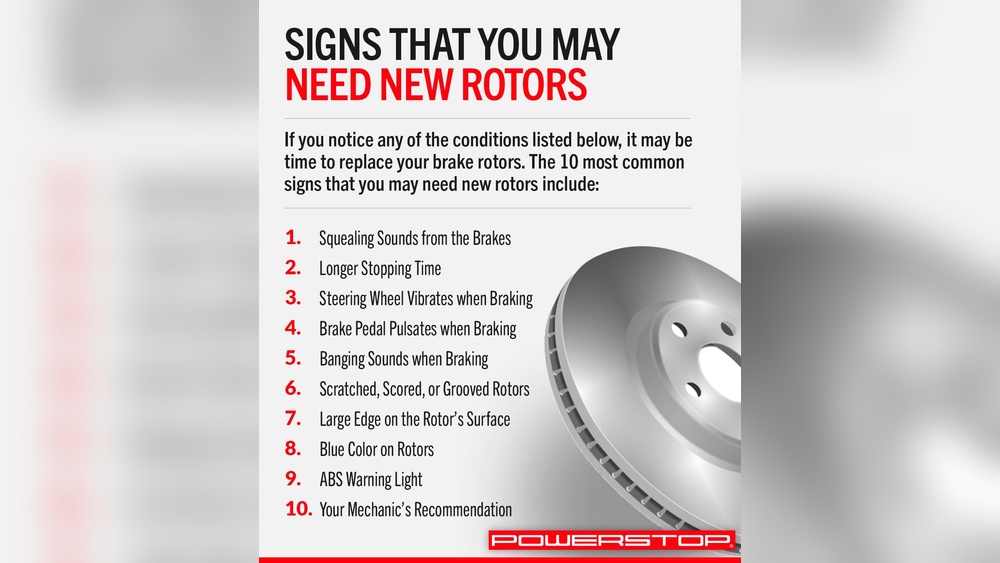
Your car’s brake rotors play a crucial role in keeping you safe on the road. But how often do you actually need to replace them?
If you’ve ever wondered whether those squeaks and vibrations mean it’s time for new rotors, you’re not alone. Knowing when to change your brake rotors can save you money and prevent dangerous driving conditions. Keep reading, and you’ll discover the key signs to watch for and how to make sure your brakes stay in top shape.

Credit: www.hawkperformance.com
Signs Of Worn Brake Rotors
Worn brake rotors show clear signs before they cause serious problems. Spotting these signs early helps keep your car safe. Recognize the symptoms to know when to replace the rotors.
Vibrations When Braking
Feel shaking or pulsing in the brake pedal? This often means the rotors are warped. Warped rotors cause uneven contact with brake pads. The result is vibrations that you can feel in the steering wheel or pedal. This sign needs quick attention to avoid further damage.
Visible Rotor Damage
Look closely at your brake rotors. Deep grooves, cracks, or rust spots show wear. These visible damages reduce braking power. Rough or uneven rotor surfaces mean the rotors must be replaced soon. Regular checks help catch damage before it gets worse.
Squealing Or Grinding Noises
Squealing sounds come from worn brake rotors or pads. Grinding noises are more serious and mean metal is rubbing on metal. Both sounds are alerts to worn parts. Ignoring these noises can lead to costly repairs and unsafe driving.
Factors Affecting Rotor Lifespan
Brake rotors do not wear out at the same rate for every driver. Many factors affect how long rotors last. Understanding these factors helps you know when to replace them. Proper care can extend the rotor lifespan and keep your car safe.
Driving Habits And Conditions
Hard braking and frequent stops wear down rotors faster. Driving in hilly or mountainous areas puts extra stress on brakes. City driving with many stoplights also causes more rotor wear. Long highway drives with light braking cause less damage. Avoiding sudden stops helps rotors last longer.
Quality Of Brake Pads
Brake pads and rotors work together closely. Low-quality brake pads wear rotors unevenly and quickly. High-quality pads protect rotors and reduce heat buildup. Using the right brake pads can double rotor life. Regularly checking and replacing pads keeps rotors safe.
Rotor Material And Design
Rotors come in different materials like cast iron or composite. Cast iron rotors are common and affordable but may wear faster. Composite or coated rotors resist rust and last longer. Rotor design, such as vented or drilled, affects cooling. Better cooling reduces heat damage and extends life.
Recommended Replacement Intervals
Knowing when to replace brake rotors keeps your car safe and smooth. Rotors wear down over time from heat and friction. Following recommended replacement intervals helps avoid damage and costly repairs. These intervals vary by car type and use.
Manufacturer Guidelines
Car makers provide specific advice for rotor replacement. Check your vehicle’s manual for these details. Following this advice ensures your brakes work as designed. Manuals often list a range of miles or years for replacement.
Mileage-based Estimates
Rotors usually last between 30,000 to 70,000 miles. Driving style and road conditions change this number. Rough roads or heavy braking can shorten rotor life. Track your mileage to plan for timely replacement.
Inspection Frequency
Regular checks catch rotor wear early. Inspect rotors every 10,000 miles or during brake pad changes. Look for grooves, cracks, or warping on the surface. Early detection prevents brake failure and saves money.
Credit: www.reddit.com
Brake Rotor Maintenance Tips
Brake rotors are a key part of your vehicle’s braking system. Keeping them in good shape helps your car stop safely and smoothly. Simple maintenance can extend the life of your rotors. It also improves your overall driving experience. Here are some practical tips for maintaining your brake rotors.
Regular Inspections
Check your brake rotors regularly for signs of wear or damage. Look for grooves, cracks, or rust on the surface. Listen for unusual noises while braking, such as squealing or grinding. These can signal rotor problems. Inspecting often helps you catch issues early before they get worse. A quick look during routine car care can save money and improve safety.
Proper Brake Pad Replacement
Change brake pads before they wear too thin. Worn pads can damage rotors by causing uneven contact. Use quality brake pads that match your vehicle’s needs. Replacing pads in time keeps rotors smooth and reduces wear. Always replace both pads and rotors if rotors are deeply scored or warped. This ensures balanced braking and longer rotor life.
Avoiding Overheating
Overheating brakes can warp rotors and reduce performance. Avoid riding the brakes on long downhill drives. Use engine braking by downshifting instead of constant brake pressure. Stop frequently on long trips to let brakes cool. Smooth, gentle braking reduces heat buildup and rotor stress. Proper driving habits protect your rotors from damage caused by heat.
Diy Vs Professional Replacement
Deciding between doing brake rotor replacement yourself or hiring a professional can be tricky. Both options have pros and cons. Understanding these helps you make the best choice for your car and budget.
When To Diy
DIY brake rotor replacement suits those with basic mechanical skills. You need some tools and a safe workspace. It is a good option if the rotor damage is minor. Also, DIY helps save money on labor costs. Follow a clear guide and safety steps. Mistakes can be dangerous, so be careful.
Benefits Of Professional Service
Professional mechanics have the right tools and experience. They spot hidden problems during the rotor replacement. This ensures a safer, longer-lasting brake system. Professionals also provide warranties on their work. They save your time and reduce stress. Ideal for complex or heavy damage cases.
Cost Considerations
DIY saves money on labor but requires buying or renting tools. Mistakes may lead to extra repair costs. Professional service costs more upfront but can prevent future expenses. Evaluate your skills, tools, and budget before deciding. Choose what keeps your car safe and your wallet happy.
Consequences Of Neglecting Rotor Replacement
Ignoring the need to replace brake rotors can cause serious problems. The rotors wear down over time and lose their ability to work properly. This leads to several negative effects on your vehicle’s braking system. Understanding these consequences helps keep your car safe and running smoothly.
Reduced Braking Performance
Worn rotors make it harder to stop your car quickly. The brake pads cannot grip the rotors well. This causes longer stopping distances and weaker brakes. Your car may pull to one side during braking. Poor braking can lead to accidents in critical moments.
Increased Repair Costs
Delaying rotor replacement can damage other parts. Brake pads wear out faster from rough rotors. This means more frequent replacements and higher bills. Ignoring rotors can also harm the calipers and wheel bearings. Fixing all these parts costs much more than changing rotors early.
Safety Risks
Old rotors increase the risk of brake failure. Cracks or warping can cause brakes to stop working suddenly. This puts you, passengers, and others in danger. Safe braking is vital for avoiding crashes. Keeping rotors in good shape protects lives on the road.

Credit: www.youtube.com
Frequently Asked Questions
How Often Should Brake Rotors Be Replaced?
Brake rotors typically need replacement every 30,000 to 70,000 miles. This depends on driving habits, rotor quality, and vehicle type. Regular inspections help identify wear early. Uneven wear or vibrations during braking are signs to replace rotors promptly to maintain safety and performance.
What Are Signs Of Worn Brake Rotors?
Signs include vibrations, squealing noises, and reduced braking efficiency. Rotors may also appear scored or warped. If your vehicle pulses when braking or makes unusual sounds, it’s time for an inspection. Prompt rotor replacement ensures smooth braking and prevents further damage.
Can Brake Rotors Be Resurfaced Instead Of Replaced?
Yes, rotors can be resurfaced if damage is minor and thickness remains safe. Resurfacing removes surface irregularities, extending rotor life. However, severely worn or thin rotors must be replaced for safety. Always consult a professional mechanic to determine the best option for your vehicle.
Does Driving Style Affect Brake Rotor Lifespan?
Yes, aggressive driving with frequent hard braking reduces rotor lifespan. Smooth, gradual braking helps extend rotor life. Heavy loads or mountainous terrain also accelerate wear. Adjusting driving habits can save money by delaying rotor replacement and improving overall brake system health.
Conclusion
Brake rotors wear out over time and need regular checks. Signs like vibrations or noise mean it’s time to inspect them. Driving habits and road conditions affect how fast rotors wear. Replacing rotors at the right time keeps your brakes safe and effective.
Stay aware of your car’s performance and schedule routine maintenance. Safe driving depends on well-maintained brake parts. Don’t wait for problems—keep your brake system in good shape.


