

If you rely on an EpiPen, knowing how to store it properly in your car can make all the difference during an emergency. You might not realize it, but extreme temperatures inside your vehicle can affect your EpiPen’s effectiveness when you need it most.
This guide will help you protect your life-saving device from heat, cold, and other risks, so you can feel confident that your EpiPen will work when every second counts. Keep reading to learn simple, practical tips that will keep your EpiPen safe and ready—because your safety is too important to leave to chance.
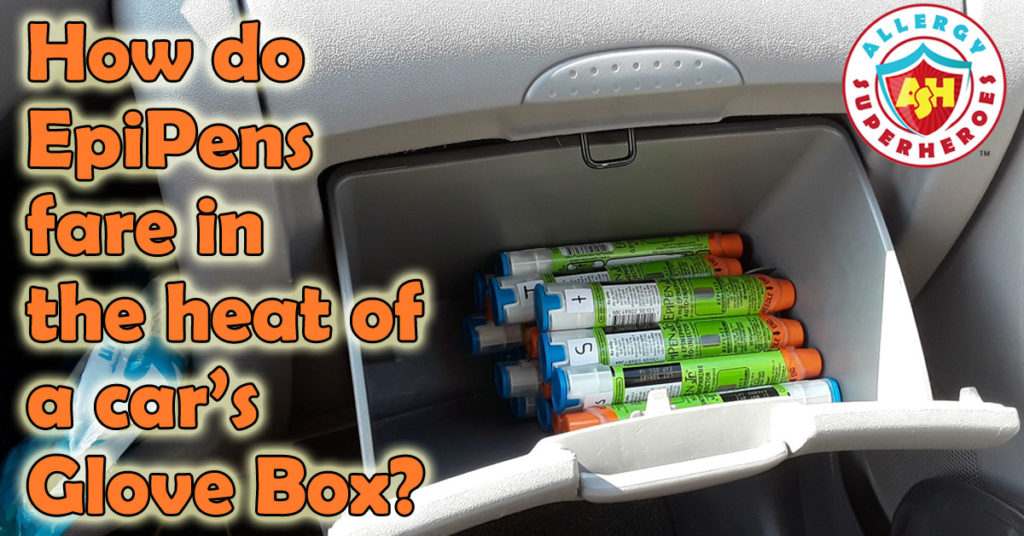
Credit: allergysuperheroesblog.com
Risks Of Storing Epipen In Car
Storing an Epipen in a car involves some risks. Cars often face extreme temperatures. These changes can harm the medication inside the Epipen. Understanding these risks helps keep the Epipen safe and effective.
Effects Of Temperature Fluctuations
Cars heat up quickly under the sun. In winter, they can become very cold. These temperature swings stress the Epipen. The medicine may break down or lose strength. Avoid leaving the Epipen in a parked car for long.
Potential Damage To Medication
Epipen contains epinephrine, a sensitive drug. Heat or cold can change its chemical structure. This damage makes the Epipen less reliable. Cracks or leaks might also develop in the injector. Damaged medication is unsafe and should not be used.
Impact On Epipen Efficacy
The main goal is to have a working Epipen. Temperature damage reduces its ability to stop allergic reactions. A weak Epipen might not save a life during an emergency. Check the Epipen regularly for any signs of damage or discoloration.

Credit: www.u-buy.co.uk
Ideal Storage Conditions For Epipen
Storing an Epipen correctly in a car is very important. The medicine inside can lose its strength if not kept in the right conditions. Knowing the ideal storage conditions helps keep the Epipen ready for use at any time.
Cars can have extreme temperatures. These changes can harm the Epipen. Follow simple rules to protect it and keep it effective.
Recommended Temperature Range
The Epipen should be kept between 20°C and 25°C (68°F to 77°F). Extreme heat or cold can damage the medicine. Avoid leaving the Epipen in a hot car on summer days. Do not store it in freezing temperatures during winter.
Avoiding Direct Sunlight
Sunlight can heat the Epipen and reduce its strength. Keep the Epipen in a shaded area inside the car. Avoid placing it on the dashboard or near windows. Use a small bag or case to block sunlight.
Keeping Away From Moisture
Moisture can harm the Epipen’s label and packaging. Keep it dry at all times. Avoid storing it in damp places inside the car. Use a waterproof pouch or container for extra protection.
Safe Storage Tips For Epipen In Car
Storing an Epipen safely in a car is important to keep it effective. Extreme heat or cold can damage the medicine inside. Follow these simple tips to protect your Epipen while traveling or parked.
Use Of Insulated Cases
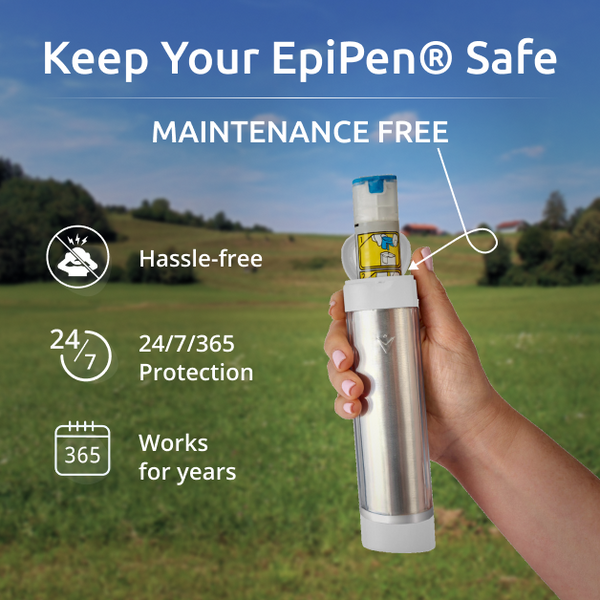
Insulated cases help keep the Epipen at a stable temperature. They block heat in summer and cold in winter. Choose a case made for medicines. This small step protects the medicine from damage.
Placement Inside The Vehicle
Place the Epipen in a shaded, cool spot inside the car. Avoid leaving it on the dashboard or seats. These areas get very hot or cold. A glove box or under the seat works better.
Regular Temperature Monitoring
Check the car’s inside temperature regularly. Use a small thermometer to track heat or cold. If the temperature is too high or low, move the Epipen. This keeps the medicine safe and ready to use.
Credit: tempramed.com
Signs Epipen May Be Compromised
Knowing the signs that an Epipen may be compromised is very important. Epipens must work perfectly during an emergency. Damage or problems can make the medicine unsafe or less effective. Understanding the signs helps keep the Epipen reliable and ready to use.
Visual Inspection Tips
Check the Epipen regularly. Look at the clear window to see the liquid inside. The medicine should be clear and colorless. If it looks cloudy, discolored, or has particles, it may be bad. Also, check the device for cracks or damage. A broken case can affect how it works.
Expiration Date Awareness
Always know the expiration date on the Epipen label. Using it past this date can be risky. The medicine may lose its strength over time. Mark the date on your calendar. Replace the Epipen before it expires to stay safe.
When To Replace Your Epipen
Replace your Epipen if you see any damage or changes in the medicine. If the expiration date has passed, get a new one. Also, replace it after use, even if only part of the dose was given. Keep a backup Epipen available at all times.
Alternatives To Storing Epipen In Car
Storing an Epipen in a car is not always the safest choice. High temperatures inside a vehicle can damage the medicine. Finding other ways to keep your Epipen safe and accessible is important. Here are some good alternatives to storing your Epipen in a car.
Carrying Epipen On Your Person
Keeping your Epipen with you is one of the best options. Carry it in a small bag or a pouch. This way, you have quick access at all times. It also protects the medicine from extreme heat or cold. Wearing a wristband or a belt case can help you carry it easily.
Using Home And Work Storage
Store your Epipen in a cool, dry place at home or work. A drawer or a medicine cabinet works well. Avoid places near heat sources or direct sunlight. Make sure the spot is easy to reach during emergencies. Check the temperature regularly to keep the medicine safe.
Emergency Access Plans
Plan with family, friends, or coworkers about your Epipen. Let them know where it is kept and how to use it. Share your allergy information with people around you. This plan helps in quick response during an emergency. Clear instructions can save valuable time and lives.
Emergency Preparedness With Epipen
Emergency preparedness with an Epipen is crucial for anyone with severe allergies. Having the device ready can save lives during an allergic reaction. Proper storage and readiness are key, especially in a car where temperature changes occur. Knowing how to manage your Epipen in these situations helps ensure it works when needed most.
Carrying Multiple Devices
Always carry more than one Epipen. Allergic reactions can happen anytime, and one dose might not be enough. Keep a backup device in the car, separate from the one you carry on you. This practice adds extra safety during emergencies. Check expiration dates regularly to ensure both devices are usable.
Training And Awareness
Learn how to use the Epipen correctly. Practice the injection steps until you feel confident. Share this knowledge with family or friends who travel with you. Proper training reduces panic during an emergency. Awareness about your allergy and device use helps save crucial time.
Communicating Allergies To Others
Inform passengers about your allergy and where your Epipen is kept. Clear communication helps others act quickly if you need help. Show them how to use the Epipen if you cannot do it yourself. This support can make a big difference during an allergic reaction. Always keep your allergy information visible in the car.
Frequently Asked Questions
How Should I Store An Epipen In My Car Safely?
Store your Epipen in a temperature-controlled case inside your car. Avoid leaving it exposed to direct sunlight or extreme temperatures. Keep it in the glove box or center console with insulation to protect it from heat and cold.
Can Heat Damage An Epipen Stored In A Car?
Yes, extreme heat can damage the Epipen’s medication, reducing its effectiveness. Avoid storing it where temperatures exceed 86°F (30°C). Use insulated cases to maintain a stable temperature and protect the Epipen.
Is It Safe To Leave An Epipen In A Parked Car Overnight?
It is not recommended to leave an Epipen in a parked car overnight. Temperatures can become too hot or too cold, which affects medication quality. Always bring it inside when possible to ensure safety.
How Long Can An Epipen Stay In A Car Without Damage?
An Epipen can safely stay in a car for a short time if protected from extreme temperatures. Limit exposure to heat or cold to less than a few hours. Use insulated storage to extend its safe duration.
Conclusion
Storing your Epipen in the car needs care and attention. Keep it away from extreme heat or cold. Use a cooler bag or insulated case to protect it. Check the Epipen often for damage or expiration. Always keep it within easy reach.
This simple care can keep your Epipen ready when needed. Your safety depends on proper storage and quick access. Stay prepared and confident on every trip.


