If you own a Briggs and Stratton engine, keeping it running smoothly is probably a top priority for you. One of the simplest but most important tasks you can do is clean the fuel filter.
A clogged fuel filter can cause your engine to stall, lose power, or even fail to start. But don’t worry—cleaning it isn’t as complicated as it sounds. In this guide, you’ll discover easy, step-by-step instructions to clean your Briggs and Stratton fuel filter quickly and safely.
By the end, you’ll save money, avoid frustration, and keep your engine performing at its best. Ready to get started? Let’s dive in.
Signs Of A Dirty Fuel Filter
A dirty fuel filter can cause many problems in your Briggs and Stratton engine. It blocks the fuel flow and makes the engine work harder. Knowing the signs helps you fix the issue early. This keeps your engine running smoothly and saves money on repairs.
Reduced Engine Performance
The engine may lose power and run unevenly. It might stall or hesitate during use. This happens because fuel does not reach the engine properly. The filter stops dirt but also restricts fuel flow if dirty.
Starting Difficulties
The engine may take longer to start or not start at all. A clogged filter blocks fuel from reaching the carburetor. This means less fuel for combustion. You might hear the engine try but fail to run.
Fuel Smell And Leaks
A strong fuel smell near the engine can mean a dirty filter. Fuel leaks may occur if the filter is damaged. Check for wet spots or fuel drips around the filter area. This can be dangerous and needs attention fast.

Credit: www.youtube.com
Tools And Materials Needed
Cleaning the fuel filter on a Briggs and Stratton engine requires a few simple tools and materials. Having everything ready helps the job go smoothly. These items make sure you clean the filter properly and safely.
Gather the tools and safety gear before you start. This will save time and prevent mistakes. Below is a list of what you need to prepare.
Basic Tools List
- Screwdriver (flathead or Phillips)
- Pliers
- Wrench set
- Small container for fuel
- Clean cloth or rag
- Replacement fuel filter (if needed)
- Brush or small wire brush
- Fuel line clamps or clips
Safety Equipment
- Protective gloves
- Safety goggles
- Work apron or old clothes
- Well-ventilated workspace
- Fire extinguisher nearby
Preparing The Engine
Preparing the engine is the first step to clean the Briggs and Stratton fuel filter. This step ensures safety and makes the cleaning process easier. Taking time to prepare helps avoid damage to the engine parts.
Follow these simple tasks to get your engine ready. Each task is important and must be done carefully. Let’s start with shutting off the engine.
Shutting Off The Engine
Turn off the engine completely before starting any work. Let it cool down if it was running. This prevents burns and other injuries. Also, shutting off the engine stops fuel flow, which is safer.
Locating The Fuel Filter
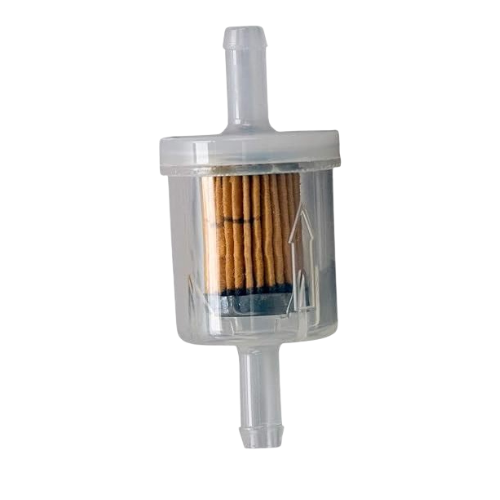
Find the fuel filter on the engine. It is usually near the fuel line or carburetor. Check the owner’s manual for exact location. Knowing where the filter is helps you clean it faster.
Relieving Fuel Pressure
Release the fuel pressure before removing the filter. This avoids fuel spills and accidents. You can do this by loosening the fuel line slightly. Wear gloves and work in a well-ventilated area.
Credit: hotsylv.com
Removing The Fuel Filter
Removing the fuel filter from a Briggs and Stratton engine is a key step in cleaning it. This process helps keep your engine running smoothly. Proper removal prevents damage to the filter and fuel lines. Take your time and follow each step carefully. Safety is important because fuel is flammable and messy.
Disconnecting Fuel Lines
First, turn off the engine and let it cool. Locate the fuel lines attached to the filter. Use pliers to gently squeeze and slide the clamps away. Carefully pull the fuel lines off the filter ends. Do not use force to avoid breaking the lines. Keep a cloth nearby to catch any fuel drips. Set the filter down on a clean surface.
Handling Fuel Spills
Fuel spills can happen during removal. Quickly wipe any spills with a clean cloth. Use a small container to catch dripping fuel. Avoid spilling fuel on your skin or clothes. Work in a well-ventilated area to avoid fumes. Dispose of soaked cloths safely to prevent fire risk. Clean the workspace thoroughly before proceeding.
Cleaning The Fuel Filter
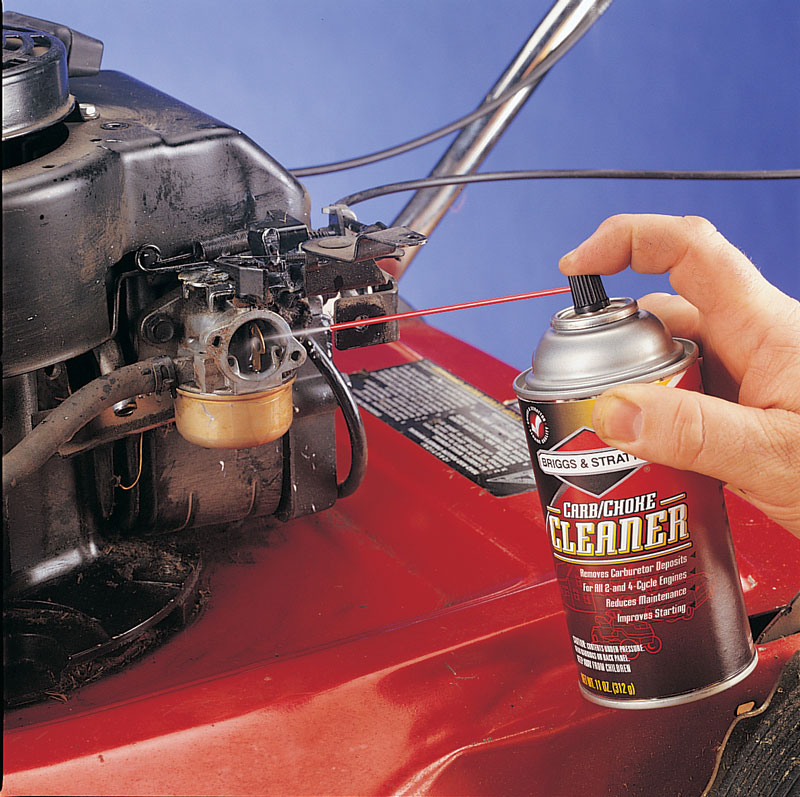
Cleaning the fuel filter of your Briggs and Stratton engine is important for smooth performance. Dirt and debris block the fuel flow. This can cause the engine to run poorly or not start at all. Regular cleaning keeps the filter working well and extends engine life.
Using Cleaning Solutions
Start by removing the fuel filter carefully. Use a small container with a cleaning solution. A mix of warm water and mild detergent works well. Submerge the filter and let it soak for 15 minutes. Gently swirl the filter to remove dirt. Avoid harsh chemicals that can damage the filter. Rinse the filter with clean water to remove soap and residue.
Drying Techniques
After cleaning, dry the fuel filter completely. Shake off excess water gently. Use a clean cloth to pat the filter dry. Let it air dry in a warm, dry place. Avoid direct sunlight or heat sources. Drying fully prevents water from entering the fuel system. Only reinstall the filter once it is fully dry.
Credit: www.briggsandstratton.com
Reinstalling The Fuel Filter
Reinstalling the fuel filter is a key step after cleaning. It ensures your Briggs and Stratton engine runs smoothly. Take your time to place the filter correctly. A wrong fit can cause fuel flow issues or leaks. Follow these steps carefully to put the fuel filter back in its place.
Reattaching Fuel Lines
Start by connecting the fuel lines to the filter. Make sure the lines match the correct inlet and outlet. Push the lines firmly to avoid air gaps. Use clamps if your model has them. Tighten clamps just enough to hold the lines in place. Avoid overtightening, which can damage the lines.
Checking For Leaks
After reattaching, check for fuel leaks. Turn on the engine and watch the filter area. Look for any drops or wet spots. If you see leaks, tighten the connections more. Leaks waste fuel and can be dangerous. Fix any leaks before using the engine fully.
Testing The Engine
Testing the engine is the final step after cleaning the Briggs and Stratton fuel filter. It ensures the engine runs smoothly and efficiently. This step helps spot any issues with fuel flow or engine performance. Follow these simple checks to confirm your work is successful.
Starting The Engine
Turn the fuel valve on. Make sure the choke is in the correct position. Pull the starter cord gently but firmly. Listen for the engine to catch and start running. It may take a few pulls. Avoid forcing the cord. The engine should start without sputtering or stalling.
Monitoring Performance
Let the engine run for a few minutes. Watch how it sounds and runs. A smooth, steady sound means good fuel flow. Look for any signs of hesitation or stalling. If the engine runs rough, the fuel filter may still be clogged. Check for black smoke or unusual noises. These indicate further cleaning or repairs needed.
Maintenance Tips
Proper maintenance keeps your Briggs and Stratton fuel filter working well. Clean and inspect it often to avoid engine problems. Simple care extends the filter’s life and improves engine performance.
Regular Inspection Schedule
Check the fuel filter every 25 hours of engine use. Look for dirt, cracks, or damage on the filter. A clean filter stops dirt from entering the engine. Inspect it more often if you use the engine in dusty places. Catching problems early saves time and money.
When To Replace The Filter
Replace the fuel filter if it looks clogged or damaged. Change it after every 100 hours of use as a safe rule. A worn filter reduces fuel flow and hurts engine power. Always use the right replacement filter for your model. Proper replacement keeps your engine running smoothly.
Frequently Asked Questions
How Often Should I Clean A Briggs And Stratton Fuel Filter?
You should clean the fuel filter every 25 hours of use or at least once a season. Regular cleaning prevents clogging and engine issues.
What Tools Are Needed To Clean The Fuel Filter?
Basic tools include a screwdriver, a clean container, and carburetor cleaner. These help safely remove and clean the fuel filter.
Can I Clean The Fuel Filter Without Removing It?
It is best to remove the fuel filter for thorough cleaning. Cleaning without removal may leave dirt and debris inside.
What Signs Indicate A Dirty Briggs And Stratton Fuel Filter?
Symptoms include engine sputtering, hard starts, and reduced power. These signs often mean the fuel filter needs cleaning or replacement.
Conclusion
Cleaning your Briggs and Stratton fuel filter keeps your engine running smooth. Dirt and debris can block fuel flow and cause problems. Regular cleaning helps avoid costly repairs. Take your time and follow each step carefully. A clean filter means better engine performance and longer life.
Keep your equipment ready for any job. Simple care makes a big difference. Stay safe and enjoy your work with a well-maintained engine.