
Wondering how much it costs to register your car in Connecticut? You’re not alone.
Whether you just bought a new vehicle or moved to the state, knowing the exact fees can save you time and money. You’ll find clear answers about registration costs, what factors affect the price, and simple steps to get your car registered hassle-free.
Keep reading to make sure you’re fully prepared and avoid any unexpected surprises.
Registration Fees In Connecticut
Registering a car in Connecticut requires paying specific fees. These fees cover the cost of processing and maintaining vehicle records. Understanding these costs helps you plan your budget better.
Base Registration Costs
The base registration fee in Connecticut starts at $80. This fee applies to most passenger vehicles. It covers the standard registration period of one or two years. You must renew your registration before it expires to avoid penalties.
Fee Variations By Vehicle Type
Registration fees vary depending on the vehicle type. Motorcycles have lower fees, usually around $60. Trucks and commercial vehicles pay higher fees based on weight. Electric vehicles may get discounts in some cases.
Additional Charges And Taxes
Besides the base fee, you may pay extra charges. These include local taxes and title fees. Some vehicles require special plates, adding to the cost. Late renewals also carry penalties, increasing the total fee.
Credit: www.etags.com
Factors Influencing Registration Costs
Several factors affect the cost to register a car in Connecticut. Understanding these helps you know what to expect. Costs vary based on vehicle details and registration choices. Some fees are fixed, while others depend on specific conditions.
Vehicle Weight And Size
The weight and size of a vehicle impact registration fees. Heavier and larger vehicles usually cost more to register. This is because they cause more wear on roads. Smaller cars often have lower fees. Knowing your vehicle’s weight helps estimate costs.
Registration Duration Options
Connecticut offers different registration periods. You can register your vehicle for one or two years. Longer registration periods may save money over time. Shorter periods have lower upfront costs but need renewal soon. Choose the option that fits your budget and plans.
Emissions And Safety Inspections
Some vehicles must pass emissions and safety checks. These inspections ensure the car meets state rules. Cars that fail may face extra fees or repairs before registration. Newer or electric vehicles might be exempt. Passing inspections can affect total registration cost.
Step-by-step Registration Process
Registering a car in Connecticut is a simple process. Following clear steps helps avoid mistakes. Understanding each step saves time and effort. This guide breaks down the registration process into easy parts.
Required Documents
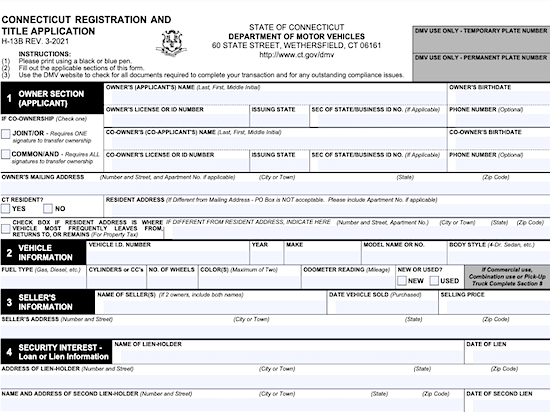
Gather all necessary documents before starting. You need the vehicle title or proof of ownership. Provide a valid Connecticut driver’s license or ID card. Show proof of car insurance that meets state requirements. Include a completed application form for registration. Have the vehicle’s odometer reading ready if applicable.
Where To Register
Visit a local Department of Motor Vehicles (DMV) office. You can find the nearest DMV on the official website. Some towns offer town clerk offices that handle registration. Online registration is available for some cases. Choose the option that best suits your needs.
Payment Methods
Payments can be made by cash, check, or credit card. Most DMV offices accept major credit cards. Online payments require a valid credit or debit card. Fees vary depending on the vehicle type and registration length. Keep your payment receipt as proof of registration.
Renewing Your Vehicle Registration
Renewing your vehicle registration in Connecticut is a simple process. It keeps your car legal to drive on public roads. Staying on top of renewal dates avoids fines and penalties. The state offers several ways to renew, including online options.
Renewal Timeline
You must renew your registration every year or every two years. The renewal date is based on your license plate number. The state sends a renewal notice about six weeks before expiration. Renew early to avoid last-minute issues.
Late Fees And Penalties
Renewing after your registration expires can cost extra. Connecticut charges late fees starting the day after expiration. These fees increase the longer you wait. Driving with expired registration may lead to fines or tickets.
Online Renewal Options
Connecticut offers easy online renewal through the DMV website. You can pay by credit card and print your new registration. This saves time and avoids waiting in lines. Keep your renewal notice handy to enter the correct details.
Additional Costs To Consider
Registering a car in Connecticut involves more than just the registration fee. Several extra costs come with vehicle registration. These costs vary depending on the car type and other factors. Knowing these helps you plan your budget better.
License Plates And Tags
License plates in Connecticut cost extra. The price depends on the plate design and type. Standard plates are cheaper, while specialty plates cost more. You must also pay for renewal tags every year. These tags prove your registration is current.
Title Fees
Title fees apply when you register a car for the first time. This fee covers proving you own the vehicle. In Connecticut, the title fee is a fixed amount. It is a one-time cost unless you transfer ownership later.
Insurance Requirements
Connecticut law requires car insurance before registration. You must have at least liability insurance. Insurance protects you from costs after accidents. Insurance costs vary by provider, car, and driver history. Keep proof of insurance ready during registration.

Credit: www.dochub.com
Tips To Save On Registration
Saving money on car registration in Connecticut can be simple. Knowing the right tips helps reduce costs. Use these ideas to keep more money in your pocket.
Discounts And Exemptions
Connecticut offers discounts for certain groups. Seniors, veterans, and people with disabilities often qualify. Check if you fit any category. Some vehicles, like electric cars, get special rates. These discounts cut your registration fees.
Choosing Registration Periods
You can pick how long to register your car. One year or two years are common choices. Registering for two years saves money over time. It also reduces trips to the DMV. Plan your registration period based on your needs.
Combining Services
Register your car when renewing your driver’s license. Doing both at once saves time and fees. Some DMV offices allow you to handle multiple tasks together. Combining services cuts down extra costs and hassle.

Credit: www.roliesautosales.com
Frequently Asked Questions
How Much Does It Cost To Register A Car In Connecticut?
Car registration fees in Connecticut typically range from $80 to $120. The exact fee depends on the vehicle’s weight and type. Additional fees may apply for specialty plates or late registration. Always check the Connecticut DMV website for the most current fees.
What Documents Are Needed To Register A Car In Connecticut?
You need a completed application form, proof of ownership, valid ID, and proof of insurance. Additionally, a vehicle emissions test certificate may be required. All documents must be original or certified copies to process the registration smoothly.
How Often Must You Renew Car Registration In Connecticut?
Car registration in Connecticut must be renewed every two years. Renewal notices are sent by mail before the expiration date. You can renew online, by mail, or in person at a DMV office. Timely renewal avoids late fees and penalties.
Are There Extra Fees For Specialty License Plates In Connecticut?
Yes, specialty license plates in Connecticut require additional fees. These fees vary based on the plate design and purpose. Some plates support charitable causes, which may add to the cost. Check the DMV website for a list of specialty plate fees.
Conclusion
Registering a car in Connecticut involves clear steps and set fees. Knowing the costs helps you plan your budget well. Fees vary by vehicle type and registration length. Staying updated on rules avoids surprises at the DMV. Simple paperwork and payment complete the process.
Keep your registration current to drive without issues. Understanding these details makes car ownership easier in Connecticut.

