

Are you hearing squeaks or feeling vibrations when you brake? It might be time to replace your brakes and rotors.
But before you head to the shop, you’re probably wondering one thing: how much will the labor cost? Knowing the labor price upfront can help you avoid surprises and plan your budget better. You’ll discover what affects labor costs, what to expect at the mechanic, and tips to save money without compromising safety.
Keep reading to get the full picture and take control of your car repairs.
Brake Replacement Basics
Replacing brakes and rotors is a common car repair. It helps keep your vehicle safe and running smoothly. Knowing the basics of brake replacement can save you time and money. It also helps you understand the cost of labor involved in the process.
Key Components Involved
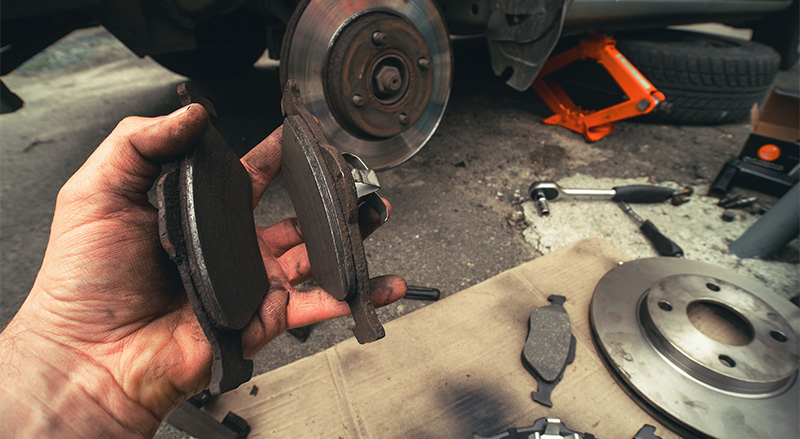
Brakes have several important parts. Brake pads press against rotors to stop the car. Rotors are metal discs that spin with the wheels. Brake calipers hold the pads and push them onto the rotors. Other parts include brake lines and fluid, which help transfer pressure. Each part works together to slow or stop your vehicle safely.
Signs You Need Replacement
Listen for squealing or grinding noises when braking. This often means worn brake pads. Notice if your car pulls to one side while stopping. It could be a sign of rotor or caliper issues. Check if the brake pedal feels soft or sinks to the floor. This might mean brake fluid leaks or worn parts. Early detection helps avoid costly repairs later.
Credit: www.aaa.com
Factors Affecting Labor Costs
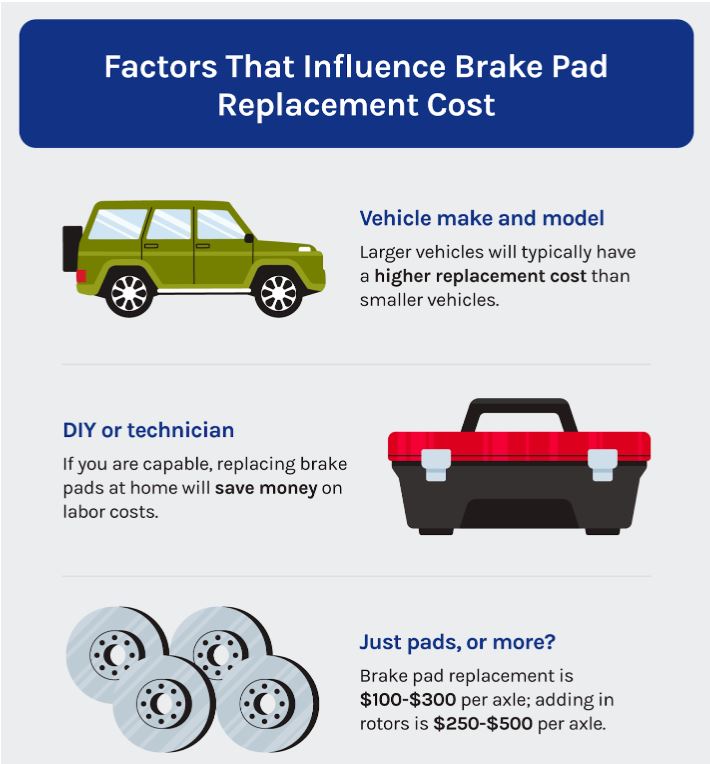
Labor costs for replacing brakes and rotors vary widely. Several factors affect the total price. Understanding these can help you expect the right budget for your vehicle’s brake service.
These factors influence how long the job takes and the complexity involved. Labor costs depend on your car’s specifics and where you get the service done.
Vehicle Make And Model
Different cars need different brake parts and labor. Luxury or imported cars often require more time to work on. Some models have complex brake systems that add to labor time. Older vehicles may also need more work due to wear or rust. Simple, common cars usually cost less to repair.
Type Of Brake System
Brake systems vary between vehicles. Disc brakes are common, but some cars use drum brakes. High-performance brakes or advanced systems like ABS can increase labor time. More parts and careful handling raise the cost. Basic brake systems are faster and cheaper to replace.
Labor Rates By Location
Labor prices change by city and state. Urban areas often have higher shop rates than rural places. Local demand and cost of living affect these rates. Some shops charge hourly, while others offer flat fees. Knowing local labor rates helps plan your brake replacement budget.
Average Labor Costs For Brakes And Rotors
Knowing the average labor costs for replacing brakes and rotors helps plan your car maintenance budget. Labor charges depend on the vehicle type and the mechanic’s hourly rate. Most shops charge based on the time needed to complete the job. This section breaks down the typical labor costs for different vehicles.
Cost Range For Standard Vehicles
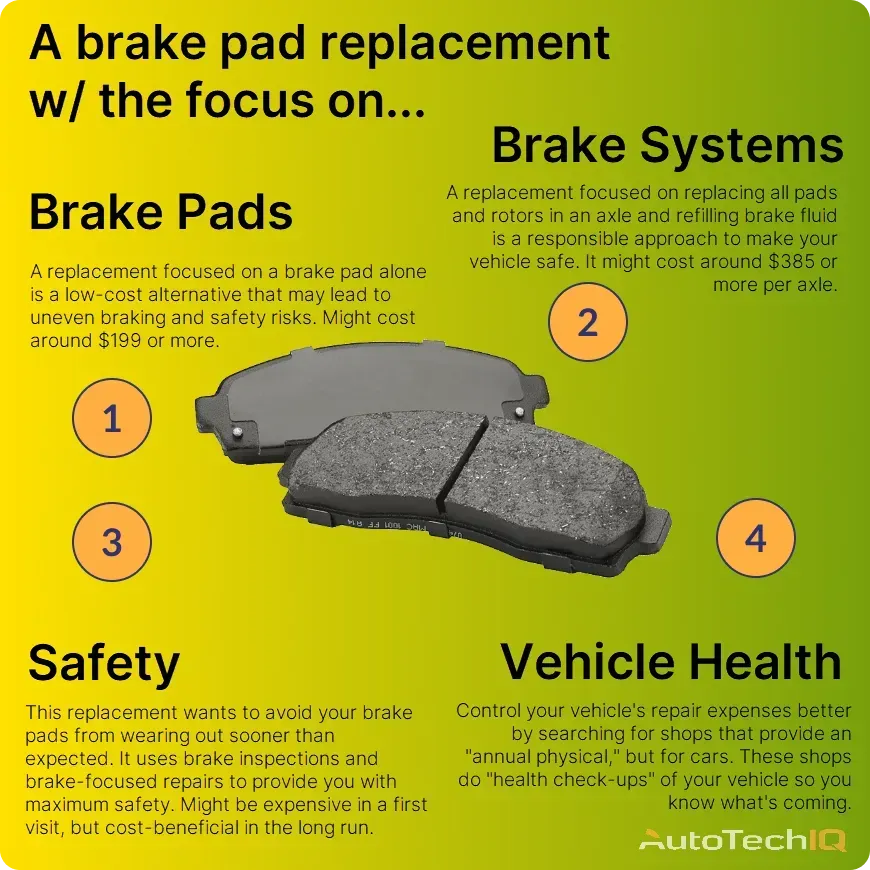
For standard cars, labor costs usually fall between $80 and $150. Mechanics often take about one to two hours to replace brakes and rotors. The price varies by location and shop rates. This range covers common sedans, hatchbacks, and small SUVs. Simple brake systems cost less to service. Expect quicker, less expensive labor for these models.
Higher Costs For Luxury And Performance Cars
Luxury and performance vehicles often have complex brake systems. Labor costs for these cars range from $150 to $300 or more. Special tools and expertise may be needed for replacements. Labor can take longer due to advanced technology and parts. Expect higher prices for brands like BMW, Mercedes, or Audi. High-performance brake kits also add to the cost.
Credit: www.autotechiq.com
Diy Vs. Professional Replacement
Replacing brakes and rotors is a key car maintenance task. Deciding between doing it yourself or hiring a professional is important. Both options have clear benefits and risks. Understanding these helps you choose the best path for your situation.
Pros And Cons Of Diy
Doing brake and rotor replacement yourself saves labor costs. You only pay for parts. This can be much cheaper than a mechanic’s fee.
Working on your car can give a sense of pride. It also teaches valuable skills. You control the quality of the work.
DIY requires tools and space to work safely. Mistakes can cause serious safety issues. It takes time and patience to do it right. If you lack experience, problems may arise.
When To Hire A Mechanic
Hiring a mechanic ensures expert knowledge and proper tools. Professionals can complete the job faster and more safely. Labor costs vary but often reflect skill and warranty.
Choose a mechanic if you feel unsure or lack tools. Complex brake systems or unusual cars need expert care. Safety is critical with brakes; mistakes cost lives.
Mechanics also inspect other parts, catching hidden issues early. This can save money in the long run. Peace of mind comes with professional brake replacement.
Additional Expenses To Consider
Replacing brakes and rotors involves more than just labor costs. Many factors can increase the total bill. Knowing these helps you plan your budget better. Expect some extra expenses beyond the basic service.
Parts Quality And Pricing
Brake parts come in different quality levels. Basic parts cost less but wear out faster. Premium parts last longer but cost more upfront. The price of rotors and brake pads changes by brand and material. Choosing better parts means paying more, but saves money over time. Ask your mechanic about parts options and costs.
Potential Hidden Fees
Some shops add fees not shown in the estimate. These include shop supplies, disposal fees, or taxes. Diagnostic fees may apply if your brakes need extra checks. Labor rates might vary if the job takes longer than expected. Always ask for a full price breakdown before work begins.
Tips To Save On Brake And Rotor Replacement
Brake and rotor replacement can be costly. Labor charges often add up quickly. Saving money on these repairs helps keep your car safe and your budget intact.
Simple steps help reduce labor costs. Knowing who to trust and when to act makes a big difference.
Finding Reliable Mechanics
Choose mechanics with good reviews and fair prices. Reliable shops avoid unnecessary repairs. Ask friends or search online for trusted options. A skilled mechanic finishes the job faster. This lowers labor time and cost.
Check if the shop offers warranties. Warranties protect you from future issues. Reliable mechanics stand behind their work.
Scheduling Maintenance Early
Replace brake pads before rotors wear out. Early maintenance reduces labor and parts cost. Waiting causes more damage and higher bills. Regular check-ups catch problems early. This keeps repairs small and less expensive.
Set reminders to inspect brakes often. Acting early prevents emergency repairs. Save money by staying ahead of brake wear.
Credit: blog.napacanada.com
Frequently Asked Questions
How Much Does Labor Cost To Replace Brakes And Rotors?
Labor costs to replace brakes and rotors typically range from $100 to $200. Prices vary based on location, vehicle type, and mechanic rates.
Does Labor Cost Vary By Vehicle Type For Brake Replacement?
Yes, labor costs vary by vehicle type. Larger or luxury vehicles usually have higher labor fees due to complexity and time required.
How Long Does Brake And Rotor Replacement Labor Take?
Labor usually takes 1 to 2 hours to replace brakes and rotors. Time depends on vehicle model and mechanic experience.
Can Labor Costs Increase With Additional Brake Repairs?
Yes, labor costs increase if extra repairs are needed. Problems like caliper replacement or brake fluid flush add to labor time.
Conclusion
Replacing brakes and rotors costs vary by car and location. Labor prices depend on shop rates and job difficulty. Choosing a reliable mechanic saves money and ensures safety. Regular brake checks help avoid bigger, costly repairs later. Knowing labor costs helps you plan your budget better.
Take care of your brakes to keep driving safely. Simple steps can protect your car and your wallet. Keep this info in mind for your next brake service.


