
When it comes to pressure washing your car, choosing the right color tip can make all the difference. You might think any nozzle will do, but the color of the tip actually controls the water pressure and spray pattern.
Using the wrong one could damage your car’s paint or leave dirt behind. If you want a clean, shiny car without risking scratches or streaks, understanding which color tip to use is key. Keep reading to discover exactly which tip works best for your car and how to get that professional clean every time.
Choosing The Right Tip Color
Choosing the right tip color for pressure washing your car is important. Each color shows how strong the water spray will be. Using the wrong tip can damage the paint or leave dirt behind. This guide helps you pick the best tip color for cleaning your car safely and well.
Color Codes Explained
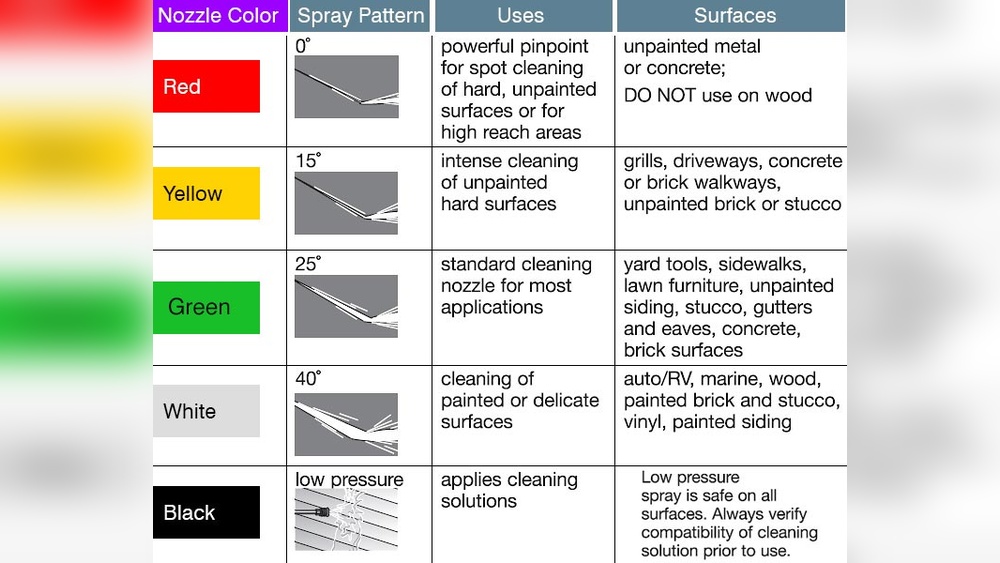
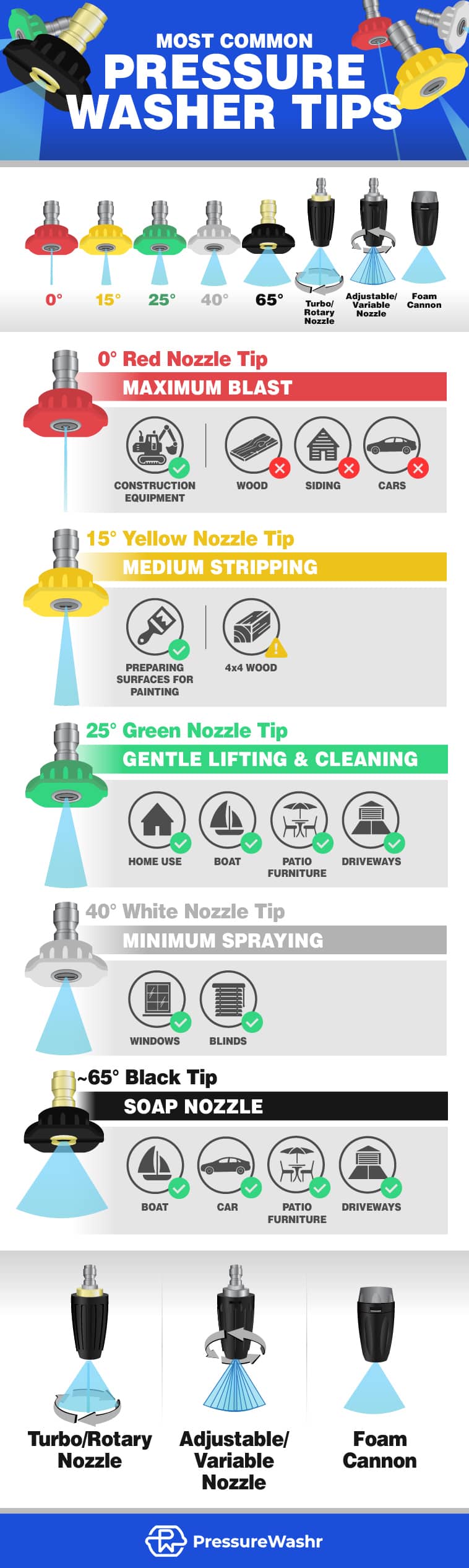
Pressure washer tips have different colors. Each color means a different spray angle and pressure. Red is very strong with a 0-degree spray. Yellow sprays at 15 degrees and is strong. Green uses a 25-degree spray and is medium strength. White sprays at 40 degrees and is gentle. Black is the gentlest, with a 65-degree spray for light rinsing.
Impact On Cleaning Power
The tip color changes how hard the water hits the car. Strong tips like red or yellow remove tough dirt fast. But they can scratch the paint. Medium tips like green clean well without damage. Gentle tips like white or black are best for delicate surfaces. They rinse dirt without harming the car’s finish.
Matching Tip To Surface
Choose a tip that fits your car’s surface. Use white or black tips for painted areas. They clean gently and protect the paint. Green tips work well on tires and wheels. Yellow tips suit very dirty or metal parts. Avoid red tips on cars to stop paint damage. Always test on a small spot first.
Pressure Levels And Safety
Pressure washing a car needs care and the right pressure level. Too much pressure can harm the paint and surface. Knowing the safe pressure and using the right tools is key. Safety also means protecting yourself during the process. This section covers safe pressure levels, avoiding paint damage, and protective gear tips.
Safe Pressure For Cars
Keep the pressure below 1200 PSI for washing cars. Higher pressure can strip paint or dent panels. Use a wide spray tip to spread out the force. Always test on a small, hidden area first. Low pressure cleans dirt without damage.
Avoiding Paint Damage
Hold the spray nozzle at least 12 inches from the car. Do not stay too long in one spot. Use smooth, sweeping motions to clean evenly. Avoid using narrow or high-pressure tips. These can cause scratches or peel the paint.
Protective Gear Tips
Wear safety goggles to protect your eyes from spray. Use gloves to keep hands safe from chemicals. Long sleeves and pants help avoid skin irritation. Ensure good footwear to prevent slipping on wet surfaces. Safety gear keeps you safe during washing.
Common Tip Colors For Cars
Pressure washing a car requires the right tip color to protect the paint. Different tip colors offer various spray angles and pressures. Choosing the correct tip helps clean without damage.
Common tip colors include green, white, yellow, and red. Each color serves a specific purpose. Understanding these can improve your car cleaning results.
Green Tip Uses
The green tip sprays water at a 25-degree angle. It delivers medium pressure, good for general cleaning. Use it to wash dirt and grime without harming paint.
This tip works well on car surfaces and wheels. It removes stubborn dirt but stays gentle on the finish. Ideal for regular washing jobs.
White Tip Advantages
The white tip sprays water at a narrow 40-degree angle. It provides light pressure, safe for delicate surfaces. Use it to rinse soap off your car smoothly.
This tip helps avoid scratches and paint damage. It is perfect for final rinsing or light dirt removal. A good choice for gentle cleaning tasks.
Yellow And Red Tips Explained
The yellow tip sprays water at a 15-degree angle with high pressure. It can remove tough dirt but may harm car paint. Use it carefully on strong surfaces only.
The red tip has a 0-degree spray angle and the highest pressure. It is very powerful and can damage your car. Avoid using it on painted surfaces.
Both yellow and red tips suit hard surfaces like concrete, not cars. Knowing this protects your car from damage during pressure washing.
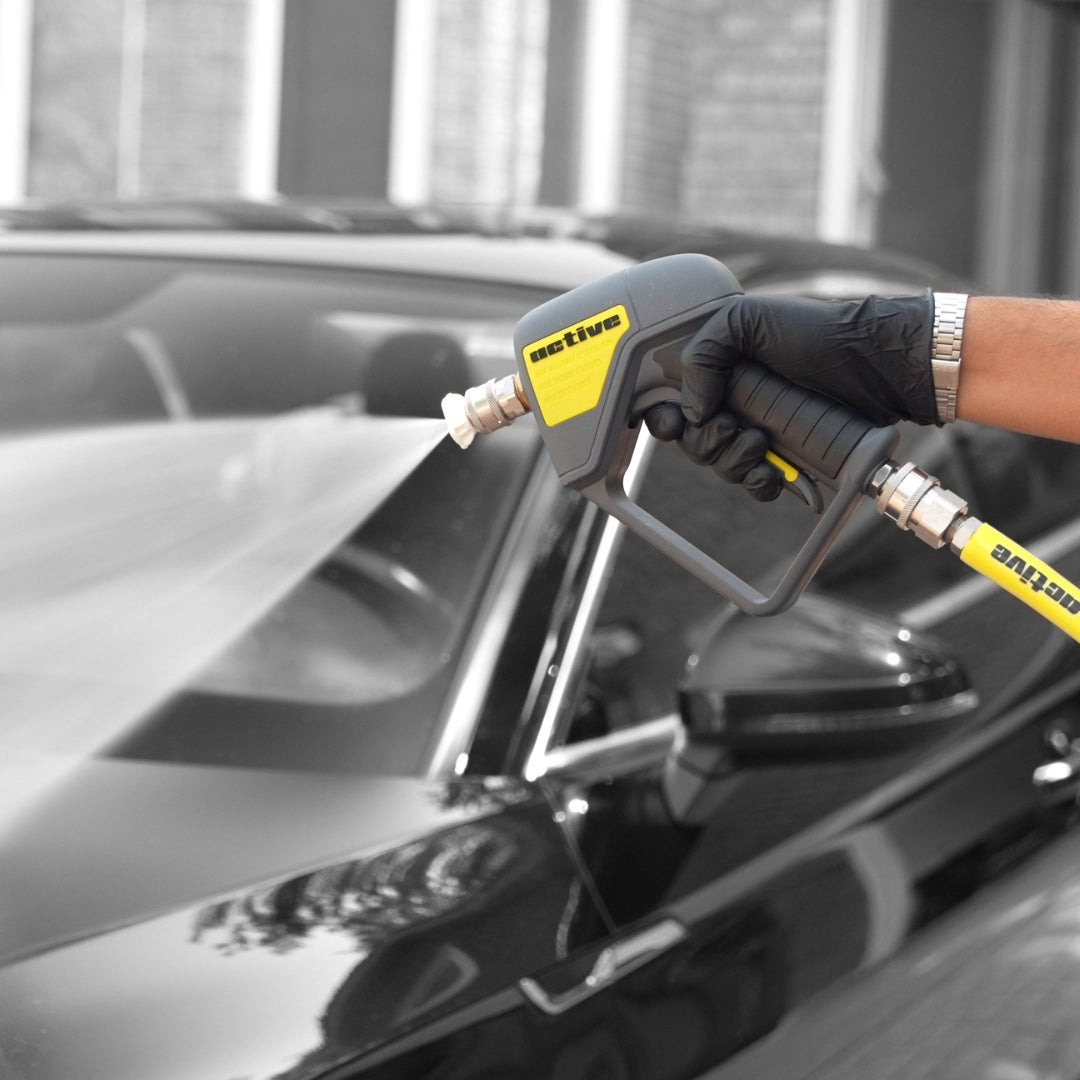
Credit: activeproducts.com
Techniques For A Shiny Finish
Achieving a shiny finish on your car after pressure washing requires careful techniques. These methods help protect the paint and bring out its natural shine. Follow simple steps for the best results.
Pay attention to distance, angle, and cleaning agents. Proper rinsing and drying also make a big difference.
Proper Distance And Angle
Hold the pressure washer nozzle about 12 to 18 inches from the car surface. This distance prevents damage to the paint. Keep the spray at a 45-degree angle to avoid direct pressure on one spot. Move the nozzle in steady, sweeping motions for even cleaning.
Using Detergents Safely
Choose car-safe detergents made for pressure washers. Avoid harsh chemicals that can strip paint. Apply detergent gently with low pressure. Let it sit for a few minutes, but do not let it dry on the surface. Rinse thoroughly to remove all soap residues.
Rinsing And Drying Tips
Use clean water to rinse the car fully. Start from the top and work down to avoid streaks. Dry the car quickly with a soft microfiber cloth. This prevents water spots and keeps the shine bright. Avoid air drying to reduce marks on the paint.
Maintenance Of Pressure Washing Equipment
Keeping your pressure washing equipment in good shape helps it last longer. Proper maintenance ensures strong water pressure and clean results. Regular care saves money on repairs and replacements.
Cleaning And Storage
Rinse the tips and hoses after each use. Remove dirt and debris to avoid clogs. Dry parts completely before storing. Store equipment in a dry, cool place. Avoid leaving it under the sun or in freezing temperatures.
Replacing Tips
Check tips for wear and tear often. Worn tips reduce pressure and can damage surfaces. Replace tips when spray patterns change or pressure drops. Use the right tip color for your cleaning task. Follow manufacturer instructions for safe tip changes.
Troubleshooting Common Issues
Low pressure might mean a clogged tip or hose. Inspect and clean parts carefully. Water leaks can come from loose connections. Tighten fittings and seals to fix leaks. If the machine won’t start, check fuel and power supply. Regular checks prevent most problems.
Credit: pressurewashr.com

Credit: jpttools.com
Frequently Asked Questions
What Color Tip Is Best For Washing Cars?
A green tip (25-degree) is ideal for washing cars. It balances pressure and coverage, effectively cleaning dirt without damaging paint.
Can I Use A Red Tip On My Car?
No, a red tip (0-degree) is too powerful. It can damage your car’s paint and cause scratches.
Why Choose A Yellow Tip For Pressure Washing Cars?
Yellow tips (15-degree) provide a strong, focused spray. Use them carefully on tough stains, but avoid close contact with paint.
How Does Tip Color Affect Car Paint Safety?
Tip color indicates spray angle and pressure. Wider angles (green, white) are safer for paint, while narrow tips (red, yellow) increase damage risk.
Conclusion
Choosing the right color tip helps protect your car’s paint. Each color shows a different spray angle and pressure. Use a wider spray for gentle cleaning. A narrow spray works best for tough dirt. Always test on a small area first.
This keeps your car safe from damage. Pick the color tip based on your cleaning needs. Keep your car looking fresh and clean every time. Simple steps make pressure washing easier and better.


