Are you hearing strange noises when you brake or feeling your car pull to one side? It might be time to change your rotors and brakes.
But how much will it actually cost you? Knowing the price before you visit the mechanic can save you from unexpected bills and stress. You’ll discover the real costs involved, what affects the price, and how to make smart choices that protect both your safety and your wallet.
Keep reading to find out exactly what you need to know before you fix your brakes.
Credit: www.autotechiq.com
Factors Affecting Rotor And Brake Replacement Costs
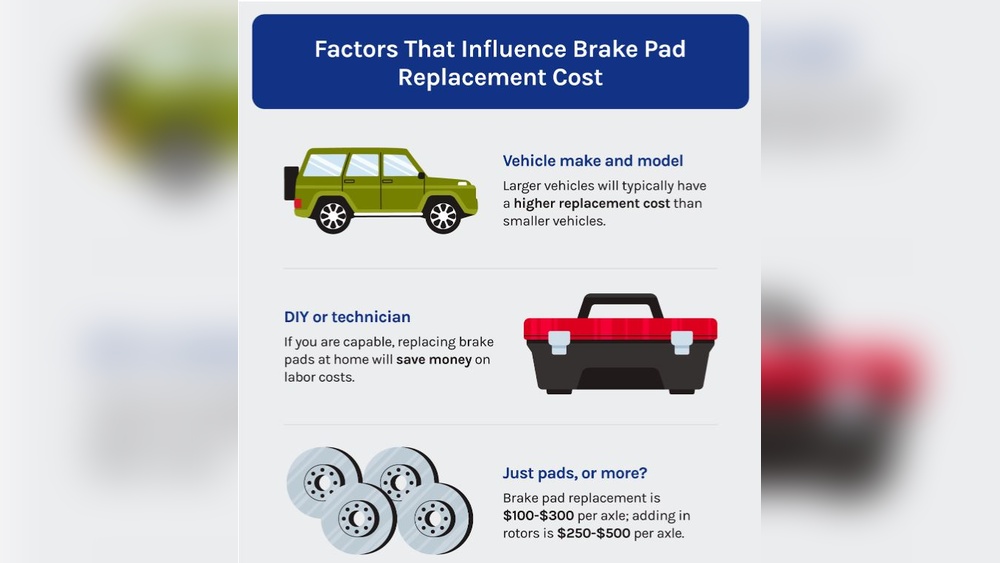
Several factors influence the cost of changing rotors and brakes. Understanding these factors helps prepare for the total expense. Prices vary based on vehicle needs and service specifics. Some parts and labor can raise or lower the bill significantly.
Type Of Vehicle
Different vehicles require different brake parts and rotors. Luxury cars and trucks often have larger, more expensive components. Small cars usually need smaller, cheaper parts. Performance or heavy-duty vehicles may need specialized brakes, increasing costs.
Quality Of Parts
Brake parts come in various qualities and brands. OEM parts match original factory parts and cost more. Aftermarket parts offer cheaper options but vary in durability. High-quality parts last longer and perform better but cost more upfront.
Labor Charges
Labor cost depends on the mechanic’s experience and shop rates. Dealerships often charge more for brake services. Independent shops may offer lower prices with good quality. Complex brake systems take more time, increasing labor fees.
Geographic Location
Location affects brake service costs due to varying living expenses. Urban areas tend to have higher labor and parts prices. Rural or small towns usually offer cheaper services. Regional demand and competition also impact pricing.

Credit: www.youtube.com
Cost Breakdown For Brake Pads
Understanding the cost of brake pads helps you plan your car maintenance budget. Brake pads wear out over time and need regular replacement. The price depends on the type of brake pads you choose and where you install them. Below is a clear breakdown of brake pad costs.
Standard Brake Pads Pricing
Standard brake pads suit most everyday cars. They use basic materials like ceramic or semi-metallic parts. These pads cost between $30 and $70 per set. They offer good stopping power and last about 30,000 to 70,000 miles. Standard pads are a budget-friendly option for regular drivers.
Premium And Performance Pads
Premium pads use advanced materials for better grip and durability. Performance brake pads suit sports cars or heavy-duty driving. These pads cost between $70 and $150 per set. They handle heat better and stop the car faster. Premium pads may wear faster but give stronger braking power.
Diy Vs Professional Installation
Installing brake pads yourself saves money on labor costs. DIY installation kits cost $20 to $50 extra but require tools and skills. Incorrect installation can cause safety risks and brake damage. Professional installation costs $80 to $150 per axle. Mechanics ensure pads fit and work properly. Most drivers prefer professional service for safety and convenience.
Rotor Replacement Costs Explained
Replacing rotors is a key part of brake maintenance. The cost depends on the type and condition of the rotors. Understanding these costs helps you plan your budget better. This section breaks down the factors affecting rotor replacement prices.
Standard Vs Drilled And Slotted Rotors
Standard rotors are the basic type used in most cars. They cost less and work well for everyday driving. Drilled and slotted rotors have holes or grooves. These features help cool the brakes and improve grip. They cost more but offer better performance. Choosing between them depends on your driving style and budget.
Single Vs Both Rotors
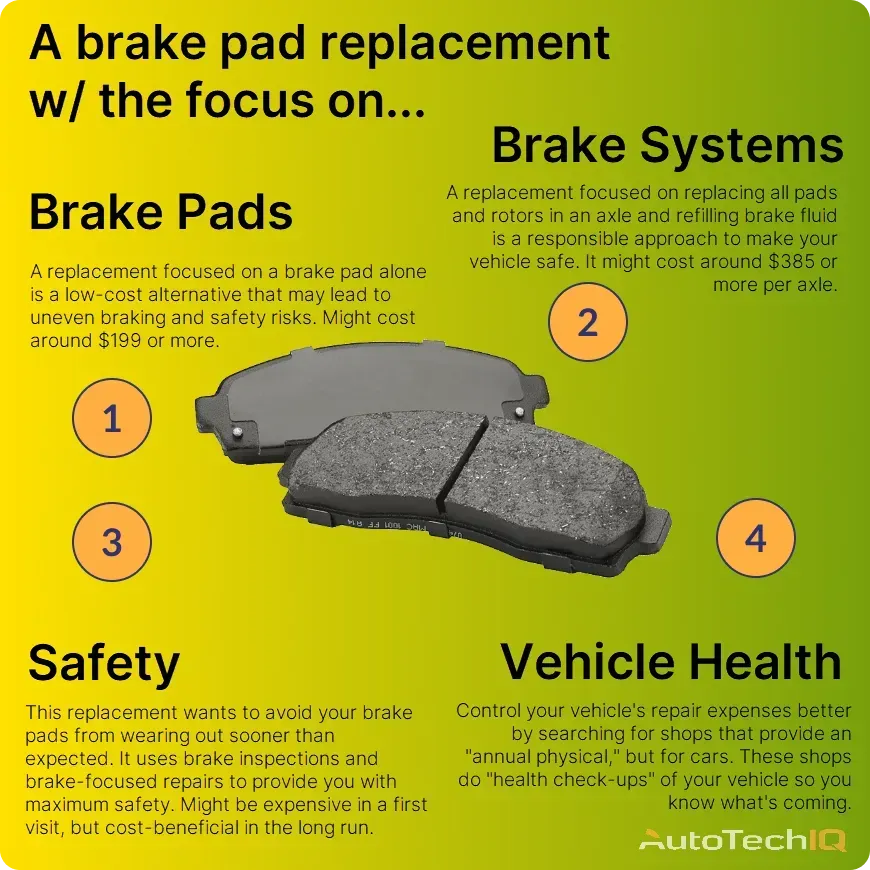
Replacing one rotor is cheaper than replacing both. However, replacing both rotors together keeps brake balance. Uneven rotors can cause vibrations and wear. Many mechanics recommend replacing rotors in pairs for safety and smooth driving. This may increase the upfront cost but saves money later.
Resurfacing Vs Replacement
Resurfacing means smoothing the rotor surface to remove damage. It costs less than a full replacement. Resurfacing works if rotors are still thick enough. Thin or badly damaged rotors must be replaced. New rotors last longer and improve brake performance. The choice depends on rotor condition and repair cost.
Additional Expenses To Consider
Changing rotors and brakes involves more than just the parts. There are extra costs to keep in mind. These can affect the total price and your budget. Knowing these expenses helps you prepare better.
Brake Fluid Replacement
Brake fluid often needs changing with brake service. Old fluid can harm brake performance. Replacing brake fluid keeps your brakes working well. This service adds a small cost but is important.
Hardware And Accessories
New rotors and pads may need extra parts. Clips, shims, and screws might wear out. Mechanics often replace these small items for safety. These accessories add to the final bill but ensure proper brake function.
Potential Hidden Repairs
Sometimes, other issues appear during brake work. Worn calipers or damaged brake lines may need fixing. These repairs increase the total cost. It’s wise to set aside extra money for surprises.
Tips To Save On Brake And Rotor Replacement
Replacing brakes and rotors can be costly. Simple tips help save money. Small steps reduce repair bills and keep your car safe. Smart choices make a big difference.
Choosing The Right Workshop
Pick a workshop with fair prices. Ask friends for recommendations. Check reviews online to avoid costly mistakes. Some shops offer discounts or package deals. Choose a place that uses quality parts. Good service saves money on future repairs.
Buying Parts Independently
Buy brake pads and rotors yourself. Compare prices from different sellers. Look for trusted brands to ensure safety. Bring parts to your mechanic for installation. This approach often costs less than buying parts at the shop. Save by avoiding markups on parts.
Regular Maintenance Benefits
Check brakes often for wear and tear. Clean rotors and pads regularly. Early fixes prevent bigger problems later. Routine care extends brake life and reduces costs. Stay ahead to avoid emergency repairs and extra charges.
Signs You Need To Replace Rotors And Brakes
Knowing when to replace rotors and brakes is important for safety. Worn parts can cause serious problems on the road. Watch for common signs that show your brakes need attention. Early detection saves money and keeps driving safe.
Noises And Vibrations
Squealing or grinding sounds often mean brake parts are worn. Vibrations when pressing the brake pedal show rotor issues. These noises and shakes should never be ignored. They warn about damage that can get worse fast.
Reduced Braking Performance
Longer stopping distances or a soft brake pedal signal trouble. Your brakes may feel weak or unresponsive. This drop in performance means the rotors or pads are not working well. Reduced braking can lead to accidents.
Visual Inspection Tips
Look at the brake pads through the wheel spokes. Thin pads, less than a quarter inch, need replacing. Check rotors for deep grooves or rust spots. Uneven wear or cracks on rotors are signs of damage. Clean brakes work better and last longer.

Credit: vatire.com
Frequently Asked Questions
How Much Does It Cost To Change Brake Rotors?
Changing brake rotors typically costs between $200 and $400 per axle. Labor and parts influence the price. High-performance rotors may increase costs. Always get a detailed quote from your mechanic.
What Factors Affect Brake And Rotor Replacement Cost?
Costs vary due to vehicle type, rotor quality, labor rates, and location. Luxury or heavy vehicles usually cost more. OEM parts are pricier than aftermarket options. Shop around for the best price.
How Long Does It Take To Replace Rotors And Brakes?
Brake and rotor replacement usually takes 1 to 2 hours. Time depends on vehicle complexity and technician experience. Scheduling an appointment can reduce wait times.
Can I Replace Rotors And Brakes Myself To Save Money?
DIY replacement is possible with mechanical skills and tools. However, improper installation risks safety and may increase costs later. For most, professional service is recommended.
Conclusion
Replacing rotors and brakes costs vary by car and parts quality. Labor charges also affect the total price. Regular checks help avoid costly repairs later. Choosing the right shop ensures good service and fair pricing. Keep safety in mind; worn brakes can cause accidents.
Stay informed and maintain your vehicle well. This keeps driving safe and smooth.