
Are you tired of spending hours scrubbing your car and still not getting it as clean as you’d like? Using a pressure washer can make the job faster, easier, and more effective.
But if you’re worried about damaging your paint or don’t know where to start, you’re in the right place. In this guide, you’ll learn simple, step-by-step tips to safely and confidently use a pressure washer to wash your car. Keep reading, and soon your car will shine like new without the hassle.
Choosing The Right Pressure Washer
Choosing the right pressure washer is key to cleaning your car safely and well. The wrong machine can damage paint or leave dirt behind. This guide helps you find the best pressure washer for your car wash. Learn about types, pressure levels, and useful attachments.
Types Of Pressure Washers
There are two main types of pressure washers: electric and gas-powered. Electric washers are lighter and quieter. They work great for home car washing. Gas-powered washers are stronger and better for heavy jobs. They are usually louder and need more maintenance. For most car owners, electric washers are the best choice.
Recommended Psi For Car Washing
PSI means pounds per square inch. It shows how strong the water pressure is. Too much pressure can harm your car’s paint. A good PSI range for washing cars is 1200 to 1900. This range cleans dirt and grime without damage. Stay below 2000 PSI to keep your car safe.
Essential Attachments And Nozzles
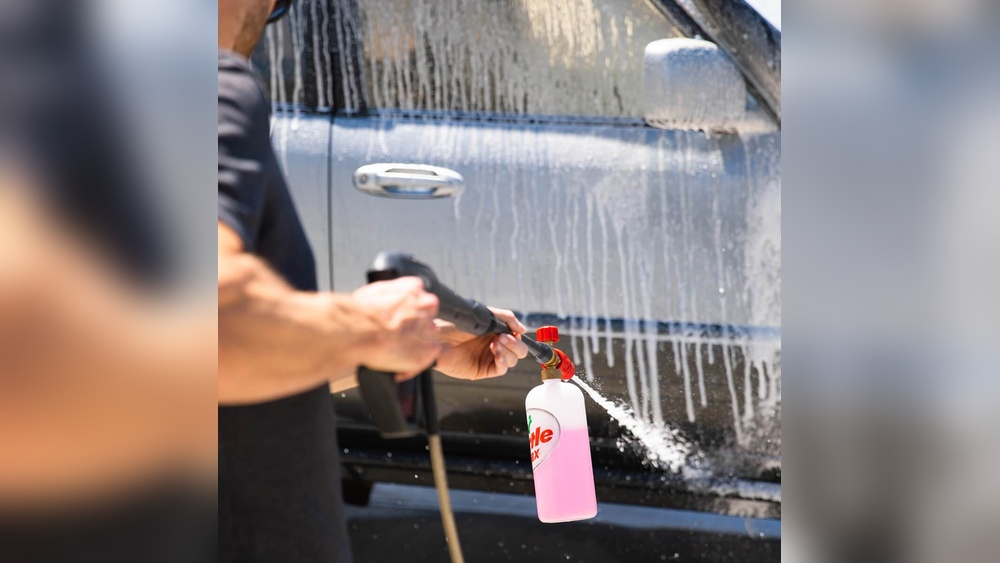
Attachments help control the water flow and spray pattern. A fan nozzle spreads water wide to avoid damage. A turbo nozzle provides a strong, focused spray for tough dirt. Foam cannons add soap and create thick foam. Use these tools to clean your car gently and well.
Credit: www.turtlewax.com
Preparing Your Car For Washing
Preparing your car before washing with a pressure washer is important. It helps protect your car’s paint and parts. It also makes cleaning easier and more effective. Follow these steps to get your car ready for washing.
Removing Loose Dirt And Debris
Start by brushing off loose dirt and dust. Use a soft broom or cloth to avoid scratches. Remove leaves, twigs, or bugs stuck on the car. This prevents dirt from spreading during washing.
Protecting Sensitive Areas
Cover areas that water can damage. Use plastic or tape on electrical parts like headlights and mirrors. Seal door locks and window edges to avoid water inside. Protecting these parts stops corrosion and malfunctions.
Selecting The Best Cleaning Products
Choose car wash soap made for pressure washers. Avoid harsh detergents or household cleaners. Pick products that are gentle on paint but remove dirt well. Using the right soap helps keep your car shiny and safe.
Safe Pressure Washing Techniques
Using a pressure washer on your car can make cleaning quick and easy. Safety matters most to avoid damage. Following safe techniques protects your car’s paint and parts. These tips help you wash well without harm.
Maintaining Proper Distance
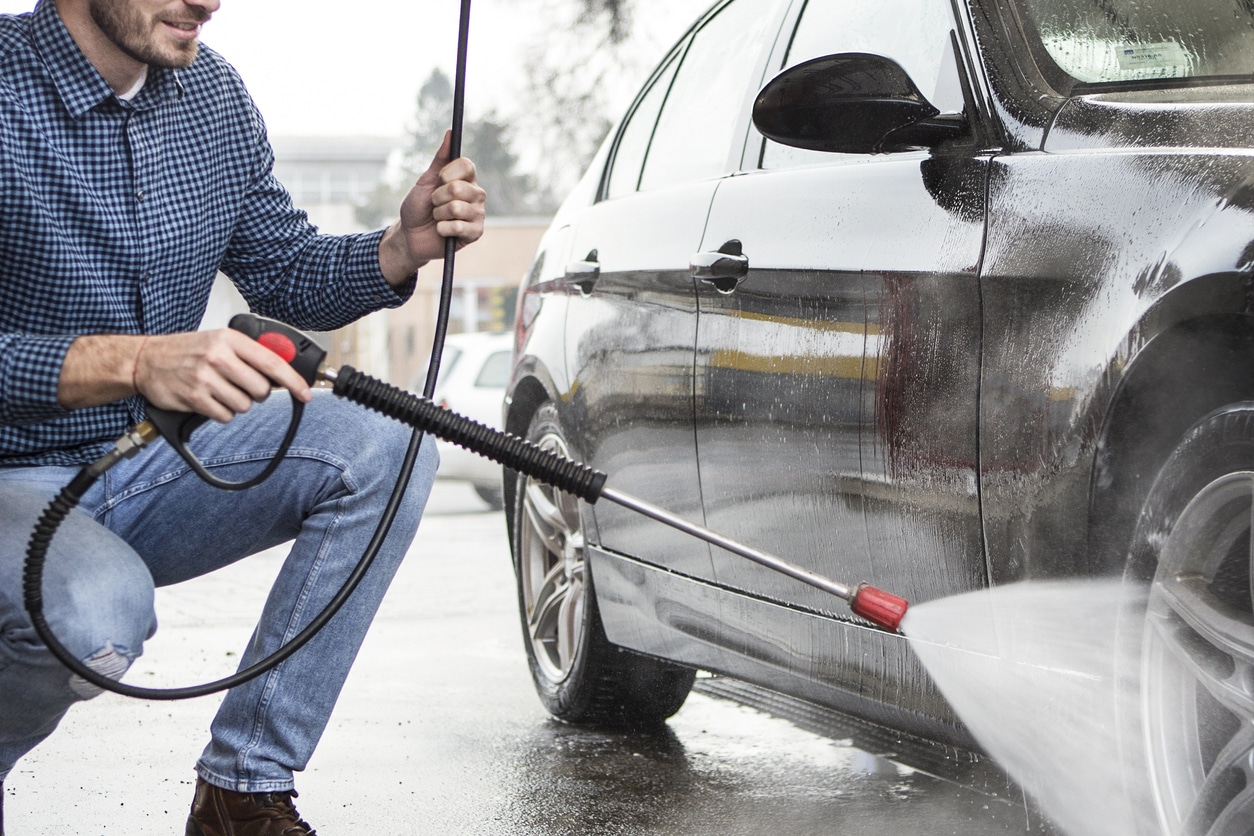
Keep the pressure washer nozzle at least 12 inches from the car. Too close can damage paint or cause dents. Moving back slightly keeps the spray gentle but effective. Adjust the distance if you see any paint lifting.
Using The Correct Spray Angle
Hold the nozzle at a 45-degree angle to the car surface. This angle helps remove dirt without driving water under seals. Avoid spraying straight on because it can force water into unwanted places. Sweep the spray in smooth, even motions.
Avoiding Damage To Paint And Seals
Never use the highest pressure setting on your car’s paint. Use a wide spray tip to spread the water force. Avoid spraying directly at rubber seals or trim to stop leaks. Check the car for weak spots before starting. Be gentle around decals and stickers.
Credit: www.simoniz.uk
Step-by-step Car Washing Process
Washing your car with a pressure washer can be fast and effective. Follow these simple steps to get your car clean without damage. Each step helps remove dirt and grime carefully. Take your time and enjoy the process.
Pre-rinsing The Vehicle
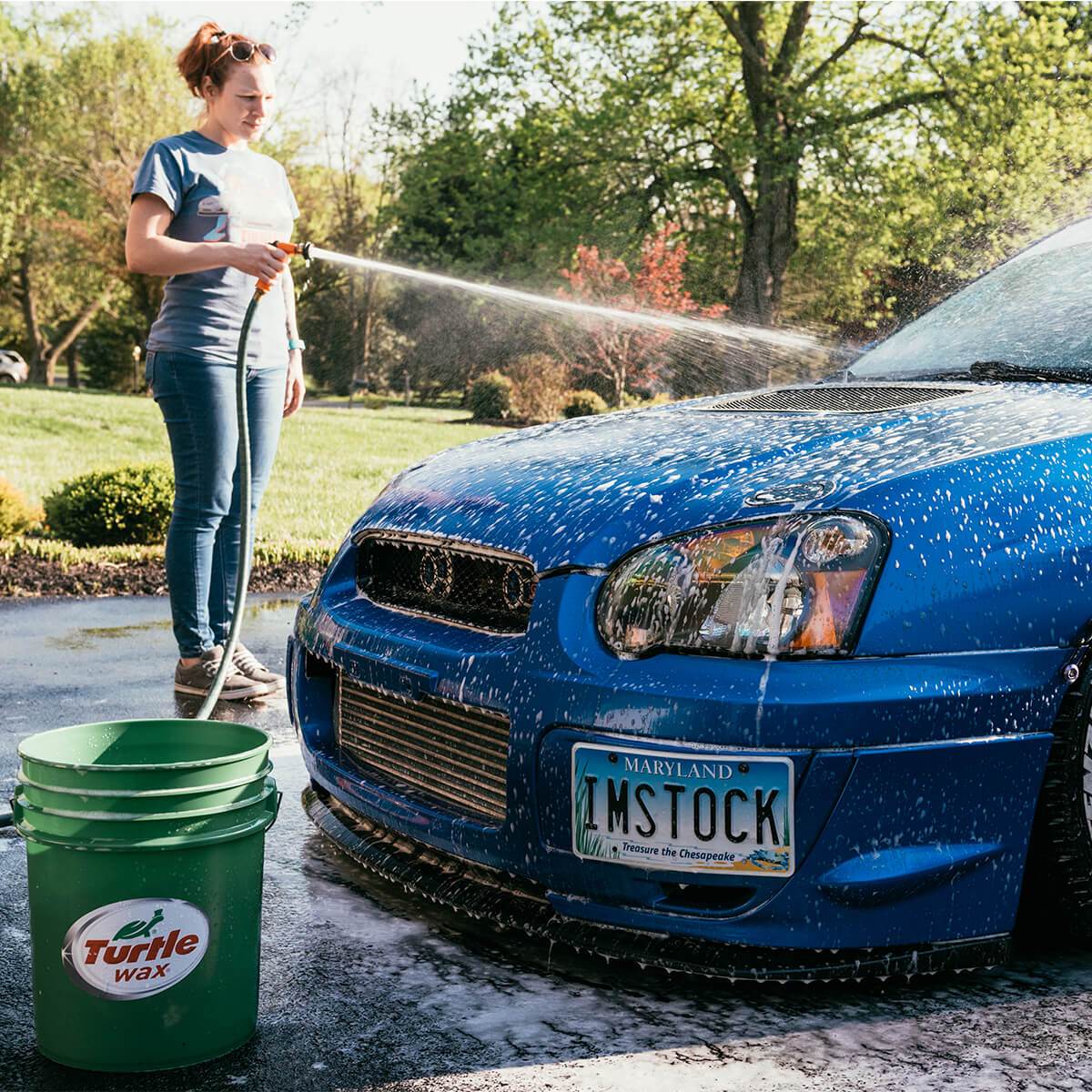
Start by rinsing your car with clean water. Use the pressure washer on a low setting. Spray from top to bottom to remove loose dirt. Keep the nozzle at least 12 inches away. This prevents paint damage. Focus on wheels and undercarriage too. This step helps prepare the car for soap.
Applying Soap And Cleaning
Next, apply a car-safe soap using the pressure washer’s foam cannon or soap setting. Cover the entire car evenly. Let the soap sit for a few minutes but don’t let it dry. Use a soft brush or mitt to scrub stubborn spots gently. Clean one section at a time for best results. Avoid harsh scrubbing to protect the paint.
Final Rinse And Drying Tips
Rinse off all the soap thoroughly with clean water. Use a higher pressure setting but keep the nozzle distance safe. Make sure no soap residue remains. Dry the car quickly using a microfiber towel or chamois. This prevents water spots. Pat dry instead of rubbing to avoid scratches. Take your time and enjoy your clean car.
Troubleshooting Common Issues
Troubleshooting common issues during car washing with a pressure washer can save time. Knowing simple fixes helps you avoid damage and keep the car clean. Some problems occur often and are easy to solve with basic steps. Focus on three main areas to improve your experience.
Dealing With Stubborn Stains
Stains like bird droppings or tree sap may not come off easily. Use a detergent made for pressure washers to help. Spray the detergent and let it sit for a few minutes. Then, use a wide spray nozzle to rinse the area gently. Avoid using too much pressure, which can harm the paint.
For tough stains, repeat the process or use a soft brush before rinsing. Always test on a small spot first to check for damage.
Preventing Water Spots
Water spots appear when water dries and leaves minerals on the surface. To avoid spots, dry the car quickly after washing. Use a microfiber towel or a car dryer tool. Wash the car in the shade or during cooler times of the day. This stops water from drying too fast and leaving marks.
Using filtered or demineralized water can also reduce spots. It lowers minerals that cause spots to form.
Handling Pressure Washer Malfunctions
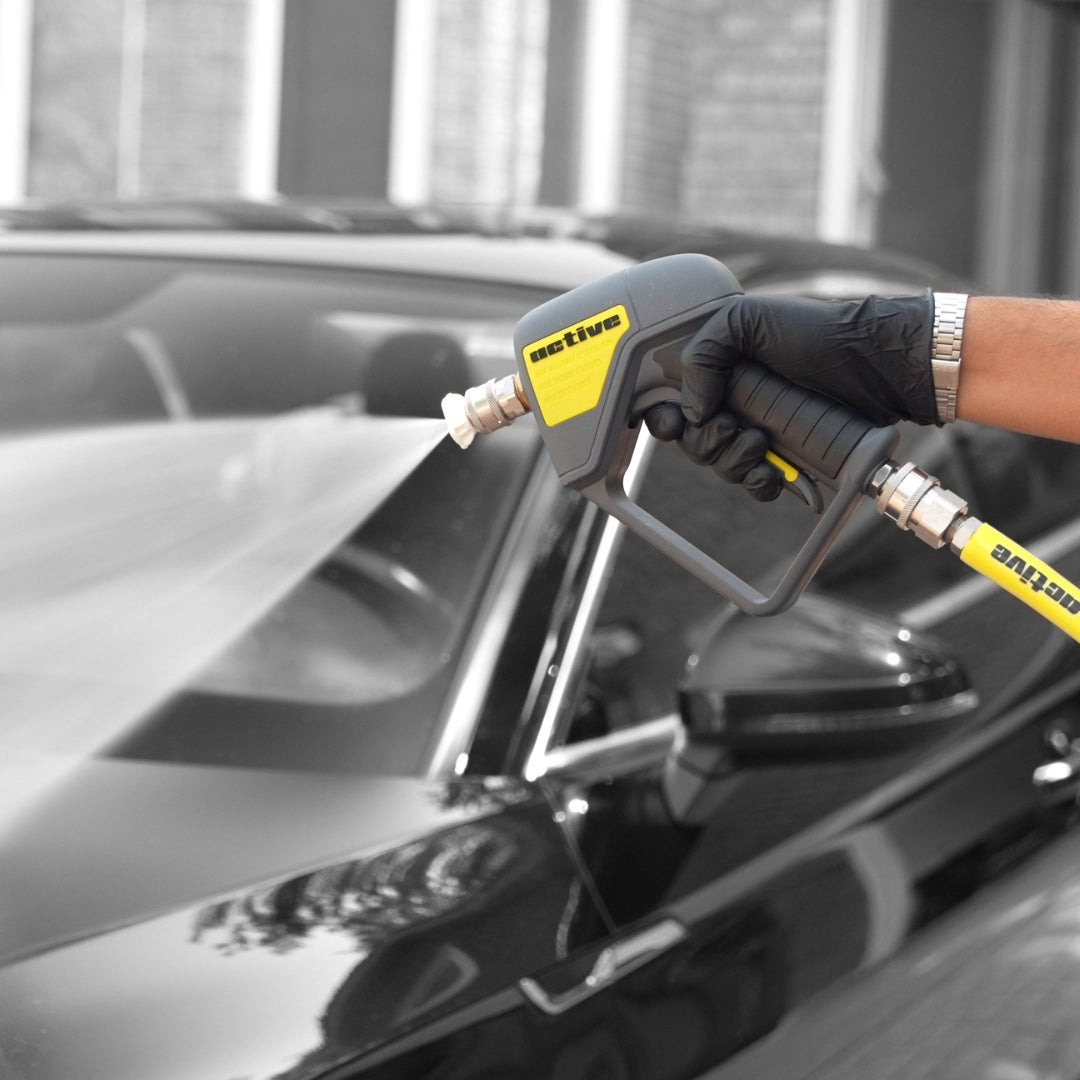
Pressure washers can stop working due to clogs or low water flow. Check the water supply first to ensure it is strong and steady. Clean the nozzle if the spray looks weak or uneven. Debris can block the spray and reduce pressure.
If the machine overheats, turn it off and let it cool down. Follow the user manual for specific maintenance tips. Regular cleaning and inspection prevent many common problems.
Credit: activeproducts.com
Maintenance And Storage Tips
Proper care of your pressure washer keeps it working well for years. After washing your car, take time to maintain and store the machine correctly. This prevents damage and saves money on repairs. Follow simple steps to clean, check, and store your equipment safely.
Cleaning The Pressure Washer
Rinse the pressure washer with clean water after each use. Remove dirt and soap from the nozzle and hose. Use a soft brush to clean hard-to-reach areas. Clear any blockages to keep water flowing smoothly. Dry the machine before storing it to avoid rust.
Storing Equipment Safely
Store your pressure washer in a dry, cool place. Avoid areas with direct sunlight or extreme temperatures. Coil hoses neatly to prevent kinks or cracks. Keep all parts together in one spot. Cover the machine to protect it from dust and dirt.
Regular Maintenance Checks
Check the oil level regularly if your washer has an engine. Inspect hoses and connections for leaks or cracks. Tighten loose fittings to stop water leaks. Test the spray gun for consistent pressure. Replace worn parts promptly to avoid bigger problems.
Frequently Asked Questions
How Close Should I Hold The Pressure Washer To My Car?
Hold the pressure washer nozzle about 12 to 18 inches from your car’s surface. This distance avoids paint damage while effectively removing dirt. Adjust based on water pressure and nozzle type to ensure safe, thorough cleaning.
Can I Use Any Detergent With A Pressure Washer?
Use detergents specifically designed for pressure washers and car washing. Avoid harsh chemicals that can damage your car’s paint. Always follow the manufacturer’s instructions for the best cleaning results and to protect your vehicle.
What Pressure Setting Is Safe For Washing Cars?
Set the pressure washer between 1200 and 1900 PSI for car washing. Higher pressure can damage the paint and trim. Use a wide spray nozzle to distribute pressure evenly and prevent surface harm.
Should I Rinse The Car Before Using A Pressure Washer?
Yes, rinse your car with plain water before pressure washing. This removes loose dirt and reduces the risk of scratching the paint during washing. It prepares the surface for effective detergent application.
Conclusion
Using a pressure washer to clean your car saves time and effort. Always keep the nozzle at a safe distance from the paint. Choose the right pressure setting to avoid damage. Start from the top and work your way down.
Rinse off soap thoroughly to prevent streaks. Dry your car with a soft cloth for a shiny finish. Regular washing keeps your car looking new and protects its paint. Follow these simple steps for a clean and fresh vehicle every time.


