

If your car’s brakes are making noise or don’t feel as responsive, you might be wondering, “How much should I pay for brakes and rotors?” It’s a question that matters because paying too much wastes your money, while paying too little could put your safety at risk. You want clear answers and real numbers to help you make the best choice for your car and your budget.
Keep reading, and you’ll discover exactly what affects the cost, how to spot a fair price, and smart tips to save money without sacrificing quality. Your safety and wallet will thank you.
Brake And Rotor Replacement Basics
Brake and rotor replacement is a key part of car maintenance. Brakes keep you safe by stopping your car on time. Rotors work with brake pads to slow down the wheels. Knowing the basics helps you make smart choices. It also helps you understand repair costs better.
Brakes and rotors wear out over time. Knowing when to replace them can save you money. It also prevents bigger problems with your vehicle.
Signs You Need New Brakes
Your car may show clear signs if brakes need replacing. Squealing or grinding noises mean brake pads are worn. A soft or spongy brake pedal feels different under your foot. The car may pull to one side while stopping. Vibration or shaking when braking also signals trouble. These signs tell you it is time to check brakes.
When To Replace Rotors
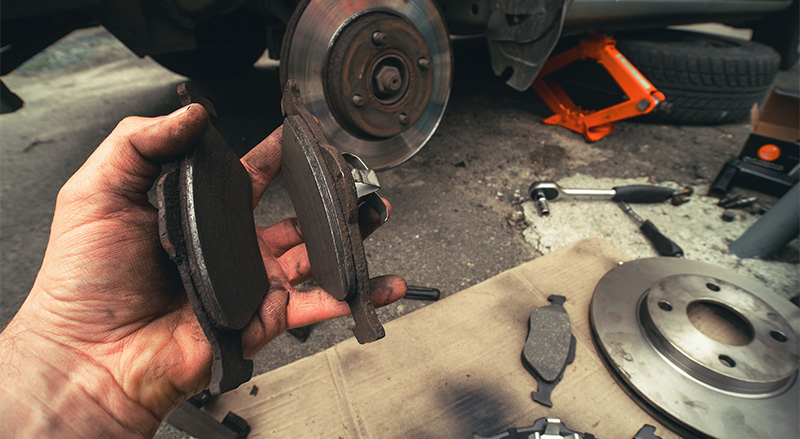
Rotors wear out but last longer than pads. Replace rotors if they are deeply grooved or warped. Warped rotors cause shaking when you brake. Also, thin rotors cannot cool well and must be changed. Most rotors last 30,000 to 70,000 miles. Check rotors whenever you replace brake pads.
Types Of Brake Pads And Rotors
Brake pads come in three main types: organic, semi-metallic, and ceramic. Organic pads are quiet but wear fast. Semi-metallic pads last longer but can be noisy. Ceramic pads are quiet and last long but cost more.
Rotors can be solid or vented. Solid rotors are simple and good for light cars. Vented rotors cool better and suit heavier vehicles or performance cars. Choose the type based on your car’s needs and driving style.
Factors Affecting Brake And Rotor Costs
Brake and rotor costs vary widely. Several factors influence the final price you pay. Understanding these factors helps you plan your budget better. It also prepares you for conversations with mechanics or shops. Below, we explore key elements that affect brake and rotor costs.
Vehicle Make And Model
Different cars need different brake parts. Luxury cars usually have more expensive parts. Some models require special rotors or brake pads. Older or rare cars may need harder-to-find parts. These differences impact the overall cost significantly.
Quality Of Parts
Brake parts come in various quality levels. Original Equipment Manufacturer (OEM) parts cost more. Aftermarket parts vary from budget to high quality. Cheaper parts may wear out faster. Higher quality parts last longer and perform better. Your choice affects both price and safety.
Labor Charges
Labor costs depend on the shop and job complexity. Replacing brakes is usually quicker than rotors. Some vehicles require more time for brake service. Experienced mechanics may charge more. Labor rates differ between shops and regions.
Location And Shop Type
Urban areas tend to have higher service prices. Independent shops usually charge less than dealerships. Dealerships offer specialized service but at a premium. Rural shops may have lower rates but fewer options. Location impacts both parts availability and labor costs.
Average Costs For Brake Pads And Rotors
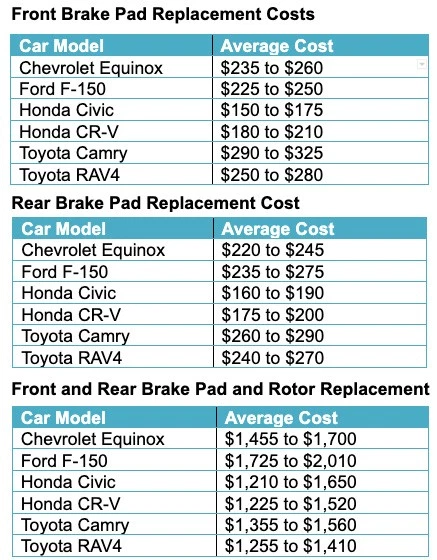
Knowing the average costs for brake pads and rotors helps plan your car maintenance budget. Brake parts vary by car type and quality. Prices differ across brands and workshops. Understanding typical price ranges can prevent surprises at the repair shop. Below are common cost estimates for brake pads and rotors.
Cost Range For Brake Pads
Brake pads usually cost between $30 and $80 per set. Economy pads fall on the lower end. Premium or performance pads can reach $100 or more. Factors like material and brand affect prices. Some cars require special pads, which cost extra. Labor charges for pad replacement also add to the total.
Cost Range For Rotors
Brake rotors often cost from $40 to $150 each. Standard rotors stay near the low end. High-performance or drilled rotors cost more. Some vehicles have larger, thicker rotors that increase price. Rotors wear out slower than pads but cost more to replace. Labor for rotor replacement varies by vehicle complexity.
Total Replacement Cost Estimates
Replacing both brake pads and rotors usually costs between $250 and $500. This estimate includes parts and labor for all four wheels. Smaller cars tend to have cheaper replacements. Larger or luxury vehicles require higher budgets. Routine brake service helps avoid costly repairs later. Always ask for a detailed quote before starting work.
Credit: www.ebay.com
Diy Vs Professional Replacement
Deciding between DIY brake and rotor replacement or hiring a professional is important. Both choices have benefits and risks. Understanding these can help you save money and stay safe on the road.
Pros And Cons Of Diy
Doing brake and rotor replacement yourself can save labor costs. Parts usually cost less without mechanic fees. It gives a sense of achievement and control over repairs.
DIY requires tools like jacks, wrenches, and brake tools. Mistakes can lead to brake failure and accidents. The process can be time-consuming and frustrating for beginners.
When To Choose A Mechanic
Choose a mechanic if you lack experience or proper tools. Complex brake systems need expert handling. Mechanics ensure correct installation and test brakes safely.
Professionals can spot hidden problems you might miss. They offer warranties on parts and work. This reduces future repair costs and increases confidence.
Safety Considerations
Brakes are critical for your safety. Incorrect installation can cause accidents or injuries. Always double-check your work if you DIY.
Wear safety gear like gloves and goggles. Work on a flat surface and use wheel chocks. Never drive the car until brakes are fully tested.
Tips To Save On Brake And Rotor Replacement
Replacing brakes and rotors can be expensive. Finding ways to save money helps keep your car safe without spending too much. Simple tips can lower the cost of parts and labor. These tips also help your brakes last longer and work better.
Comparing Quotes
Get several price estimates before choosing a mechanic. Different shops charge different amounts for the same job. Ask what parts and labor are included in each quote. Check reviews to find a trustworthy place. Saving money starts with knowing your options.
Using Aftermarket Parts
Aftermarket parts cost less than original brand parts. Many aftermarket brakes and rotors meet safety standards. Choose parts that fit your car and have good reviews. This choice can cut costs without lowering quality. Make sure the shop installs these parts correctly.
Regular Maintenance To Extend Lifespan
Keep brakes clean and check them often. Avoid hard braking and driving habits that wear brakes fast. Regular maintenance helps rotors and pads last longer. This lowers how often you replace parts. It saves money and keeps driving safe.

Credit: shop.advanceautoparts.com
Common Mistakes To Avoid
Paying for brakes and rotors is important for your car’s safety. Many people make common mistakes that cost more money and cause bigger problems later. Avoiding these errors helps you save money and keep your car safe on the road. Here are key mistakes to watch out for.
Ignoring Warning Signs
Brake noise, vibration, or a soft pedal are warning signs. Ignoring these signs can cause further damage. Waiting too long may lead to costly repairs. Always check your brakes at the first sign of trouble.
Choosing Cheapest Options
Cheap brake parts may seem like a good deal. Low-quality rotors and pads wear out quickly. They may not stop your car well. Invest in good parts to avoid frequent replacements and ensure safety.
Skipping Professional Inspections
DIY brake checks can miss hidden problems. Professionals spot issues early and fix them right. Regular inspections keep your brakes in top shape. Skipping these checks risks your safety and costs more later.
Credit: blog.napacanada.com
Frequently Asked Questions
How Much Do Brake And Rotor Replacements Usually Cost?
Brake and rotor replacement costs typically range between $250 and $500. The price depends on your vehicle type, parts quality, and labor rates. High-performance or luxury vehicles often cost more. Always compare quotes from multiple shops to ensure a fair price.
What Factors Influence Brake And Rotor Replacement Prices?
Prices vary based on vehicle make, brake pad type, rotor quality, and labor costs. Performance rotors and premium pads increase expenses. Labor rates differ by location and shop expertise. Additional repairs may also affect the total cost.
Can I Save Money By Replacing Brakes And Rotors Myself?
DIY replacement can save labor costs but requires proper tools and skills. Incorrect installation risks safety and vehicle damage. For most, professional service ensures quality and safety. DIY is best for experienced mechanics comfortable with brake systems.
How Often Should Brakes And Rotors Be Replaced?
Brake pads usually last 30,000 to 70,000 miles; rotors may last 50,000 to 70,000 miles. Replacement depends on driving habits and conditions. Regular inspections help detect wear early, preventing costly repairs and ensuring safety.
Conclusion
Paying the right amount for brakes and rotors protects your car and wallet. Quality parts and professional service keep you safe on the road. Cheap options may cost more in the long run. Compare prices and check reviews before deciding.
Regular maintenance helps avoid expensive repairs later. Choose a trusted mechanic you feel comfortable with. Your safety is worth the investment. Stay informed and make smart choices for your vehicle.


