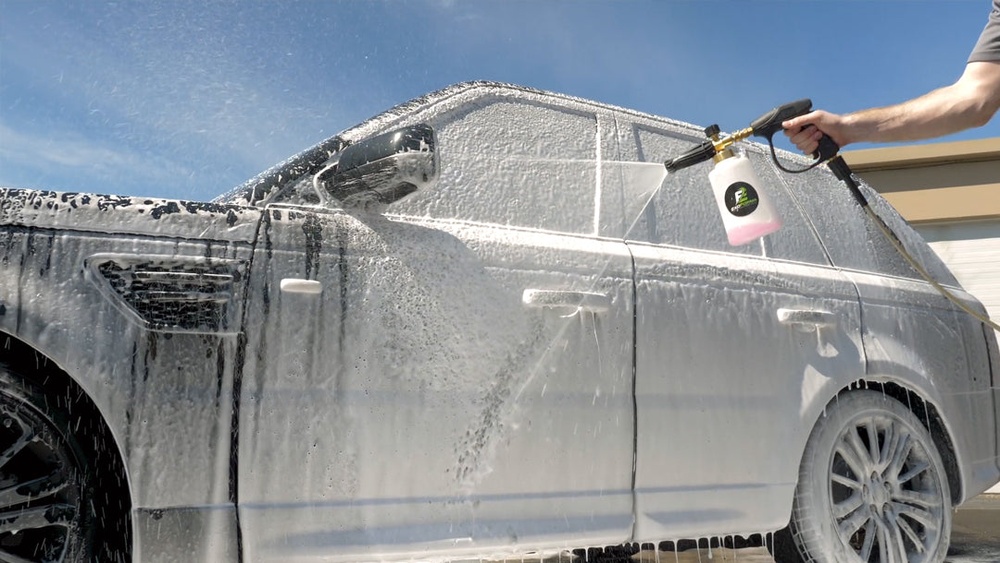
Are you struggling to get the perfect foam when using your foam cannon? One of the most common questions is: how much soap should you mix with water to create that rich, thick foam that makes cleaning easier and more effective?
Getting this ratio right can save you time, money, and frustration. You’ll discover the exact soap-to-water mix that delivers maximum foam power without wasting soap or clogging your equipment. Keep reading to unlock the secret to spotless results every time you use your foam cannon.
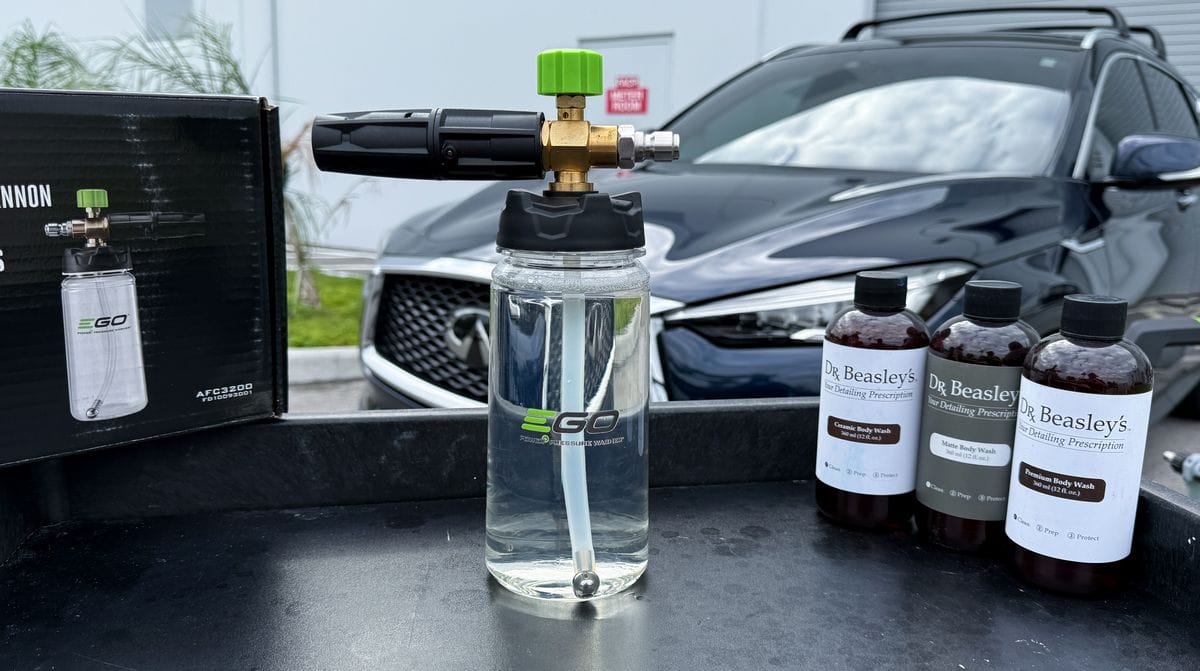
Choosing The Right Soap
Choosing the right soap is key for a great foam cannon experience. The soap affects foam quality, cleaning power, and rinse time. Picking the correct soap helps you get thick foam without wasting product. It also protects your car’s paint and the environment.
Types Of Soaps For Foam Cannons
Not all soaps work well in foam cannons. Car wash soaps made for foam cannons produce thick, lasting foam. Dish soaps create bubbles but can strip wax from paint. Some soaps mix well with water and create dense foam. Choose a soap designed for foam cannon use for best results.
Soap Ingredients That Affect Foam
Soap ingredients change foam quality and cleaning power. Surfactants help soap spread and lift dirt. Thickeners make foam denser and last longer. Some soaps contain wax or conditioners to protect paint. Avoid soaps with harsh chemicals that can damage your car’s finish.
Eco-friendly Soap Options
Eco-friendly soaps clean well and harm the environment less. They use natural ingredients and avoid harsh chemicals. Biodegradable soaps break down quickly and keep water clean. These soaps work well with foam cannons and protect plants and animals around your home.
Credit: www.drbeasleys.com
Water Quality And Its Impact
Water quality plays a big role in how well your foam cannon works. The type of water you use affects the soap mixture and the foam it creates. Clear, soft water helps the soap mix better and makes thick, long-lasting foam. Hard or dirty water can reduce foam and leave spots on your car. Understanding water quality helps you choose the right soap-to-water ratio for the best results.
Using Tap Water Vs. Distilled Water
Tap water is easy to get but often contains minerals and impurities. These can stop soap from foaming well. Distilled water is pure and free of minerals. It mixes perfectly with soap and creates thick foam. Using distilled water can improve foam quality and protect your car’s finish from mineral deposits.
Water Hardness And Foam Quality
Hard water has a high amount of calcium and magnesium. These minerals reduce soap’s ability to foam. Hard water makes foam weak and causes streaks on surfaces. Soft water has fewer minerals and helps create strong, rich foam. Testing water hardness can help you decide how much soap to add for better foam.
Temperature Effects On Foaming
Cold water slows down soap’s foaming action. Foam forms slowly and may be thin. Warm water helps soap dissolve faster and produce thick foam. Avoid very hot water as it can break down soap molecules. Using water at room temperature or slightly warm gives the best foam and cleaning power.
Ideal Soap To Water Ratios
Finding the ideal soap to water ratio is key for foam cannons. This balance affects foam quality and cleaning power. Too much soap can leave residue. Too little soap creates weak foam. The right mix ensures thick, rich foam that cleans well and rinses off easily.
Common Mixing Ratios
Most foam cannons use a soap to water ratio between 1:10 and 1:50. A popular starting point is 1 part soap to 20 parts water. This ratio works well with many car wash soaps. It produces dense foam and good coverage. Some users prefer 1:15 for thicker foam or 1:30 for lighter foam. Always check your soap’s instructions for recommended ratios.
Adjusting Ratios For Different Soaps
Different soaps have different strengths. Concentrated soaps need less product per water amount. Lower concentration soaps require more soap to make foam. Some soaps work better at 1:25, others at 1:40. Thick, creamy soaps usually need less soap. Thin, watery soaps need more soap. Experiment with your soap to find the best mix.
Experimenting For Best Foam Thickness
Start with a middle ratio like 1:20. Test the foam thickness and coverage on your car. Add more soap if foam is too thin or weak. Add more water if foam is too heavy or sticky. Adjust in small steps to avoid waste. Keep notes on your mixes to repeat the best one. Foam thickness depends on soap type, water quality, and weather.

Credit: www.chemicalguys.com
Mixing Techniques For Optimal Foam
Mixing soap and water correctly is key to great foam with a foam cannon. Proper mixing techniques create thick, lasting foam that cleans well and looks good. Small changes in mixing can make a big difference in foam quality.
Understanding the right methods helps avoid weak foam or wasted soap. Below are simple steps to get the best foam every time.
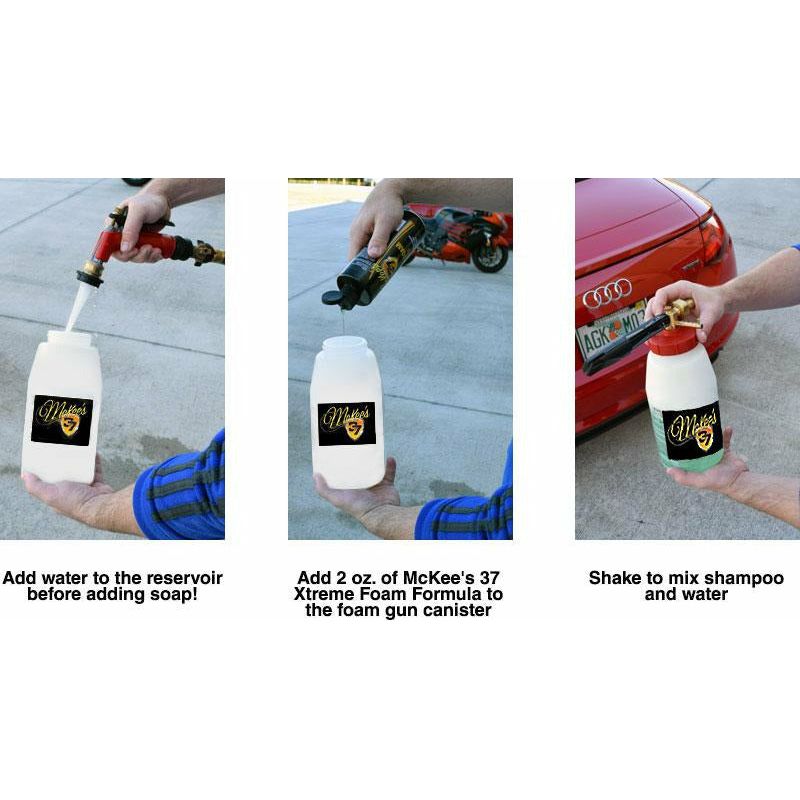
Pre-mixing Soap And Water
Start by mixing soap and water in a separate container. Use the recommended ratio on the soap bottle or foam cannon guide. Stir gently to avoid bubbles forming too soon. This step ensures soap dissolves evenly in the water.
Pour the pre-mixed solution into the foam cannon tank carefully. Pre-mixing prevents clumps and helps the foam cannon spray consistent foam.
Using Foam Cannon Settings
Adjust the foam cannon’s soap and water settings to control foam thickness. More soap creates thicker foam, less soap makes lighter foam. Water flow also affects foam volume and spray distance.
Test different settings on a small area. Find the right balance for your soap type and pressure washer. Changing settings often improves foam quality quickly.
Tips For Consistent Foam Output
Keep the foam cannon clean after each use. Residue can clog nozzles and reduce foam. Use filtered water to avoid minerals affecting foam quality.
Check soap levels regularly and refill with pre-mixed solution. Use the same soap brand to keep foam consistency. Store soap and water mix in a cool place if not used immediately.
Troubleshooting Foam Issues
Troubleshooting foam problems is key to getting the best results from your foam cannon. Foam quality depends mostly on the soap-to-water ratio. Small changes can cause big differences in foam thickness, stickiness, and coverage.
Understanding common foam issues helps fix them fast. You can adjust the mix or technique to improve foam performance. Below are common problems and simple solutions.
Foam Too Thin Or Runny
Thin foam often means too little soap in the water. Add more soap gradually to thicken the foam. Check the soap type; some soaps need more concentration. Also, reduce water pressure slightly to keep foam from breaking up fast.
Foam Not Sticking To Surfaces
Foam that slides off surfaces may lack enough soap or has too much water. Increase soap amount for better adhesion. Spray foam slowly and evenly to cover surfaces well. Clean surfaces before spraying to remove dirt and grease that block foam stickiness.
Overly Thick Or Sticky Foam
Thick, sticky foam usually means too much soap in the mix. Dilute the solution with more water to make foam lighter. Thick foam can clog the cannon or drip off surfaces. Use balanced soap levels for smooth, easy-to-rinse foam.
Maintaining Your Foam Cannon
Maintaining your foam cannon ensures it works well for a long time. Proper care keeps the parts clean and stops damage. Small steps after each use can save money and time. This guide helps you keep your foam cannon ready for every wash.
Cleaning After Use
Always clean your foam cannon right after use. Rinse the soap container with clean water. Run clean water through the foam cannon to clear soap inside. This stops soap from drying and clogging the nozzle. Wipe the outside with a damp cloth to remove dirt.
Preventing Soap Build-up
Use the right soap-to-water ratio to avoid build-up. Strong soap can stick inside the cannon and cause blockages. Flush the cannon with clean water after each use to remove leftover soap. Avoid letting soap sit in the cannon for a long time. Regular cleaning stops hard soap deposits from forming.
Storage Tips For Longevity
Store your foam cannon in a dry, cool place. Avoid direct sunlight and extreme temperatures. Keep all parts dry before storing to prevent rust and mold. Store the cannon upright to protect the nozzle. Check the foam cannon regularly to catch any issues early.
Credit: mckees37.com
Frequently Asked Questions
How Much Soap Should I Use In A Foam Cannon?
Use about 1 to 2 ounces (30 to 60 ml) of soap per gallon of water. This ratio creates thick foam without wasting soap or clogging the cannon. Adjust slightly based on soap concentration and desired foam thickness.
What Is The Ideal Soap To Water Ratio For Foam Cannons?
The ideal ratio is usually 1:50 to 1:100 (soap to water). This balance ensures good foam coverage and easy rinsing. Always check the soap manufacturer’s instructions for best results.
Can I Use Regular Car Soap In A Foam Cannon?
Yes, but use a soap designed for foam cannons if possible. Regular car soap may produce less foam and cause streaks. Choose pH-balanced, low-foaming soaps for best cleaning and foam quality.
How Does Soap Concentration Affect Foam Cannon Performance?
Higher soap concentration creates thicker foam but may clog the cannon. Lower concentration produces thinner foam but cleans less effectively. Find a balance for optimal foam and cleaning power.
Conclusion
Finding the right soap to water ratio is key for foam cannon use. Too much soap makes thick foam but wastes product. Too little soap creates weak foam that cleans poorly. A common mix is about one ounce of soap to one gallon of water.
Adjust as needed for your soap type and water hardness. Test small batches before full use to get the best foam quality. Proper mixing saves money and helps your car look great. Keep it simple, and enjoy a clean, shiny finish every time.