
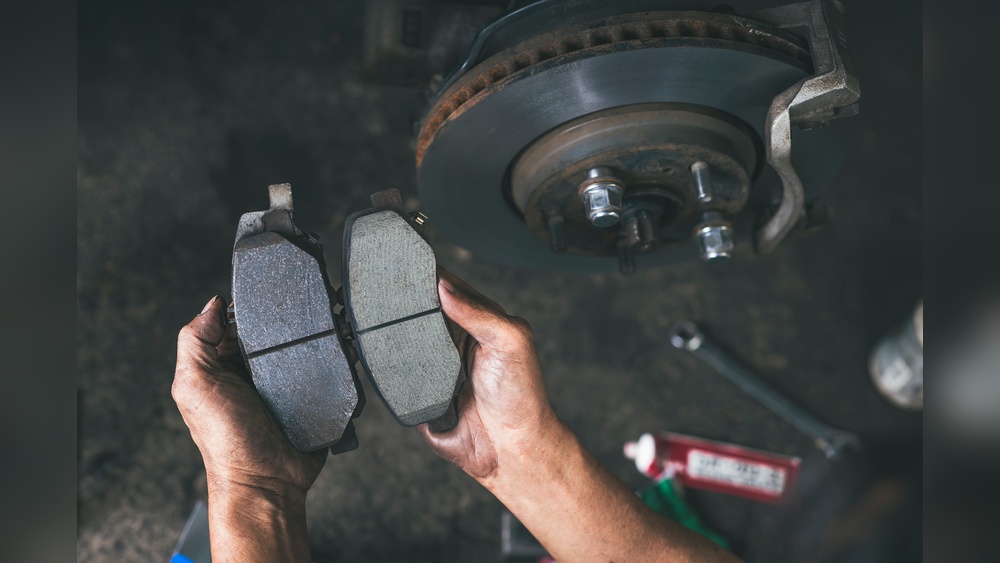
If you’ve ever noticed strange noises or a spongy feel when you press your brakes, it might be time to replace your brake pads and rotors. But how long does this important job actually take?
Knowing the answer can help you plan your day, avoid surprises, and keep your vehicle safe on the road. You’ll discover exactly how much time you should expect for this task—whether you’re doing it yourself or visiting a mechanic. Keep reading to save time, money, and stress on your next brake repair.

Credit: vatire.com
Signs You Need New Brake Pads
Brake pads wear down over time and need replacement to keep you safe. Knowing the signs of worn brake pads helps prevent accidents and costly repairs. Watch for unusual sounds, poor stopping, and strange feelings when braking. These clues show it is time to change your brake pads.
Squealing And Grinding Noises
Squealing sounds often mean brake pads are thin. A high-pitched noise appears when pads wear out. Grinding noises are more serious. It means metal parts touch the rotors. Stop driving and get brakes checked right away.
Reduced Braking Performance
Brake pads that lose thickness reduce stopping power. You may feel the car takes longer to stop. The brake pedal might feel soft or spongy. This affects your control and safety on the road. Have your brakes inspected immediately to avoid danger.
Vibration When Braking
Vibrations through the brake pedal or steering wheel show worn brake parts. Warped rotors or uneven pads cause shaking. This makes braking uncomfortable and unsafe. Replace brake pads and rotors to fix the problem and drive smoothly again.
When To Replace Brake Rotors
Brake rotors play a key role in your vehicle’s braking system. They work with the brake pads to stop your car safely. Knowing when to replace brake rotors helps keep your car in good shape and avoids costly repairs. Here are the main signs that tell you it is time to change your rotors.
Visible Rotor Damage
Look closely at the rotors for cracks or deep grooves. These damages can reduce braking power. Small surface rust is normal, but heavy rust or pitting means the rotor is worn out. Damaged rotors can cause noise and uneven braking. Replace rotors if you see clear signs of damage.
Brake Pulsation
Brake pulsation feels like a shaking or vibration in the brake pedal. It often happens when rotors are warped or uneven. This problem can make stopping unpredictable and unsafe. If you notice pulsation during braking, have your rotors checked and replaced if needed.
Thickness Below Minimum
Rotors have a minimum thickness limit set by the manufacturer. Over time, braking wears down the rotor surface. Thin rotors heat up faster and may crack or fail. Use a micrometer to measure rotor thickness. Replace rotors if they are thinner than the recommended limit.
Average Time To Replace Brake Pads
Replacing brake pads is a common car maintenance task. Knowing the average time helps plan your day better. The time varies based on skill level and tools available. This section breaks down the typical time needed for brake pad replacement.
Diy Replacement Time
For a beginner, replacing brake pads takes about 1 to 2 hours. Removing the wheel, old pads, and installing new ones requires care. Cleaning the brake parts adds to the time. Properly tightening bolts and checking everything is key. Experienced DIYers may finish in 45 minutes to 1 hour.
Professional Service Duration
Mechanics usually replace brake pads faster. Most shops complete the job within 30 to 60 minutes. They have the right tools and experience. Professionals also inspect rotors and other brake parts. Quick service saves time without cutting safety corners.
Average Time To Replace Rotors
Replacing rotors is an important part of brake maintenance. The average time to replace rotors varies. It depends on the vehicle and the mechanic’s experience. On average, it takes about 1 to 2 hours to replace rotors on both front or rear wheels. This time includes removing old parts and installing new ones.
Rotor Removal And Installation
First, the wheel must be removed to access the rotor. Then, the brake caliper is taken off carefully. The rotor is often held by screws or clips. These must be removed before taking the rotor off. New rotors are then placed on the hub. Finally, the brake caliper is reattached. This process usually takes about 45 minutes to 1 hour per axle.
Additional Steps Affecting Time
Some cars need extra work before rotor removal. Rust or dirt buildup can make removal harder. Cleaning or using special tools can add time. Sometimes the brake pads need replacement too. This adds about 30 minutes. Testing the brakes after installation is important. This step ensures safety and proper function.
Factors Affecting Replacement Time
Knowing how long it takes to replace brake pads and rotors helps with planning car maintenance. The time can change based on several factors. These factors affect the difficulty and speed of the job. Understanding them gives a clearer idea of what to expect during brake service.
Vehicle Make And Model
Different cars have different brake systems. Some vehicles have simple designs that are easy to work on. Others have complex parts that take longer to reach and remove. Luxury and sports cars often need more time. They use special components that require extra care.
Condition Of Brake Components
Old or worn parts can slow down the replacement process. Rusty bolts or stuck rotors need more effort to remove. Newer brakes with clean parts are easier to handle. If damage or corrosion is present, extra steps are necessary. This adds to the total time spent.
Tools And Experience
The right tools make the job faster and safer. Mechanics with experience know how to work quickly and avoid mistakes. Beginners or those without proper tools take longer. Good equipment and skill reduce the time needed for brake replacement.

Credit: www.ryannissan.com
Tips To Speed Up Brake Replacement
Changing brake pads and rotors can take time. Speeding up the process saves effort and gets you back on the road faster.
Simple steps before and during the job help make the work smoother. Use the right tools and follow safety rules to avoid delays.
Preparation Before Starting
Clear your work area of clutter and dirt. Have all parts ready before lifting the car. Read the vehicle manual for specific instructions.
Check the brake parts for any defects or damage. Organize tools and parts in one place to avoid searching mid-task.
Proper Tools To Use
Use quality tools that fit well. A good wrench and brake caliper tool make removal easier. Avoid using worn-out or incorrect tools.
Keep a jack stand for safety and a torque wrench for proper bolt tightening. Proper tools reduce mistakes and speed up work.
Following Safety Precautions
Always wear gloves and eye protection. Work on a flat surface and use wheel chocks to stop the car from moving.
Release brake pressure safely. Never rush the job as mistakes can cause accidents. Safety saves time by preventing injuries and errors.
Cost Considerations Alongside Time
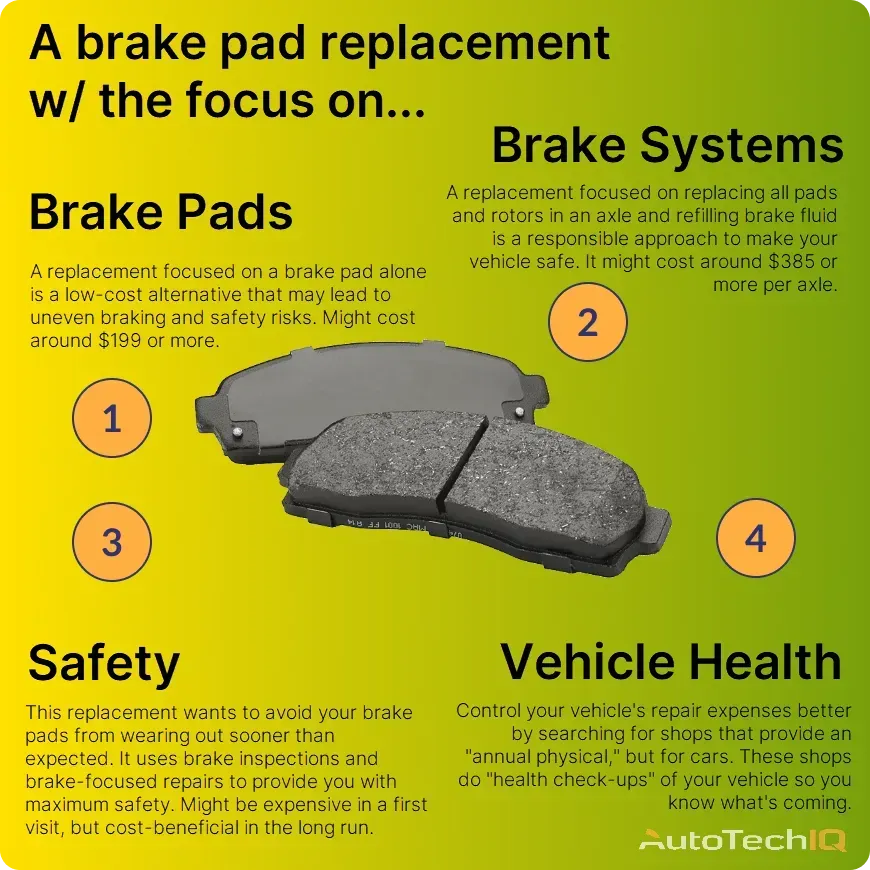
Replacing brake pads and rotors involves more than just time. The total cost plays a big role in planning this repair. Understanding cost factors helps you make better choices. These costs depend on parts, labor, and whether you do it yourself or hire a pro.
Parts Cost Variations
Brake pads and rotors come in many types and prices. Standard parts are cheaper but may wear out faster. Premium parts cost more but last longer and perform better. The car’s make and model also affect parts prices. Some cars need special or high-performance parts, raising the cost.
Labor Charges
Labor costs vary by location and shop. Mechanics usually charge by the hour. Brake pad and rotor replacement can take one to two hours. Some shops charge a flat rate. Dealerships often cost more than independent garages. Always ask for a clear estimate before work starts.
Diy Vs Professional Costs
Doing the job yourself saves labor fees. You only pay for parts and tools. But lack of experience can cause mistakes or safety risks. Hiring a professional ensures proper installation and safety. Professionals have the right tools and knowledge. Consider your skill level and available time before deciding.
Credit: www.autotechiq.com
Frequently Asked Questions
How Long Does It Take To Replace Brake Pads?
Replacing brake pads usually takes 30 to 60 minutes. The time depends on the vehicle type and mechanic’s experience. Efficient service centers can complete the job faster without sacrificing quality.
How Much Time To Replace Brake Rotors?
Replacing brake rotors generally takes 1 to 2 hours. It involves removing the wheels and old rotors, then installing new ones. Proper rotor replacement ensures better braking performance and safety.
Can I Replace Brake Pads And Rotors Together?
Yes, replacing brake pads and rotors together is common. Doing both at once saves time and ensures balanced braking. It is recommended when rotors are worn or damaged.
What Factors Affect Brake Pad And Rotor Replacement Time?
The replacement time varies by vehicle model, mechanic skill, and equipment. Complex brake systems or rusted parts may increase the time. High-quality tools and expertise speed up the process.
Conclusion
Replacing brake pads and rotors usually takes about one to two hours. Skilled mechanics work faster, but time depends on your car model. Regular checks help avoid urgent repairs and keep brakes safe. Don’t wait for noise or poor stopping to act.
Timely replacement saves money and stress. Keep your vehicle running smoothly and protect yourself on the road. Simple steps make a big difference in safety and performance.


