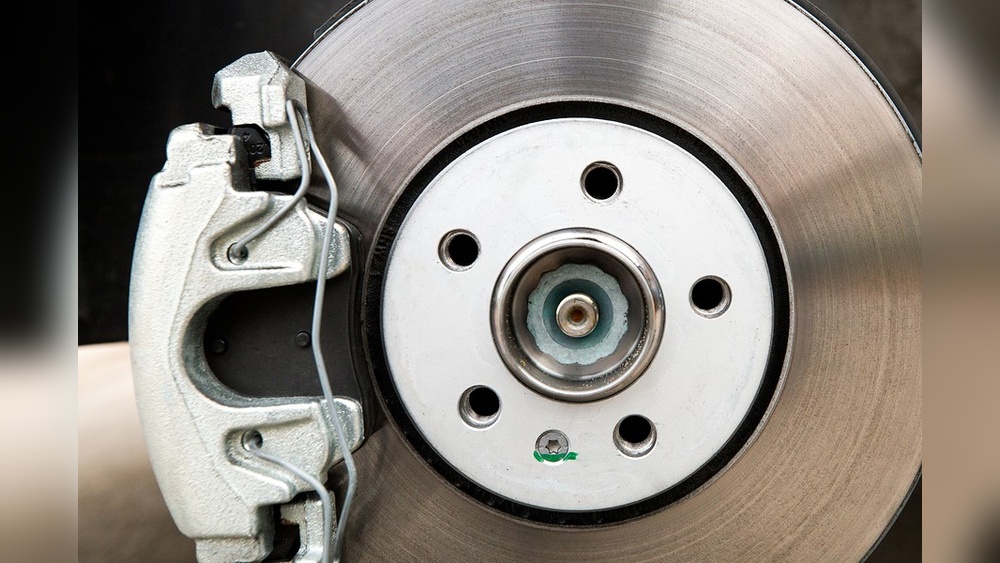
Is your car’s braking feeling less smooth than usual? Rust on your brake rotors might be the hidden culprit.
When rust builds up, it can cause noise, vibrations, and even reduce your braking power. But don’t worry—you don’t have to be a mechanic to fix this. You’ll discover simple, effective ways to clean rust from your brake rotors and keep your vehicle running safely.
Keep reading to learn easy steps that will save you time, money, and stress. Your brakes—and your peace of mind—will thank you.

Credit: bookmyboat.ca
Causes Of Rust On Brake Rotors
Rust on brake rotors is a common issue that many drivers face. It affects the performance and safety of your vehicle. Understanding what causes rust helps in preventing and treating it effectively. Various factors contribute to the formation of rust on brake rotors.
Environmental Factors
Moisture is a major cause of rust on brake rotors. Rain, snow, and humidity expose the metal surface to water. Salt from roads speeds up the rusting process. Areas near the coast have salty air, which also promotes rust. Parking your car outside exposes rotors to these elements daily.
Vehicle Usage Patterns
Vehicles driven less often tend to develop rust faster. The rotors stay wet longer without use. Short trips do not heat the brakes enough to dry moisture. Frequent braking helps remove surface rust. Long drives on highways keep rotors cleaner and dry.
Material Composition
Brake rotors are usually made of cast iron, which rusts easily. Some rotors have protective coatings but these wear off over time. Cheaper rotors may lack rust-resistant materials. High-quality rotors use alloys that resist rust better. The metal type affects how quickly rust forms.
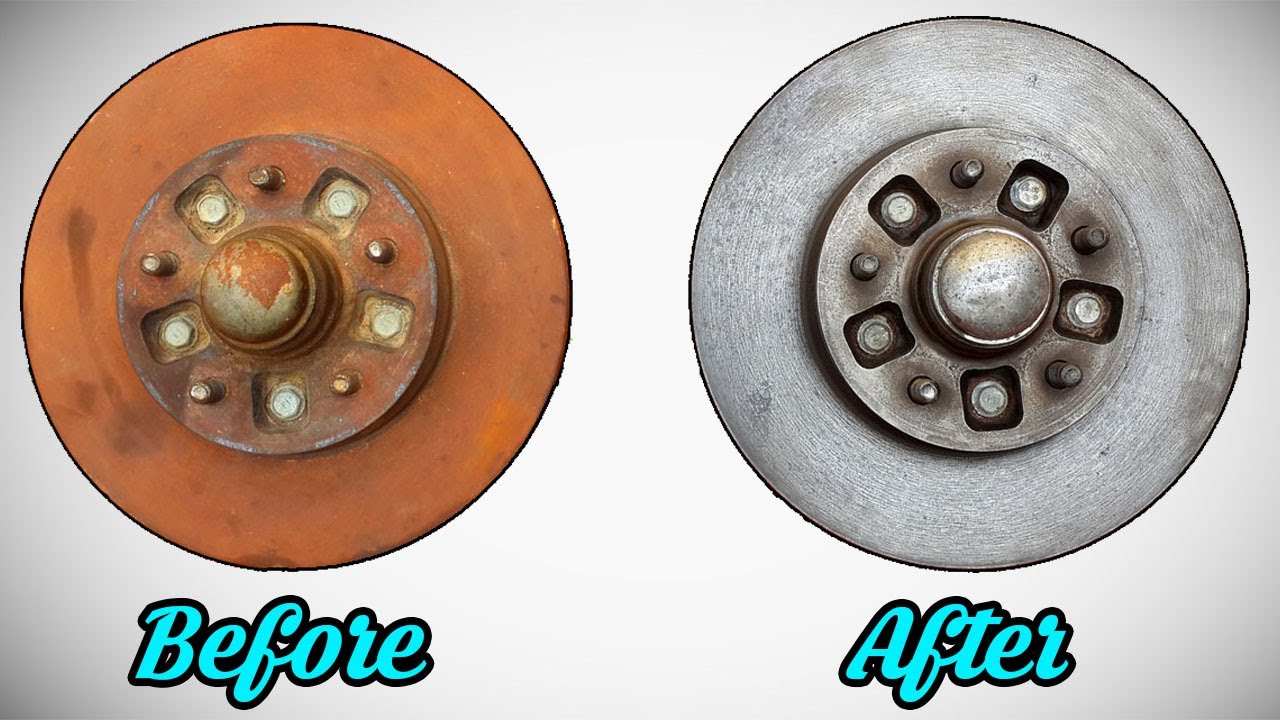
Credit: www.youtube.com
Signs Of Rusty Brake Rotors
Rust on brake rotors is common, especially after exposure to moisture. Recognizing the signs early helps prevent brake damage. Rust affects safety and driving comfort. Spotting these signs can save time and money.
Visual Indicators
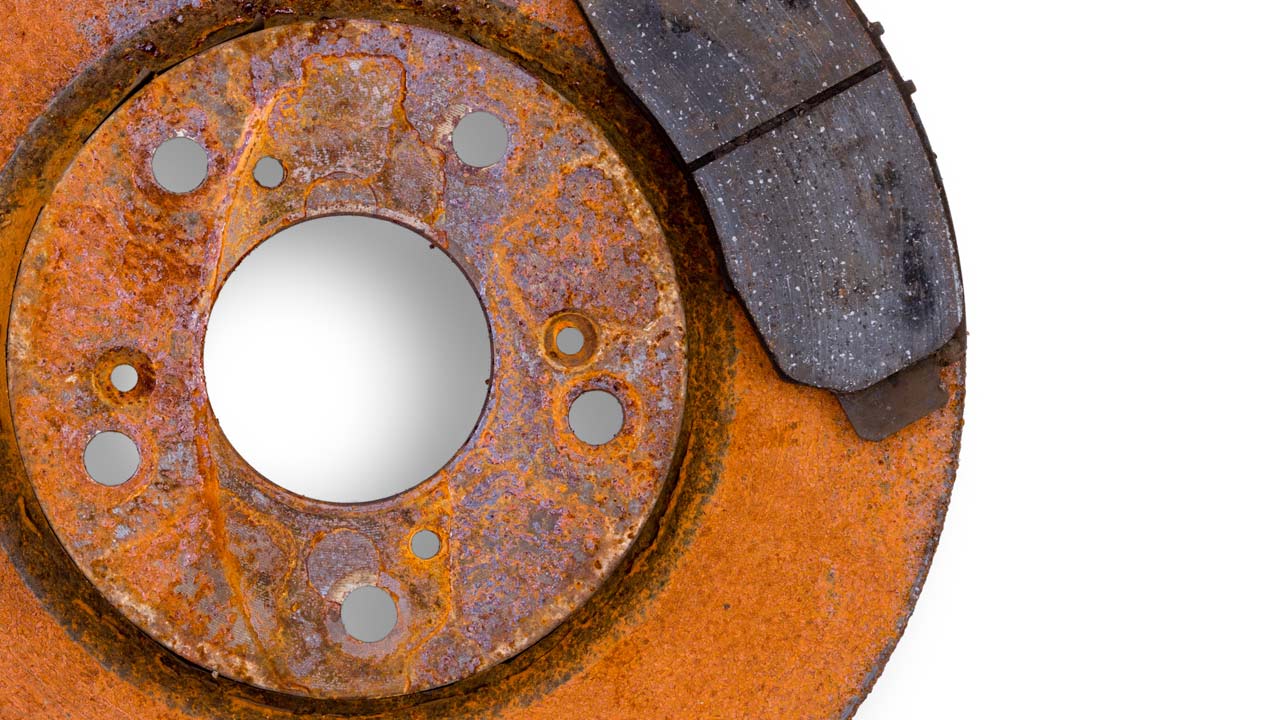
Look closely at the brake rotors. Rust appears as orange or brown patches on the metal surface. It often forms on the edges or the rotor face. Surface rust can look flaky or rough. Heavy rust may cause pitting or deep grooves.
Performance Issues
Rusty rotors reduce braking power. Your car may take longer to stop. The brake pedal might feel less responsive or soft. Sometimes, the brakes grab unevenly. This happens because rust affects rotor smoothness.
Noise And Vibration
Rust causes strange sounds when braking. You might hear squeaking, grinding, or scraping noises. Vibrations through the brake pedal or steering wheel are common. These happen due to uneven rotor surfaces caused by rust.
Tools And Materials Needed
Cleaning rust from brake rotors requires the right tools and materials. Using proper supplies makes the job easier and safer. Gather everything before you start to avoid interruptions.
Cleaning Supplies
You need a wire brush to scrub rust off the surface. Brake cleaner spray helps remove dirt and grease. Sandpaper or a scouring pad works well for stubborn rust spots. Have a clean cloth or rag to wipe the rotor after cleaning.
Safety Equipment
Protect your eyes with safety goggles. Gloves keep your hands safe from chemicals and sharp edges. A dust mask prevents inhaling rust particles and brake dust. Wear old clothes to avoid stains from cleaners.
Optional Tools
A drill with a wire brush attachment can speed up rust removal. A jack and jack stands help lift the car safely. A torque wrench is useful if you remove the rotors. These tools are helpful but not always required.
Step-by-step Cleaning Process
Cleaning rust from brake rotors is important for safe driving. Rust can cause noise and reduce brake power. The process is simple and can be done at home. Follow these steps carefully to restore your rotors.
Preparing The Vehicle
Park the car on a flat surface. Turn off the engine and set the parking brake. Use wheel chocks to block the wheels for safety. Gather all tools: jack, lug wrench, wire brush, and cleaning spray.
Removing The Wheel
Loosen the lug nuts slightly before lifting the car. Use the jack to raise the vehicle. Remove the lug nuts completely. Carefully take off the wheel and place it aside. This gives clear access to the brake rotor.
Cleaning The Rotor Surface
Spray rust remover on the rotor surface. Let it sit for a few minutes. Use a wire brush to scrub off the rust gently. Clean both sides of the rotor. Wipe the rotor with a clean cloth to remove residue.
Reassembling And Testing
Put the wheel back onto the hub. Hand-tighten the lug nuts first. Lower the car slowly using the jack. Tighten the lug nuts in a star pattern. Test the brakes by pressing the pedal slowly. Ensure smooth and quiet braking before driving.
Preventing Rust Build-up
Rust build-up on brake rotors reduces braking performance and shortens rotor life. Preventing rust keeps your brakes safe and effective. Simple steps can stop rust before it starts. These methods help maintain your rotors in good shape for longer.
Regular Maintenance Tips
Check your brake rotors often for rust spots. Clean rotors with a wire brush or brake cleaner. Replace worn brake pads to avoid rotor damage. Keep your car in a dry place to limit moisture. Regularly washing your car removes salt and dirt. These habits reduce rust risk and improve braking.
Protective Coatings
Apply anti-rust sprays designed for brake parts. These coatings create a barrier against moisture. Use high-temperature paint made for rotors to prevent rust. Reapply coatings after cleaning or heavy use. Protective layers extend rotor life and lower rust chances.
Driving Habits
Drive your car regularly to keep rotors dry. Avoid long stops in wet conditions to stop rust forming. Use brakes gently to prevent rotor wear and rust. Short trips may cause moisture build-up—longer drives help dry rotors. Careful driving helps keep your brake rotors clean and rust-free.
When To Replace Brake Rotors
Knowing when to replace brake rotors is crucial for safe driving. Rust can often be cleaned, but some damage means replacement is necessary. Worn or badly damaged rotors reduce braking power and increase risk.
Regular checks help spot problems early. Not all rust means rotors must be replaced. Some rust is surface-level and can be cleaned off. Other times, rust causes deep damage that weakens rotors.
Assessing Rotor Thickness
Measure the rotor thickness using a micrometer or caliper. Each rotor has a minimum thickness limit. If the rotor is thinner than this limit, replace it. Thin rotors heat up faster and can warp easily. This affects braking performance and safety.
Severe Rust Damage
Look for deep pitting or heavy rust spots on the rotor surface. Severe rust causes uneven braking and noise. Rust can create grooves that reduce brake pad contact. If cleaning does not restore a smooth surface, replace the rotor. Deep rust weakens the metal and can lead to failure.
Safety Considerations
Brake rotors directly affect stopping distance and control. Damaged rotors increase accident risk by lowering braking efficiency. Always prioritize safety over cost when deciding to replace rotors. If unsure, consult a professional mechanic. Safe brakes keep you and others protected on the road.
Credit: www.drbeasleys.com
Frequently Asked Questions
How Do I Remove Rust From Brake Rotors Safely?
To remove rust safely, use a wire brush or sandpaper to scrub the surface gently. Avoid harsh chemicals that can damage the rotors. Always wear gloves and eye protection. Clean the rotors with brake cleaner afterward to remove debris and ensure proper brake function.
Can Rust On Brake Rotors Affect Braking Performance?
Yes, rust can reduce braking efficiency by causing uneven rotor surfaces. This leads to vibrations and decreased brake response. Light rust usually wears off with use, but heavy rust requires cleaning or rotor replacement to maintain safe braking performance.
What Tools Are Best For Cleaning Rusty Brake Rotors?
Use a wire brush, sandpaper (medium grit), and brake cleaner spray. These tools effectively remove rust without damaging the rotors. Avoid metal grinders or harsh abrasives, as they can harm rotor surfaces and reduce their lifespan.
How Often Should I Check Brake Rotors For Rust?
Inspect brake rotors every 6 months or during regular brake maintenance. Frequent checks help catch rust early, preventing damage and costly repairs. Clean minor rust promptly to maintain smooth braking and extend rotor life.
Conclusion
Cleaning rust from brake rotors keeps your car safe and running well. Use simple tools and follow steps carefully. Regular checks stop rust from building up again. Clean rotors help brakes work better and last longer. A little effort now saves big problems later.
Keep your ride smooth and safe by staying on top of brake care. Rust doesn’t stand a chance with regular cleaning. Take action today for safer driving tomorrow.