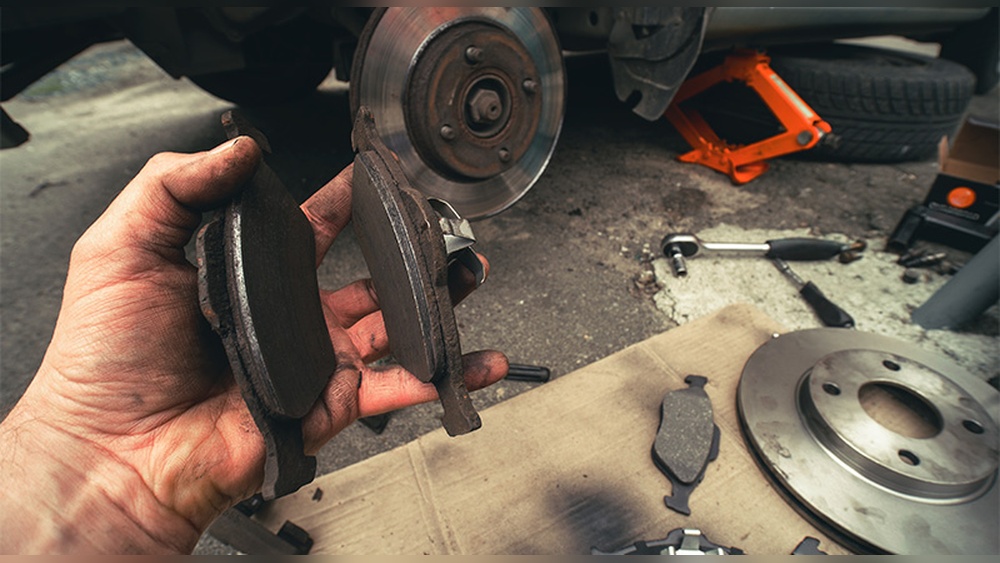
Are you hearing strange noises when you brake or feeling your car pull to one side? It might be time to change your rear brakes and rotors.
But how much will it actually cost you? Knowing the price upfront can save you from surprise bills and help you plan your budget better. You’ll discover the real costs behind replacing rear brakes and rotors, what factors can affect the price, and how to get the best value for your money.
Keep reading to make sure your car stays safe without breaking the bank.
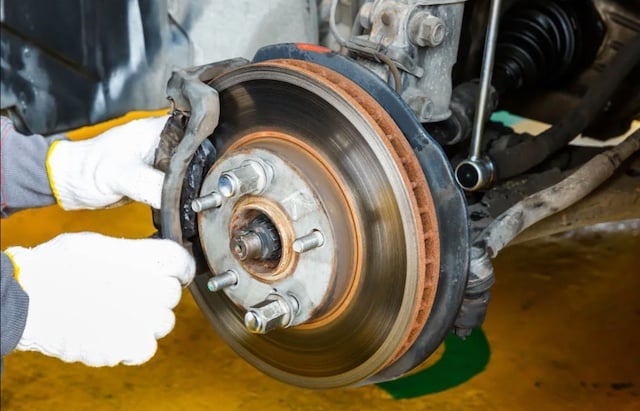
Credit: www.buybrakes.com
Signs You Need Rear Brake Service
Rear brakes play a key role in stopping your vehicle safely. Over time, brake pads and rotors wear out. Recognizing the warning signs early helps avoid costly repairs. It also keeps you safe on the road.
Listen and watch for any changes in brake performance. Strange noises, vibrations, or longer stopping distances often signal trouble. Checking your rear brakes regularly prevents sudden failures.
Common Brake Symptoms
Squeaking or grinding noises during braking are common signs. They often mean brake pads are worn down.
A soft or spongy brake pedal suggests air or fluid issues. It may also indicate worn brake parts.
Pulling to one side when braking shows uneven brake wear or rotor problems.
Vibrations or shaking during braking usually mean warped rotors. This reduces braking efficiency.
When To Inspect Rotors
Inspect rotors every 20,000 to 30,000 miles or sooner if symptoms appear.
Look for grooves, cracks, or discoloration on the rotor surface. These signs mean the rotor needs attention.
Measure rotor thickness with a gauge. Replace if below the manufacturer’s minimum thickness.
Rotors should be smooth and even. Warped or damaged rotors cause brake noise and vibration.
Cost Factors For Rear Brake Replacement
Replacing rear brakes and rotors involves several cost factors. Knowing these helps plan your budget better. Prices vary depending on parts, labor, and the type of vehicle. Understanding these elements can save money and avoid surprises.
Parts Prices Breakdown
Brake parts include pads and rotors. Pads usually cost less than rotors. Quality affects the price. Standard parts are cheaper than premium ones. Some parts come as a set, which may lower costs. Price ranges vary from $30 to $150 for pads. Rotors can cost $40 to $200 each. Always check the parts’ quality and warranty.
Labor Costs Explained
Labor charges depend on the repair shop and location. Mechanics charge by the hour. Brake replacement usually takes 1 to 2 hours. Labor rates range from $50 to $150 per hour. Some shops offer flat rates for brake jobs. Complex jobs may take longer, raising costs. Ask for an estimate before work starts.
Vehicle Make And Model Impact
Different cars need different brake parts. Luxury or performance cars often have pricier parts. Some models require special tools or skills. Older cars may need harder-to-find parts, increasing cost. Trucks and SUVs often have bigger, more expensive brakes. Always check your vehicle’s specifications for accurate pricing.
Brake Pads Vs. Rotors: What Needs Changing?
Brake pads and rotors work together to stop your vehicle safely. Both parts wear out but at different rates. Knowing which part to change saves money and ensures safety. Brake pads wear faster because they press against the rotors. Rotors last longer but can get damaged or warped over time. Understanding the signs helps decide whether to replace brake pads, rotors, or both.
When To Replace Brake Pads
Brake pads need replacement when they are thin or noisy. Most pads last 30,000 to 70,000 miles. Signs include squeaking, grinding, or reduced braking power. If pads wear down below 3 millimeters, replace them immediately. Worn pads can damage the rotors and cause costly repairs.
Rotor Replacement Criteria
Rotors should be replaced if they are cracked, warped, or too thin. Warped rotors cause vibration during braking. Measure rotor thickness with a gauge. If below the minimum thickness, replacement is necessary. Deep grooves or cracks also mean replacement. Driving with damaged rotors can reduce braking safety.
Resurfacing Vs. Replacing Rotors
Resurfacing smooths out minor rotor damage. It extends rotor life if thickness is enough. Replacement is better for severe damage or thin rotors. Resurfacing costs less but may not fix all issues. Choose replacement for the best safety and performance.
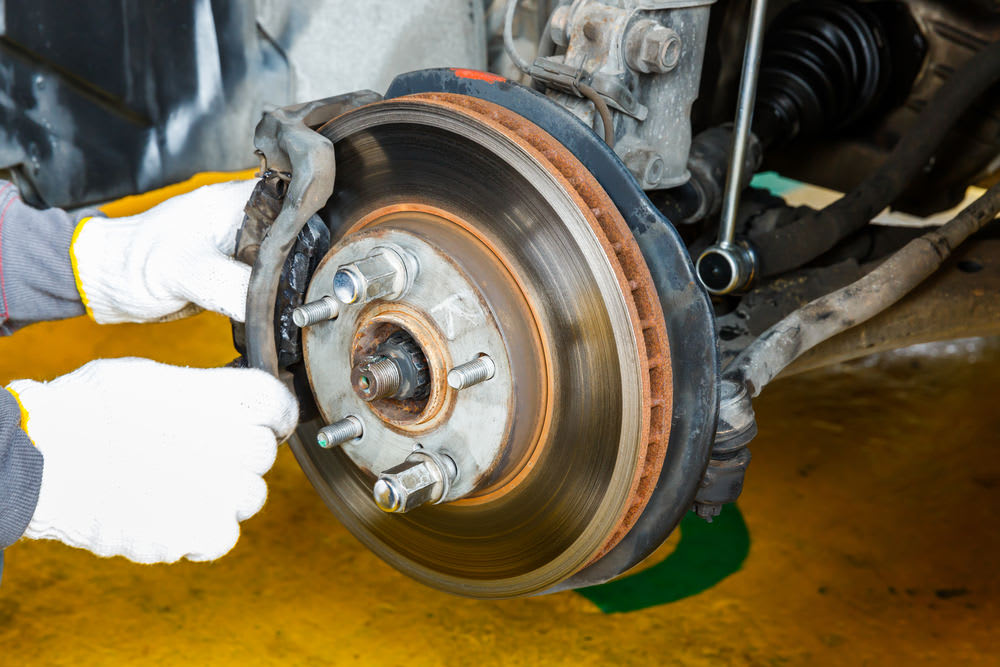
Credit: www.yourmechanic.com
Diy Vs. Professional Brake Replacement
Deciding between doing your rear brake and rotor replacement yourself or hiring a professional is important. Both options have benefits and challenges. Knowing what each choice requires helps you make a smart decision. Safety and cost are key factors to think about.
Tools And Skills Needed
DIY brake replacement requires specific tools. You need a jack, lug wrench, brake caliper tool, and socket set. Basic car repair knowledge is important. Understanding brake system parts and safety rules helps a lot. Mistakes can cause serious problems. Professionals use advanced tools and have strong skills. They know how to handle tricky parts safely.
Pros And Cons Of Diy
Doing brakes yourself can save money on labor. It also gives a sense of achievement. You control the quality of parts used. On the downside, it takes time and patience. Mistakes can lead to costly repairs or accidents. Lack of experience may cause improper installation. Safety risks increase without proper knowledge. Professionals offer quick and reliable service. They guarantee work and reduce stress.
Choosing A Reliable Mechanic
Pick a mechanic with good reviews and experience. Ask about their brake service warranty. Check if they use quality parts. A trustworthy shop explains work clearly and answers questions. Fair pricing is important too. A reliable mechanic ensures your brakes work safely. This protects you and your passengers on the road.
Additional Costs To Consider
Changing rear brakes and rotors can cost more than just the parts and labor. Some extra costs may appear during the service. These costs can affect the total price you pay. Knowing about them helps you avoid surprises.
Brake Fluid Replacement
Brake fluid wears out over time. It can absorb moisture, lowering brake performance. Many mechanics replace brake fluid when changing brakes and rotors. This step keeps your braking system working well. Brake fluid replacement adds a small cost but improves safety.
Hardware And Accessories
Brake kits often need extra parts like clips, pins, and springs. These small items help brakes fit and work correctly. Sometimes, old hardware is too worn and must be replaced. New hardware prevents noise and uneven brake wear. These parts add a small but needed expense.
Unexpected Repairs
During brake service, mechanics might find other problems. Worn calipers, damaged brake lines, or uneven rotors can need fixing. These repairs cost more and take extra time. Ignoring these issues can cause bigger problems later. Be ready for extra charges if unexpected repairs arise.

Credit: vatire.com
Saving Money On Rear Brake Service
Saving money on rear brake service helps keep your car safe without high costs. Rear brakes and rotors wear over time and need regular care. Small steps can reduce expenses and extend part life. Smart choices pay off in the long run.
Coupons And Discounts
Many repair shops offer coupons for brake service. These discounts cut the labor cost significantly. Check local flyers or websites for current deals. Some stores also give discounts on parts. Use these offers to lower your total bill.
Buying Parts Online
Buying brake parts online can save money. Online stores often sell parts cheaper than local shops. Compare prices and read reviews before purchasing. Make sure parts fit your car model exactly. This method reduces costs but requires careful selection.
Routine Maintenance Tips
Regular car checkups prevent expensive brake repairs. Keep brakes clean and free from dirt buildup. Avoid hard braking to reduce rotor wear. Check brake fluid levels and replace it as needed. These habits help brakes last longer and cost less to fix.
Frequently Asked Questions
How Much Does It Cost To Change Rear Brakes And Rotors?
The average cost to change rear brakes and rotors ranges from $250 to $400. Labor typically costs $100 to $150, while parts range from $150 to $250 depending on vehicle make and quality of components.
How Long Does Rear Brake And Rotor Replacement Take?
Replacing rear brakes and rotors usually takes 1 to 2 hours. This depends on the mechanic’s experience and vehicle complexity. Quick service shops may complete it faster, while some vehicles require extra time.
Can I Replace Rear Brakes And Rotors Myself?
Yes, if you have basic mechanical skills and tools. Follow safety guidelines and vehicle-specific instructions. DIY replacement saves labor costs but requires time and caution to avoid mistakes.
When Should Rear Brakes And Rotors Be Replaced?
Replace rear brakes and rotors when you notice squealing, vibrations, or reduced braking power. Also inspect them every 20,000 miles or during routine maintenance. Worn parts affect safety and performance.
Conclusion
Changing rear brakes and rotors costs depend on car type and parts quality. Labor charges vary by location and mechanic skill. Regular brake checks help avoid costly repairs later. Choosing the right parts saves money and improves safety. Keep an eye on brake noise or poor stopping power.
Timely replacement keeps your car safe on the road. Understanding costs helps you plan your budget better. Don’t wait until brakes fail; act early for best results. Simple care can extend brake life and protect your ride.