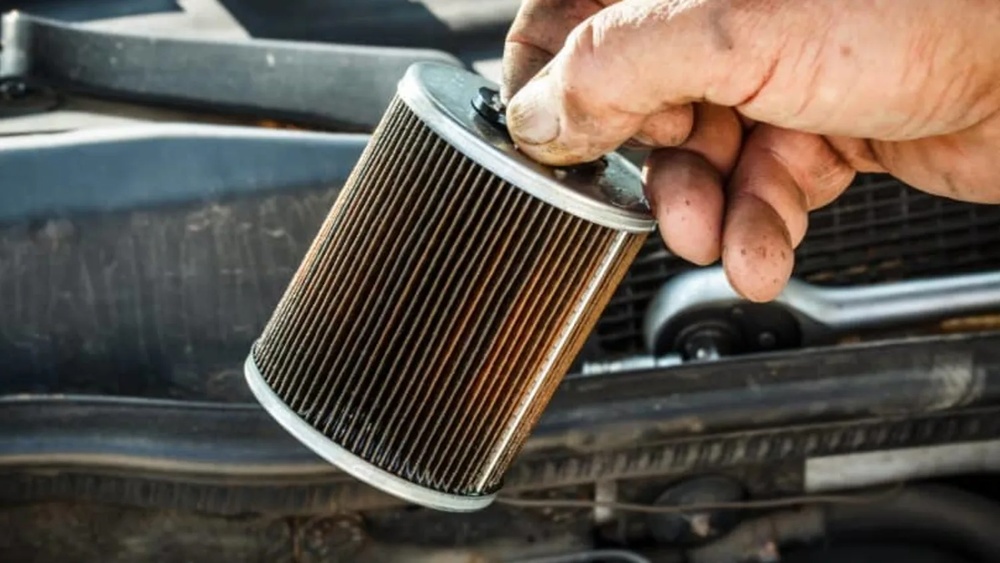
Wondering how much it will cost to get your fuel filter replaced? You’re not alone.
Knowing the price beforehand can save you from surprises at the repair shop. Your car’s fuel filter plays a key role in keeping your engine clean and running smoothly. But when it’s clogged or worn out, it can cause serious problems—and that’s when replacement becomes necessary.
You’ll discover the typical costs involved, factors that affect the price, and tips to make sure you get the best value. Keep reading to protect your car and your wallet.
Fuel Filter Replacement Costs
Replacing a fuel filter is an important part of car maintenance. It keeps the fuel clean and protects the engine. Knowing the cost helps you plan your budget and avoid surprises. Fuel filter replacement costs vary depending on several factors.
Average Price Range
The price for a fuel filter replacement usually falls between $50 and $150. This range includes parts and labor. Simple filters on common cars cost less. More complex filters or luxury vehicles might cost more. Prices also depend on the location and service provider.
Factors Influencing Cost
Car make and model affect the price. Some fuel filters are harder to reach and need more work. The quality of the filter also matters. Original equipment manufacturer (OEM) parts cost more than aftermarket ones. Labor rates vary by region and shop type. Extra repairs or cleaning may increase the cost.
Diy Vs Professional Service
Doing it yourself saves money on labor. A fuel filter can cost $10 to $40 if you buy it alone. You need basic tools and some knowledge. Mistakes might damage the car or cause leaks. Professionals charge for labor but guarantee the job. They have experience and correct tools to finish quickly. Choose based on your comfort and skills.
Credit: www.autozone.com
Signs You Need A New Fuel Filter
A fuel filter keeps dirt and debris out of your engine. Over time, it gets clogged and stops working well. This can cause many problems for your car. Knowing the signs helps you avoid bigger repairs. Watch for changes in how your car runs. These clues show your fuel filter might need replacing soon.
Engine Performance Issues
The engine may run rough or stall suddenly. It can lose power during acceleration. This happens because fuel flow is blocked. A clogged filter stops enough fuel from reaching the engine. The car might hesitate or jerk while driving. These are clear signs of a bad fuel filter.
Fuel Efficiency Drops
Your car uses more fuel than usual. The engine struggles to burn fuel properly. A dirty fuel filter limits fuel supply. The engine works harder and wastes fuel. This lowers your miles per gallon. Noticeable drops in fuel efficiency suggest a new filter is needed.
Starting Problems
The car takes longer to start or fails to start. Fuel does not reach the engine quickly enough. A clogged fuel filter blocks the fuel line. This causes weak or no engine ignition. Replacing the fuel filter often fixes starting troubles.
Types Of Fuel Filters
Fuel filters keep dirt and rust from entering your engine. They protect the fuel system and help the engine run smoothly. Different cars use different types of fuel filters. Knowing these types helps you understand replacement costs and maintenance.
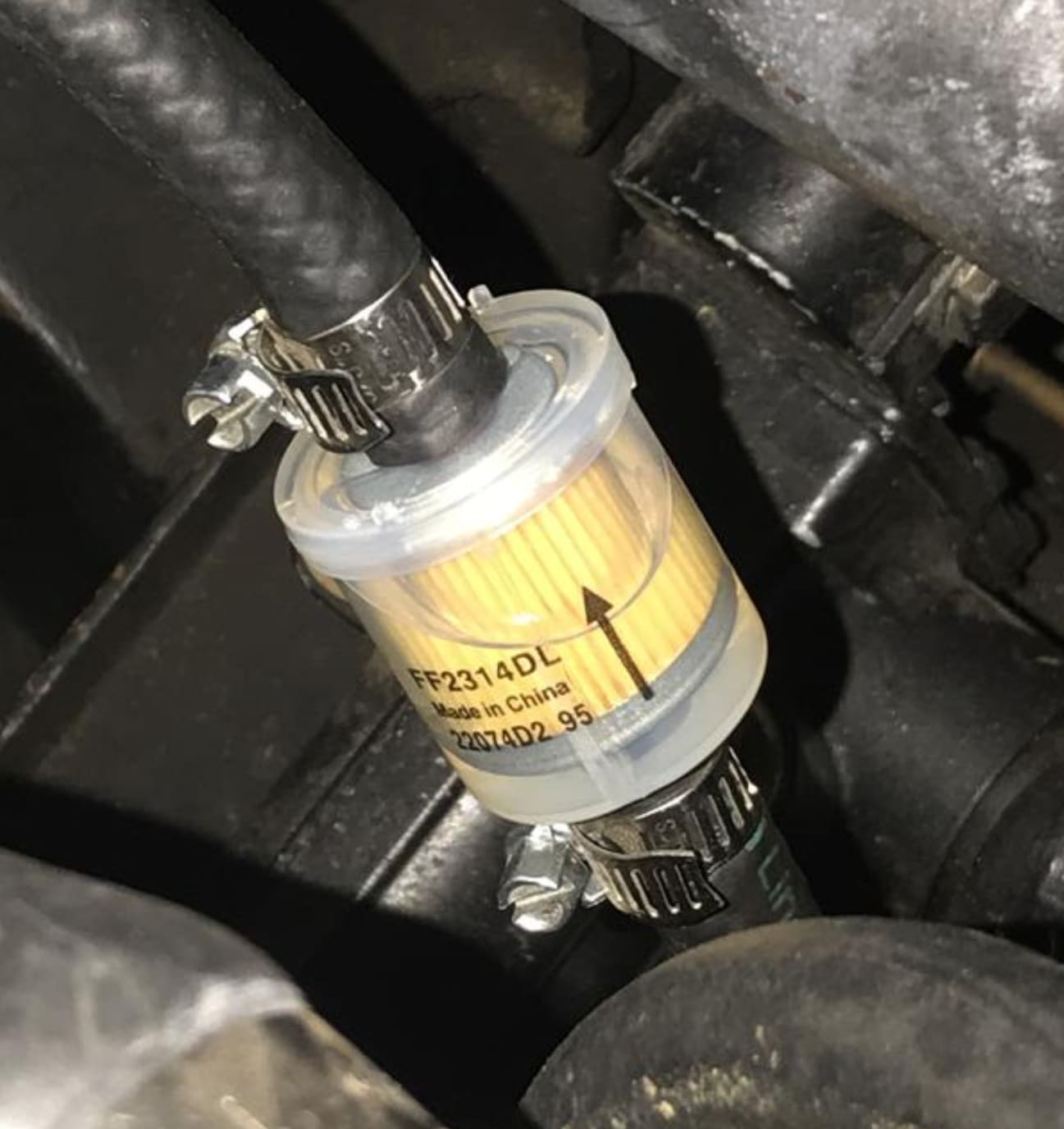
In-line Filters
In-line filters sit on the fuel line between the tank and engine. They catch dirt before fuel reaches the engine. These filters are easy to replace and often cost less. Many older cars and some modern ones use in-line filters.
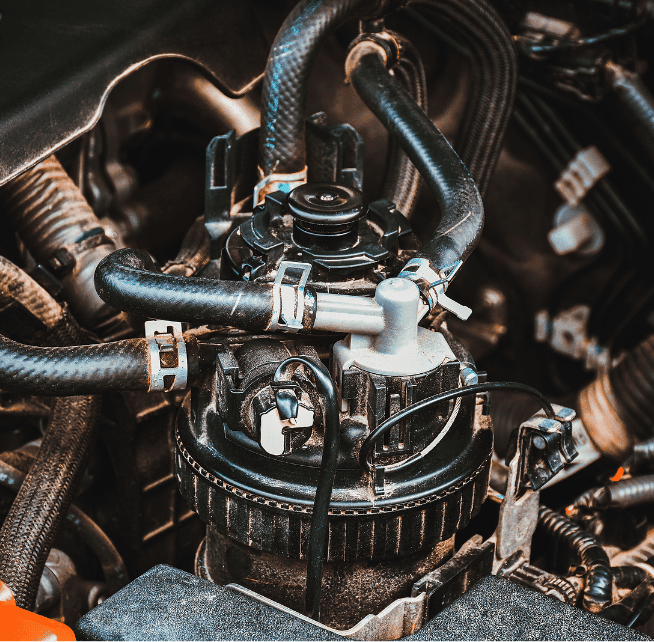
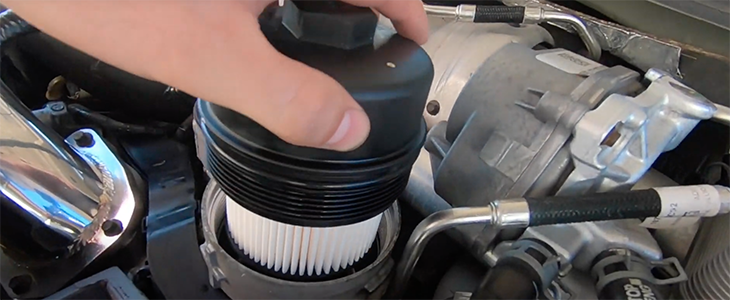
Cartridge Filters
Cartridge filters have a replaceable core inside a housing. You swap out only the cartridge, saving money on parts. These filters fit inside the fuel system and clean fuel well. Cartridge filters need regular checking and timely replacement.
Lifetime Filters
Lifetime filters do not require frequent changes. They are made from durable materials that last longer. Mostly found in newer, high-end vehicles, they reduce maintenance needs. Still, inspect these filters during major service checks to ensure performance.
Credit: branchautomotive.com
Choosing The Right Fuel Filter
Choosing the right fuel filter is key to keeping your vehicle running smoothly. A good fuel filter protects your engine by stopping dirt and debris from entering the fuel system. Picking the wrong filter can cause poor engine performance or damage. Understanding what to consider helps you make a smart choice for your car.
Compatibility With Vehicle
Every vehicle needs a specific type of fuel filter. Check your owner’s manual for the exact part number. Using the wrong filter can cause leaks or poor fuel flow. Make sure the filter fits your engine model and fuel type. Matching compatibility ensures proper function and safety.
Quality And Brand Considerations
Choose filters from trusted brands known for quality. Cheap filters may save money but often wear out fast. High-quality filters trap more dirt and last longer. Look for reviews and ratings from other drivers. A reliable brand protects your engine better over time.
Warranty And Longevity
Check if the fuel filter comes with a warranty. A warranty shows the manufacturer’s confidence in their product. Longer-lasting filters mean fewer replacements and less hassle. Investing in a durable filter saves money on repairs later.
Saving Money On Replacement
Replacing your fuel filter can cost less with smart choices. Saving money on this service means knowing when and how to act. You can avoid extra expenses by planning the replacement and finding good deals on parts and services.
When To Replace
Replace the fuel filter based on your car’s mileage or time. Check your vehicle manual for specific intervals. Changing it too early wastes money. Waiting too long can cause engine problems. Watch for signs like poor engine performance or trouble starting. Acting at the right time saves repair costs later.
Finding Affordable Parts
Buy fuel filters from trusted but affordable brands. Auto parts stores often offer lower prices than dealerships. Online shops can have good deals too. Compare prices before buying. Avoid very cheap filters, as they may fail quickly. Quality parts last longer and protect your engine.
Using Coupons And Discounts
Search for coupons and discounts before purchasing parts or service. Many auto shops offer seasonal deals or online coupons. Joining loyalty programs can provide extra savings. Ask your mechanic about current promotions. Small discounts add up and reduce your total cost.
Step-by-step Replacement Guide
Replacing a fuel filter can keep your engine running smoothly. This step-by-step guide helps you do it yourself. Follow each step carefully to avoid mistakes. Save money by doing the replacement at home.
Tools Needed
- New fuel filter matching your car model
- Wrenches or socket set
- Screwdrivers
- Rags or paper towels
- Safety glasses
- Gloves
- Container to catch fuel
Safety Precautions
Work in a well-ventilated area to avoid fumes. Wear safety glasses and gloves to protect yourself. Make sure the engine is cool before starting. Disconnect the battery to prevent sparks. Keep a fire extinguisher nearby. Avoid smoking or open flames.
Removal And Installation Process
Relieve fuel system pressure first. Locate the fuel filter under the vehicle or near the engine. Place a container to catch spilled fuel. Loosen the clamps or bolts holding the filter. Carefully remove the old filter. Check the direction arrow on the new filter. Install the new filter in the same direction. Tighten clamps or bolts securely. Reconnect any fuel lines properly. Reconnect the battery and start the engine. Check for leaks and proper operation.
Maintenance Tips For Fuel Filters
Maintaining your fuel filter is key to keeping your vehicle’s engine healthy. A clean fuel filter ensures fuel flows smoothly and protects the engine from dirt and debris. Simple care steps can extend the life of the filter and improve car performance.
Regular Inspection
Check the fuel filter at least once a year or every 12,000 miles. Look for signs of wear or damage. A quick look can prevent bigger problems later. Replace the filter if it looks dirty or clogged.
Fuel Quality Importance
Use clean, high-quality fuel to avoid dirt buildup in the filter. Low-quality fuel contains impurities that block the filter faster. Filling up at trusted gas stations helps keep the fuel clean.
Signs Of Clogging
Watch for slow engine start, rough idling, or loss of power. These often mean the fuel filter is clogged. Fixing the filter quickly stops damage to the fuel system and engine.
Credit: ecogard.com
Frequently Asked Questions
How Much Does Fuel Filter Replacement Cost?
Fuel filter replacement typically costs between $50 and $150. The price depends on vehicle type and labor rates. Parts usually cost $20 to $60, while labor can range from $30 to $90. Prices vary by location and service provider.
How Often Should I Replace The Fuel Filter?
Most manufacturers recommend replacing the fuel filter every 20,000 to 40,000 miles. Check your vehicle’s manual for specific intervals. Regular replacement ensures optimal engine performance and prevents fuel system damage.
Can I Replace The Fuel Filter Myself?
Yes, if you have basic mechanical skills and tools. However, some modern vehicles have complex filters requiring professional service. Always follow safety precautions and consult your vehicle manual before attempting replacement.
What Happens If The Fuel Filter Is Not Replaced?
A clogged fuel filter can reduce engine power and fuel efficiency. It may cause engine misfires or stalling. Ignoring replacement can lead to costly fuel system repairs over time.
Conclusion
Replacing your fuel filter keeps your engine running smooth. Costs depend on your car model and location. Choosing a trusted mechanic saves time and money. Regular changes prevent costly repairs later on. Check your owner’s manual for recommended intervals. Don’t wait until problems start.
A clean fuel filter helps your car perform better. Staying aware of costs prepares you for maintenance. Keep your vehicle healthy with timely fuel filter replacement. Simple steps can avoid big issues down the road.