

Are you hearing strange noises when you brake or feeling a vibration in the pedal? It might be time to replace your brake rotors and pads.
But how much will that cost you? Knowing the price upfront can help you avoid surprises and keep your car safe without breaking the bank. You’ll discover everything you need to know about the cost of replacing brake rotors and pads.
By the end, you’ll feel confident about making the right choices for your vehicle and your wallet. Keep reading to find out what affects the price and how you can save money on this important repair.
Brake Rotors And Pads Basics
Brake rotors and pads are key parts of your car’s braking system. They work together to stop your vehicle safely and smoothly. Knowing the basics helps you understand why replacing them is important.
Rotors and pads wear out over time and need regular checks. Keeping them in good condition ensures safe driving and prevents bigger repair costs.
Role Of Rotors And Pads
Rotors are metal discs attached to the wheels. They spin with the wheels as the car moves. Brake pads press against these rotors to slow down or stop the vehicle. The pads create friction that reduces the wheel’s speed. This process turns motion into heat, stopping the car effectively.
Signs They Need Replacement
Listen for squealing or grinding noises when braking. These sounds often mean worn pads or damaged rotors. Notice if your car pulls to one side while braking. This can indicate uneven rotor wear or pad problems. Also, feel for vibration or pulsation in the brake pedal. These signs show rotors may be warped or damaged. Checking these symptoms early can save money and keep you safe.
Factors Affecting Replacement Costs
Several factors affect the cost to replace brake rotors and pads. Understanding these helps you prepare for the expense. Costs can vary widely based on different elements related to your car and service.
Vehicle Make And Model
Different car brands and models need different brake parts. Luxury and sports cars often have more expensive brake components. Common models usually have cheaper, easier-to-find parts. Some cars require special rotors or pads, which raises the price.
Type Of Brake Components
Brake pads and rotors come in various materials and qualities. Standard parts cost less but may wear out faster. Premium components last longer but cost more upfront. Ceramic pads, for example, are pricier but offer quieter braking. Choosing the right type affects the total bill.
Labor Charges
Labor costs vary by mechanic and shop. Some places charge hourly rates, others a fixed price. Complex brake systems take more time and skill, increasing labor fees. Dealerships usually charge more than independent shops. Labor can be a big part of the total cost.
Geographic Location
Prices differ by region or city. Urban areas often have higher rates than rural places. Local demand and cost of living influence service prices. Some areas have more competition, which can lower costs. Location is a key factor in the final repair price.
Cost Breakdown For Parts
Replacing brake rotors and pads involves several parts. Knowing the cost of these parts helps plan your budget. Prices vary depending on the quality and type of parts chosen. Understanding these differences lets you pick the right option for your car and wallet.
Standard Vs. Premium Rotors
Standard rotors are affordable and work well for everyday driving. They usually last about 30,000 to 50,000 miles. Premium rotors cost more but offer better heat resistance and durability. These last longer and perform better under heavy braking. Choosing between them depends on your driving style and budget.
Types Of Brake Pads
Brake pads come in three main types: organic, semi-metallic, and ceramic. Organic pads are the cheapest and quietest but wear out faster. Semi-metallic pads offer a balance of price and performance. Ceramic pads are the most expensive but last the longest and produce less dust. Each type affects the total replacement cost differently.
Additional Parts Needed
Besides rotors and pads, some cars need extra parts. This may include caliper hardware, brake grease, or sensors. These small parts add to the total cost but help the brakes work smoothly. Always check if your brake job requires these extras for the best results.

Credit: www.youtube.com
Labor Costs Explained
Labor costs are a big part of the total price to replace brake rotors and pads. These costs pay for the work mechanics do on your car. Understanding labor costs helps you plan your budget better. It also helps you compare prices from different repair shops.
The price depends on how long the job takes and the shop’s hourly rate. Some cars need more work, so labor costs can rise. Knowing what to expect makes the process easier for you.
Average Time For Replacement
Replacing brake rotors and pads usually takes about one to two hours. This time includes removing old parts and installing new ones. Some cars are easier to work on than others. Simple designs take less time, which lowers labor costs.
More complex brake systems need more care and time. This can raise the labor cost. Mechanics also check other parts during the job to keep your brakes safe. The time spent affects the total labor charge.
Dealership Vs. Independent Shop
Dealerships often charge higher labor rates than independent shops. They have brand-trained mechanics and use original parts. This can mean better service but at a higher price.
Independent shops usually have lower rates. They can do the same job well. Many use quality parts but may offer more flexible pricing. Choosing between the two depends on your budget and trust in the service.
Diy Replacement Cost Savings
Replacing brake rotors and pads yourself can save a lot of money. Auto shops charge for parts and labor, which adds up fast. Doing the job at home cuts labor costs completely. You only pay for parts and tools. This makes DIY a budget-friendly option for many drivers.
Besides saving money, doing it yourself gives control over the process. You choose quality parts and work at your own pace. It also builds your skills and confidence with car maintenance.
Tools Required
You need a few basic tools to replace brake rotors and pads. A jack and jack stands to lift and secure the car. A lug wrench to remove the wheels. A socket set for bolts and calipers. A C-clamp to push the caliper piston back. Brake cleaner and a wire brush help clean parts. Safety gloves and eye protection keep you safe.
Step-by-step Replacement Tips
Start by loosening the lug nuts before lifting the car. Use the jack stands for safety. Remove the wheels and locate the brake caliper. Unbolt the caliper and hang it securely to avoid stress on the brake line. Remove old pads and rotors. Clean the caliper and new rotor surface. Compress the caliper piston with a C-clamp. Install new rotors and pads. Reattach the caliper and wheels. Lower the car and tighten lug nuts properly. Test brakes gently before driving normally.
Risks And Considerations
Brake work affects vehicle safety. Mistakes can cause brake failure. Take time to understand each step clearly. Use quality parts to avoid quick wear or damage. Check local laws about DIY brake repairs. Some areas require professional work for safety reasons. If unsure, ask a mechanic for advice or help. Always test brakes carefully after replacement.
Ways To Lower Replacement Expenses
Replacing brake rotors and pads can be costly. You can reduce these expenses with smart choices. Simple steps help save money without risking safety. Here are some ways to lower replacement costs.
Using Aftermarket Parts
Aftermarket parts cost less than original equipment manufacturer (OEM) parts. They work well if you pick trusted brands. These parts meet safety standards and fit your vehicle. Choosing aftermarket parts can cut your bill by up to 50%. Always check reviews and warranty before buying.
Shop Around For Labor
Labor charges vary between shops. Some repair shops charge less for the same job. Call several shops and ask for quotes. Compare prices and services offered. Ask if they offer any discounts or package deals. Finding a good mechanic can save you hundreds.
Regular Maintenance Benefits
Maintaining brakes keeps rotors and pads in good shape longer. Regular checks spot problems early before costly repairs. Clean brakes and replace pads on time. Proper care reduces wear and extends part life. This means fewer replacements and lower expenses over time.
When To Replace Rotors And Pads Together
Knowing when to replace brake rotors and pads together saves time and money. Both parts wear out but at different rates. Replacing them at the same time improves car safety and performance. It also prevents extra labor costs. Understanding the right timing helps avoid future problems on the road.
Benefits Of Simultaneous Replacement
Replacing rotors and pads together ensures even wear. New pads grip better on fresh rotors. This results in smoother braking and shorter stopping distance. It also reduces noise and vibration during braking. The brake system lasts longer with both parts new. Mechanics spend less time on repairs, saving you money.
Signs Indicating Both Need Change
Listen for squealing or grinding sounds when braking. These noises often mean both parts are worn out. Feel for vibrations or pulsing in the brake pedal. This signals rotor warping or pad damage. Check for deep grooves or cracks on rotors. Look at brake pads; thin or uneven pads need replacement. These signs show the need to replace both parts together.

Credit: vatire.com
Common Replacement Myths
Many people believe certain things about brake rotor and pad replacement that are not true. These myths can cause confusion and lead to unnecessary expenses. Understanding the facts helps you make better decisions and save money.
Rotors Always Need Replacement
Rotors do not always need replacing when changing brake pads. Sometimes, rotors can be resurfaced or machined to fix minor wear. This option costs less and extends rotor life. Only replace rotors if they are too thin or cracked. A skilled mechanic can check rotor condition during inspection.
Higher Cost Means Better Quality
Expensive brake parts are not always better. Many affordable rotors and pads perform well and last long. Price can depend on brand or store markup. Focus on quality ratings and reviews instead of price alone. Choose parts that fit your vehicle and driving style for the best value.
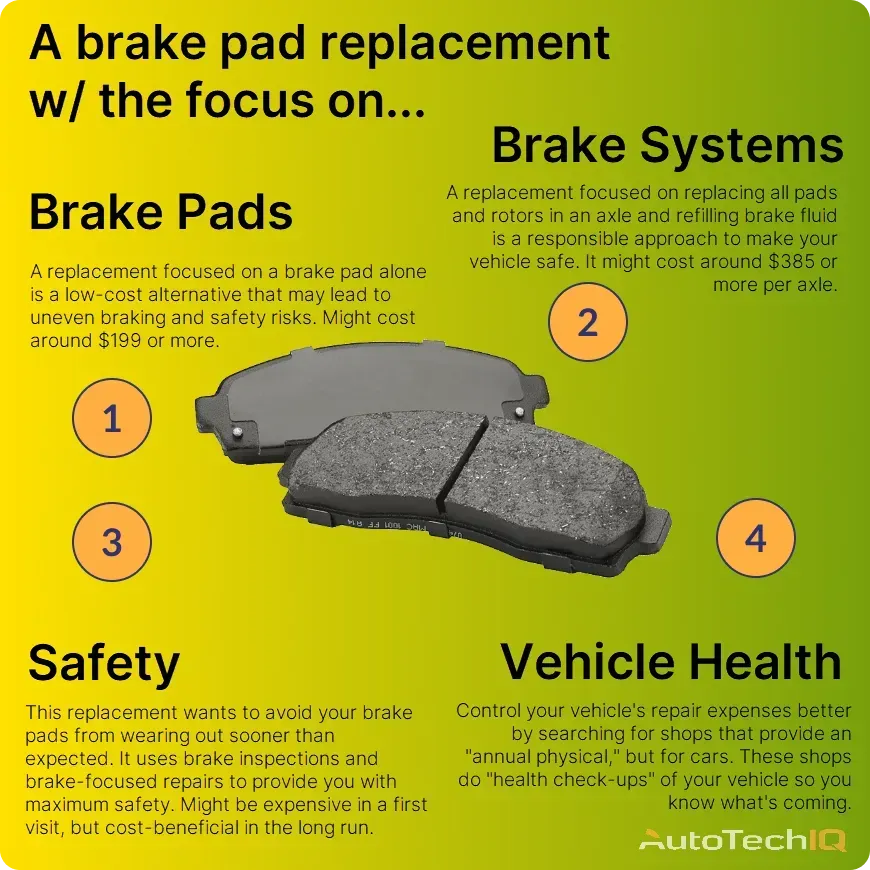
Credit: www.autotechiq.com
Frequently Asked Questions
How Much Does It Cost To Replace Brake Rotors And Pads?
Replacing brake rotors and pads typically costs between $250 and $500 per axle. Prices vary based on vehicle type, parts quality, and labor rates at the repair shop.
When Should You Replace Brake Rotors And Pads?
Replace brake rotors and pads when you hear squealing, feel vibrations, or notice reduced braking performance. Regular inspections help catch wear early.
Can I Replace Brake Rotors And Pads Myself?
Yes, if you have mechanical skills and tools. However, improper installation risks safety. Professional service ensures correct, reliable replacement.
How Long Do Brake Rotors And Pads Last?
Brake pads last about 30,000 to 70,000 miles; rotors can last up to 70,000 miles. Driving habits and conditions affect lifespan.
Conclusion
Replacing brake rotors and pads varies by car and location. Expect to pay between $250 and $500 for parts and labor. Regular maintenance helps avoid costly repairs later. Good brakes keep you safe on the road. Check your brakes often and replace worn parts quickly.
This small step saves money and stress. Stay alert to noises or vibrations while driving. Timely brake service protects you and others. Keep your car running smoothly with proper care.

