

When your car starts making squeaking noises or feels less responsive when you brake, it’s a clear sign that your rear brakes and rotors might need replacing. But how much will it cost you?
Knowing the price upfront can save you from surprises and help you plan your budget better. You’ll discover everything you need to know about the cost of replacing rear brakes and rotors—so you can make smart, informed decisions for your car’s safety and your wallet.
Keep reading to find out what affects the price and how to get the best value for your money.

Credit: vatire.com
Rear Brake Replacement Basics
Rear brakes are a vital part of your vehicle’s safety system. They help slow down and stop your car. Knowing the basics of rear brake replacement saves time and money. It also keeps your driving safe and smooth.
Replacing rear brakes includes changing brake pads and rotors. Both parts wear out over time. Understanding their roles helps you know when to replace them.
Signs You Need New Brakes
Squeaking or grinding noises when braking signal worn brake pads. A longer stopping distance also means brake problems. Vibrations in the brake pedal or steering wheel can show rotor damage. If the brake warning light turns on, check your brakes immediately.
Brake Pads Vs Rotors
Brake pads press against rotors to stop the car. Pads wear faster than rotors because they create friction. Rotors can warp or crack over time. You may replace pads more often than rotors. Both parts must be in good condition for safe braking.
Factors Affecting Replacement Frequency
Driving habits affect brake wear. Hard braking wears pads and rotors faster. City driving causes more brake use than highway driving. Weather also plays a role; rain and snow increase wear. Vehicle weight and brake quality matter too.
Cost Breakdown For Rear Brakes
Understanding the cost breakdown for rear brakes helps you plan your car maintenance budget. Rear brakes include brake pads and rotors, both needing replacement over time. Each part has its own price range. Labor costs add another layer to the total expense. Knowing these details avoids surprises at the repair shop.
Average Price For Brake Pads
Brake pads usually wear out faster than rotors. The average price for rear brake pads ranges from $30 to $70. Prices vary by brand and quality. Cheaper pads may wear out quickly. Higher quality pads last longer but cost more. Most drivers replace both pads on the rear axle at once.
Rotor Replacement Costs
Rotors are metal discs that brake pads press against. Rear rotors cost more than pads. The average price for rear rotors runs between $40 and $100 per rotor. Some cars need both rotors replaced together. High-performance or luxury vehicles may have higher rotor costs. Rotors often last longer than pads but can warp or wear.
Labor Charges Explained
Labor fees cover the mechanic’s time and skill. Labor charges for rear brake and rotor replacement usually range from $80 to $150. The time required depends on the car model and brake system. Simple brake jobs take less time, lowering labor costs. Complex systems or additional repairs raise labor fees. Always ask for a detailed labor estimate before service.
Price Variations By Vehicle Type
Replacing rear brakes and rotors costs vary widely. Vehicle type plays a big role in pricing. Different cars need different parts and labor times. This affects the total expense.
Sedans And Compact Cars
Small cars usually have lower brake replacement costs. Parts like pads and rotors are smaller and cheaper. Labor time is shorter for these vehicles. Expect to pay less than larger vehicles.
Suvs And Trucks
SUVs and trucks have bigger, heavier brake parts. This raises the cost of brake pads and rotors. Mechanics spend more time on repairs due to size. Overall, replacing brakes here costs more than small cars.
Luxury And Performance Vehicles
Luxury and sports cars require premium brake components. These parts cost significantly more than standard ones. Labor can also be pricier, needing skilled technicians. This category has the highest brake replacement prices.
Diy Vs Professional Replacement
Replacing rear brakes and rotors can be done in two ways: DIY or by a professional. Each option has its own costs and challenges. Choosing the right approach depends on your skills, tools, and confidence. This section helps you decide which choice fits you best.
Tools Needed For Diy
You will need a few basic tools to replace rear brakes and rotors yourself. Start with a jack and jack stands to lift your car safely. A lug wrench is necessary to remove the wheels. A socket set and ratchet help remove bolts holding the brake parts. Brake caliper tool or C-clamp is used to push the caliper piston back. Brake cleaner keeps parts clean. Lastly, a torque wrench ensures bolts are tightened properly. These tools make the job possible but require some knowledge to use.
Risks And Benefits
DIY brake replacement saves money on labor costs. It gives you control and learning experience. You can work at your own pace. Yet, mistakes can cause safety problems. Improper installation can lead to brake failure. Also, some cars have complex brake systems. This makes the job harder for beginners. Professionals have experience and right tools. They finish the job faster with less risk. DIY work is best for simple brake systems and confident hands.
When To Hire A Mechanic
Hire a mechanic if you lack tools or experience. Complex brake systems or worn suspension parts need expert care. If you notice unusual noises or vibrations, a pro can diagnose better. Mechanics provide warranties on their work. This adds peace of mind. Also, if you want quick and safe service, a professional is best. They use specialized tools and parts. Hiring a mechanic saves time and ensures your brakes work perfectly.
Tips To Lower Replacement Costs
Replacing rear brakes and rotors can be costly. Saving money is possible with smart choices. Simple tips help lower expenses without losing quality. These tips focus on parts, brands, and care.
Buying Parts Online
Online stores often sell brake parts cheaper than local shops. You can compare prices easily and find deals. Make sure to buy from trusted websites. Check reviews and return policies before purchasing. This way, you avoid low-quality or wrong parts.
Choosing Aftermarket Vs Oem
OEM parts come from the car maker and fit perfectly. Aftermarket parts are made by other companies. They usually cost less and work well. Some aftermarket parts even improve performance. Research brands and pick parts that match your needs. Choose quality over the lowest price.
Regular Maintenance To Extend Brake Life
Taking care of brakes helps avoid early replacement. Clean brakes regularly and check for wear signs. Do not wait until brakes squeak or feel weak. Simple maintenance saves money and keeps you safe. Proper care means parts last longer and work better.
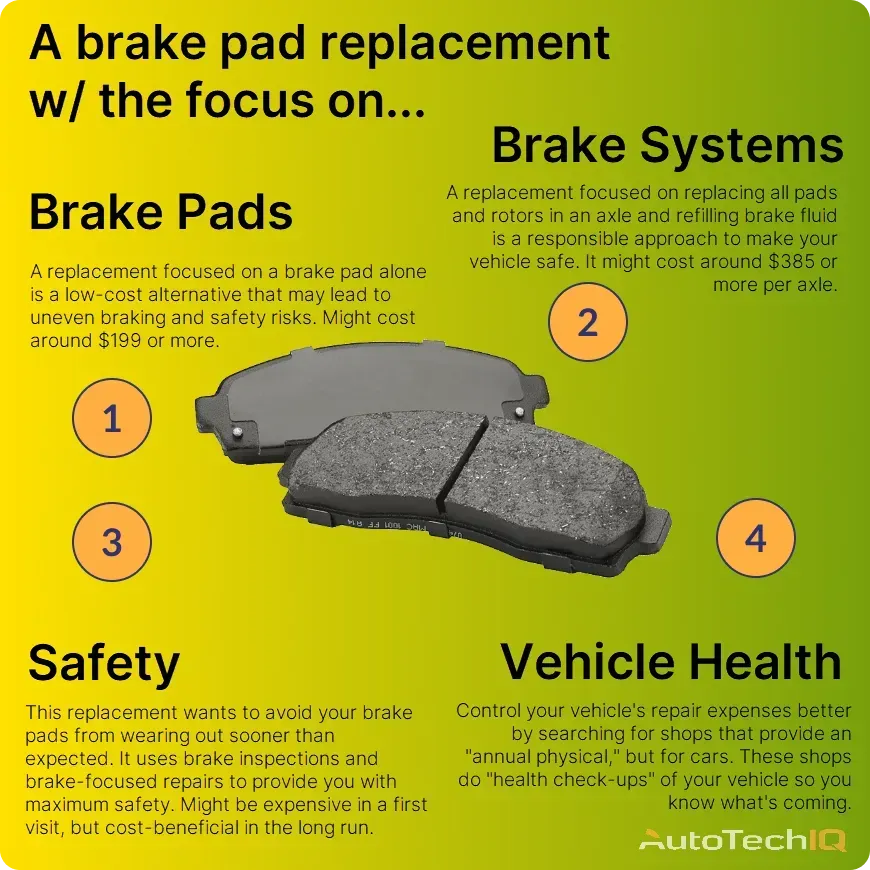
Credit: www.autotechiq.com

Credit: www.youtube.com
Frequently Asked Questions
How Much Does It Cost To Replace Rear Brakes And Rotors?
Replacing rear brakes and rotors typically costs between $250 and $400. Prices vary based on vehicle type, parts quality, and labor rates. High-end cars or performance parts may increase the cost. Always get a detailed estimate before proceeding.
How Long Does Rear Brake And Rotor Replacement Take?
Replacing rear brakes and rotors usually takes about 1 to 2 hours. The duration depends on the mechanic’s experience and vehicle complexity. Quick service centers might complete it faster, but quality should not be compromised.
Can I Replace Rear Brakes And Rotors Myself?
Yes, if you have basic mechanical skills and proper tools, you can replace them yourself. However, safety is critical. Follow a repair manual carefully, and ensure proper installation to avoid brake failure.
What Signs Indicate Rear Brakes And Rotors Need Replacement?
Common signs include squeaking noises, vibration when braking, and reduced stopping power. Visible rotor grooves or brake pad wear also signal replacement. Timely service prevents further damage and maintains vehicle safety.
Conclusion
Replacing rear brakes and rotors costs vary by car and parts quality. Choosing good parts helps your car stop safely and last longer. Regular brake checks can prevent bigger, costly problems down the road. Knowing the price range helps you plan your budget better.
Trust a skilled mechanic for accurate work and peace of mind. Don’t delay repairs; brake safety matters most for every driver. Keep your vehicle running smoothly and protect yourself on the road. Simple steps keep your brakes in top shape and your wallet happy.


