

Are your brakes making strange noises or feeling less responsive? You might be wondering, “How much will it cost to get my brakes and rotors replaced?” Knowing the answer can save you from unexpected expenses and keep your car safe on the road.
You’ll discover the real costs behind brake and rotor replacement, what affects the price, and tips to avoid overpaying. Stick with me, and you’ll feel confident making the best choice for your car and your wallet.
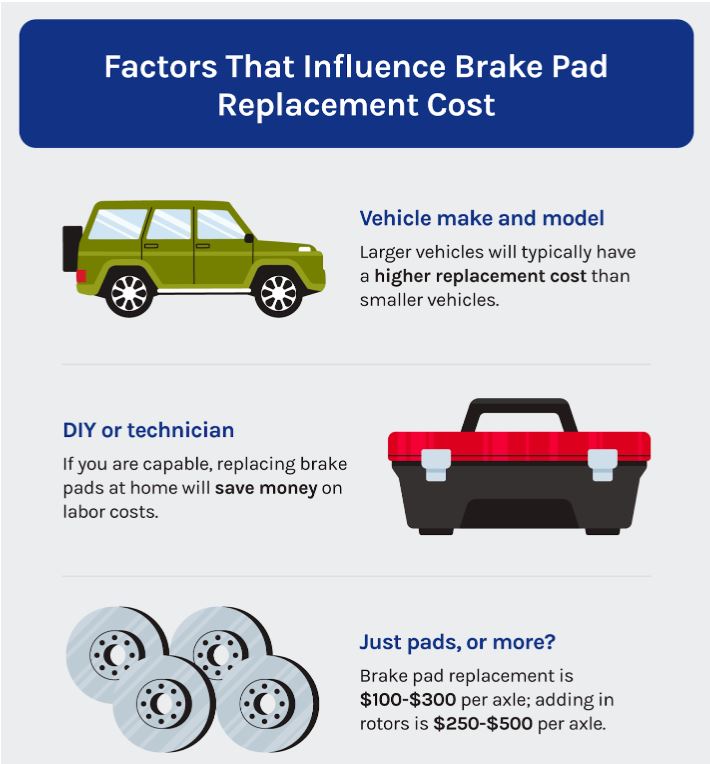
Credit: www.aaa.com
Brake And Rotor Replacement Costs
Brake and rotor replacement costs vary depending on several factors. Knowing these costs helps plan your car maintenance budget. Brakes and rotors are critical for safe driving. They wear out over time and need replacement to keep your vehicle safe.
Average Price Range
Brake pad replacement usually costs between $100 and $300. Rotor replacement can add another $150 to $400. The total for both parts and labor often ranges from $250 to $700. Prices differ based on car type and repair shop.
Factors Affecting Costs
Car make and model influence the price heavily. Luxury or sports cars often need expensive parts. Labor rates vary by location and shop expertise. Some shops charge more for complex brake systems. The quality of brake pads and rotors also changes cost. High-performance parts cost more but last longer. Timing matters too; urgent repairs may cost extra. Always ask for a detailed estimate before repair.

Credit: www.youtube.com
Signs You Need Replacement
Knowing when to replace your brakes and rotors is important for safety. Cars show clear signs when these parts wear out. Paying attention to these signs can help avoid accidents and costly repairs. Below are key indicators to watch for.
Brake Pad Wear Indicators
Brake pads have small built-in indicators. These make a squealing noise when pads are thin. The sound warns you to replace the pads soon. Another sign is reduced braking power. Your car may take longer to stop. If the brake pedal feels soft or spongy, check the pads. Worn pads also cause vibration during braking. These signs mean your brake pads need replacement.
Rotor Damage Symptoms
Rotors show damage in different ways. You might feel shaking or pulsation in the brake pedal. This happens when rotors are warped or uneven. Look for visible grooves or scoring on the rotor surface. Deep grooves reduce braking efficiency. Rotors can also crack from heat stress. A burning smell after hard braking may indicate rotor issues. Damaged rotors must be replaced to keep braking safe.
Types Of Brake Pads And Rotors
Brake pads and rotors are key parts of your vehicle’s braking system. Choosing the right type affects safety, performance, and cost. Different materials and styles suit different driving needs. Understanding these options helps you make the best choice for your car and budget.
Material Differences
Brake pads come in three main materials: ceramic, semi-metallic, and organic. Ceramic pads last long and make less noise. They cost more but wear down rotors less. Semi-metallic pads offer strong stopping power. They are louder and wear rotors faster. Organic pads are soft and quiet. They wear out faster and suit light driving.
Rotors vary too. Cast iron rotors are common and affordable. They handle heat well but can rust. Steel rotors resist rust but cost more. Drilled or slotted rotors help cool brakes. They improve performance but wear pads faster.
Performance Vs. Cost
High-performance pads cost more but provide better braking. They suit sporty or heavy vehicles. Budget pads save money but may wear quicker. Mid-range pads balance price and performance well. Rotors also vary in price by material and design. High-end rotors improve brake feel and durability. Basic rotors work fine for daily driving. Consider your driving style and budget carefully.
Diy Vs. Professional Service
Deciding between doing brake and rotor replacement yourself or hiring a professional can affect your budget and safety. Understanding the differences helps you make the right choice. Both options have benefits and drawbacks to consider carefully.
Pros And Cons Of Diy
Doing the job yourself saves money on labor costs. Parts can be bought online or at auto stores for a fair price. You get to learn about your car and gain useful skills. The process requires basic tools and some mechanical knowledge.
Risks include improper installation, which may cause brake failure. You need time and patience to follow instructions closely. Some vehicles have complex brake systems that are hard to handle. Mistakes can lead to costly damage or accidents.
When To Choose A Mechanic
Choose a mechanic if you lack tools or experience. Professionals have the right tools and training for safe repairs. They can spot other issues and fix them before they worsen. A certified service offers warranties on parts and labor.
Mechanics save time and reduce stress. Complex brake systems or vehicles with advanced technology require expert care. If your brakes make unusual noises or vibrations, a mechanic can diagnose the problem accurately. Safety is the top priority with brake work.
Ways To Save On Brake Repairs
Brake repairs can be costly, but there are ways to save money. Understanding these methods helps you keep your car safe without spending too much. Saving on brake repairs means smart choices and a bit of effort.
Choosing Affordable Parts
Parts make a big difference in the price. Original parts cost more, but aftermarket parts can be cheaper. Look for quality brands that fit your car well. Avoid very cheap parts that may wear out fast. Choose parts that balance cost and safety.
Finding Discounts And Coupons
Many shops offer discounts or coupons for brake repairs. Check online for deals before booking your appointment. Some places have special offers during certain months. Ask the mechanic if any discounts apply. Using coupons can lower your total bill.
Maintenance Tips For Longevity
Keeping brakes and rotors in good shape saves money and boosts safety. Proper care helps these parts last longer. Simple steps can reduce wear and avoid costly repairs. Follow easy maintenance tips for better performance and peace of mind.
Regular Inspections
Check brakes and rotors often. Look for signs of wear or damage. Listen for unusual noises like squealing or grinding. Feel for vibration when braking. Early detection stops small problems from growing. Visit a mechanic at least once a year. Regular checks keep your vehicle safe.
Driving Habits That Help
Drive gently to protect brakes and rotors. Avoid sudden stops and hard braking. Slow down gradually instead of slamming brakes. Use engine braking by shifting to lower gears on hills. Keep a safe distance from other cars. Smooth driving reduces stress on brake parts and extends their life.

Credit: vatire.com
Frequently Asked Questions
How Much Does Brake And Rotor Replacement Cost?
Brake and rotor replacement typically costs between $250 and $600. Prices vary based on car model, labor rates, and parts quality. High-end or performance vehicles may cost more. Always get a detailed estimate before proceeding.
How Long Does Brake And Rotor Replacement Take?
Replacing brakes and rotors usually takes 1 to 2 hours. The time depends on the vehicle type and mechanic’s experience. Complex models or additional repairs may extend the service time.
Can I Replace Brakes And Rotors Myself?
Yes, experienced DIYers can replace brakes and rotors. Proper tools and safety knowledge are essential. However, professional service is recommended for best results and safety assurance.
When Should I Replace My Brake Rotors?
Replace rotors if they are warped, cracked, or below minimum thickness. Signs include vibration, noise, or reduced braking efficiency. Regular inspections help identify rotor wear early.
Conclusion
Brake and rotor replacement costs vary by car and location. Quality parts and skilled labor affect the price. Choosing a trusted mechanic ensures safe and lasting repairs. Regular brake checks help avoid costly damage later. Don’t wait until brakes squeak or feel weak.
Staying aware keeps you and others safe on the road. Spending wisely now saves money and stress in the future. Your car’s brakes deserve care and attention. Safe driving starts with reliable brakes.


