Are your brakes making noise or feeling less smooth? You might be wondering, “How much does it cost to turn brake rotors?” Knowing this can save you money and keep your car running safely.
You’ll discover the real price range for turning brake rotors, why it matters, and how to decide if it’s the right choice for your vehicle. Keep reading to make the best decision for your brakes and your budget.

Credit: www.buybrakes.com
Brake Rotor Turning Basics
Understanding brake rotor turning basics helps you maintain your vehicle’s braking system. Rotors can wear unevenly or develop grooves. Turning rotors smooths the surface and extends their life. This process is a cost-effective alternative to buying new rotors.
Knowing when and why to turn rotors keeps your brakes working properly. It also prevents vibrations and noise while driving. Let’s explore what rotor turning means, when to consider it, and its benefits.
What Is Rotor Turning
Rotor turning means machining the brake rotors to restore a flat surface. A special lathe removes a thin layer from the rotor face. This action smooths out any unevenness or grooves caused by brake pads. The process does not change the rotor’s thickness much. It helps make the rotor surface even again for better brake contact.
When To Turn Rotors
Turn rotors when they show signs of wear or vibration. If you feel shaking during braking, uneven rotors may cause it. Rotors with deep grooves or scoring also need turning. Mechanics measure rotor thickness before turning. If the rotor is too thin, it should be replaced instead. Regular brake service can help spot when rotors need turning.
Benefits Of Turning Rotors
Turning rotors improves braking performance and safety. It reduces brake noise and vibrations. This process extends rotor life and saves money. Turning also helps brake pads wear evenly. It prevents uneven braking that can damage other parts. Overall, rotor turning keeps your vehicle stopping smoothly and reliably.
Cost Factors For Turning Rotors
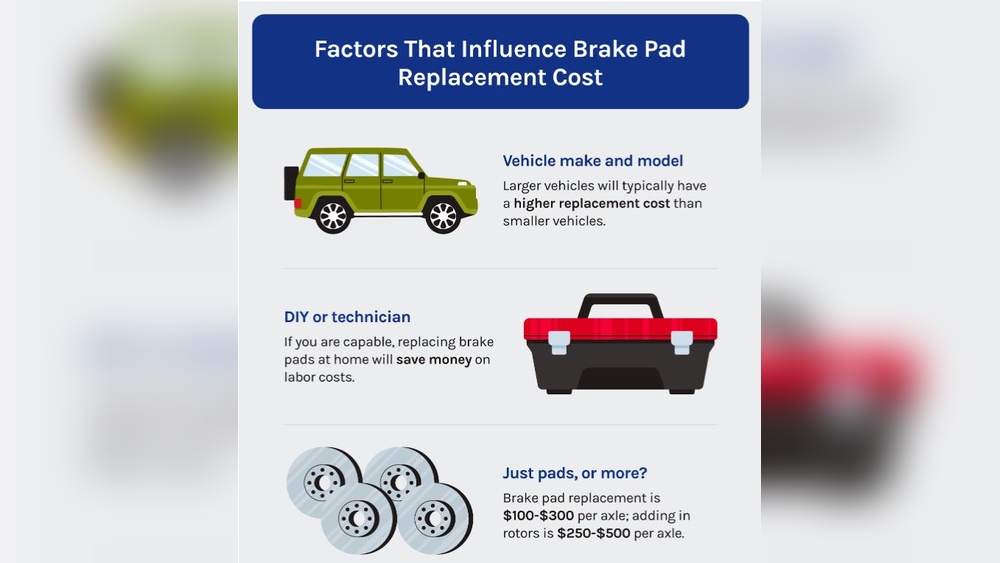
Understanding the cost factors for turning brake rotors helps you prepare your budget. Prices vary based on several important elements. Knowing these can save money and avoid surprises.
Labor Charges
Labor charges depend on the shop’s hourly rate. Some shops charge more for skilled mechanics. The time taken to turn rotors also affects the cost. Complex jobs take longer, increasing labor fees.
Rotor Condition And Damage
Rotors with deep grooves or severe damage cost more to turn. Light wear requires less work and lower price. Some rotors cannot be turned if too thin or cracked. Replacement may be cheaper than turning in such cases.
Type Of Vehicle
Luxury and sports cars often have higher costs for rotor turning. Parts and labor for these vehicles are usually pricier. Common or older cars tend to have lower costs. Vehicle design can affect how hard it is to access rotors.
Shop Vs. Dealership Pricing
Independent shops usually offer lower prices for turning rotors. Dealerships may charge more but use original parts. Shops might finish the job faster due to less waiting. Consider the warranty and service quality when choosing.
Typical Price Ranges In 2025
Understanding the typical price ranges for turning brake rotors in 2025 helps plan your car maintenance budget. Prices vary by several factors, including the type of vehicle and location. This section breaks down the average costs and explains what affects the price most.
Average Cost Per Rotor
The average cost to turn one brake rotor ranges from $15 to $40. Labor fees add around $30 to $60 per rotor. Overall, expect to pay between $45 and $100 for each rotor service. Prices depend on the shop and the rotor’s condition.
Cost Differences By Vehicle Type
Smaller cars usually have lower rotor turning costs. Compact and economy cars often cost less than $50 per rotor. Trucks and SUVs tend to cost more, sometimes up to $100 or more. Luxury and performance vehicles demand higher prices due to special parts and tools.
Regional Price Variations
Prices differ across regions in 2025. Urban areas often charge more than rural areas. States with higher living costs reflect that in service prices. Local competition also affects pricing. Calling local shops can help find the best rates near you.

Credit: www.youtube.com
Diy Rotor Turning Costs
Turning brake rotors yourself can save money and teach useful skills. The cost depends on tools, equipment, and safety gear. Knowing these costs helps plan your DIY project well.
Tools Needed
You need a brake lathe to turn rotors. Other tools include a jack, jack stands, a lug wrench, and a socket set. A dial indicator helps check rotor thickness. A torque wrench is good for tightening bolts correctly.
Cost Of Equipment
A new brake lathe costs between $200 and $1,000. Manual lathes are cheaper but need more effort. Power lathes cost more but work faster. Basic tools like jacks and wrenches usually cost $50 to $150. Some tools you may already have at home.
Safety Considerations
Wear safety glasses to protect your eyes from metal dust. Gloves protect your hands from sharp edges. Work in a clean, well-lit area. Make sure the car is stable on jack stands. Follow all instructions for the lathe and tools.
When Replacement Is Better Than Turning
Deciding between turning brake rotors and replacing them depends on their condition. Turning rotors means shaving a thin layer off the surface to smooth out imperfections. This can extend rotor life but only if the damage is minor. Some rotor issues are too severe for turning to fix. In those cases, replacement is safer and more effective. Understanding when replacement is better helps keep your vehicle safe and running well.
Signs Rotors Need Replacement
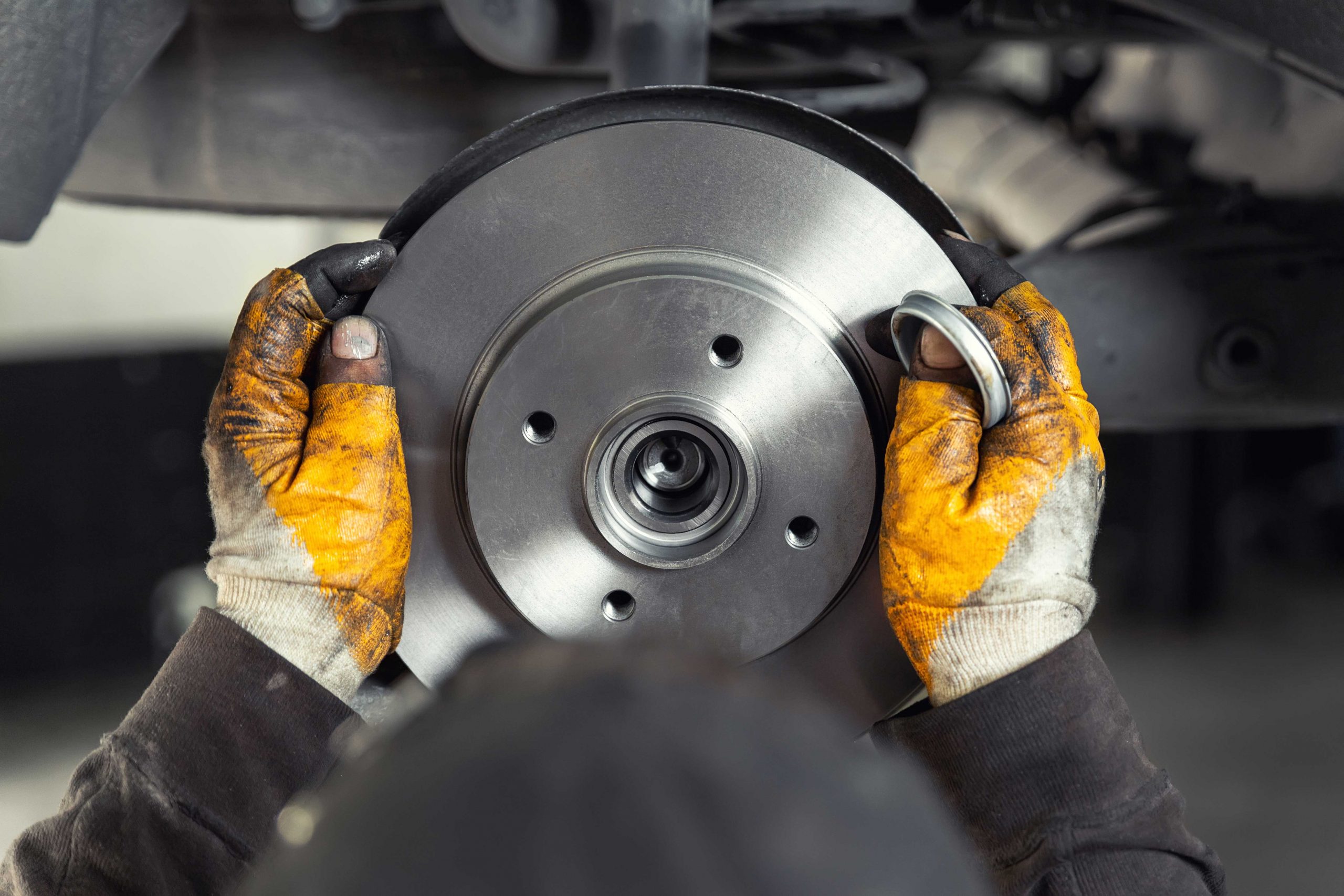
Rotors that are too thin or cracked must be replaced. Deep grooves or heavy scoring cannot be fixed by turning. Warped rotors cause vibration or shaking while braking. Rust that eats into the rotor surface weakens it. If you hear squealing or grinding sounds, the rotors may be damaged. Visible damage or poor brake feel usually means replacement is necessary.
Cost Comparison: Turning Vs. Replacing
Turning rotors often costs less upfront than new rotors. The process uses less material and time. But rotors can only be turned a few times before they get too thin. Replacing rotors costs more but gives a longer life. Over time, replacing might save money by avoiding repeated turning. Also, new rotors improve brake efficiency and safety.
Impact On Vehicle Performance
Worn or damaged rotors reduce brake performance. Turning can restore smooth braking but only if damage is minor. Thin rotors can overheat and cause brake fade. New rotors provide consistent stopping power and better safety. They prevent vibrations and noise during braking. Replacing rotors ensures your vehicle stops reliably every time.
Credit: www.r1concepts.com
Tips To Save On Rotor Maintenance
Keeping your brake rotors in good shape can save you money on repairs. Small steps help extend the life of your rotors. These tips focus on routine care and smart choices. Simple actions make a big difference over time.
Follow these practical tips to avoid costly rotor replacements and turning jobs.
Regular Brake Inspections
Check your brakes often to catch problems early. Worn pads can damage rotors quickly. Inspect brake pads and rotors every 10,000 miles or during oil changes. Early detection helps avoid expensive repairs.
Choosing The Right Service Provider
Select a trusted mechanic for brake services. Skilled technicians ensure proper rotor turning and maintenance. Avoid shops that recommend unnecessary rotor replacements. Ask for details about their rotor service process.
Preventative Driving Habits
Drive smoothly to reduce rotor wear. Avoid hard braking and sudden stops. Use engine braking on downhill roads to ease pressure on brakes. Gentle driving keeps rotors cooler and lasts longer.
Frequently Asked Questions
How Much Does It Cost To Turn Brake Rotors?
Turning brake rotors typically costs between $10 and $40 per rotor. Labor charges vary by shop and location. This service is cheaper than replacement but depends on rotor condition. Always compare prices with replacement costs for the best value.
When Should You Turn Brake Rotors?
Turn brake rotors when they show minor surface wear or unevenness. If rotors are warped or too thin, replacement is better. Turning restores a smooth surface, improving brake performance and extending rotor life.
Can All Brake Rotors Be Turned?
Not all rotors can be turned. Rotors must meet minimum thickness after machining. If below this limit, turning is unsafe. Always consult a mechanic to check rotor condition before machining.
Is Turning Brake Rotors Better Than Replacing?
Turning rotors is cheaper and extends rotor life if damage is minor. Replacement is necessary for severe wear or damage. Turning maintains smooth braking but is only a temporary fix for worn rotors.
Conclusion
Turning brake rotors can save money and extend rotor life. The cost depends on your vehicle and labor rates. Some rotors can be turned multiple times before replacement. Always check rotor thickness and surface condition first. Proper maintenance keeps brakes working safely and smoothly.
Choosing to turn rotors or replace them depends on wear and cost. Regular brake checks prevent unexpected problems on the road. Keep your car’s braking system in good shape for safety.