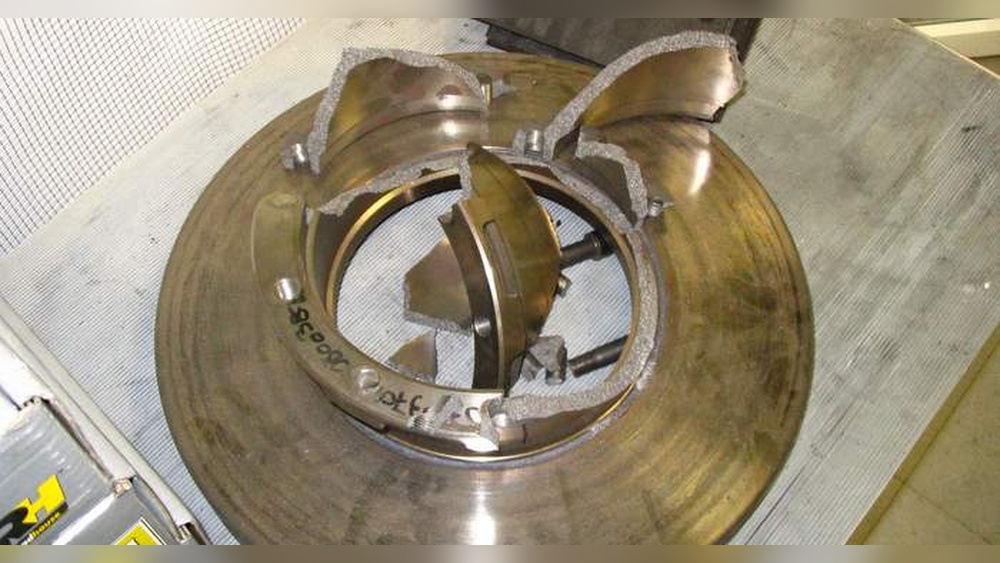
Have you ever wondered how many brakes and rotors your car actually has? Knowing this can help you understand your vehicle better and keep it running safely.
If you want to avoid unexpected repairs and save money, it’s important to get a clear picture of your car’s braking system. You’ll discover exactly how many brakes and rotors are on your car, why they matter, and what signs to watch for when they need attention.
Keep reading—your car’s safety depends on it!
Brake System Basics
The brake system is a vital part of every car. It helps the vehicle stop safely and quickly. Understanding how brakes work can help you take better care of your car. This section explains the basics of the brake system.
Brakes use parts that work together to slow down or stop the wheels. Knowing these parts helps you understand how many brakes and rotors a car has. It also shows why regular maintenance is important for safety.
Types Of Brakes
Most cars use two main types of brakes: disc brakes and drum brakes. Disc brakes have a flat, round rotor that spins with the wheel. Brake pads press on the rotor to stop the car. Drum brakes have a drum that rotates with the wheel. Brake shoes press inside the drum to slow the car.
Disc brakes are common on the front wheels of most cars. They provide better stopping power and cool faster. Drum brakes are often on the rear wheels. They cost less and last longer but are less effective in heat.
Brake Components
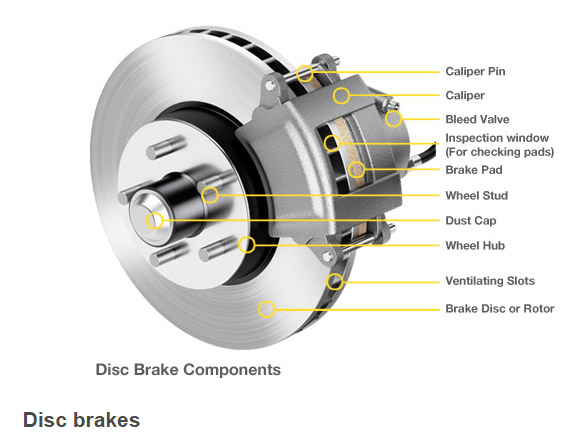
The brake system has several key parts. Rotors are metal discs attached to the wheels. Brake pads press against rotors to create friction. Calipers hold the brake pads and push them onto the rotors. Brake lines carry brake fluid to the calipers.
Brake fluid helps transfer pressure from the brake pedal to the brakes. The master cylinder pushes this fluid when you press the pedal. Each wheel usually has one rotor and one set of brake pads. Most cars have four brakes and four rotors total.
Number Of Brakes On A Car
Every car has several brakes to keep it safe and stop it quickly. Brakes work by slowing the wheels down. Knowing how many brakes a car has helps you understand how it stops. The number of brakes varies by the car’s design. Most cars have three main types of brakes. Each type plays a special role in stopping the car.
Front Brakes
The front brakes are very important. They do most of the work when stopping. This is because the car’s weight moves forward during braking. Front brakes usually have disc brakes with rotors. They provide strong and steady stopping power. Many cars have two front brakes, one for each front wheel.
Rear Brakes
Rear brakes support the front brakes. They help slow the car down evenly. Rear brakes can be disc or drum brakes. Most cars have two rear brakes, one on each rear wheel. Rear brakes also keep the car stable while stopping. Together with front brakes, they stop the car safely.
Emergency Brake
The emergency brake is a backup brake system. It is also called the parking brake. It keeps the car from moving when parked. The emergency brake usually works on the rear wheels. It uses a different mechanism than the front and rear brakes. This brake can stop the car in an emergency if the main brakes fail.
Rotors In Brake Systems
Rotors are a key part of a car’s brake system. They work with brake pads to stop the vehicle safely. Understanding rotors helps you know how brakes function and why maintenance matters.
Role Of Rotors
Rotors turn with the wheels of the car. When you press the brake pedal, brake pads press against the rotors. This creates friction that slows down the wheels. Without rotors, the car cannot stop smoothly or safely.
Rotor Placement
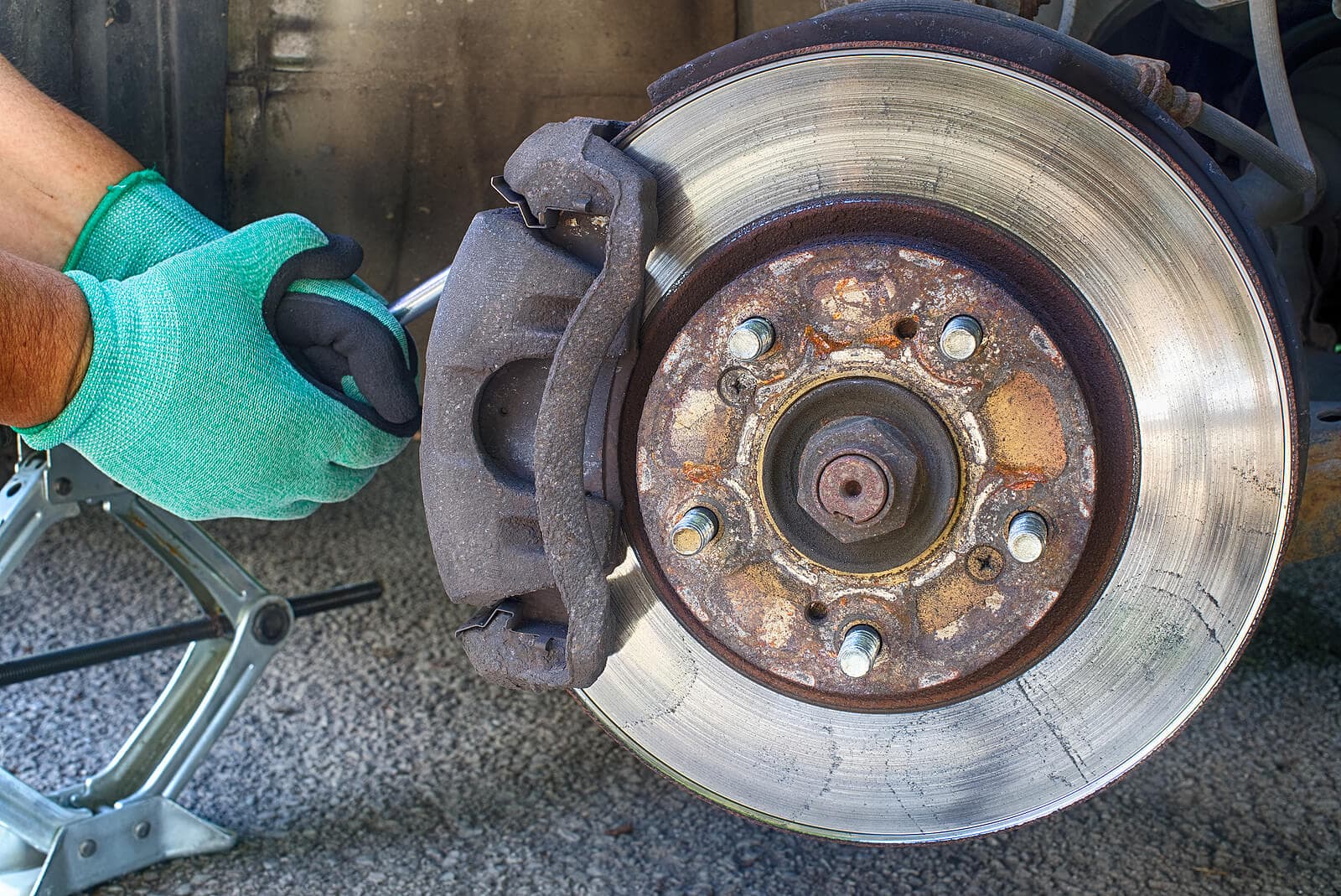
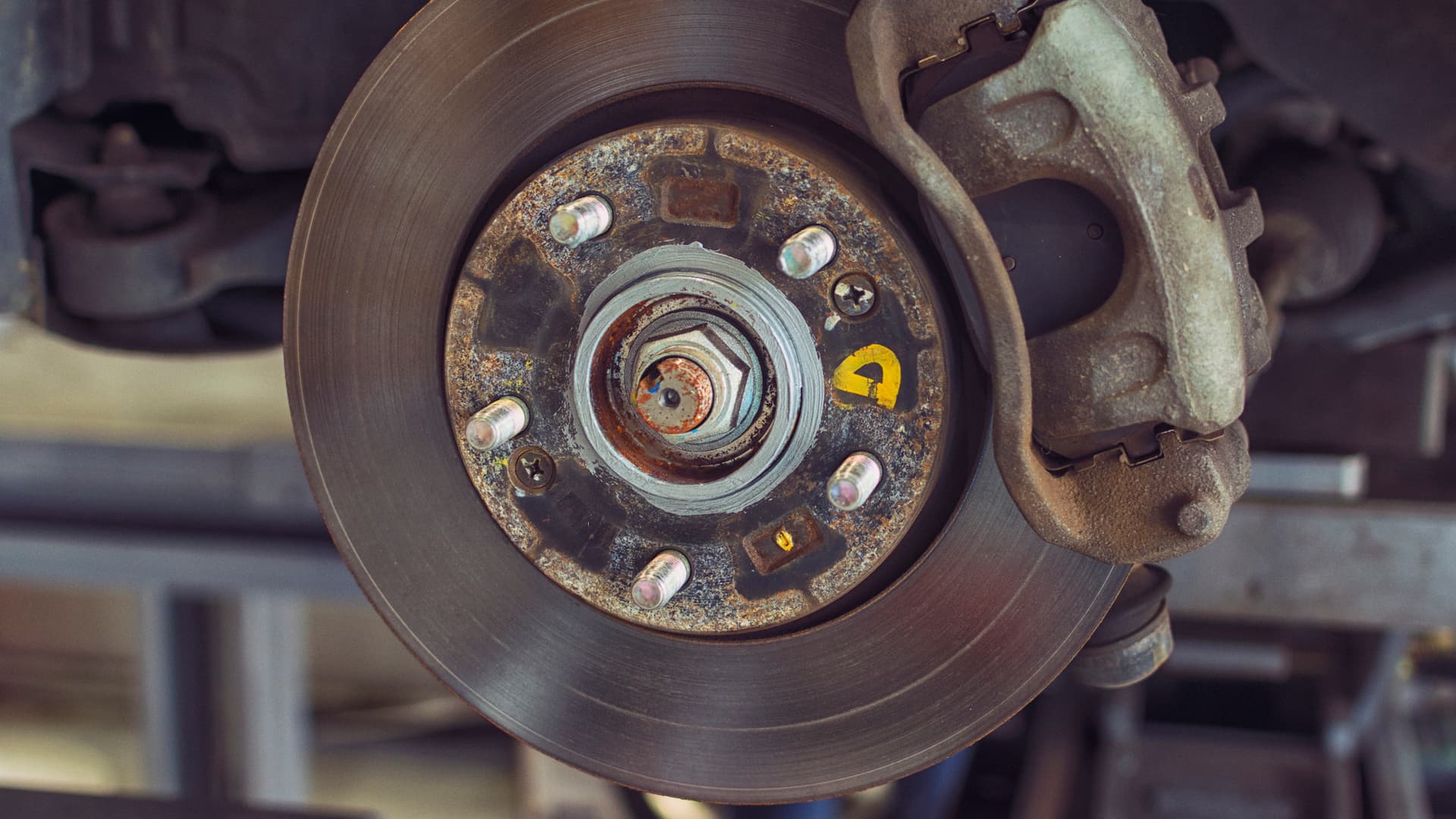
Most cars have one rotor on each wheel. That means four rotors for a typical car. They sit behind the wheel and connect to the hub. This position lets them spin with the wheels and stop the car efficiently.
Rotor Types
There are several types of rotors. Solid rotors are simple and common on smaller cars. Ventilated rotors have air gaps to cool faster. Drilled or slotted rotors help reduce heat and improve brake grip. Each type fits different driving needs.
Credit: hillsideautomotiverepair.com
Variations By Vehicle Type
Cars have different numbers of brakes and rotors based on their type. The design and size of the vehicle affect how many brakes and rotors it needs. Each vehicle type has unique braking requirements to ensure safety and performance. Understanding these differences helps with maintenance and repair decisions.
Sedans And Hatchbacks
Sedans and hatchbacks typically have four brakes and rotors. Each wheel usually has one brake rotor paired with a brake caliper. These cars are lighter and smaller, so they need less braking power. The front brakes handle most of the stopping force. The rear brakes support and balance the braking system.
Suvs And Trucks
SUVs and trucks often have larger brakes and rotors than smaller cars. They also usually have four brakes and rotors, one for each wheel. These vehicles are heavier and carry more load. Stronger brakes help to stop safely under heavy weight. Some trucks may have extra braking systems, like engine brakes, for added control.
Electric And Hybrid Cars
Electric and hybrid cars also have four brakes and rotors. Their braking systems often include regenerative braking. This system recovers energy when slowing down. It helps extend battery life and improve efficiency. The mechanical brakes work alongside regenerative brakes for safe stopping. This mix requires special care during maintenance.
Maintenance Tips
Maintaining your car’s brakes and rotors is key for safe driving. Proper care extends the life of these parts. It also helps avoid costly repairs. Simple checks can keep your braking system in top shape. Here are important tips to help you maintain your brakes and rotors.
Signs Of Brake Wear
Listen for squeaking or grinding noises when braking. These sounds often mean brake pads need replacement. Notice if your car pulls to one side when stopping. This can signal uneven brake wear. A soft or spongy brake pedal also indicates problems. Watch for longer stopping distances as a warning. Early detection prevents brake failure and keeps you safe.
Rotor Replacement Indicators
Feel vibrations or pulsations in the brake pedal. This usually means rotors are warped or damaged. Look for visible grooves or cracks on the rotor surface. Deep grooves reduce braking efficiency. If rotors are too thin from wear, they must be replaced. Rotors in poor condition can damage new brake pads quickly.
Regular Inspection Practices
Check brakes and rotors at least every 12,000 miles. Inspect pads for thickness and rotors for damage. Clean brake components to remove dust and dirt. Tighten all bolts and hardware securely. Use a professional mechanic for detailed inspections. Regular checks help catch issues early and improve safety.
Credit: urbsgarage.com
Credit: urbsgarage.com
Frequently Asked Questions
How Many Brakes Does A Typical Car Have?
Most cars have four brakes, one on each wheel. These include two front brakes and two rear brakes. This setup ensures balanced and effective stopping power for safety.
How Many Rotors Are On A Standard Car?
A standard car usually has four rotors. Each rotor works with its brake pads to slow down the wheels. Some cars with drum brakes at the rear may have only two rotors in front.
Do All Cars Have Rotors And Brakes On All Wheels?
Almost all modern cars have brakes and rotors on all four wheels. This design provides better control and safer stopping. Some older or specialty vehicles may differ.
Why Are Front Brakes Larger Than Rear Brakes?
Front brakes are larger because they handle more braking force. When stopping, weight shifts forward, requiring stronger front brakes. Larger rotors and pads improve heat dissipation and stopping power.
Conclusion
Most cars have four brakes and four rotors, one for each wheel. These parts work together to stop your vehicle safely. Regular checks keep them in good shape and avoid problems. Knowing this helps you understand basic car care better.
Remember, well-maintained brakes mean safer drives every day. Keep an eye on wear and replace parts when needed. Simple steps can protect you and your passengers on the road.