
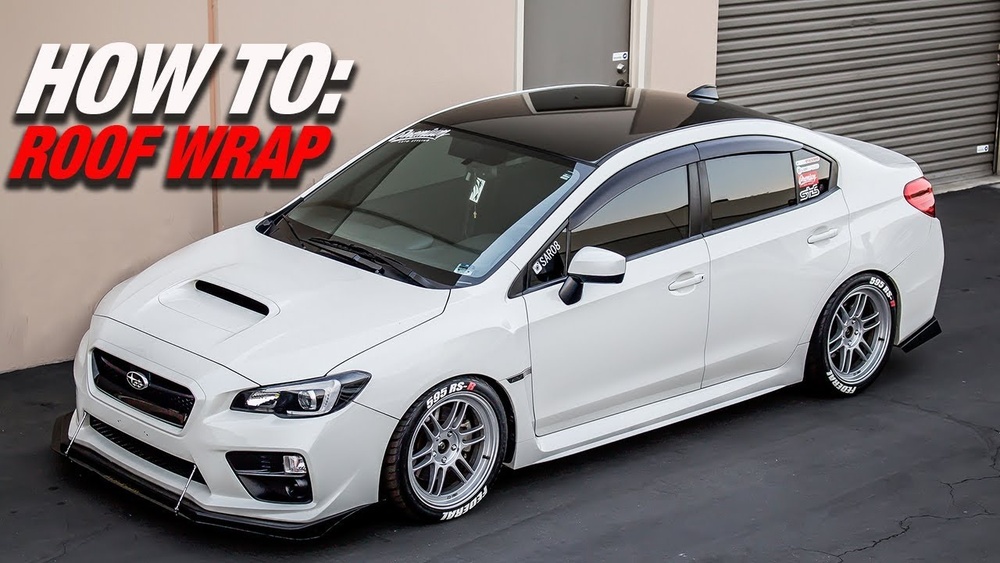
Thinking about wrapping your car roof with vinyl? You might be wondering exactly how much vinyl you need to get the job done right.
Using too little means you’ll run out halfway, causing frustration and extra costs. Using too much? That’s just wasted money and material. You’ll discover the simple way to calculate the perfect amount of vinyl for your car roof. By the end, you’ll feel confident to buy the right size and start your project without any guesswork or stress.
Keep reading to find out how to save time, money, and get a flawless wrap every time.
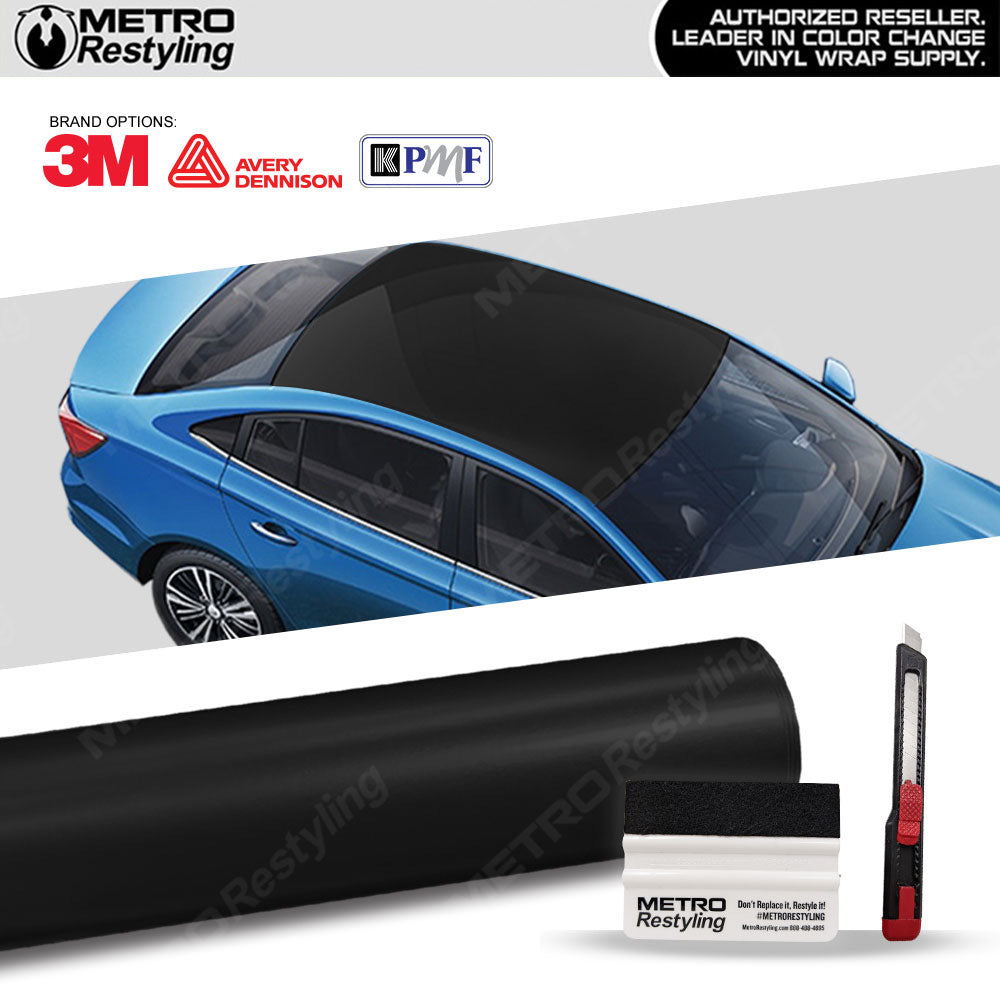
Credit: metrorestyling.com
Measuring Your Car Roof
Measuring your car roof is the first step in wrapping it with vinyl. Accurate measurements help you buy the right amount of vinyl. This saves money and avoids waste. Taking careful measurements also makes the wrapping process easier and neater.
Tools Needed For Measurement
Use a tape measure with clear markings in inches or centimeters. A flat ruler or straight edge helps check straight lines. A notepad and pen are useful for writing down measurements. A ladder or step stool may be needed for tall vehicles. Optional tools include a laser distance measurer for quick results.
Steps To Measure Accurately
Start by cleaning the roof surface to see edges clearly. Measure the length from front to back of the roof. Measure the width at the widest point from side to side. Multiply length by width to find the roof area. Add extra inches for overlap and trimming. Write down each number clearly. Double-check measurements before buying vinyl.
Common Measurement Mistakes
Do not measure only the flat part of the roof. Curves and edges need to be included. Avoid guessing or rounding numbers too much. Forgetting to add extra vinyl for overlap causes problems. Measuring in a hurry can lead to errors. Not writing down measurements can cause confusion. Always take time and be precise.
Calculating Vinyl Requirements
Calculating the amount of vinyl needed to wrap a car roof is important for a smooth project. Accurate measurements save money and avoid delays. Knowing how to estimate vinyl requirements helps you buy the right amount.
Vinyl comes in rolls of different sizes. The shape and curves of the roof affect how much vinyl you need. Also, extra vinyl is necessary for overlaps and mistakes. Let’s explore these factors to calculate vinyl correctly.
Standard Vinyl Roll Sizes
Vinyl rolls usually come in widths of 48 inches or 60 inches. The length of rolls varies, often between 15 and 100 feet. Most car roofs fit within these roll widths.
Choosing the right roll size depends on your car’s roof width. A wider roll means fewer seams and easier installation. Always check roll dimensions before buying.
Adding Extra For Overlaps And Errors
Extra vinyl is needed to cover overlaps during wrapping. Overlaps create strong seals and prevent peeling. Adding 10 to 20 percent more vinyl covers mistakes and trimming.
It is better to have a little extra vinyl than too little. Mistakes happen, especially for beginners. Extra vinyl also helps when fitting edges and corners.
Adjusting For Roof Shape And Curves
Car roofs with curves or complex shapes need more vinyl. Curves require stretching and shaping the vinyl carefully. This process uses more material than flat surfaces.
Measure the highest points and edges to estimate extra vinyl needed. Allow extra length and width for curves to avoid running short. Complex roofs may require up to 25 percent more vinyl.
Choosing The Right Vinyl
Choosing the right vinyl for wrapping your car roof is key to a great finish. The vinyl you pick affects the look, feel, and lifespan of your wrap. Each type offers unique benefits and challenges.
Understanding vinyl types, durability, and visual options helps you decide. Focus on materials that suit your style and budget. Small details like color and texture also change the final appearance.
Types Of Vinyl Wrap Materials
Cast vinyl is thin and flexible. It molds well around curves and edges. This type lasts longer and resists fading. Calendered vinyl is thicker and cheaper. It works best on flat surfaces but may peel sooner. Choosing between cast and calendered depends on your car roof’s shape and how long you want the wrap to last.
Durability And Finish Options
Vinyl wraps come in matte, gloss, and satin finishes. Glossy finishes shine bright and highlight colors. Matte finishes offer a smooth, non-shiny look. Satin lies between matte and gloss, adding subtle shine. Durability varies too. Some vinyl resists scratches and UV rays better. Pick a durable option for outdoor use to keep your wrap looking fresh.
Color And Texture Considerations
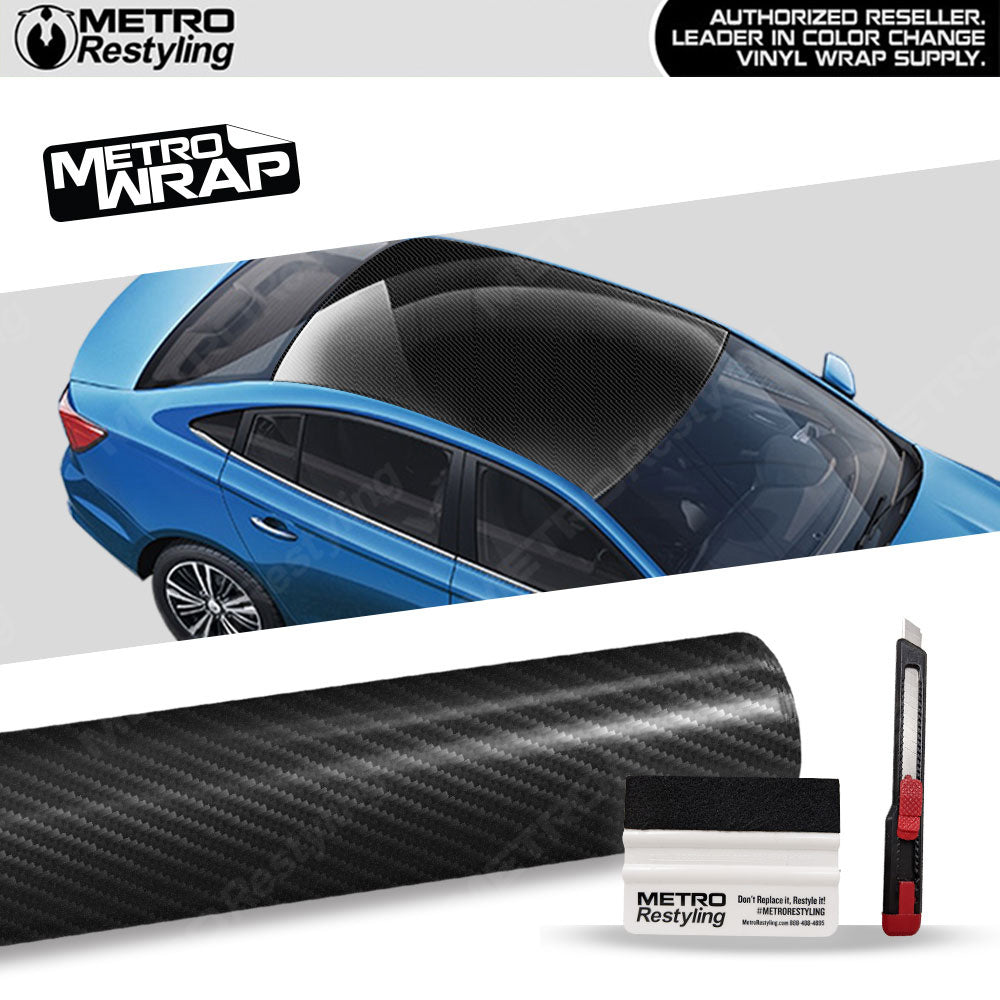
Colors range from solid shades to metallic and chrome effects. Bright colors stand out more, while dark tones hide dirt well. Textures like carbon fiber or brushed metal add style and depth. Think about your car’s color and style before choosing. The right color and texture can make your roof unique and eye-catching.
Preparing The Roof Surface
Preparing the roof surface is a crucial step before wrapping your car roof with vinyl. A clean and smooth surface helps the vinyl stick better and last longer. Poor preparation can cause bubbles, wrinkles, or peeling. Spend time on this step to get the best results.
Cleaning And Degreasing
Start by washing the roof with soap and water. Remove dirt, dust, and grime. Use a degreaser to clear off oils or wax. Oils make the vinyl slip and not stick properly. Wipe the surface with a clean cloth until it feels dry and clean.
Removing Old Wrap Or Paint Defects
Check if there is any old vinyl or paint damage. Peel off any old wrap pieces carefully. Use a scraper for stuck parts but avoid scratching the roof. Sand down any rough spots or paint chips. Fix dents or rust before wrapping for a smooth finish.
Ensuring A Smooth Application Surface
Run your hand over the roof to feel for bumps or dust. Use a microfiber cloth to remove tiny particles. A smooth surface prevents bubbles under the vinyl. Make sure the roof is completely dry. This step helps the wrap to last longer and look better.
Application Tips For Vinyl Wrap
Applying vinyl wrap on a car roof needs care and skill. Proper technique makes the wrap smooth and long-lasting. Follow these tips to get the best results. These steps help avoid common problems and save time.
Handling And Cutting Vinyl
Handle vinyl with clean hands to avoid dirt and oils. Use a sharp knife or blade for cutting. Cut slightly larger than the roof size for easier fitting. Avoid sharp folds that can damage the vinyl. Keep the vinyl flat and avoid creases during handling.
Applying Heat And Stretching
Use a heat gun to warm the vinyl gently. Warm vinyl stretches better and fits curves easily. Stretch the vinyl slowly and evenly across the roof. Avoid overheating, which can damage the material. Keep the heat moving to prevent burns or wrinkles.
Avoiding Air Bubbles And Wrinkles
Start applying vinyl from one edge and move slowly. Use a squeegee to press out air bubbles as you go. Work from the center outward to push air out. Lift and reposition the vinyl if large bubbles appear. Smooth wrinkles by reheating and stretching the vinyl gently.

Credit: www.youtube.com
Maintaining Your Vinyl Wrap
Maintaining your vinyl wrap is key to keeping your car roof looking fresh. A well-kept wrap lasts longer and stays bright. Simple care routines help avoid costly repairs and fading. Follow easy steps to protect your investment.
Cleaning Methods
Use a soft cloth or sponge to clean the wrap. Avoid harsh brushes that can scratch the surface. Wash with mild soap and water only. Rinse thoroughly to remove all soap. Dry with a soft towel to stop water spots.
Protecting From Sun And Weather
Park in the shade to reduce sun damage. UV rays can fade the vinyl over time. Cover your car during heavy rain or snow. Use a breathable car cover to prevent moisture buildup. Regular protection keeps the wrap bright and smooth.
Repairing Small Damages
Fix small scratches quickly to stop them from growing. Use a vinyl repair kit for minor tears or bubbles. Gently lift damaged edges and apply adhesive if needed. For bigger issues, consult a professional wrap installer. Quick repairs save money and extend wrap life.
Cost Factors And Budgeting
Understanding the cost factors helps you plan your budget for wrapping a car roof. Many elements affect the total price. Knowing these can save money and avoid surprises. Budgeting carefully ensures a smooth project from start to finish.
Material Costs
Vinyl wrap material prices vary by quality and type. Basic vinyl is cheaper but may not last as long. Premium vinyl offers better durability and finish but costs more. The size of the roof also affects how much material you need. Extra material might be required for curves and edges. Choose the right vinyl to balance cost and quality.
Professional Vs Diy Installation
Hiring a professional costs more but guarantees expert results. Professionals have tools and skills for a smooth wrap. DIY installation saves labor costs but takes time and practice. Mistakes during DIY can increase costs if you need fixes. Weigh the cost of professional service against your own skill level.
Long-term Value And Savings
A quality wrap protects your car’s paint and resale value. It can last several years with proper care. Investing in good vinyl and installation saves money on repainting. A wrap also allows easy updates to your car’s look. Think of the wrap as a long-term investment, not just a one-time expense.
Credit: metrorestyling.com
Frequently Asked Questions
How Much Vinyl Wrap Is Needed For A Car Roof?
Typically, 12 to 15 feet of vinyl wrap covers an average car roof. Always buy extra for mistakes or pattern matching. Measure your roof precisely before purchasing vinyl to ensure full coverage and avoid shortages during installation.
Can I Use Less Vinyl For Smaller Car Roofs?
Yes, smaller roofs may require only 8 to 10 feet of vinyl wrap. However, always consider extra material for errors and alignment. It’s better to have some leftover than to run out mid-wrap.
Does Roof Shape Affect Vinyl Wrap Amount?
Yes, complex roof shapes with curves or antennas need more vinyl. Extra material helps accommodate stretching and trimming. Flat roofs require less vinyl, but always buy a little more than the exact measurement.
Should I Buy Vinyl Wrap By The Roll Or Feet?
Buying by the feet is common for small projects like car roofs. Rolls come in standard widths, so calculate needed length carefully. For one roof, purchasing vinyl wrap by feet reduces waste and cost.
Conclusion
Wrapping a car roof with vinyl needs careful measurement. Usually, 5 to 6 feet of vinyl works well. Always add extra material to avoid shortages. Choose quality vinyl for better results and durability. Take your time to prepare the surface properly.
Small mistakes can cause big problems later. With the right amount and care, your car roof will look great. This simple guide helps you plan your vinyl wrap easily.


