

Are you planning to give your roof a fresh, stylish look with vinyl wrap but unsure how much material you’ll need? Knowing the right amount of vinyl to wrap your roof can save you money, avoid waste, and ensure a smooth installation.
You’ll discover simple ways to measure your roof and calculate exactly how much vinyl wrap to buy. By the end, you’ll feel confident to tackle your project without second-guessing your supplies. Keep reading to learn the easy steps that will make your roof transformation a success!

Credit: www.youtube.com
Measuring Your Roof
Measuring your roof is the first step in wrapping it with vinyl. Accurate measurements help you buy the right amount of vinyl. Avoid running out or wasting too much material. Take your time and be precise. Use a tape measure and note down all numbers carefully.
Calculating Roof Dimensions
Start by measuring the length and width of your roof. Measure each side separately if the roof is not square. Multiply length by width to get the area of each section. Add all areas together for the total roof size. Write down these numbers clearly for reference.
Accounting For Roof Features
Identify features like chimneys, vents, and skylights on the roof. Measure their size and subtract from the total roof area. These features do not need vinyl wrap. Ignoring them can lead to buying too much material. Keep your measurements updated with these details.
Considering Overlaps And Waste
Vinyl sheets need overlaps to stick well and stay secure. Add extra material for overlaps in your total measurement. Also, add a small percentage for cutting mistakes or waste. Usually, add 10% more vinyl to your total area. This ensures enough material for a clean finish.
Choosing The Right Vinyl Wrap
Choosing the right vinyl wrap for your roof is important. It affects how the wrap looks and how long it lasts. Vinyl wraps come in different types, thicknesses, and colors. Picking the right one helps protect your roof and gives a great finish.
Think about the material, durability, and color. These factors change the price and quality of the wrap. Knowing these details makes your choice easier and smarter.
Types Of Vinyl Wrap Materials
There are many vinyl materials for roof wraps. Cast vinyl is thin and flexible. It fits well on curved roofs. Calendered vinyl is thicker and less flexible. It works best on flat surfaces. Each type has its own benefits. Choose based on your roof shape and budget.
Thickness And Durability
Vinyl thickness affects how long the wrap lasts. Thicker vinyl resists tears and scratches better. Thin vinyl is easier to apply but may wear out faster. Look for a thickness between 3 to 5 mils for roofs. Durable vinyl saves money over time by needing fewer repairs.
Color And Finish Options
Vinyl wraps come in many colors and finishes. Glossy finishes shine and look new longer. Matte finishes hide dirt and scratches well. Some wraps have metallic or textured finishes. Choose a color that matches your style and roof type. The right finish improves the roof’s look and feel.
Estimating Vinyl Quantity
Estimating the right amount of vinyl to wrap a roof is essential for a smooth project. Using too little vinyl can cause delays and extra costs. Using too much can waste material and money. Accurate estimation saves time and effort. Let’s explore how to calculate the vinyl needed for your roof wrap.
Basic Coverage Formula
Start by measuring the roof’s length and width. Multiply these two numbers to find the total area in square feet. This gives a basic idea of how much vinyl you need. For example, a 20-foot by 30-foot roof equals 600 square feet. This simple math forms the base for your vinyl estimate.
Adjusting For Roof Complexity
Roofs with many angles or features need more vinyl. Add extra material for chimneys, vents, and skylights. Complex roofs have more edges and corners, which require careful wrapping. Increase your vinyl estimate by 10% to 20% for these features. This adjustment prevents running short during installation.
Adding Extra For Errors
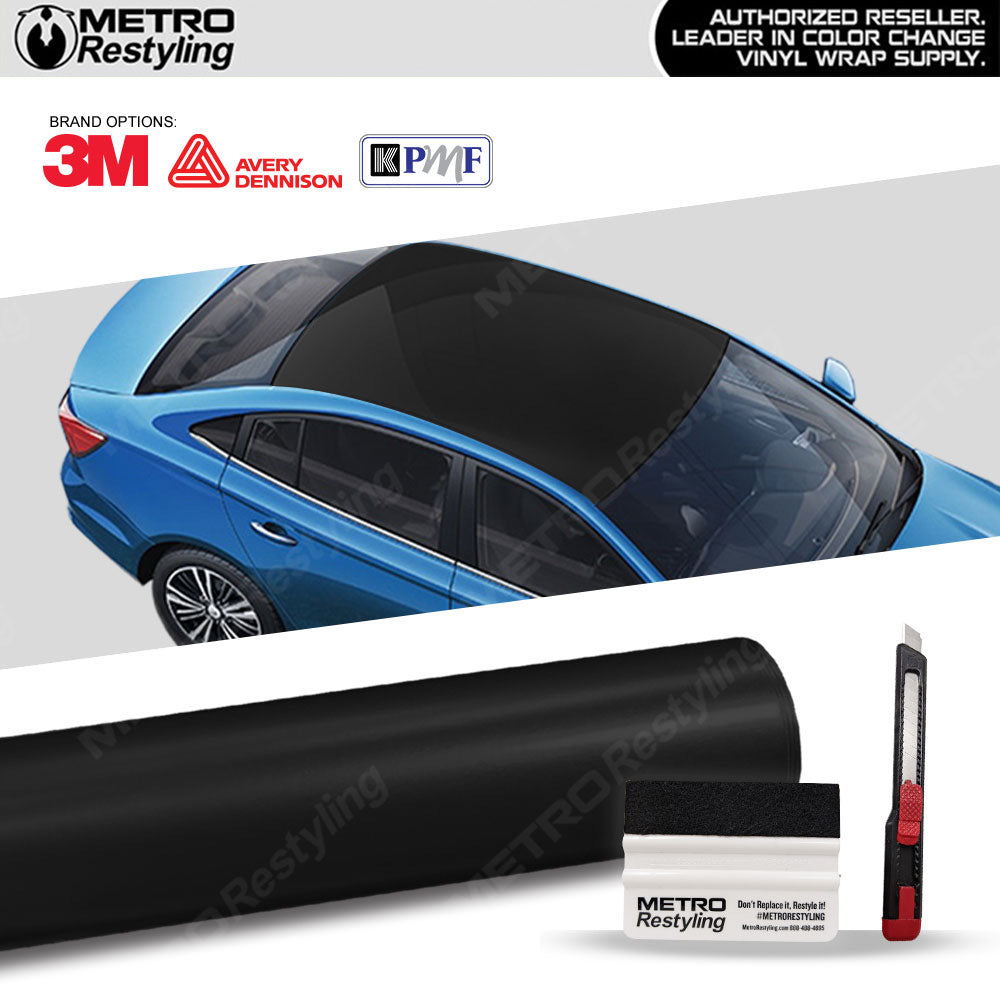
Small mistakes happen during any project. Cutting errors or fitting issues can waste vinyl. Add 10% extra vinyl to cover these mistakes. This backup amount ensures you won’t stop the job midway. It’s better to have a little too much than not enough vinyl.
Credit: metrorestyling.com
Tools And Preparation
Preparing to wrap a roof with vinyl needs careful planning and the right tools. Good preparation makes the job easier and the finish cleaner. Start with gathering all tools before you begin. Clean the roof surface well to help the vinyl stick better. Take safety steps to protect yourself during the work.
Essential Wrapping Tools
Get a heat gun to soften the vinyl. Use a squeegee to remove air bubbles and smooth the vinyl. A sharp utility knife helps cut the vinyl to fit the roof shape. Measuring tape is needed to know how much vinyl to buy. Gloves protect your hands and improve grip. A ladder or scaffolding lets you reach the roof safely and easily.
Surface Cleaning Tips
Start by removing dirt, dust, and debris from the roof. Use a broom or brush for dry dirt. Wash the surface with soap and water to remove grease and stains. Let the roof dry completely before applying vinyl. Avoid using harsh chemicals that can damage the roof or vinyl. A clean surface helps the vinyl stick strongly and last longer.
Safety Precautions
Wear gloves to protect your hands from cuts and heat. Use safety glasses to shield your eyes from debris. Make sure your ladder is stable and on firm ground. Avoid working on the roof in wet or windy weather. Keep your tools within easy reach to prevent accidents. Take breaks to stay alert and avoid mistakes.
Installing Vinyl Wrap On Roof
Installing vinyl wrap on a roof gives your home a fresh, modern look. It also protects the surface from weather damage. The process needs care and the right tools. You can save money by doing it yourself. Follow simple steps to get a smooth, lasting finish.
Step-by-step Wrapping Process
Start by cleaning the roof surface well. Remove dirt, dust, and old paint. Measure the roof to cut vinyl sheets accurately. Peel back the vinyl’s backing slowly. Stick the vinyl to the roof, starting at one edge. Work your way across the roof carefully. Use a squeegee to press out air bubbles. Cut extra vinyl around the edges for a neat fit.
Handling Corners And Edges
Corners and edges need extra attention. Cut the vinyl slightly larger than needed here. Fold the vinyl neatly over corners to avoid wrinkles. Use a heat gun to soften vinyl for easier wrapping. Press the vinyl firmly around edges to stick well. Trim excess material carefully to keep clean lines.
Smoothing And Securing Vinyl
Use a soft cloth or squeegee to smooth the vinyl. Push out any trapped air or water bubbles gently. Apply heat to help the vinyl stick firmly. Check all edges and corners again. Secure loose areas with extra adhesive if needed. Let the vinyl set for several hours before touching it.

Credit: yeswrap.com
Maintaining Wrapped Roof
Maintaining a vinyl-wrapped roof keeps it looking great and lasting longer. Simple care steps help avoid damage and costly repairs. Regular attention protects your investment and preserves the vinyl’s shine.
Cleaning Vinyl Surfaces
Wash the vinyl roof gently with mild soap and water. Use a soft cloth or sponge to avoid scratches. Rinse thoroughly to remove soap residue. Clean at least twice a year to prevent dirt buildup. Avoid harsh chemicals that can damage the vinyl.
Repairing Minor Damages
Check the vinyl for small tears or bubbles often. Use vinyl repair kits to fix minor issues quickly. Apply patches carefully to match the roof’s color and texture. Fixing small problems early stops bigger damage. Replace damaged sections if the repair does not hold.
Extending Vinyl Lifespan
Keep the roof away from sharp objects and heavy debris. Trim nearby trees to prevent scratches from branches. Avoid walking on the vinyl surface to prevent dents. Schedule regular inspections to find issues early. Proper care extends the vinyl’s life and keeps it strong.
Frequently Asked Questions
How Do I Calculate Vinyl Needed For A Roof Wrap?
Measure your roof’s length and width accurately. Multiply to find the total square footage. Add 10-15% extra for overlaps and waste. This ensures you buy enough vinyl for a complete roof wrap.
What Factors Affect Vinyl Quantity For Roof Wrapping?
Roof shape, size, and complexity impact vinyl needed. Steeper or multi-faceted roofs require more material. Also, plan for extra vinyl due to trimming and overlaps to avoid shortages during installation.
Can I Use Standard Vinyl Rolls For Any Roof Size?
Vinyl rolls come in standard widths, typically 48-60 inches. For larger roofs, multiple rolls are necessary. Always check roll dimensions and total square footage before purchasing to ensure sufficient coverage.
Why Should I Add Extra Vinyl For Roof Wrapping?
Extra vinyl covers errors, overlaps, and trimming losses. It prevents running short mid-project, saving time and cost. Typically, adding 10-15% more than measured area is recommended for smooth installation.
Conclusion
Wrapping a roof with vinyl needs careful measurement. Calculate the roof’s length and width first. Add extra vinyl for overlaps and mistakes. This ensures you have enough material to cover all areas. Choosing the right amount saves time and money.
Planning well helps avoid running out mid-project. Take your time to measure twice and cut once. This simple step makes the wrapping process smooth and successful. Now, you can wrap your roof with confidence and ease.


