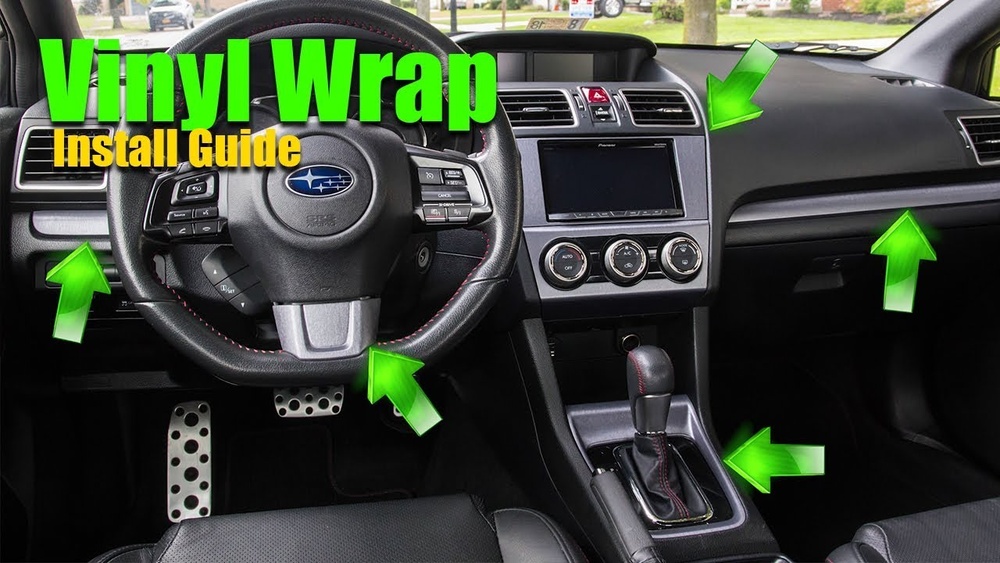
Want to give your car a fresh, unique look without spending a fortune? Vinyl wrapping your car badges is one of the easiest and most affordable ways to do just that.
Imagine transforming your car’s appearance with a sleek, customized finish that turns heads wherever you go. This guide will show you exactly how to vinyl wrap your car badges step-by-step, even if you’ve never tried it before. Ready to make your car stand out?
Keep reading, because the process is simpler than you think—and the results are impressive.

Credit: www.youtube.com
Materials Needed
Vinyl wrapping car badges is a fun way to customize your vehicle. Having the right materials makes the job easier. This section covers what you need before starting.
Choosing The Right Vinyl
Select vinyl made for car use. It should be thin and flexible. Cast vinyl works best for curved surfaces. Pick a color or finish that fits your style. Matte, gloss, or metallic are popular choices. Make sure the vinyl has air-release channels. This helps prevent bubbles during application.
Tools For Wrapping
A few simple tools make wrapping smooth. Use a heat gun or hairdryer to soften the vinyl. A squeegee helps push out air bubbles. A sharp craft knife or blade trims excess vinyl. Have cleaning wipes or alcohol to prepare the badge. Gloves keep fingerprints off the vinyl surface.
Preparing Your Workspace
Work in a clean, dust-free area. Good lighting helps you see details clearly. A flat surface to place the badge is best. Keep tools within reach to avoid interruptions. Avoid windy or humid places to prevent dust and moisture. This setup ensures a neat, professional wrap.

Credit: www.rvinyl.com
Preparing The Car Badges
Preparing the car badges is a crucial step before applying vinyl wrap. Proper preparation ensures the vinyl sticks well and lasts long. It also helps achieve a smooth, clean look. This stage involves cleaning, removing old badges or covers, and smoothing edges.
Cleaning The Badge Surface
Start by cleaning the badge surface thoroughly. Use soap and water to remove dirt and grease. Dry the area with a clean cloth. Avoid touching the badge with oily hands after cleaning. Use rubbing alcohol or a specialized cleaner to remove any leftover oils or wax. A clean surface helps the vinyl wrap stick better.
Removing Old Badges Or Covers
If the badge has old covers or stickers, remove them carefully. Use a plastic scraper or your fingernail to avoid scratches. For stubborn badges, heat the area gently with a hairdryer. This softens the adhesive and makes removal easier. Remove all residue to avoid bumps under the vinyl.
Sanding And Smoothing Edges
Check the badge edges for rough spots or peeling paint. Use fine-grit sandpaper to smooth these areas. Sand lightly to avoid damage to the badge. Clean the dust off after sanding. Smooth edges prevent the vinyl from lifting or tearing later.
Cutting And Applying Vinyl
Cutting and applying vinyl to car badges needs care and attention. This step shapes the vinyl and ensures it fits perfectly on the badge. Proper cutting and smooth application help the vinyl stick well and look neat. Follow these simple steps to achieve a clean and professional finish.
Measuring And Cutting The Vinyl
Start by measuring the badge size carefully. Use a ruler or tape for exact dimensions. Cut the vinyl slightly larger than the badge. This allows room for adjustments during application. Use sharp scissors or a craft knife for clean edges. Precise cutting prevents wrinkles and gaps later.
Using Heat For Flexibility
Warm the vinyl with a heat gun or hairdryer. Heat makes the vinyl soft and easy to stretch. Keep the heat source moving to avoid damage. Warm vinyl molds better around curves and edges. This step helps the vinyl stick tightly to the badge’s shape.
Applying The Vinyl Smoothly
Peel off the backing paper slowly. Place the vinyl on the badge from one side to the other. Use a plastic squeegee or your fingers to press the vinyl down. Push out air bubbles and wrinkles gently. Work carefully to keep the surface smooth and even.

Credit: www.rvinyl.com
Finishing Touches
Finishing touches are key to a neat and lasting vinyl wrap on your car badges. This stage ensures your work looks sharp and stays strong. Proper finishing helps avoid peeling and keeps the badge looking fresh for a long time.
Trimming Excess Vinyl
Use a sharp craft knife or precision blade for trimming. Carefully cut along the badge edges without scratching the surface. Take small, slow cuts to avoid mistakes. Remove any extra vinyl to create clean lines. This step makes the wrap look professional and tidy.
Sealing The Edges
Press the edges firmly with a squeegee or your fingers. This seals the vinyl and prevents it from lifting. Use gentle heat from a heat gun to soften the vinyl around edges. Be cautious not to overheat and damage the wrap. Sealing keeps the vinyl tight and secure.
Curing Time And Care Tips
Let the vinyl cure for at least 24 hours before washing the car. Avoid harsh chemicals and abrasive cleaning tools on the badge. Hand wash with mild soap and water to protect the wrap. Proper care maintains the vinyl’s appearance and extends its life.
Common Mistakes To Avoid
Vinyl wrapping car badges can give your vehicle a fresh, custom look. Avoiding common mistakes helps achieve a smooth, lasting finish. Small errors can ruin the wrap and waste time.
Learn about frequent problems that beginners face. Fixing these issues early saves effort and money. The right steps lead to a professional result.
Bubbles And Wrinkles
Bubbles form when air gets trapped under the vinyl. Wrinkles appear if the vinyl stretches unevenly. Both spoil the badge’s appearance.
Use a squeegee to smooth the vinyl carefully. Work from the center outward to push air out. Heat the vinyl gently to soften it for better shaping.
Poor Surface Preparation
Dirt, grease, or old wax prevent vinyl from sticking well. Always clean the badge with soap and water first. Dry it fully before applying the wrap.
Use rubbing alcohol to remove oily residues. A clean, smooth surface helps the vinyl bond tightly. Skipping this step can cause peeling later.
Incorrect Vinyl Selection
Not all vinyl types work for car badges. Some are too thick or lack stretch. Choose a vinyl designed for small, curved surfaces.
Look for cast vinyl with good flexibility and strong adhesive. It conforms well to badge shapes and lasts longer. Using the wrong vinyl leads to cracking and lifting.
Enhancing The Look
Enhancing the look of your car badges with vinyl wrap brings a fresh and unique style. Vinyl wraps let you change colors and textures easily. You can create a custom look that matches your car’s personality. Small changes make a big difference in appearance. Well-wrapped badges stand out and add a sleek touch.
Combining Colors And Textures
Use different vinyl colors to create contrast. Matte and glossy finishes work well together. Mix textures for a modern and stylish effect. For example, a shiny badge with matte edges looks sharp. Choose colors that match or complement your car’s paint. Play with simple designs to keep a clean look.
Adding Protective Coatings
Protect your vinyl wrap with a clear coat. It guards against scratches and fading from sunlight. A protective layer helps the wrap last longer. Use spray sealants made for vinyl surfaces. This step keeps your badges looking new. Always apply coatings in thin, even layers.
Maintaining Your Wrapped Badges
Clean your wrapped badges gently with mild soap and water. Avoid harsh chemicals or abrasive cloths. Dry the surface softly to prevent damage. Regular cleaning stops dirt from building up. Check the wrap edges often for lifting or peeling. Fix small issues quickly to keep the wrap intact.
Frequently Asked Questions
How Do I Prepare Car Badges For Vinyl Wrapping?
Clean badges thoroughly with soap and water. Remove dirt and grease using isopropyl alcohol. Dry completely before applying vinyl wrap for best adhesion.
What Tools Are Needed To Vinyl Wrap Car Badges?
You need vinyl wrap film, a heat gun, a squeegee, scissors, and a microfiber cloth. These tools help apply and smooth the vinyl efficiently.
Can I Remove Vinyl Wrap From Car Badges Easily?
Yes, vinyl wrap can be removed without damage. Use heat to soften the adhesive, then gently peel off. Clean residue with adhesive remover afterward.
How Long Does Vinyl Wrap Last On Car Badges?
Vinyl wrap typically lasts 3 to 5 years. Longevity depends on quality, installation, and exposure to weather elements. Proper care extends its lifespan.
Conclusion
Vinyl wrapping car badges is a simple way to change your car’s look. It saves money and lets you customize easily. Take your time to clean and prepare the badge well. Use smooth, even pressure to avoid bubbles. Small mistakes can be fixed with patience.
Enjoy the fresh style without permanent changes. This method keeps your car unique and neat. Try it yourself and see how much fun it can be.