

Thinking about wrapping your SUV with vinyl but unsure how much material you’ll need? You’re not alone.
Getting the right amount of vinyl is key to a smooth, flawless wrap without wasting money or running short halfway through. You’ll discover exactly how to measure your SUV and calculate the perfect amount of vinyl. By the end, you’ll feel confident to start your project and avoid common pitfalls that can cost you time and money.
Keep reading to make your SUV stand out with a stunning vinyl wrap, hassle-free.

Credit: www.fresh-layer.com
Vinyl Wrap Basics
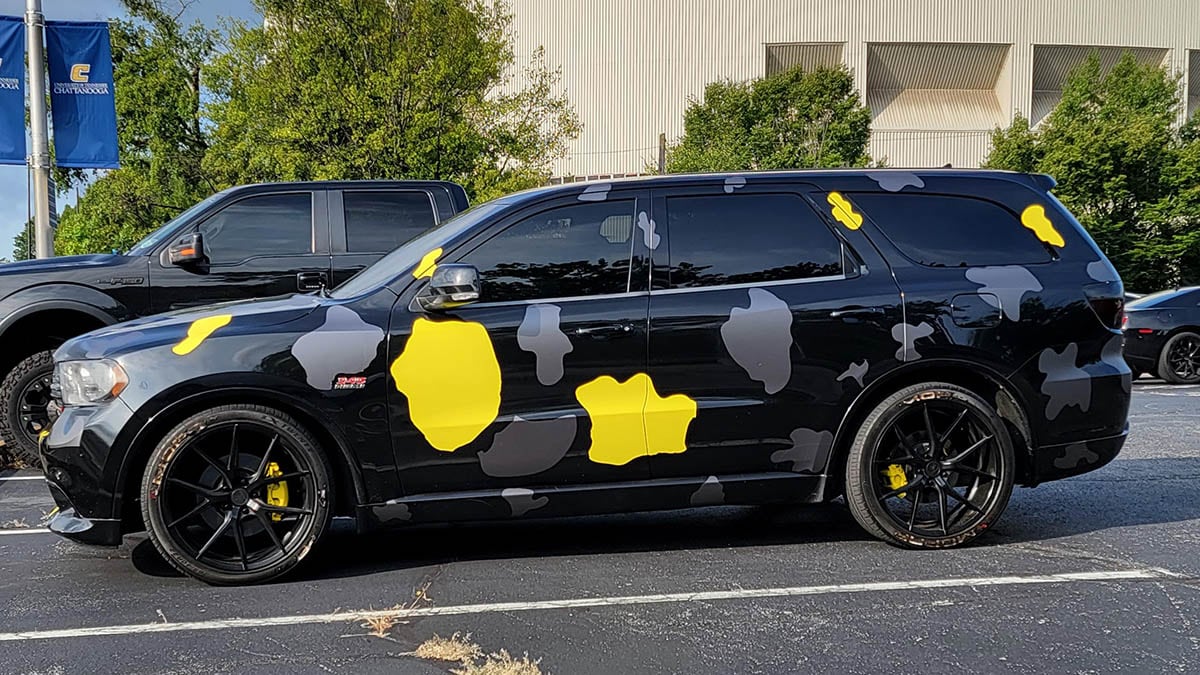
Vinyl wrapping an SUV is a popular way to change its look without painting. It covers the vehicle with a thin, strong film. This film protects the paint and adds style. Knowing the basics helps you decide how much vinyl you need.
Vinyl wraps come in many types and sizes. Each type suits different needs and effects. The size of the vinyl roll affects how much you must buy. Understanding these points is key for a smooth wrapping job.
Types Of Vinyl Wraps
There are three main types of vinyl wraps: cast, calendered, and specialty films. Cast vinyl is thin and flexible. It fits curves and lasts the longest. Calendered vinyl is thicker and cheaper. It works best on flat surfaces. Specialty wraps include textures like carbon fiber or matte finishes. Choose based on durability and design needs.
Benefits Of Vinyl Wrapping
Vinyl wraps protect the SUV’s paint from scratches and sun damage. They can change the car’s color or add patterns. Wrapping is faster and less costly than a paint job. It also keeps the car’s resale value higher. Removing the wrap does not harm the original paint.
Common Vinyl Wrap Sizes
Vinyl rolls come in widths of 48, 60, and 72 inches. Lengths range from 10 to 100 feet. SUVs usually need at least 50 feet of vinyl. This amount covers all sides and the roof. Buying extra vinyl helps cover mistakes and curves. Measure your SUV carefully before buying.
Measuring Your Suv
Measuring your SUV before wrapping it with vinyl is important. It helps you buy the right amount of vinyl. Accurate measurements save money and avoid waste. Take your time and be precise. This section shows how to measure your SUV correctly.
Key Dimensions To Measure
Start with the length of your SUV. Measure from the front bumper to the rear bumper. Next, measure the height from the ground to the roof. Don’t forget the width of your SUV. Measure across the widest point, including mirrors if you want to wrap them. Also, measure doors and windows if you plan to wrap those areas.
Tools Needed For Accurate Measurement
Use a tape measure for most parts. A laser distance measurer helps with large areas. A step ladder can help reach high spots safely. Carry a notebook or use your phone to write down numbers. A helper makes measuring easier and more accurate.
Tips For Precise Measurement
Measure twice to avoid mistakes. Keep the tape measure flat and straight. Take measurements in centimeters or inches and stay consistent. Measure curves carefully by breaking them into smaller sections. Record every measurement clearly for easy reference later.
Calculating Vinyl Needed
Calculating the amount of vinyl needed to wrap an SUV requires careful measurement and planning. Knowing the right quantity helps avoid running short or wasting material. This section breaks down the steps for accurate vinyl calculation.
Estimating Surface Area
Start by measuring the length, width, and height of your SUV. Multiply these dimensions to get an estimate of the total surface area. Don’t forget to include the roof, doors, hood, and bumpers. Use a tape measure for accuracy. Write down all measurements for reference.
Allowing For Overlaps And Errors
Vinyl wraps need extra material for overlaps and mistakes. Add at least 10-15% more vinyl than your surface area estimate. This extra helps with wrapping curves and edges cleanly. It also covers small cutting errors or repositioning during installation.
Adjusting For Suv Accessories
Accessories like roof racks, spoilers, and side mirrors affect vinyl needs. Measure or estimate the size of these parts separately. Add their surface areas to your total vinyl calculation. Keep in mind, some accessories may require cutting around or separate pieces of vinyl.

Credit: raxtify.com
Choosing The Right Vinyl Roll
Choosing the right vinyl roll is key for a smooth SUV wrapping project. The right roll size and thickness save time and reduce waste. Picking the correct vinyl helps cover your SUV fully and looks professional. This guide breaks down the important points to consider.
Standard Roll Dimensions
Vinyl rolls come in common widths and lengths. Most rolls are 50 inches wide. Lengths vary from 25 to 100 feet. Standard sizes fit most SUV wrapping needs well. Knowing these sizes helps you estimate how much vinyl to buy.
Selecting Width And Length
Choose a roll width that covers large panels easily. Wider rolls reduce seams and cuts. Longer rolls reduce the need for extra joins. Measure your SUV’s biggest parts, like doors and hood. Add extra length for mistakes and trimming.
Considering Vinyl Thickness
Thickness affects flexibility and durability. Thinner vinyl is easier to wrap around curves. Thicker vinyl lasts longer and protects better. Typical thickness ranges from 2 to 4 mils. Pick a thickness that fits your wrapping skill and SUV use.
Additional Materials For Wrapping
Wrapping an SUV with vinyl needs more than just the vinyl roll. You need extra materials to get the job done right. These materials help the wrap stick well, stay smooth, and look perfect.
Choosing the right tools and products makes wrapping easier and protects your SUV’s surface. These items also help finish the job cleanly and professionally.
Tools And Supplies
Essential tools include a squeegee, a heat gun, and a utility knife. The squeegee smooths out bubbles and wrinkles. A heat gun warms the vinyl to make it flexible and easier to apply. The utility knife cuts the vinyl cleanly around edges and corners. You may also need gloves to protect your hands and a measuring tape to size the vinyl accurately.
Surface Preparation Products
Cleaning the SUV’s surface is key. Use a good cleaner to remove dirt, grease, and wax. Isopropyl alcohol works well for this task. A clean surface helps the vinyl stick better and last longer. Avoid using oily or greasy products before wrapping. Make sure the surface is dry before starting the wrap.
Finishing Accessories
Finishing touches include edge sealant and masking tape. Edge sealant protects the vinyl edges from peeling and moisture. Masking tape helps hold the vinyl in place during application. A soft microfiber cloth can remove dust and fingerprints. These small items help your wrap look neat and last longer.
Credit: www.kbb.com
Common Wrapping Challenges
Wrapping an SUV with vinyl is not always simple. Many challenges come up during the process. Knowing these issues helps you prepare and get better results.
Small mistakes can ruin the look and cost more time and money. Understanding common problems helps avoid these pitfalls.
Dealing With Curves And Edges
Vinyl wrap must fit tightly on curved surfaces. SUV bodies have many curves and sharp edges. Stretching the vinyl too much can cause tears. Not stretching enough leaves gaps and bubbles. Use heat carefully to make vinyl flexible. Take time to smooth the wrap over curves slowly. Work with small sections for better control.
Avoiding Bubbles And Wrinkles
Air bubbles spoil the smooth finish. Wrinkles make the wrap look cheap and uneven. Clean the surface well before starting. Dust or dirt causes bubbles under the vinyl. Use a squeegee to push air out as you apply. Pull the vinyl tight but do not overstretch. Work in a warm area to keep vinyl soft. Check each section before moving on.
Handling Complex Suv Features
SUVs have door handles, mirrors, and trims. These parts make wrapping more difficult. Cut vinyl carefully around these features. Leave enough material to tuck under edges. Use a heat gun to help wrap tight corners. Avoid stretching vinyl too much near these spots. Patience is key to a neat finish on complex parts.
Professional Vs Diy Wrapping
Deciding between professional and DIY vinyl wrapping for your SUV affects cost, skill, and time. Both options have pros and cons. Understanding these can help you choose the best method for your needs and budget.
Cost Comparison
Professional wrapping costs more upfront. It includes labor and high-quality materials. DIY wrapping saves money by only buying vinyl and tools. But mistakes can increase overall costs. Vinyl wrap for an SUV usually needs 50 to 75 square feet. Professionals often buy more to cover errors.
Skill Requirements
Professionals have training and experience. They handle curves, edges, and tricky parts well. DIY wrapping needs patience and some skill. Beginners may struggle with air bubbles and wrinkles. Watching tutorials helps, but practice is key. A smooth finish is harder for novices to achieve.
Time Investment
Professional wrapping takes a few hours to a day. They work fast and efficiently. DIY wrapping can take several days or weekends. Cleaning, measuring, cutting, and applying vinyl slows the process. Mistakes require time to fix. Plan your schedule carefully if you choose DIY.
Maintaining Your Vinyl Wrap
Keeping your vinyl wrap in good condition is key to preserving your SUV’s look. Proper care helps the wrap last longer and stay vibrant. Small efforts in maintenance prevent costly repairs and keep the surface smooth. Follow simple steps to clean, fix, and protect your vinyl wrap every day.
Cleaning Tips
Use a soft cloth or sponge with mild soap and water. Avoid harsh chemicals or abrasive tools that can scratch the wrap. Rinse with clean water and dry with a microfiber towel. Wash your SUV regularly to remove dirt and grime. Avoid automatic car washes with stiff brushes that can damage the vinyl.
Repairing Minor Damage
Small scratches or bubbles can appear over time. Use a heat gun to gently warm the vinyl, then smooth out bubbles with a soft squeegee. For minor scratches, vinyl repair kits can help fill and cover marks. Act quickly to fix damage before it gets worse. Seek professional help for large tears or deep damage.
Longevity Expectations
Quality vinyl wraps can last between five and seven years. Exposure to sun, rain, and road debris affects lifespan. Parking in shaded or covered areas extends wrap life. Regular cleaning and prompt repairs keep the wrap looking fresh. Remember, proper maintenance is the best way to protect your investment.
Frequently Asked Questions
How Much Vinyl Is Needed To Wrap An Average Suv?
Typically, 50 to 75 square feet of vinyl wrap covers an average SUV. This estimate varies by SUV size and wrap design complexity.
Does Suv Size Affect Vinyl Wrap Quantity?
Yes, larger SUVs require more vinyl. Full-size SUVs may need up to 75 square feet, while compact SUVs need less.
Can I Use Less Vinyl For A Partial Suv Wrap?
Partial wraps need less vinyl, around 20 to 40 square feet. This depends on the wrap area and design.
How To Estimate Vinyl For Custom Suv Wraps?
Measure the SUV’s surface area carefully. Add extra vinyl for edges, curves, and mistakes to ensure full coverage.
Conclusion
Wrapping an SUV with vinyl needs careful planning. Measure your vehicle’s surface area first. Usually, 50 to 75 feet of vinyl wrap works well. This amount covers the whole SUV, including curves and edges. Always buy a little extra to avoid running short.
Quality vinyl and proper installation matter a lot. Take your time and follow the steps carefully. This way, your SUV will look great and stay protected. Vinyl wrapping can be a fun and rewarding project. Ready to give your SUV a fresh new look?


