

Are you thinking about giving your car a fresh new look with a vinyl wrap? One of the first questions you probably have is: how much vinyl wrap do you actually need to cover your car?
Getting the right amount is crucial—you don’t want to run out halfway through or waste money buying too much. You’ll discover simple tips to figure out exactly how much vinyl wrap will do the job perfectly. Keep reading to avoid costly mistakes and make your car stand out just the way you want.

Credit: raxtify.com
Estimating Vinyl Wrap Coverage
Estimating vinyl wrap coverage is the first step in planning a car wrap project. Knowing how much vinyl wrap you need helps avoid shortages or excess waste. It ensures the wrap fits your vehicle perfectly and saves money. Accurate estimation requires understanding your vehicle’s size and shape.
Factors Affecting Vinyl Wrap Amount
Vehicle size is the main factor affecting wrap amount. Larger cars need more vinyl than smaller ones. The design complexity also matters. Curves, edges, and details require extra material. Choose the wrap type carefully. Some vinyls stretch better and cover more area. Overlapping for safety adds to the needed amount. Don’t forget about doors, mirrors, and bumpers.
Measuring Your Vehicle Accurately
Measure the vehicle length, width, and height. Use a tape measure for accuracy. Write down each dimension clearly. Measure doors, hood, roof, and trunk separately. Add 10-15% extra for errors and overlaps. Double-check measurements before buying vinyl. Accurate measuring reduces mistakes and saves time.
Vinyl Wrap Sizes And Rolls
Understanding vinyl wrap sizes and rolls is important before starting a car wrapping project. Vinyl wraps come in different widths and lengths, which affect how much material you need. Knowing these sizes helps you buy the right amount without waste or shortage.
Each roll has a specific width and length. These dimensions determine coverage and ease of use. Choosing the correct roll size saves time and money. It also makes the wrapping process smoother and more efficient.
Common Roll Dimensions
Vinyl wrap rolls usually come in widths of 12, 24, or 50 inches. Lengths vary from 5 to 100 feet per roll. The most popular size for cars is 50 inches wide and 25 feet long. This size fits most vehicles without many seams.
Smaller rolls are good for partial wraps or accents. Larger rolls are better for bigger vehicles or full wraps. Rolls with 100 feet length work well for trucks or vans. Knowing common sizes helps plan the project better.
Choosing The Right Roll Size
Measure your vehicle carefully before buying vinyl wrap. Calculate total surface area to cover. Add extra for mistakes and overlaps. Use a larger roll if your car is wide or tall.
Smaller rolls cost less but need more seams. More seams can affect the look and durability. Larger rolls reduce seams but cost more. Pick the roll size that fits your budget and project needs. Always buy a little extra to avoid running short.
Wrap Requirements By Vehicle Type
Vinyl wrap requirements vary by vehicle type. Different cars need different amounts of vinyl to cover all surfaces. Knowing the size and shape of your vehicle helps estimate the vinyl you need. This prevents waste and ensures a smooth wrap job.
Small Cars
Small cars need less vinyl than larger vehicles. About 18 to 24 feet of vinyl usually covers a compact car. This amount allows wrapping the hood, roof, doors, and bumpers. Small curves and fewer panels make the job easier and faster.
Sedans And Suvs
Sedans and SUVs require more vinyl due to their size. They often need 24 to 30 feet of vinyl wrap. SUVs have taller and wider bodies, which demand extra material. This amount covers the full exterior, including mirrors and door handles.
Trucks And Large Vehicles
Trucks and large vehicles need the most vinyl. Wraps for these vehicles typically use 30 to 40 feet or more. Large flat surfaces and bigger areas increase vinyl needs. Extra vinyl allows for proper coverage on large doors and beds.
Partial Vs Full Wrap Coverage
Choosing between a partial and a full vinyl wrap depends on your budget, style, and the look you want. Partial wraps cover only parts of your car, like the hood or doors. Full wraps cover the entire vehicle, giving a new look from top to bottom.
Partial wraps cost less and take less time to install. Full wraps need more material and more hours of work but offer complete coverage. Knowing the difference helps you decide how much vinyl wrap you need for your car.
Popular Partial Wrap Options
Partial wraps focus on small areas of your car for a custom look. Common choices include the hood, roof, or side mirrors. Racing stripes or decals on doors are popular too. These wraps use less vinyl, making them cheaper and faster to apply. They can highlight your car’s style without covering everything.
Calculating Material For Full Wraps
Full wraps require measuring the entire car carefully. Measure the length, width, and height of your vehicle. Add extra material for curves and edges. Most cars need about 50 to 75 square feet of vinyl wrap. Larger vehicles like SUVs or trucks need more. Always buy a little extra to avoid shortages during installation.
Additional Materials And Tools
Wrapping a car with vinyl requires more than just the vinyl itself. Having the right materials and tools makes the job easier and improves the results. These extras help you apply the wrap smoothly and avoid common mistakes.
Essential Wrapping Tools
Start with a squeegee to smooth out air bubbles and wrinkles. A heat gun softens the vinyl, helping it bend around curves. Use a sharp utility knife to trim excess vinyl precisely. A microfiber cloth cleans the car surface for better adhesion. Gloves protect the vinyl from fingerprints and dirt. Tape measure and masking tape help position the vinyl correctly. These tools are necessary for a neat and professional wrap.
Extra Vinyl For Errors And Overlaps
Always buy more vinyl than the car’s exact size. Extra vinyl covers mistakes like tears or miscuts. It also allows for overlapping edges to avoid gaps. Having spare vinyl means you won’t have to stop midway. It ensures a continuous, smooth wrap without visible seams. Plan for about 10-20% extra vinyl to be safe. This small addition can save time and stress during the project.
Cost Considerations
Cost is a key factor when deciding to vinyl wrap a car. It varies based on how much of the vehicle you want to cover. Understanding these costs helps you plan your budget better.
Material Costs Based On Coverage
The price of vinyl wrap depends on the area covered. A full wrap uses more material and costs more. Partial wraps, like just the roof or hood, use less vinyl and cost less.
High-quality vinyl costs more but lasts longer. Cheaper vinyl may save money upfront but fades or peels faster. The choice affects both appearance and how often you might replace the wrap.
Professional Installation Vs Diy
Hiring a pro costs more but ensures a clean, smooth finish. Professionals have tools and experience to avoid bubbles and wrinkles. This saves time and frustration.
DIY is cheaper but harder. Mistakes can cause damage or waste material. It takes patience and skill to wrap a car well. Consider your comfort level before choosing this route.
Tips For Efficient Vinyl Use
Using vinyl wrap efficiently saves money and reduces waste. Proper planning and cutting help you get the most from your material. This section offers practical tips to use vinyl smartly for your car wrap project.
Planning Your Wrap Layout
Start by measuring your car carefully. Note the length and width of each part. Draw a simple sketch to map out the wrap pieces. Arrange the pieces on your sketch to minimize leftover vinyl. Think about curves and edges that need extra material. Plan for small overlaps to avoid gaps. This step helps avoid mistakes and material waste.
Maximizing Material With Proper Cutting
Use sharp tools for clean cuts. Cut vinyl slowly and steadily to avoid tears. Follow your layout plan for cutting shapes and sizes. Save small scraps for touch-ups or smaller parts. Cut pieces in a way that uses the full width of the vinyl roll. Avoid cutting too close to edges to prevent damage. Proper cutting makes the wrap easier to apply and lasts longer.
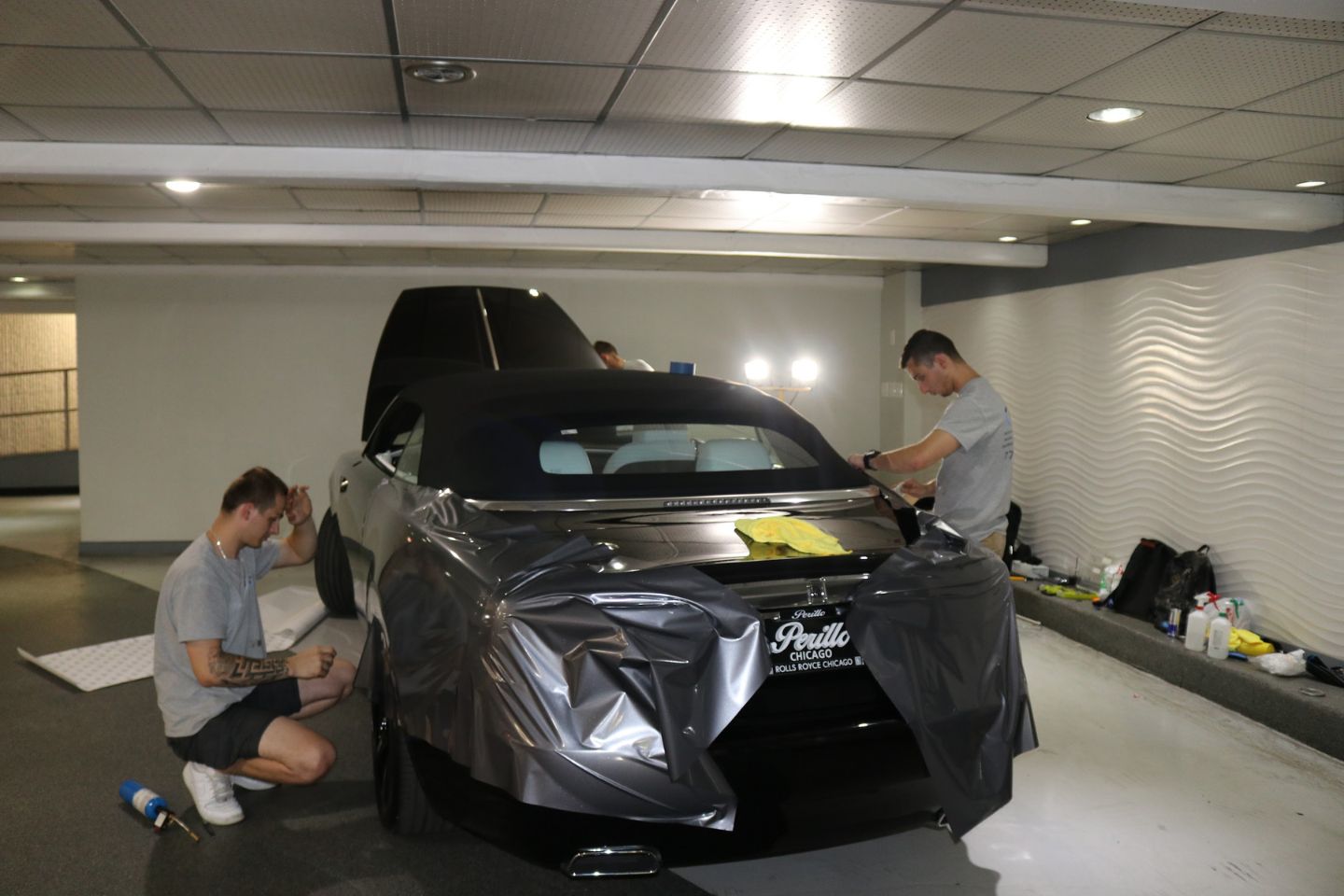
Credit: www.tintingchicago.com
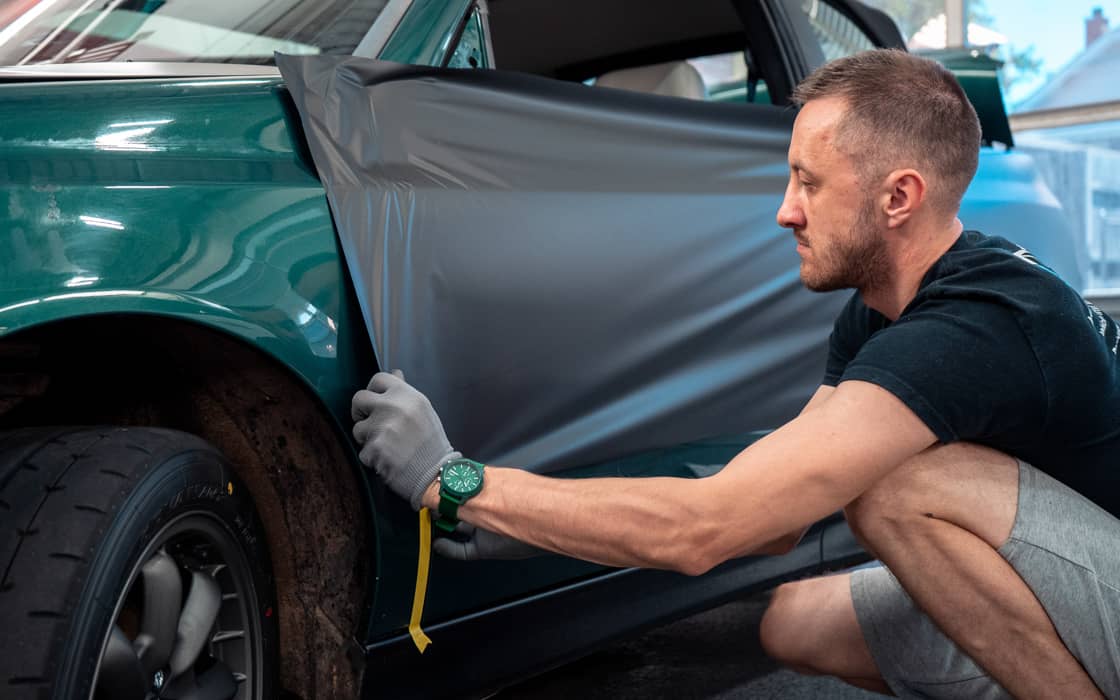
Credit: www.tintingchicago.com
Frequently Asked Questions
How Much Vinyl Wrap Is Needed For A Full Car?
Typically, 50 to 75 feet of vinyl wrap is required. This depends on the car size and complexity. Larger vehicles need more material to cover all surfaces properly.
Can One Roll Of Vinyl Wrap Cover An Entire Car?
Usually, one roll of vinyl wrap is not enough. Most rolls contain 50 feet, which may cover smaller cars but not larger ones. Additional rolls are often necessary for full coverage.
Does Car Size Affect Vinyl Wrap Quantity?
Yes, car size greatly affects vinyl wrap quantity. Compact cars require less wrap, while SUVs and trucks need more. Always measure your vehicle accurately before purchasing vinyl wrap.
How To Estimate Vinyl Wrap For Curved Surfaces?
Curved surfaces require extra vinyl due to stretching and trimming. Add 10-20% more material to cover these areas adequately and avoid shortages during installation.
Conclusion
Wrapping a car needs careful planning and measuring. Usually, 50 to 75 feet of vinyl wrap covers most cars well. Bigger vehicles need more material, small ones less. Always buy extra wrap for mistakes or tricky parts. Cutting corners can cause gaps or bubbles later.
Take your time and follow instructions closely. A well-wrapped car looks great and lasts longer. This simple guide helps you choose the right amount. Ready to start? Measure twice, cut once, and enjoy your new look.


