

Have you ever wondered how often you should change your fuel filter? It’s a simple question, but the answer can save you from costly repairs and keep your vehicle running smoothly.
Your fuel filter plays a crucial role in protecting your engine from dirt and debris. If it gets clogged, your car’s performance can drop, and you might even face breakdowns. You’ll discover the signs that tell you it’s time for a change and the best intervals to follow.
Keep reading to learn how taking care of your fuel filter can save you time, money, and stress on the road.
Fuel Filter Basics
The fuel filter is a small but important part of your vehicle. It cleans the fuel before it reaches the engine. Clean fuel helps the engine run smoothly. Over time, the filter collects dirt and debris. This can block the fuel flow. Knowing the basics of the fuel filter helps you keep your car healthy.
Role In Vehicle Performance
The fuel filter stops dirt from entering the engine. Dirt can damage engine parts and reduce power. A clean filter keeps fuel flowing well. This helps the engine burn fuel efficiently. Good fuel flow means better performance and fuel economy. A clogged filter can cause the engine to stall or run rough.
Types Of Fuel Filters
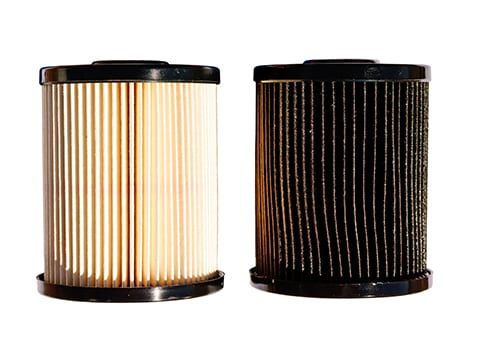
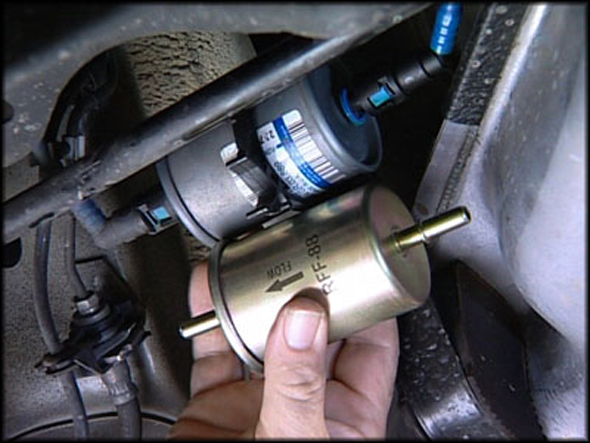
There are several types of fuel filters. Some are inside the fuel tank. Others are mounted along the fuel line. Paper filters are common and cost-effective. They trap small dirt particles well. Metal filters are durable and reusable. Each type suits different car models and fuel systems. Knowing your filter type helps with proper maintenance.
Signs Of A Clogged Fuel Filter
Recognizing the signs of a clogged fuel filter helps keep your car running smoothly. A dirty fuel filter blocks fuel flow. This causes trouble for your engine and overall performance. Watch for these common symptoms to know when to check your fuel filter.
Engine Performance Issues
The engine may run rough or stall. You might hear unusual noises from the engine. Hesitation or sputtering can happen during acceleration. These issues show fuel is not reaching the engine properly.
Fuel Efficiency Drop
Your car uses more fuel than usual. The fuel filter restricts flow, making the engine work harder. This lowers fuel economy and costs more money at the pump. Pay attention to sudden drops in miles per gallon.
Starting Problems
The engine may take longer to start or fail to start. A clogged fuel filter limits fuel supply during ignition. You might need several attempts to get the engine running. This sign means the filter needs immediate attention.
Manufacturer Recommendations
Manufacturers set guidelines for changing fuel filters to keep engines running smoothly. Following these recommendations helps avoid engine problems and costly repairs. Each car brand offers specific advice based on engine design and fuel system.
Common Replacement Intervals
Most manufacturers suggest changing the fuel filter every 20,000 to 40,000 miles. Some recommend checking it at every oil change. Regular replacement ensures clean fuel reaches the engine. It prevents clogging and keeps fuel flow steady.
Variations By Vehicle Type
Fuel filter replacement varies by vehicle type and usage. Trucks and SUVs often need more frequent changes due to heavy use. Smaller cars may have longer intervals between changes. Diesel engines usually require more frequent filter checks than gasoline engines.
Credit: www.ievilenergy.com
Driving Conditions Impact
Driving conditions play a big role in how often you should change your fuel filter. The type of roads and fuel quality affects the filter’s lifespan. Understanding these factors helps keep your car running smoothly. Let’s explore how different driving styles and fuel types impact your fuel filter.
City Vs. Highway Driving
City driving means frequent stops and starts. Engines run less efficiently in this condition. More dirt and debris can enter the fuel system. This clogs the fuel filter faster than highway driving.
Highway driving is smoother and steady. The engine runs at a consistent speed. Less dirt and particles flow through the fuel filter. This means the filter lasts longer on highways.
Drivers who mostly drive in the city should change the fuel filter more often. Highway drivers can wait longer between changes.
Fuel Quality Effects
Low-quality fuel contains more impurities. Dirt and water in bad fuel can block the filter quickly. Using poor fuel shortens the filter’s lifespan.
High-quality fuel is cleaner and protects the fuel system. It helps the fuel filter last longer. Always choose good fuel to reduce filter wear.
Changing the fuel filter depends on how clean your fuel is. Regular checks are important if you cannot control fuel quality.
Diy Vs. Professional Replacement
Deciding between doing your fuel filter replacement yourself or hiring a professional depends on your skills and comfort level. Changing a fuel filter can improve your car’s performance and protect the engine. Some car owners enjoy the challenge of DIY repairs, while others prefer the safety of a mechanic’s expertise.
DIY replacement saves money and gives a sense of accomplishment. It requires some basic tools and a clear understanding of the steps. Professional replacement costs more but reduces the risk of errors and damage. Experts have the right tools and knowledge to finish the job quickly and correctly.
Tools Needed For Replacement
To replace a fuel filter yourself, prepare a few simple tools. You will need a wrench set, screwdrivers, and a new fuel filter matching your vehicle’s model. Also, have safety gloves and eye protection ready. A container to catch fuel spills is helpful. Work in a well-ventilated area to avoid inhaling fumes.
When To Seek A Mechanic
Choose a mechanic if you notice fuel leaks or complex fuel system layouts. If you lack tools or confidence, a professional is safer. Modern cars sometimes need special equipment to access the fuel filter. Mechanics can spot other problems during the replacement and fix them. Avoid risk by trusting experts with tricky or new car models.
Consequences Of Neglecting Fuel Filter Change
Neglecting to change your fuel filter can cause serious problems for your vehicle. The fuel filter stops dirt and debris from reaching the engine. Over time, it clogs and loses its ability to protect the engine. This leads to poor performance and costly repairs. Understanding these risks helps you avoid damage and keep your car running smoothly.
Engine Damage Risks
A dirty fuel filter restricts fuel flow to the engine. This causes the engine to run lean and overheat. Small particles can enter the engine, causing wear and tear. Over time, this leads to engine misfires and stalling. Ignoring fuel filter changes can shorten your engine’s life significantly.
Increased Repair Costs
Failing to replace the fuel filter raises repair expenses. Clogged filters make other parts work harder and wear out faster. Fuel injectors and pumps may fail due to bad fuel flow. Repairing these parts costs much more than changing a filter. Regular filter changes save money by preventing expensive fixes.
Tips For Maintaining Fuel System Health
Maintaining your fuel system keeps your engine running smoothly. It helps avoid costly repairs and improves fuel efficiency. Simple steps can protect your vehicle’s fuel system from damage and blockages.
Regular care extends the life of your fuel filter and other parts. It ensures your car starts easily and runs without trouble.
Regular Inspections
Check the fuel filter and fuel lines often for dirt and damage. Look for cracks, leaks, or signs of wear. Early detection stops small problems from growing.
Ask a mechanic to inspect the fuel system during routine service. A clean fuel system means better engine health and fewer breakdowns.
Using Quality Fuel
Choose fuel from trusted stations to avoid contaminants. Poor quality fuel clogs the filter quickly. It can damage the fuel pump and engine parts.
Good fuel keeps the system clean and running well. It helps your car perform better and last longer.
Credit: www.waynesautocenter.com
Credit: germanformula.com
Frequently Asked Questions
How Often Should I Change My Fuel Filter?
Most experts recommend changing your fuel filter every 20,000 to 40,000 miles. Check your vehicle’s manual for specific intervals. Regular changes ensure optimal fuel flow and engine performance.
What Are Signs Of A Clogged Fuel Filter?
Common signs include engine sputtering, poor acceleration, and difficulty starting. A clogged filter restricts fuel flow, causing these issues. Addressing it promptly avoids engine damage.
Can I Change The Fuel Filter Myself?
Yes, if you have basic mechanical skills and proper tools. Consult your vehicle’s manual for guidance. Otherwise, a professional mechanic can ensure safe and correct replacement.
Does Fuel Filter Type Affect Replacement Frequency?
Yes, fuel filter lifespan varies by type and vehicle model. Some last longer, others need frequent replacement. Always follow manufacturer recommendations for best results.
Conclusion
Changing your fuel filter keeps your engine clean and working well. Most cars need a new filter every 20,000 to 40,000 miles. Check your owner’s manual for the best schedule. A dirty fuel filter can cause poor engine performance or even damage.
Regular changes save money on repairs later. Don’t wait for signs of trouble. Stay ahead and keep your car running smoothly. Simple care like this helps your vehicle last longer and drives better. Easy to do, worth the effort.


