

You love keeping your car clean, and your engine is no exception. But how often can you safely pressure wash your car engine without causing damage?
If you’ve ever wondered whether too much cleaning could harm your vehicle, you’re not alone. Knowing the right balance is key to protecting your engine while keeping it spotless. You’ll discover expert tips on how frequently you should pressure wash your engine, what precautions to take, and how to avoid costly mistakes.
Keep reading to learn how to maintain your engine’s performance and appearance safely.
Benefits Of Pressure Washing Car Engines
Pressure washing a car engine offers many benefits. It helps keep the engine clean and working well. Dirt, grease, and grime can build up over time. Cleaning the engine removes these harmful substances. This process supports the engine’s health and the car’s overall performance.
Regular engine cleaning also prevents damage. It protects metal parts from rust and corrosion. A clean engine looks better and can last longer. These benefits make pressure washing a smart choice for car care.
Improved Engine Performance
A clean engine runs cooler and more efficiently. Dirt and grime can block important parts. This slows down the engine and wastes fuel. Pressure washing clears away these obstructions. It helps the engine breathe and work better.
Better engine performance means smoother rides and fewer breakdowns. Regular cleaning can help avoid costly repairs later.
Preventing Corrosion And Damage
Oil and dirt can trap moisture on engine parts. This moisture causes rust and corrosion. Pressure washing removes this build-up and protects metal surfaces. It helps prevent leaks and other engine problems.
Cleaning also stops harmful chemicals from eating away at parts. This keeps the engine strong and reliable for a longer time.
Enhanced Visual Appeal
A clean engine looks neat and cared for. It shows that you take good care of your car. This can raise the vehicle’s value if you sell it later. A shiny engine bay also makes inspections easier.
Regular washing removes stains and grime that hide engine details. It keeps the engine looking fresh and well-maintained every day.
Risks Of Frequent Pressure Washing
Pressure washing your car engine might seem like a quick way to clean it. But doing it too often can cause problems. The engine has many parts that water and strong sprays can damage. Knowing the risks helps you protect your car and avoid costly repairs.
Potential Water Damage
Water can enter places it should not. This can cause rust on metal parts. Rust weakens the engine and makes it less reliable. Water trapped in tight spots may also cause mold or mildew. These problems hurt your engine’s life and performance.
Electrical Component Risks
Car engines have many electrical parts. Sensors, wires, and connectors are sensitive to water. Pressure washing can force water into these parts. This can cause short circuits or malfunctions. Electrical issues can lead to engine failure or warning lights.
Impact On Engine Seals And Gaskets
Seals and gaskets keep fluids inside the engine. High-pressure water can damage these parts. Damaged seals cause leaks of oil or coolant. Leaks reduce engine efficiency and may lead to overheating. Replacing seals and gaskets can be costly and time-consuming.
Recommended Frequency For Pressure Washing
Pressure washing a car engine is best done every 3 to 6 months. Too often can damage parts, while too little allows grime build-up. Regular cleaning helps keep the engine running smoothly and looking good.
Factors Influencing Washing Intervals
The frequency of pressure washing your car engine depends on many factors. Dirt, grease, and grime build up faster in dusty or muddy areas. Frequent driving in tough conditions means more cleaning is needed. Older engines may need gentler care and less frequent washing. Always check your car’s manual for specific advice. Avoid washing too often to prevent damage to sensitive parts.
Seasonal Considerations
Seasons affect how often you should wash your engine. Winter brings salt and road chemicals that can cause corrosion. Clean your engine more during cold months to protect it. In spring and summer, dirt and bugs can build up quickly. Washing every few months during these seasons helps keep your engine healthy. Adjust your washing schedule based on weather and road conditions.
Usage-based Guidelines
How often you drive impacts engine washing needs. Daily drivers may need to wash the engine every 3 to 6 months. Cars used for short trips might require less frequent cleaning. Off-road vehicles or those used in construction zones need more regular washes. Monitor your engine’s condition and clean it when you notice heavy dirt or grease. Keep a balance to avoid over-cleaning and protect engine parts.

Credit: www.crcindustries.com
Safe Pressure Washing Techniques
Pressure washing your car engine can keep it clean and running cool. Using safe techniques prevents damage and keeps parts working well. Follow simple steps to clean your engine without risk.
Choosing The Right Equipment
Pick a pressure washer with low to medium pressure. High pressure can harm engine parts and seals. Use a nozzle with a wide spray pattern to spread water gently. Choose a washer with adjustable pressure settings for control.
Protecting Sensitive Parts
Cover the battery, air intake, and electrical components with plastic bags. Secure covers with tape to prevent water entry. Avoid spraying directly on sensors and exposed wires. Let the engine cool before washing to avoid damage.
Step-by-step Washing Process
Start by removing loose dirt with a brush or cloth. Spray the engine gently, keeping a safe distance of about 12 inches. Use a mild degreaser on greasy spots and let it sit for a few minutes. Rinse off the degreaser with low-pressure water. Dry the engine with a clean cloth or air blower. Remove all covers and check for water inside.
Alternative Engine Cleaning Methods
Cleaning your car engine does not always mean using a pressure washer. Other methods can be safer and just as effective. These alternatives help protect delicate parts and keep your engine in good shape.
Manual Cleaning Options
Manual cleaning uses brushes and cloths to remove dirt and grime. It is gentle and allows you to clean small areas carefully. You can use a soft brush for tight spots. Wiping with a damp cloth helps remove surface dust. This method takes more time but reduces the risk of damage.
Using Engine Degreasers
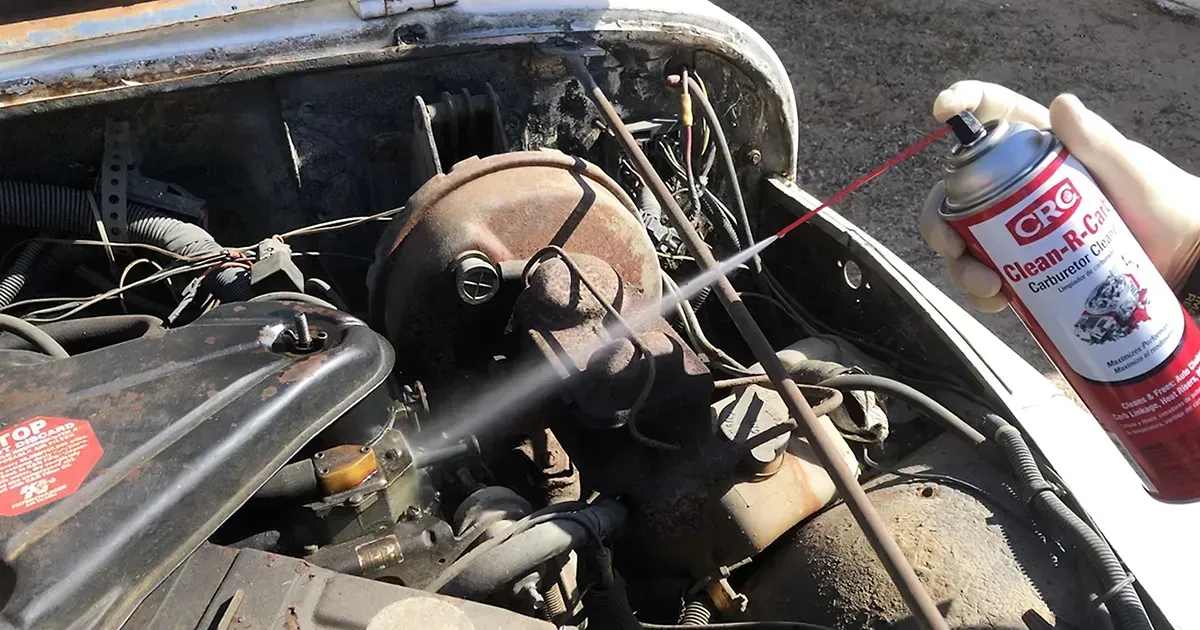
Engine degreasers break down oil and grease without heavy water pressure. Spray the degreaser on dirty areas and let it sit for a few minutes. Then, wipe or rinse lightly with water. Choose a degreaser safe for car engines. This method cleans well and protects electrical parts from water.
Professional Detailing Services
Professional detailers have the right tools and knowledge for engine cleaning. They use gentle methods tailored to your car’s engine type. Professionals clean areas hard to reach and avoid damage. This option saves time and ensures a thorough clean. It may cost more but is safe and effective.
Credit: www.crcindustries.com
Signs Your Engine Needs Cleaning
Knowing when your car engine needs cleaning helps keep it running well. Dirt and grime build up over time. This can cause problems if not cleaned. Recognizing the signs early can prevent damage and costly repairs. Here are some key signs to watch for.
Visible Dirt And Grime
Check under the hood for layers of dirt. Thick dust or oily spots show the engine is dirty. Grease buildup on parts means cleaning is due. Dirt can block engine parts and cause overheating. A clean engine looks shiny and free of grime.
Unusual Engine Smells
Strange smells from the engine area signal trouble. Burning or oily odors suggest leaks or dirt buildup. A musty or damp smell may mean moisture or mold. These smells often mean the engine needs washing. Ignoring them can lead to bigger problems.
Performance Issues
Engine trouble can mean it needs cleaning. Rough idling or slow acceleration can be signs. Overheating or strange noises may also appear. Dirt can cause parts to work poorly. Cleaning the engine can help improve performance.

Credit: www.youtube.com
Frequently Asked Questions
How Often Should I Pressure Wash My Car Engine?
You should pressure wash your car engine every 6 to 12 months. This frequency prevents dirt buildup and protects engine components. Avoid washing too often to prevent moisture damage and corrosion.
Is Pressure Washing Safe For All Car Engines?
Pressure washing is safe if done carefully and with low pressure. Avoid sensitive parts like the alternator and exposed wiring. Use protective covers and keep water away from electrical components to prevent damage.
What Pressure Level Is Ideal For Engine Washing?
Use a pressure washer with 1200 to 1900 PSI for engine cleaning. High pressure can damage delicate parts. A gentle spray helps remove dirt without harming engine components.
Can I Use Detergent When Pressure Washing My Engine?
Yes, use engine-safe, biodegradable detergents sparingly. Apply detergent before rinsing to break down grease and grime. Avoid harsh chemicals that can damage seals and hoses.
Conclusion
Pressure washing your car engine keeps it clean and running well. Avoid doing it too often to protect engine parts. Once every few months is usually safe for most cars. Always let the engine cool before washing to avoid damage.
Use gentle pressure and avoid sensitive areas like electrical parts. Regular checks and light cleaning help your engine last longer. Clean but careful—this keeps your engine healthy and working great.


