Have you ever wondered how much pressure is actually needed to wash your car effectively? Using too little pressure might leave dirt behind, while too much could damage your paint.
Finding the right balance is key to keeping your car spotless and safe. You’ll discover the perfect pressure range that cleans thoroughly without causing harm. Keep reading to learn how to get the best results every time you wash your car.
Credit: activeproducts.com
Pressure Basics For Car Wash
Pressure plays a key role in car washing. It helps remove dirt and grime from the vehicle’s surface. Knowing the right pressure level keeps your car safe while cleaning it well. This section explains the basics of pressure for car wash.
What Pressure Means
Pressure is the force of water pushing against a surface. In car washing, it helps loosen dirt and debris. Too much pressure can damage paint and decals. Too little pressure might not clean well. Finding the right balance is important for a good wash.
Units Of Measurement
Pressure is measured in pounds per square inch (PSI). It shows how much force water applies on one square inch. Lower PSI means gentler water flow. Higher PSI means stronger water flow. Most car washes use 1200 to 1900 PSI for safe cleaning.
Ideal Pressure Levels
Choosing the right pressure level for a car wash is very important. The pressure affects how clean your car gets and if the paint stays safe. Different parts of a car need different pressure ranges. Knowing these ideal pressure levels helps protect your vehicle while cleaning effectively.
Low Pressure Range
Low pressure means 1200 to 1900 PSI. It is good for delicate surfaces like car paint and windows. Low pressure removes dust and light dirt without damage. Use this range for regular cleaning and rinsing. It keeps your car safe from scratches.
Medium Pressure Range
Medium pressure falls between 2000 and 2800 PSI. It cleans tougher dirt and grime. This range is good for wheels and tires. Medium pressure removes mud and road debris well. Use it carefully on painted areas to avoid damage.
High Pressure Range
High pressure is above 2800 PSI. It is strong enough for heavy cleaning. Use this range for removing tough stains and grease. High pressure works well on concrete or metal parts. Avoid using it directly on the car paint. It can cause scratches or peeling.
Pressure Impact On Car Surfaces
Pressure plays a key role in car washing. It affects how well dirt is removed and how safe the car surface remains. Using the right pressure protects your car from damage. Different parts of a car need different pressure levels to clean properly without harm.
Delicate Paint And Finishes
Paint and finishes need gentle care. High pressure can chip or peel paint. It may also cause scratches on the surface. Use low pressure to keep the shine and color safe. Soft sprays work best for delicate areas.
Tough Dirt And Grime
Stubborn dirt needs stronger pressure to remove. Mud, bird droppings, and road grime can stick tightly. Medium to high pressure breaks them loose quickly. This makes cleaning easier without scrubbing hard. Always check the surface to avoid damage.
Effect On Tires And Wheels
Tires and wheels face heavy dirt and brake dust. They can handle higher pressure than paint. Strong sprays clean brake dust and mud well. Use a focused stream to reach tight spots. This keeps wheels bright and free from buildup.

Credit: www.amazon.com
Choosing The Right Pressure Washer
Selecting the right pressure washer is key to a good car wash. Too much pressure can damage the paint. Too little pressure may not clean well. Knowing the differences helps pick the best tool.
Pressure washers come in many types and sizes. Each has strengths and limits. Understanding these makes the washing task easier and safer.
Electric Vs Gas Pressure Washers
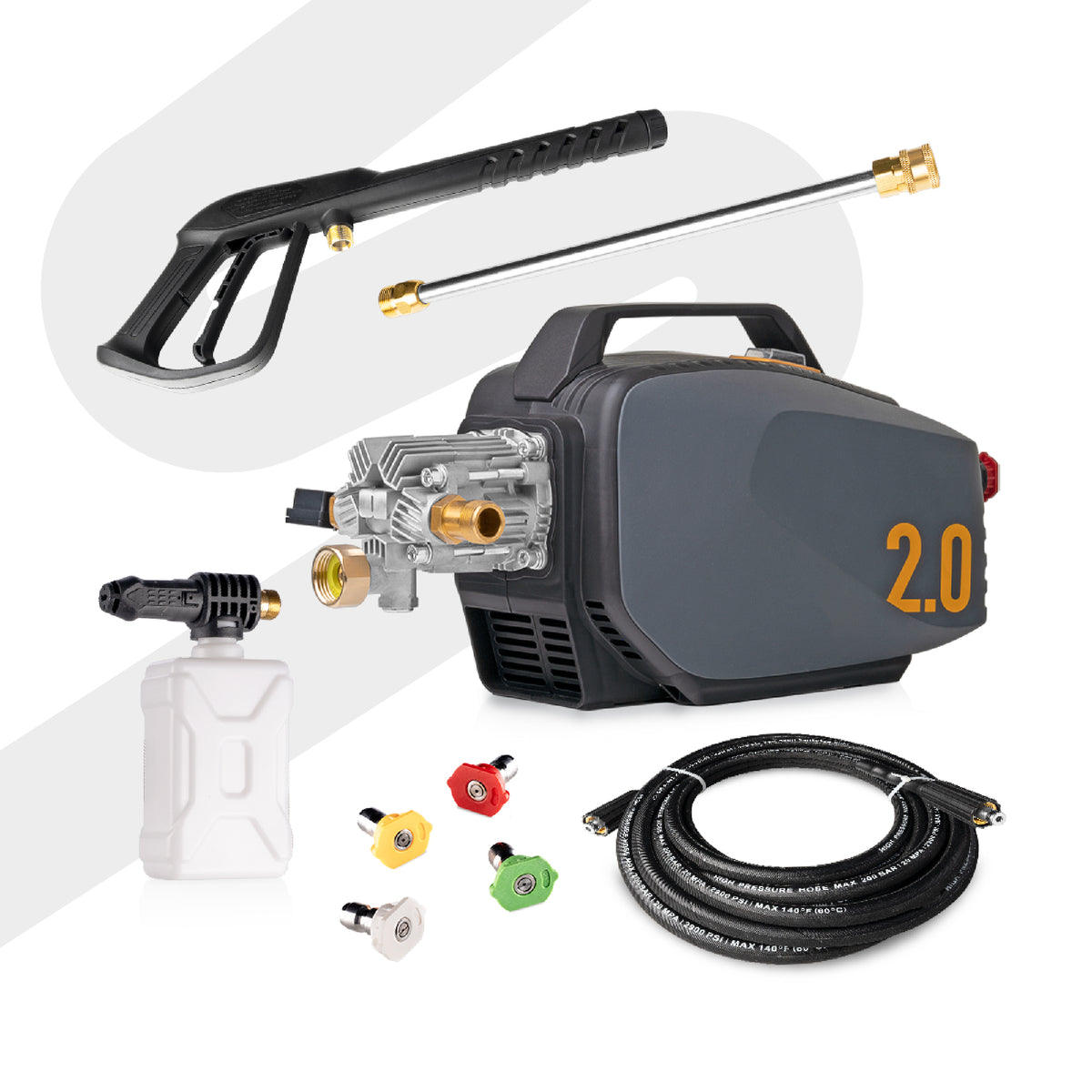
Electric pressure washers are lighter and quieter. They work well for small jobs like washing a car. They use less water and energy. Gas pressure washers are stronger and more powerful. They can clean larger areas and tough dirt. But they are heavier and noisier. Choose electric for home use, gas for heavy cleaning.
Pressure Ratings To Look For
Pressure is measured in PSI (pounds per square inch). For cars, 1200 to 1900 PSI is safe and effective. Higher PSI can harm paint or trim. Low PSI may not remove dirt well. Also check GPM (gallons per minute). Higher GPM means faster rinsing. Balance PSI and GPM for good cleaning without damage.
Nozzle Types And Their Effects
Nozzles control the spray pattern and pressure. A 25-degree nozzle offers wide spray, good for general cleaning. A 15-degree nozzle is narrower and stronger, better for stuck dirt. A 40-degree nozzle is gentle, ideal for delicate surfaces. Use the right nozzle to protect the car while cleaning well.
Safety Tips When Using Pressure Washers
Using a pressure washer to clean your car can save time and effort. But safety must come first. High pressure can harm your car’s paint or cause injury. Follow these safety tips to protect your car and yourself.
Avoiding Damage To Car Paint
Use a low-pressure setting to protect the paint. High pressure can strip off paint or cause scratches. Keep the nozzle moving constantly to avoid focusing pressure on one spot. Start washing from a distance and move closer only if needed. Use soap designed for cars to prevent damage.
Protecting Yourself
Wear safety glasses to protect your eyes from debris. Use gloves to avoid skin irritation from pressure or cleaning chemicals. Avoid pointing the washer at yourself or others. Keep children and pets away during use. Stand on stable ground to prevent slips or falls.
Proper Distance And Angles
Hold the nozzle 12 to 18 inches from the car surface. Closer distances increase the risk of paint damage. Spray at a 45-degree angle to avoid direct pressure on paint. This angle helps remove dirt without causing harm. Adjust distance based on pressure and car surface condition.

Credit: www.youtube.com
Pressure Wash Mistakes To Avoid
Pressure washing a car can make it shine like new. Yet, many make common mistakes that damage paint or waste water. Avoiding these errors saves time and money. It also protects your vehicle’s finish.
Using Too High Pressure
High pressure can strip paint or dent metal. It may also push water into seals, causing rust. Use the correct pressure setting for cars. Typically, 1200 to 1900 PSI is safe for most vehicles.
Ignoring Manufacturer Recommendations
Car makers provide guidelines for cleaning. Ignoring these can lead to warranty issues or damage. Always check the manual for pressure limits and cleaning tips. Follow their advice to keep your car safe.
Skipping Pre-wash Preparations
Rushing to pressure wash without prepping causes problems. Dirt and debris can scratch paint during washing. First, rinse the car with water to remove loose dirt. Use a foam cannon or soap to soften grime before pressure washing.
Additional Tools And Accessories
Choosing the right pressure for a car wash is important. Using the right tools can make cleaning easier and better. Some extra tools and accessories help get dirt off gently but well. These tools protect your car’s paint and improve the wash quality.
Foam Cannons
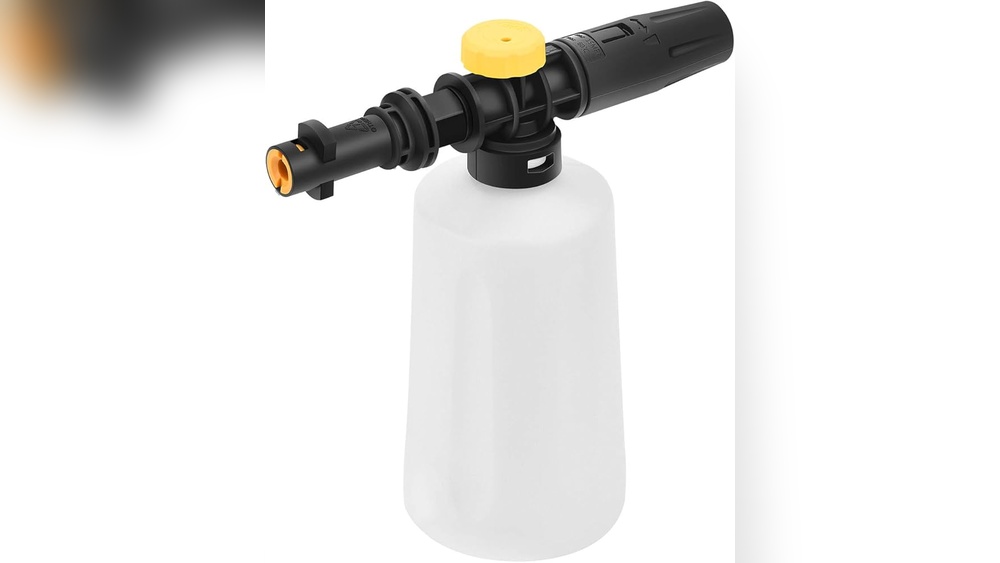
Foam cannons spray thick foam over the car. The foam sticks to the surface and loosens dirt. This makes washing safer with less scrubbing. Foam cannons work best with medium pressure washers. They cover the car quickly and save time.
Brush Attachments
Brush attachments help scrub tough spots without scratching. Soft brushes remove grime in hard-to-reach places. Use brushes with gentle pressure to avoid damage. They make cleaning wheels and grills easier. Brushes improve the wash, especially on rough surfaces.
Water Softeners
Water softeners reduce minerals in water. Hard water can leave spots and stains on cars. Soft water helps soap foam better and rinse cleaner. Using a water softener protects paint and glass. It makes the car look shiny and fresh after washing.
Maintenance Of Pressure Washer
Maintaining your pressure washer is essential for a smooth car wash. Proper care helps the machine last longer and work better. Regular checks prevent damage and keep the pressure steady. Follow simple steps to keep your pressure washer in top shape.
Cleaning Nozzles
Nozzles can get clogged with dirt and debris. Clean them often to keep water flow strong. Use a small brush or needle to clear blockages. Rinse nozzles with water after each use. Clean nozzles improve spray quality and protect your washer.
Checking Hoses And Connections
Inspect hoses for cracks or leaks before every wash. Tighten loose connections to avoid water loss. Replace damaged hoses immediately to prevent accidents. Secure connections keep pressure steady and safe during use.
Storage Tips
Store your pressure washer in a dry, cool place. Avoid exposing it to direct sunlight or cold weather. Drain all water from hoses and pump after use. Proper storage prevents rust and freezing damage. Cover the machine to keep dust away.
Frequently Asked Questions
What Is The Ideal Pressure For Washing A Car?
The ideal pressure for car washing ranges from 1200 to 1900 PSI. This pressure effectively removes dirt without damaging the paint. Using too high pressure can strip the paint or cause dents. Always adjust pressure based on your car’s surface and dirt level.
Can High Pressure Damage My Car’s Paint?
Yes, high pressure above 2000 PSI can damage car paint. It may strip wax, chip paint, or cause scratches. Use moderate pressure and keep the nozzle at a safe distance. Always test on a small area before a full wash.
How Does Pressure Affect Car Wash Effectiveness?
Pressure helps remove dirt and grime efficiently. Higher pressure loosens tough stains and debris quickly. However, too much pressure can harm delicate surfaces. Balance pressure and distance for optimal cleaning without damage.
Is Low Pressure Sufficient For Car Washing?
Low pressure under 1200 PSI may not remove stubborn dirt effectively. It’s suitable for light cleaning or delicate parts. Combine low pressure with good detergents and brushes for better results.
Conclusion
Choosing the right pressure for a car wash matters a lot. Too much pressure can damage your car’s paint. Too little pressure won’t clean it well. Most cars need between 1200 and 1900 PSI for washing. Always check your pressure washer’s settings before use.
Use gentle sprays for delicate parts. Remember, a clean car looks good and lasts longer. Keep your car wash safe and effective. Simple steps make a big difference. Keep these tips in mind for your next wash.